

A flawless surface finish is often the hallmark of high-quality injection molding. However, poor surface gloss is one of the most common defects manufacturers face. Because the plastic part is essentially a replica of the mold cavity, any issue in the tooling, processing parameters, or raw materials can directly impact the final appearance.
In this comprehensive guide, we will break down the primary causes of dull or matte surfaces and provide actionable solutions to restore that premium shine. If you want to master the core logic of glossy part production, check our dedicated article: 高光沢射出成形プロセスの原理と要件.
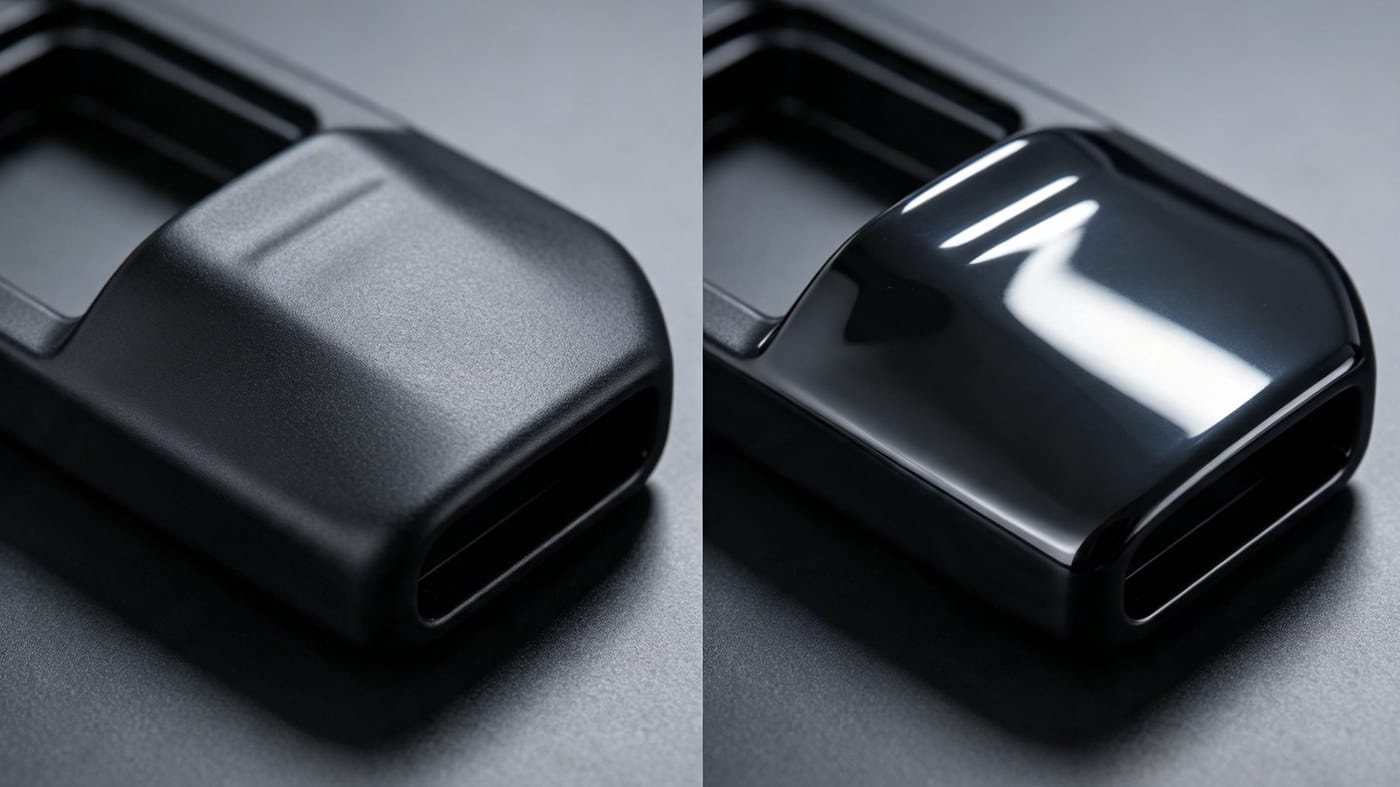
Mold Defects and Maintenance Issues
The surface of the molded part is a direct mirror of the mold cavity. If the mold surface has scratches, corrosion, or micro-pores, these defects will be replicated onto the plastic part. Additionally, contaminants like oil, moisture, or excessive/improperly selected mold release agents can cause the surface to appear dull.
Key Mold-Related Solutions:
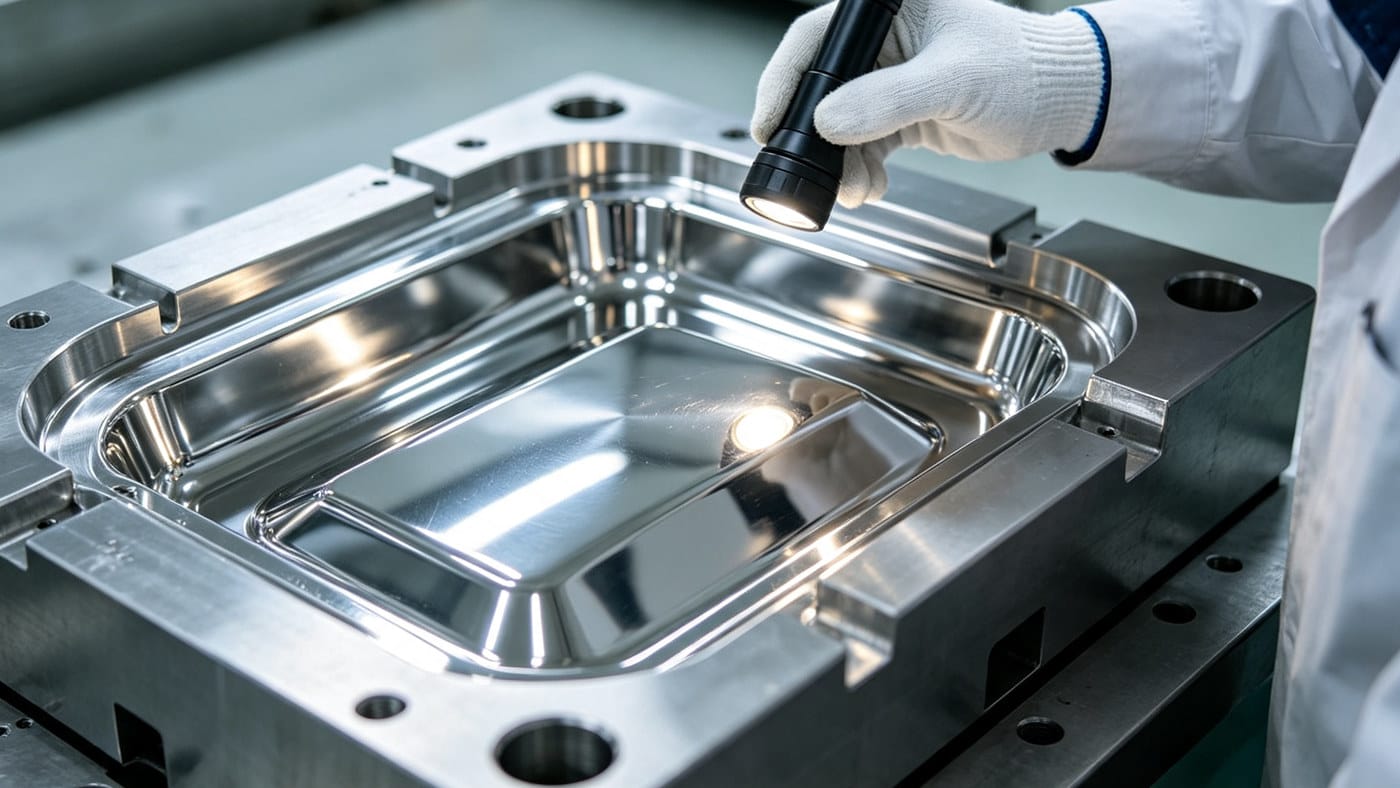
- 表面仕上げ: Ensure the cavity has an excellent surface finish. Polishing or chrome plating is highly recommended.
- Cleanliness: Keep the cavity strictly clean. Remove oil and water stains promptly.
- Release Agents: Use the correct type and minimal amount of release agent.
The Critical Role of Mold Temperature
Mold temperature significantly dictates surface quality. Different plastics react differently to mold temperatures.
- Too Low: The melt solidifies instantly upon contact, reducing the replication of the mold's surface texture.
- Too High: Can also lead to a dull surface or prolonged cycle times.
💡 プロのアドバイス To boost gloss without extending the cycle time, circulate warm water through the cooling channels. This ensures rapid heat transfer and helps reduce residual stress. For most plastics (excluding PS, ABS, and AS), mold temperatures above 100°C are ideal for high-gloss finishes.
Design & Flow Considerations
Poor mold design can also ruin surface gloss. Issues like insufficient draft angles, sudden changes in wall thickness, overly thick ribs, or undersized gates can cause turbulent flow. Furthermore, poor mold venting will trap gases, leading to surface burns or dullness. For standardized design rules to avoid gloss defects, read our guide: draft angle wall thickness guidelines for injection molded parts.
Improper Processing Parameters
Injection molding is a delicate balance. Deviations in machine settings can easily compromise surface aesthetics.
Common Parameter Adjustments:
If you are experiencing gloss issues, evaluate the following machine settings:
- Injection speed (too fast or too slow)
- Injection and holding pressure
- Holding time and booster pressure
- Cushion size
- Nozzle temperature and orifice size
- Barrel temperature and melt plasticization quality
Targeted Fixes for Specific Defects:
| Symptom / Location | Probable Cause | Recommended Solution |
|---|---|---|
| Dark zones near gates or cross-section changes | High shear stress or flow hesitation | Reduce injection speed, relocate/resize the gate, or add a fillet (radius transition) at thickness changes. |
| Thin milky-white film on surface | Excessive injection speed | Gradually lower the injection speed. |
| Poor filler dispersion (fiber-reinforced plastics) | Weak mixing or poor flow | Switch to a resin with better flow properties or use a screw with stronger mixing capability. |
Fine-tuning machine parameters is the core fix for most surface cosmetic flaws. Our full parameter tuning manual covers all defect calibration schemes: injection molding parameters tuning guide.
Raw Material Incompatibility
Even with a perfect mold and optimal settings, the wrong material will yield poor results. Always ensure your resin meets the specific requirements of the application.
Material Troubleshooting Guide:
| Root Cause | Effect on Gloss | Actionable Solution |
|---|---|---|
| Excess moisture / volatiles | Condensation between melt and mold wall | Pre-dry the material thoroughly before processing. |
| Material or colorant degradation | Discoloration and dullness | Upgrade to high-temperature resistant resins and pigments. |
| Poor melt flow index (MFI) | Incomplete surface replication | Use higher-flow resin, add lubricants, or raise processing temps. |
| Contamination / Immiscible blends | Surface irregularities | Purge the machine and use virgin material. |
| Uneven particle size | Inconsistent melting | Screen and sieve out irregularly sized pellets. |
| High regrind percentage | Poor plasticization uniformity | Reduce the proportion of recycled material. |
| Uneven cooling (Crystalline resins) | Dull, rough surface on thick walls | Control mold/melt temps. For thick parts, use a cold-press fixture in water immediately after ejection. |
結論
Achieving a high-gloss finish in injection molding requires a holistic approach. By systematically evaluating mold condition, processing parameters, そして raw material quality, you can quickly identify the root cause of surface defects. Always start with the basics: ensure your mold is clean and polished, your material is properly dried, and your machine parameters are dialed in for optimal flow and replication.
Have you encountered stubborn gloss issues in your molding process? Share your experiences or questions in the form below!



 English
 French
 Dutch
Dutch German
 Japanese
 Korean