

An Introduction to Low Pressure Molding: The Ultimate Solution for Electronic Encapsulation
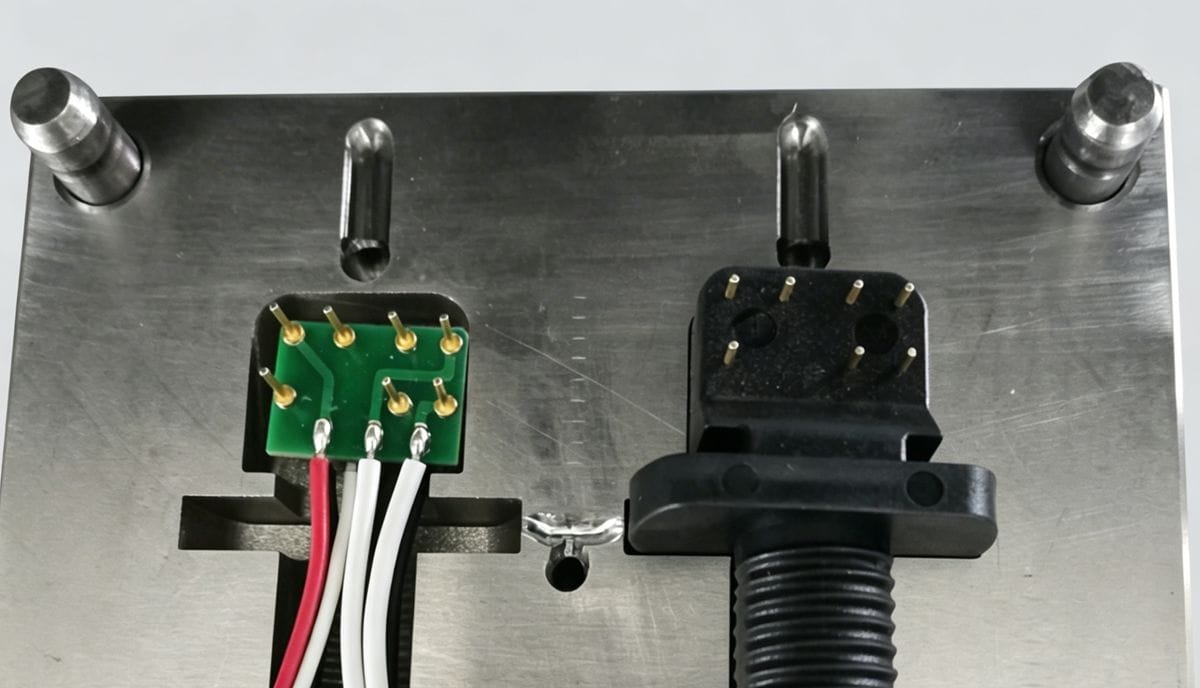
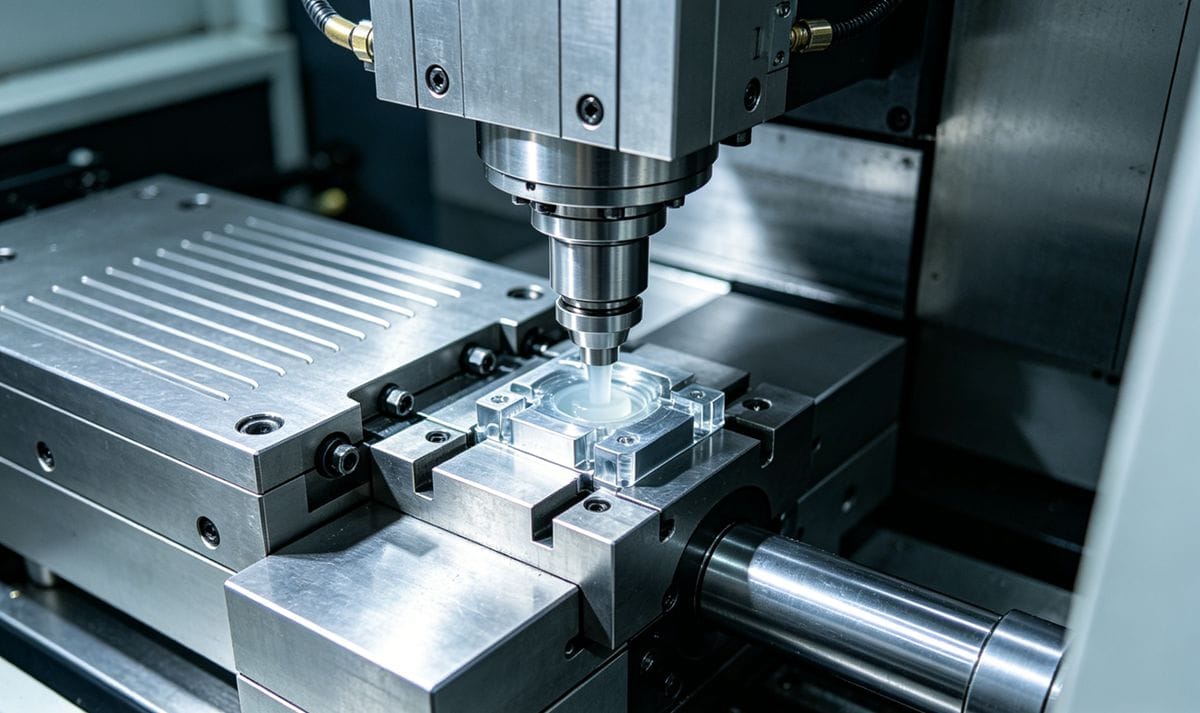
Low Pressure Molding (LPM) is an advanced system encapsulation process that utilizes extremely low injection pressure (1.5 to 40 bar) to inject hot-melt adhesive into a mold. The material then rapidly cures to form a protective seal, typically within just 5 to 50 seconds.
This comprehensive system consists of specialized materials, molds, equipment, and application technology. It has become the industry standard for protecting precision and sensitive electronic components.
Common Applications: Printed Circuit Boards (PCBs), automotive electronics, mobile phone batteries, wire harnesses, waterproof connectors, sensors, micro-switches, inductors, antennas, and cable assemblies.
Why Choose Low Pressure Molding? Key Advantages
Compared to traditional potting methods, LPM offers significant improvements in product performance, production efficiency, and overall cost management.
Enhanced Product Performance & Protection
LPM provides superior protection for delicate electronics without causing damage.
- Superior Sealing: Offers excellent waterproofing, sealing, insulation, flame retardancy, and resistance to extreme high/low temperatures.
- Zero Damage: The extremely low injection pressure ensures that sensitive components are not damaged during the process, resulting in an exceptionally low defect rate.
Drastically Improved Production Efficiency
One of the biggest bottlenecks in traditional manufacturing is curing time. LPM solves this effectively.
- Rapid Prototyping: Molds can be made from cast aluminum, which is easy to design and manufacture. This significantly shortens the product development cycle.
- Lightning-Fast Curing: The curing cycle is reduced from approximately 24 hours (in traditional processes) to just 5–50 seconds.
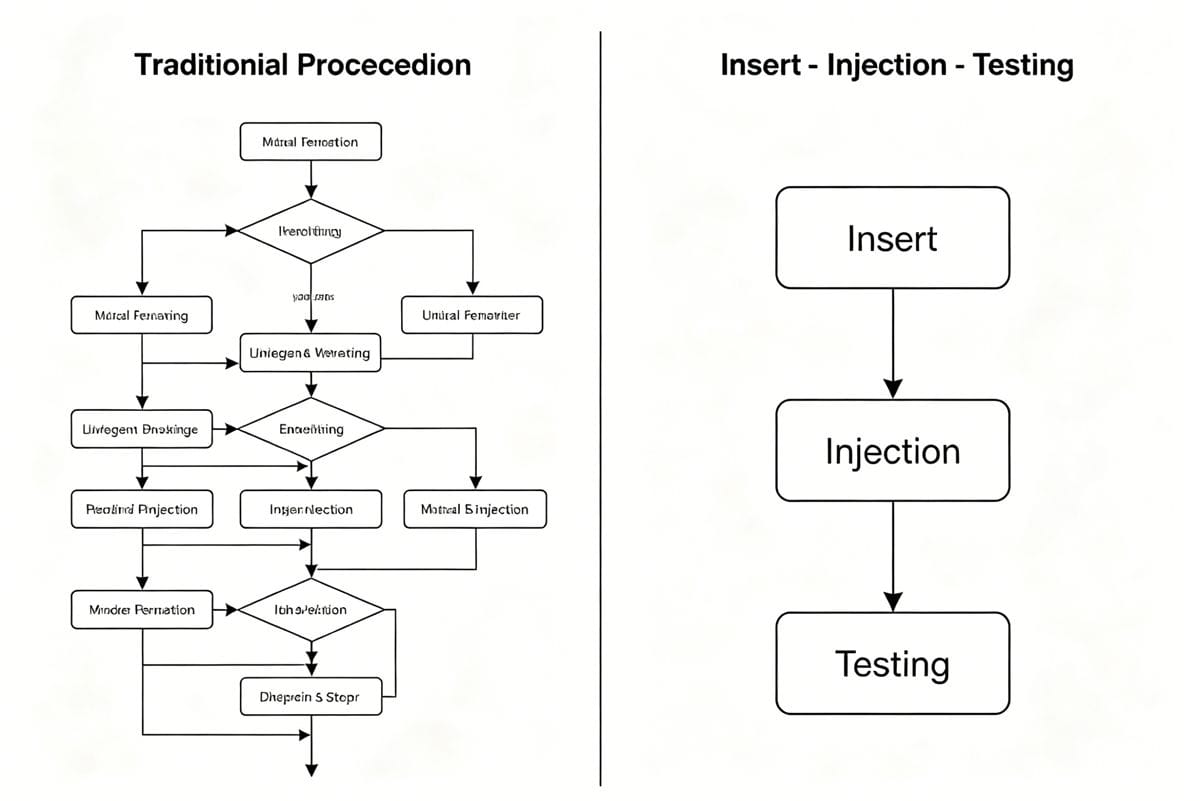
Comparison: Traditional Potting vs. Low Pressure Molding
| 特徴 | Traditional Potting Process | Low Pressure Molding (LPM) |
|---|---|---|
| Process Steps | Housing + Gasket + Insert + Preheat + Prime + Vacuum + Cure + Test | Insert Part -> Inject -> Test |
| Curing Time | ~24 Hours (often requires ovens) | 5 - 50 Seconds |
| Mold Type | Complex assembly often required | Simple Aluminum Mold |
Significant Reduction in Total Production Costs
Adopting LPM isn't just about speed; it directly impacts your bottom line.
- Material Savings: Significantly reduces the volume of encapsulation material required.
- Energy Efficiency: No oven is required for curing, saving substantial energy costs.
- Lower Tooling Costs: Utilizes cost-effective aluminum molds instead of expensive steel molds.
- Simplified Assembly: Eliminates the need for separate potting housings and water-cooling systems.
- Reduced Waste: The low-pressure and low-temperature nature of the process minimizes scrap and defective parts.
- Space & Labor Savings: Removes the need for large drying racks, warehouse space for curing parts, and the associated labor for handling semi-finished goods.
Summary
Low Pressure Molding is more than just a manufacturing step; it is a strategic upgrade for electronics manufacturing. By switching to LPM, manufacturers can achieve better protection for their products while simultaneously cutting costs and lead times.

 English
 French
 Dutch
Dutch German
 Japanese
 Korean