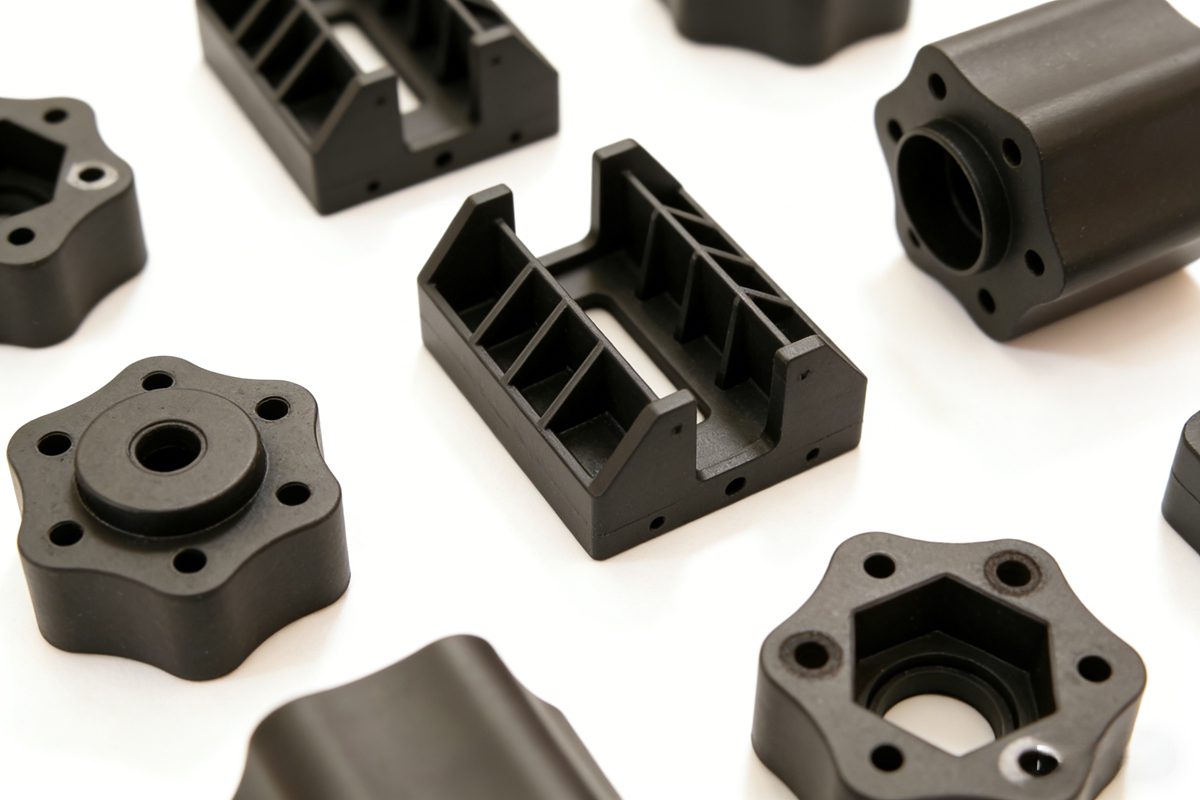
Professional PBT injection molding in modern manufacturing facility
Introduction to PBT Injection Molding
Polybutylene Terephthalate (PBT) is a high-performance thermoplastic widely used in automotive, electrical, and consumer goods industries. Understanding the precise PBT injection molding process conditions1 is crucial for manufacturing quality parts with optimal mechanical properties and dimensional stability. This comprehensive guide covers essential parameters every engineer should know.
Key PBT Material Characteristics for Molding
Before diving into process parameters, understand these critical PBT properties that affect molding:
- Low moisture absorption but highly sensitive to moisture at elevated temperatures, requiring thorough drying to prevent molecular degradation
- Excellent melt flow enabling thin-wall and complex shape production, but requires careful control to avoid flash and nozzle drooling
- Sharp melting point with sudden viscosity drop above melting temperature
- Narrow processing window with rapid crystallization during cooling
- Significant shrinkage rates with notable directional differences
- High sensitivity to notches and sharp corners causing stress concentration
- Elongation up to 200% for pure PBT (reduced significantly with glass fiber reinforcement)
Critical PBT Injection Molding Parameters
1. Barrel Temperature Control
Proper barrel temperature is fundamental to successful PBT molding:
| Material Type | Barrel Temperature Range | Nozzle Temperature |
|---|---|---|
| Standard PBT | 240~280°C | 5~10°C below front barrel zone |
| Glass-Fiber Reinforced PBT2 | 230~260°C | 5~10°C below front barrel zone |
Temperature Effects:
- Too low: Poor plasticization causing short shots, sink marks, uneven shrinkage, and dull surface finish
- Too high: Severe nozzle drooling, flash formation, darkening color, and material degradation
2. Mold Temperature Settings
Mold temperature directly impacts:
- Dimensional stability
- Warpage deformation
- Cycle time
- Crystallinity degree
Recommended Mold Temperatures:
- Standard PBT: 40~60°C (crystallizes rapidly even at room temperature)
- Glass-Fiber Reinforced PBT: 60~80°C (slightly higher for optimal properties)
3. Injection Pressure Guidelines
PBT's low melt viscosity allows moderate injection pressures:
| Material Type | Pressure Range | Maximum Limit |
|---|---|---|
| Standard PBT | 60~90 MPa | 100 MPa |
| Glass-Fiber Reinforced PBT | 80~100 MPa | 100 MPa |
Pressure Considerations:
- Increase pressure with part thickness
- Never exceed 100 MPa to avoid ejection difficulties
- Higher pressures needed for glass-filled compounds
Advanced Molding Design Considerations
Runner System Optimization
- Prefer short, thick runners with circular cross-sections for best results
- Standard runners work for both modified and unmodified PBT
- Hot runner systems essential for glass-fiber reinforced PBT
Gate Design Best Practices
- Point gates and submarine gates preferred due to high shear effects reducing apparent viscosity
- Larger gate diameters recommended
- Position gates directly opposite core cavities to prevent jetting and minimize flow compensation issues
- Improper gate placement causes surface defects and performance degradation
Part Design Recommendations
- Avoid sharp corners and notches (use generous radii, especially internal corners)
- Account for significant shrinkage differences in various directions
- Pure PBT allows forced ejection for parts with minor undercuts (not possible with reinforced grades)
Quality Control Tips for PBT Molding
- Always dry PBT resin before processing despite low moisture absorption
- Monitor for nozzle drooling and adjust temperatures accordingly
- Implement rapid injection speeds to leverage PBT's fast crystallization
- Conduct first-article inspections focusing on warpage and dimensional stability
- Maintain consistent cycle times to ensure uniform crystallinity
Conclusion
Mastering PBT injection molding process conditions1 requires precise control of temperature, pressure, and mold design parameters. By following these guidelines, manufacturers can produce high-quality PBT components with excellent mechanical properties, dimensional stability, and surface finish. Remember that glass-fiber reinforced grades require adjusted parameters compared to standard PBT.
For more technical resources on engineering plastics and injection molding processes, subscribe to our blog or contact our manufacturing experts.
-