

Why Do Outdoor CCTV Housings Crack in Freezing Temperatures? A Complete Failure Analysis
If you are manufacturing or sourcing outdoor security cameras, few things are more frustrating than receiving complaints about cracked housings in the middle of winter. Low-temperature brittleness is a common but preventable failure mode in spuitgieten .
In this guide, we will break down the root causes of cold-weather cracking, how to verify materials before production, and the essential contract clauses you need to avoid liability disputes.
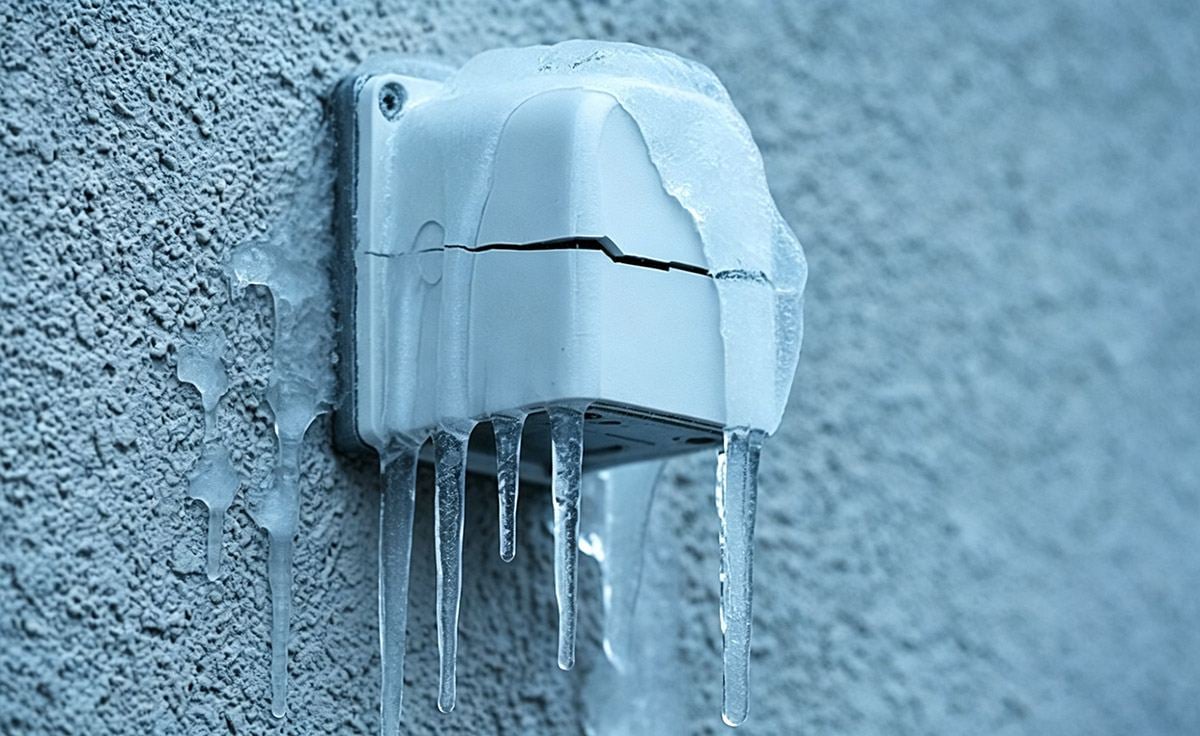
Top 3 Causes of Low-Temperature Cracking
Why does an injection-molded part survive the summer but shatter in the winter? The culprits usually fall into three categories: Material, Process, and Design.
1. Material Limitations
The most common cause is simply using the wrong plastic. Standard ABS has poor low-temperature resistance and becomes brittle when the temperature drops.
- The Fix: Switch to PC/ABS alloys or use modified materials with added toughening agents (elastomers).
- Verification: Always require third-party certification reports for low-temperature performance (e.g., cold resistance at -20°C) from your supplier.
Pro Tip: Don't just trust the datasheet. Verify the Glass Transition Temperature ($T_g$). If the $T_g$ is too high, the material lacks the necessary toughness for cold climates.
2. Injection Molding Process Issues
Even the best material can fail if processed incorrectly. Improper control of temperature, pressure, packing, and cooling can leave high residual stress inside the part.
- Mold Cooling: Poorly designed cooling channels lead to uneven shrinkage.
- Process Control: Lack of transparency from the factory regarding machine parameters often leads to inconsistent batches that fail under thermal stress.
3. Design Flaws
Physics plays a major role. Sharp corners and uneven wall thicknesses create stress concentration points.
- The Risk: Areas where walls transition abruptly or sharp inner corners act as crack initiation sites.
- Post-Processing: Failing to perform proper annealing (stress relief) after molding significantly increases the risk of cracking.
How to Verify Material Performance Before Production
Don't wait until mass production to find out the material is too brittle. Follow this checklist during the pre-production phase:
| Verification Step | Action Item |
|---|---|
| Review Documentation | Request the TDS (Technical Data Sheet) and third-party low-temp reports. Confirm the exact Brand and Grade. |
| Pre-Mold Sampling | Create small samples to verify physical properties match the TDS claims. |
| Critical Testing | Perform DSC analysis to measure $T_g$. Conduct low-temp impact tests. |
| Reference Standards | Use international standards like ASTM D746, GB/T 5470, ISO 179-1, of IEC 60068-2-1. |
| Legal Protection | Seal samples ("Golden Samples") and write specific metrics into the supply agreement. |
Testing Methods for Outdoor Enclosures
When testing finished outdoor camera housings, you are looking for three things: brittleness, cracking, and dimensional stability. Here are the industry-standard methods:
1. Low-Temperature Impact Test
Referencing ASTM D256 (Izod Impact), this assesses the risk of brittle fracture. Note that standard testing measures impact strength at room temperature; for outdoor gear, you must configure a cold chamber to test at sub-zero temperatures.
2. Thermal Shock & Environmental Testing
Using GB/T 2423.1 or similar standards, place the housing in a thermal shock chamber. This simulates rapid temperature changes to check for cracking or warping.
3. Tensile & Flexural Testing
Standards like ISO 527-2 en ASTM D638 help you analyze changes in tensile strength and elongation at break under cold conditions.
4. Simple DIY Check (Preliminary Only)
For a quick internal check, you can simulate -30°C environments using dry ice and alcohol. Manually bend or impact the part to see if it snaps. Note: This is not a substitute for certified lab testing.
Essential Contract Clauses for Custom Molding
To protect your business from defective batches, your manufacturing contract must be specific. Avoid vague terms like "good quality."
- Define Low-Temp Limits: Explicitly state the minimum operating temperature (e.g., -30°C or -40°C) and the specific test method for acceptance.
- Sealed Samples: Both parties must sign and seal a "Golden Sample." This serves as the baseline for all future shipments and dispute resolutions.
- Material Specifications: List the exact material grade and certification numbers. Include a clause stating that no material substitutions (including recycled content) are allowed without written consent.
- Trial & Maintenance: Define who pays for mold trials and repairs. Clearly state the conditions under which the supplier must fix the mold for free.
- Liability & Compensation: If cracking occurs due to mold design or processing errors, the supplier should bear the cost of scrap and rework.
How to Determine Liability in Quality Disputes
If you face a batch of cracked products, don't panic. Establish the chain of evidence logically:
- Check the Agreement: Did the technical protocol specify the lowest temperature and testing standard?
- Investigate the Material: Did the supplier use the agreed brand/grade? Ask for their internal validation reports. If they swapped materials or added regrind secretly, the liability lies with them.
- Audit Mold & Process: Follow the "Mold first, Process second" rule. Is it a design defect (mold responsibility) or a parameter issue (injection responsibility)?
- Third-Party Lab: Finally, send samples to an independent lab. Use their report to negotiate compensation, rework, or replacement.
Frequently Asked Questions (FAQ)
Q: Can I use standard ABS for outdoor cameras in cold climates? A: Generally, no. Standard ABS becomes brittle below 0°C. For outdoor applications in freezing regions, PC/ABS blends or UV-stabilized Polycarbonate are recommended.
Q: What is the standard test for plastic brittleness? A: The most common standards are ASTM D746 (Brittleness Temperature) and ISO 179 (Charpy Impact).
Q: How do I reduce residual stress in injection molded parts? A: Optimizing holding pressure, increasing mold temperature, and performing post-mold annealing are effective ways to reduce internal stress.



 English
 French
 Dutch
Dutch German
 Japanese
 Korean