

Why Do Plastic Colored Products Fade? A Deep Dive into Color Stability
Have you ever wondered why some plastic products lose their vibrant color over time while others stay bright for years? The fading of plastic coloring products is a complex issue influenced by multiple factors.
Generally, the colorfastness of a plastic product depends on the lightfastness, antioxidant properties, heat resistance, and acid/alkali resistance of the colorants, as well as the characteristics of the resin used.
Below is a detailed analysis of the four primary factors causing plastic coloring to fade.
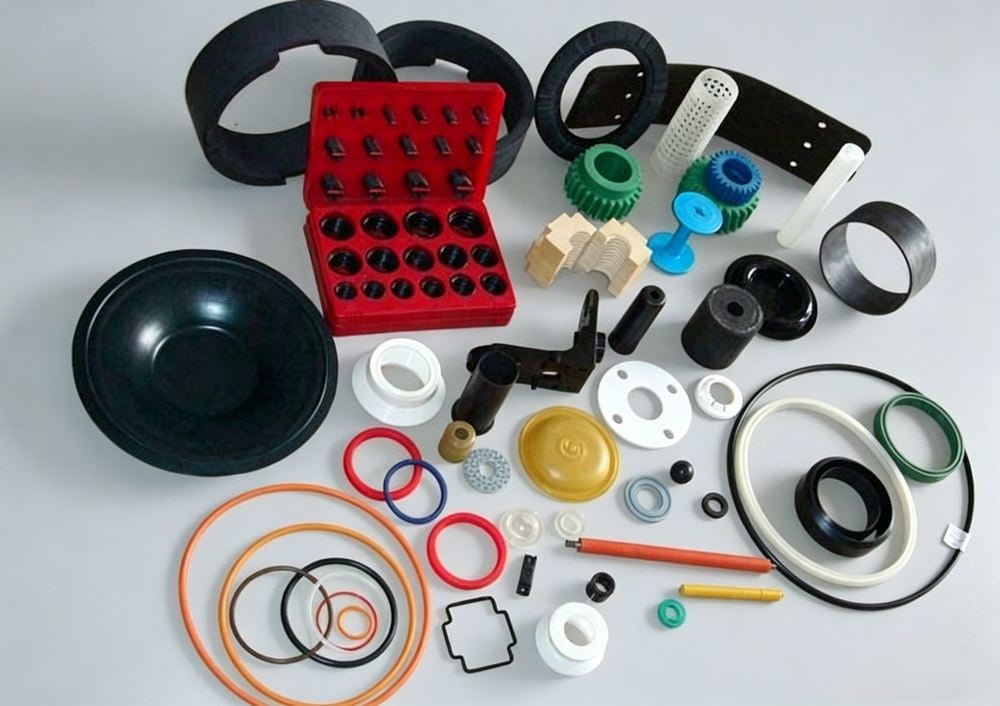
1. Lightfastness of Colorants
The lightfastness of a colorant directly dictates the longevity of a product's color. This is especially critical for outdoor products exposed to strong light.
- The Problem: If the lightfastness rating is poor, the product will fade quickly during use. Ultraviolet (UV) rays can also trigger changes in the molecular structure of the carrier resin, leading to fading.
- The Solution: Adding UV absorbers and other light stabilizers to the masterbatch can significantly improve the lightfastness of both the colorant and the plastic product.
Recommended Lightfastness Ratings:
| Application Environment | Recommended Lightfastness Rating | Notes |
|---|---|---|
| Outdoor / Weather-resistant | Level 7 - 8 | Ideally Level 7 or 8; minimum Level 6. |
| Indoor Use | Level 4 - 5 | Sufficient for environments without direct sunlight. |
💡 Pro Tip: Always check the lightfastness等级 (rating) of your pigment. For outdoor durability, never compromise on a Level 6 minimum.
2. Heat Resistance
Heat stability refers to the degree to which a pigment loses weight, changes color, or fades at processing temperatures.
- Inorganic Pigments: Composed of metal oxides and salts, these generally possess excellent thermal stability.
- Organic Pigments: These are more sensitive. At specific temperatures, their molecular structures can change or decompose.
This is particularly crucial for engineering plastics like PP (Polypropylene), PA (Nylon), and PET, which have processing temperatures exceeding 280°C. When selecting colorants for these resins, you must consider both the temperature limit and the residence time (typically 4–10 minutes).
3. Antioxidant Properties
Oxidation is a silent killer of color vibrancy. Certain organic pigments fade gradually after undergoing macromolecular degradation due to oxidation.
This process occurs in two main ways:
- High-temperature oxidation during the processing phase.
- Chemical oxidation when encountering strong oxidizing agents (e.g., chromate radicals in Chrome Yellow).
⚠️ Common Compatibility Issue: Mixing lake pigments or azo pigments with Chrome Yellow can cause the red color to diminish over time due to oxidation reactions.
4. Acid and Alkali Resistance
The fading of colored plastic products is also closely related to the chemical resistance of the colorant (specifically acid/alkali resistance and oxidation-reduction resistance).
- Molybdate Red: Resistant to dilute acids but sensitive to alkalis.
- Cadmium Yellow: Not acid-resistant.
- Phenolic Resins: These can exert a strong reducing effect on certain colorants, severely impacting heat resistance and weatherability, leading to fading.
📊 Summary: Factors Affecting Plastic Colorfastness
| Factor | Primary Cause of Fading | Key Consideration |
|---|---|---|
| Lightfastness | UV radiation breaking down molecular bonds. | Use UV stabilizers; choose Level 7+ for outdoors. |
| 耐熱性 | Thermal decomposition during processing. | Check max processing temp vs. pigment stability. |
| Oxidation | Reaction with oxygen or oxidizing agents. | Avoid incompatible pigment mixes (e.g., Azo + Chrome). |
| 耐薬品性 | Reaction to acids, alkalis, or resin additives. | Match pigment chemistry to the polymer matrix. |



 English
 French
 Dutch
Dutch German
 Japanese
 Korean