 한국어



Why Do Plastic Colored Products Fade? A Deep Dive into Color Stability
Have you ever wondered why some plastic products lose their vibrant color over time while others stay bright for years? The fading of plastic coloring products is a complex issue influenced by multiple factors.
Generally, the colorfastness of a plastic product depends on the lightfastness, antioxidant properties, heat resistance, and acid/alkali resistance of the colorants, as well as the characteristics of the resin used.
Below is a detailed analysis of the four primary factors causing plastic coloring to fade.
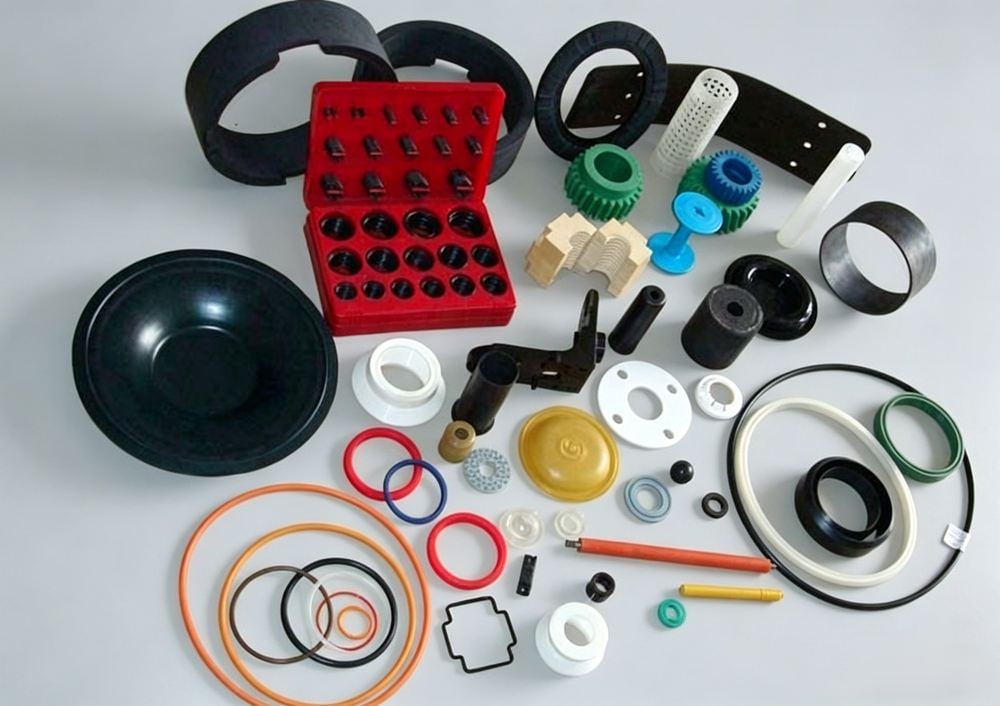
1. Lightfastness of Colorants
The lightfastness of a colorant directly dictates the longevity of a product's color. This is especially critical for outdoor products exposed to strong light.
- 문제: If the lightfastness rating is poor, the product will fade quickly during use. Ultraviolet (UV) rays can also trigger changes in the molecular structure of the carrier resin, leading to fading.
- 해결책: Adding UV absorbers and other light stabilizers to the masterbatch can significantly improve the lightfastness of both the colorant and the plastic product.
Recommended Lightfastness Ratings:
| Application Environment | Recommended Lightfastness Rating | 참고 사항 |
|---|---|---|
| Outdoor / Weather-resistant | Level 7 - 8 | Ideally Level 7 or 8; minimum Level 6. |
| Indoor Use | Level 4 - 5 | Sufficient for environments without direct sunlight. |
> ? Pro Tip: Always check the lightfastness等级 (rating) of your pigment. For outdoor durability, never compromise on a Level 6 minimum.
2. Heat Resistance
Heat stability refers to the degree to which a pigment loses weight, changes color, or fades at processing temperatures.
- Inorganic Pigments: Composed of metal oxides and salts, these generally possess excellent thermal stability.
- Organic Pigments: These are more sensitive. At specific temperatures, their molecular structures can change or decompose.
This is particularly crucial for engineering plastics like PP (Polypropylene), PA (Nylon), and PET, which have processing temperatures exceeding 280°C. When selecting colorants for these resins, you must consider both the temperature limit and the residence time (typically 4–10 minutes).
3. Antioxidant Properties
Oxidation is a silent killer of color vibrancy. Certain organic pigments fade gradually after undergoing macromolecular degradation due to oxidation.
This process occurs in two main ways:
- High-temperature oxidation during the processing phase.
- Chemical oxidation when encountering strong oxidizing agents (e.g., chromate radicals in Chrome Yellow).
⚠️ Common Compatibility Issue: Mixing lake pigments or azo pigments with Chrome Yellow can cause the red color to diminish over time due to oxidation reactions.
4. Acid and Alkali Resistance
The fading of colored plastic products is also closely related to the chemical resistance of the colorant (specifically acid/alkali resistance and oxidation-reduction resistance).
- Molybdate Red: Resistant to dilute acids but sensitive to alkalis.
- Cadmium Yellow: Not acid-resistant.
- Phenolic Resins: These can exert a strong reducing effect on certain colorants, severely impacting heat resistance and weatherability, leading to fading.
? Summary: Factors Affecting Plastic Colorfastness
| 요인 | Primary Cause of Fading | 주요 고려 사항 |
|---|---|---|
| Lightfastness | UV radiation breaking down molecular bonds. | Use UV stabilizers; choose Level 7+ for outdoors. |
| 내열성 | Thermal decomposition during processing. | Check max processing temp vs. pigment stability. |
| Oxidation | Reaction with oxygen or oxidizing agents. | Avoid incompatible pigment mixes (e.g., Azo + Chrome). |
| 내화학성 | Reaction to acids, alkalis, or resin additives. | Match pigment chemistry to the polymer matrix. |
✅ Conclusion
To prevent fading in plastic coloring products, a comprehensive evaluation is required. You must assess the pigments, dyes, surfactants, dispersants, carrier resins, and anti-aging additives based on the specific processing conditions and end-use requirements of the plastic product.
저자 소개

Alex Yu
아이디얼 프로 매뉴팩처링
알렉스는 Ideal Pro의 공동 창립자이지만, 주요 프로젝트를 총괄하거나 기술 팀을 이끌지 않을 때는 장거리 자전거 타기를 즐기거나, 동네에서 가장 맛있는 커피를 찾아다니거나, 다음 여행 계획을 세우는 모습을 볼 수 있습니다. 국제 무역 영업과 프로젝트 관리 분야에서 20년 이상의 경력을 쌓아온 그는 촉박한 마감 기한부터 까다로운 엔지니어링 문제까지, 그 사이의 모든 상황을 다 겪어보았습니다. 그는 훌륭한 성과는 충분한 휴식을 취한 마음과 맛있는 커피에서 나온다고 믿으며, 맡은 모든 프로젝트에 그와 같은 호기심과 세심한 주의를 기울입니다. 사무실에 있지 않을 때는 대개 야외 어딘가에서 새로운 장소를 탐험하며, 나중에 나눌 이야기를 수집하곤 합니다.

 English
 French
 Dutch
 German
 Japanese
 Korean