 日本語



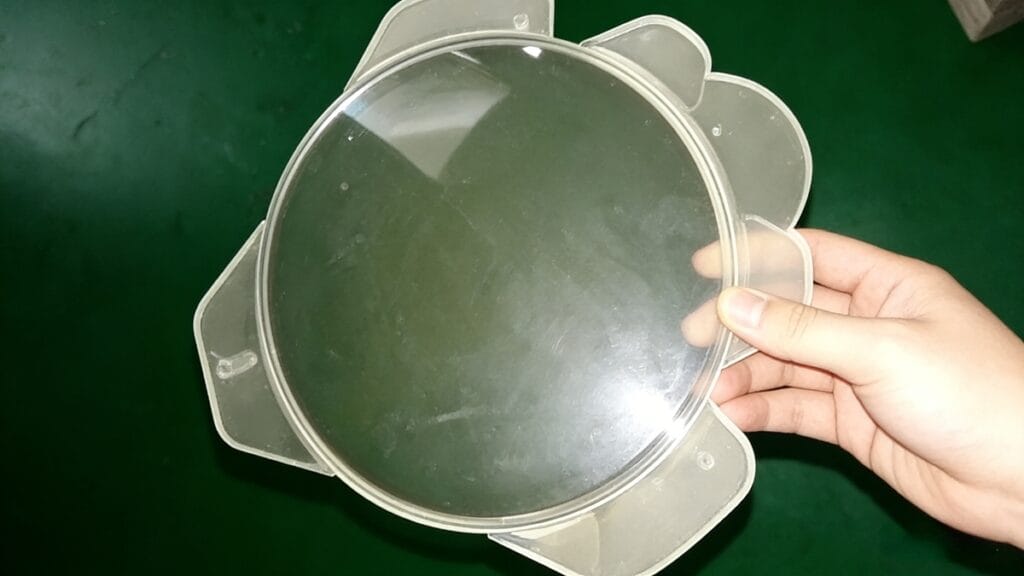
Bubbles commonly appear at the final weld line (joint) of plastic parts or in thicker sections of the product. During molding, the outer surface of the part cools first. Once the surface has solidified, the inner core remains molten. As the core subsequently cools and shrinks, the already-solidified outer layer prevents outward contraction—resulting in internal voids or bubbles.
Notably, many thick-walled parts may appear bubble-free upon ejection from the mold, yet develop internal bubbles within tens of seconds afterward—especially in the central region.
Bubble defects can manifest in various forms, each with distinct causes. Below is a detailed breakdown:
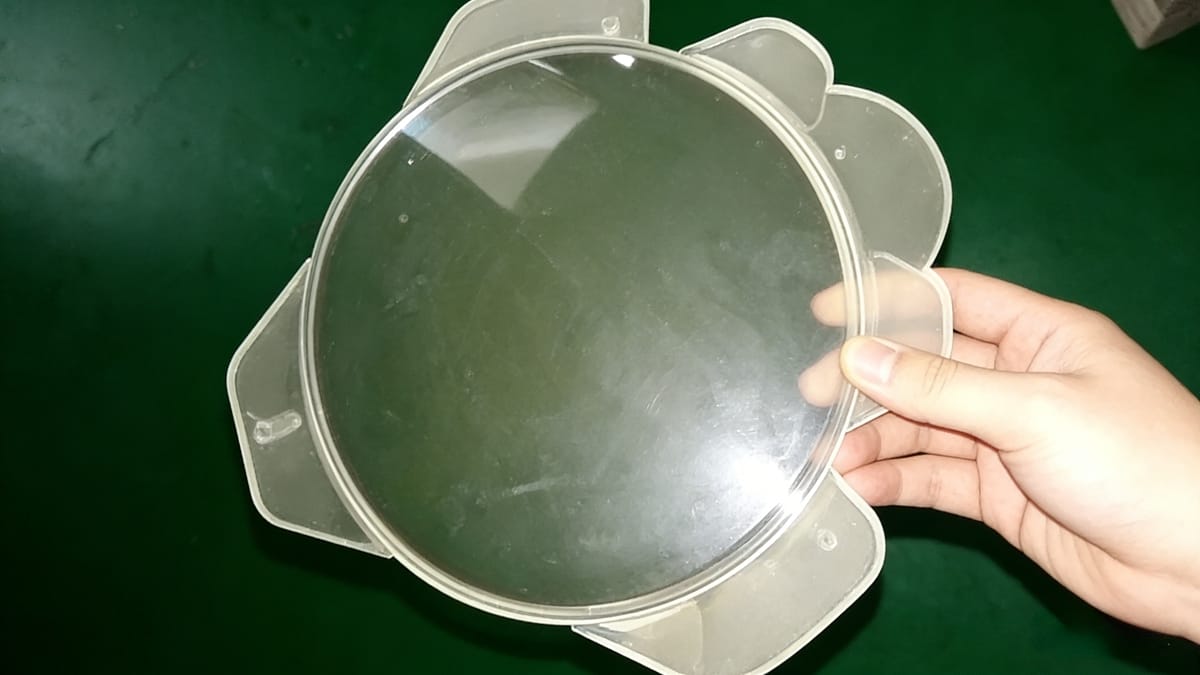
Q: Thick parts exhibit surface swelling (bulging), and cross-sections reveal internal bubbles. Possible causes include:
- Excessive injection speed, which traps air inside the cavity before it can be vented, leading to bubble formation.
- Incorrect shot volume (either too much or too little) or excessively high injection pressure, both of which can induce such defects; adjusting the shot volume often resolves the issue.
- Insufficient cooling time, particularly critical for thick-walled parts. A practical remedy is external cooling using cold water or a cold mold after ejection.
- Thermal degradation (black streaks), caused by excessive barrel or melt temperatures. If minor, lowering the temperature may suffice; if severe decomposition occurs throughout the barrel, disassembly and cleaning are required.
- Small gate size and poor mold venting, which hinder air escape and promote bubble formation.
Q: Solid parts contain dark-colored voids (cavities)
In solid-part molding, low injection pressure[^1] そして slow injection speed are essential. High pressure combined with fast injection causes entrapped air to compress, heat up through friction, and carbonize—resulting in blackened cavities trapped within the part.
To resolve this:
- Reduce injection pressure and speed.
- Verify and adjust shot volume—if excessive, reducing it helps eliminate voids.
Q: Small bubbles in thicker sections, or large black bubbles in exceptionally thick areas
When multiple parts of varying geometries are molded simultaneously, ensure that gate sizes[^2] are proportionally matched to part weight/volume. Otherwise, thicker parts are prone to bubble formation.
Also note:
- Parts that remain on the cavity side (front mold) during ejection tend to have poorer venting, increasing the risk of such defects.
Solutions:
- Modify the mold design (e.g., improve venting, optimize gate location/size).
- Increase packing (hold) time and/or cooling time to compensate for insufficient pressure in thick sections.
- Most importantly, during product design, avoid excessively thick sections whenever possible—uniform wall thickness[^3] significantly reduces bubble-related defects.
[^1]: This knowledge can help in achieving better quality and reducing defects in molded parts. [^2]: Understanding gate sizes can lead to better mold design and fewer defects. [^3]: This principle is key to minimizing defects and ensuring product durability.
著者について

アレックス・ユー
アイデアル・プロ・マニュファクチャリング
アレックスはIdeal Proの共同創業者ですが、重要なプロジェクトの監督や技術チームの指揮をとっていないときは、長距離サイクリングを楽しんだり、街で一番おいしいコーヒーを探し回ったり、次の旅の計画を立てたりしている姿を見かけるでしょう。 国際貿易の営業やプロジェクト管理に20年以上の経験を持つ彼は、厳しい納期や厄介な技術的課題など、ありとあらゆる状況を経験してきました。彼は、素晴らしい仕事は十分な休息と一杯の美味しいコーヒーから生まれると信じており、その好奇心と細部へのこだわりを、手掛けるすべてのプロジェクトに注ぎ込んでいます。 オフィスにいないときは、たいてい屋外で、新しい場所を探索したり、皆と共有できるエピソードを集めたりしています。.




 English
 French
 Dutch
 German
 Japanese
 Korean