

Aluminum injection molding can be confusing. But understanding it can help you make better decisions for your projects.
This guide dives into aluminum injection molding , comparing Metal Injection Molding (MIM) and die casting, helping you choose the right process for your needs.
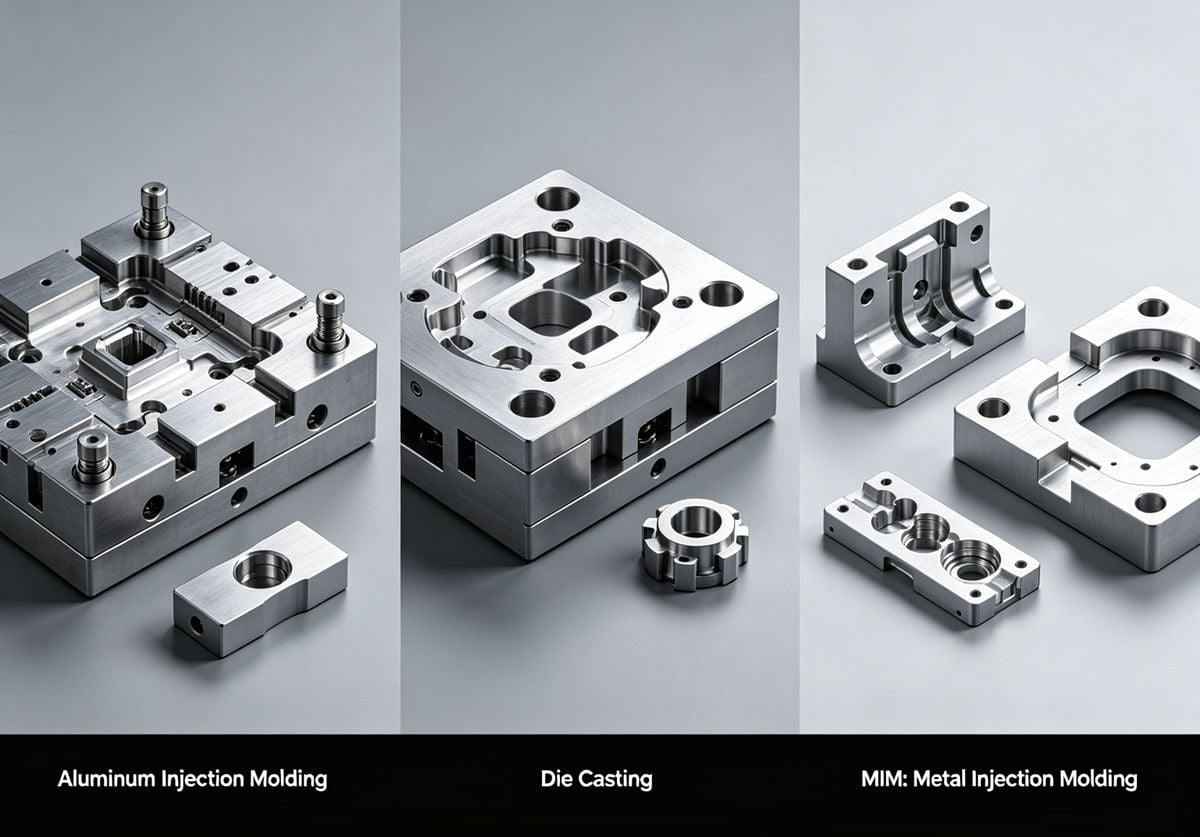
When considering aluminum 射出成形 , many questions arise. Which process will yield the best results? And how can you make sure your project is successful? This guide will answer these questions and more.
What is Aluminum Injection Molding? Clarifying the Concepts?
Aluminum injection molding is a process that allows for the creation of complex shapes using aluminum.
It involves injecting molten aluminum into a mold under pressure. This method is efficient and can produce high-quality parts with excellent detail.
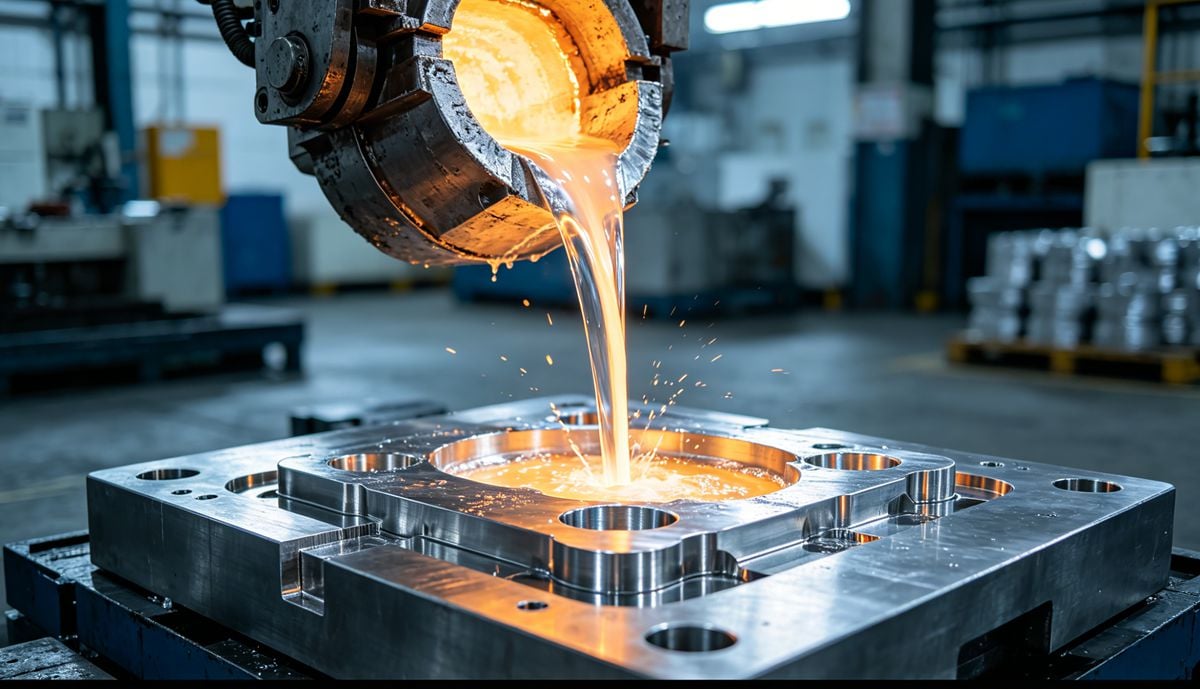
In this process, aluminum is heated until it becomes liquid and then injected into a mold. This method is favored for its precision and ability to produce intricate designs. It’s important to understand these basics to appreciate the advantages and challenges that come with aluminum injection molding.
The Aluminum MIM Process: From Feedstock to High-Precision Parts
Metal Injection Molding (MIM) is a unique technique that combines powder metallurgy and plastic injection molding. In MIM, metal powders are mixed with a binder to create a feedstock. This feedstock is then heated, injected into a mold, and allowed to cool. The parts produced are dense, strong, and precise.
The process begins with the selection of metal powders. For aluminum MIM, the right choice of powders affects the final properties of the part. After mixing, the feedstock is injected into a mold under high pressure.
The stages of the aluminum MIM process can be summarized as follows:
| Stage | Description |
|---|---|
| Feedstock Preparation | Mixing metal powders with a binder |
| 注射 | Injecting the feedstock into a mold |
| Debinding | Removing the binder to leave a solid metal part |
| Sintering | Heating the part to bond the metal particles together |
MIM offers excellent repeatability and can produce complex geometries that would be difficult or expensive to achieve with traditional machining methods.
Advantages of Aluminum Die Casting for Large-Scale Manufacturing
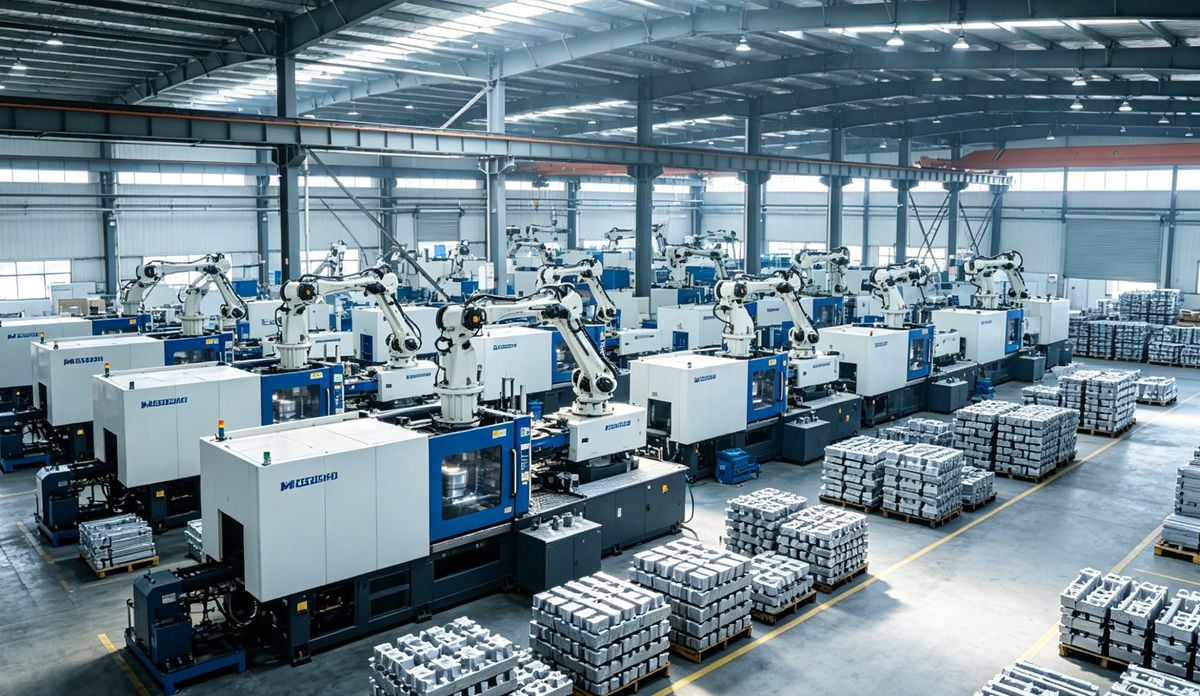
When it comes to large-scale manufacturing, aluminum die casting offers several significant advantages. This process is known for its efficiency and speed.
Die casting allows for the production of thousands of parts in a short timeframe. The molds can withstand high pressure, enabling the production of intricate designs with minimal waste.
The benefits of aluminum die casting include:
- High production rates: Ideal for mass production.
- Cost-effective: Reduces material waste and lowers production costs.
- Excellent surface finish: Parts require less machining.
- Strong and lightweight parts: Perfect for applications needing durability.
These advantages make aluminum die casting a popular choice for many industries, especially when large quantities are needed.
Key Design Guidelines for Aluminum Injected Parts
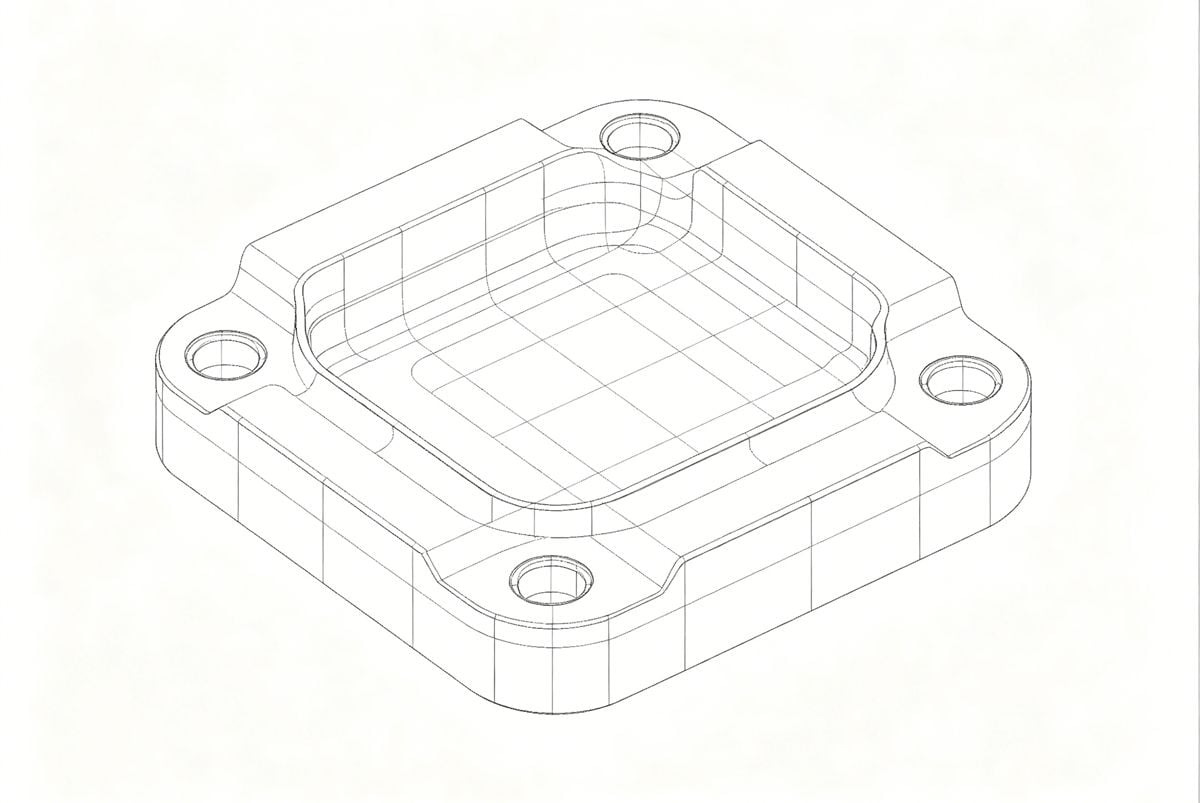
Designing parts for aluminum injection molding requires careful consideration. There are several guidelines to follow to ensure optimal results.
- Wall Thickness: Keep walls uniform and avoid variations to prevent stress concentrations.
- Draft Angles: Incorporate draft angles to facilitate easier removal from the mold.
- Fillets: Use fillets instead of sharp corners to enhance flow and reduce stress.
- Ribs and Bosses: Include ribs to improve strength without adding significant weight.
By following these guidelines, you can enhance the manufacturability of your design and reduce the likelihood of defects.
Common Challenges and Solutions in Aluminum MIM
While aluminum MIM has many advantages, it also presents challenges. Understanding these can help you navigate potential pitfalls.
Some common challenges include:
- Powder Handling: Proper storage and handling of metal powders is essential to prevent contamination and ensure consistency.
- Binder Removal: The debinding process needs to be carefully controlled to avoid defects.
- Sintering Issues: Temperature and time management during sintering are crucial for achieving desired densities.
To address these challenges, close monitoring and control of each process stage are vital. Implementing quality checks throughout the production can also minimize risks.
Applications: Where Aluminum Injection Molding Shines
Aluminum injection molding finds applications in various industries. Its versatility makes it suitable for many products.
Common applications include:
- Automotive: Components like brackets and housings.
- Electronics: Cases and heat sinks.
- Medical: Surgical instruments and devices.
- Aerospace: Lightweight structural components.
The ability to produce complex shapes with high precision is what sets aluminum injection molding apart. This capability is essential for industries where performance and reliability are paramount.
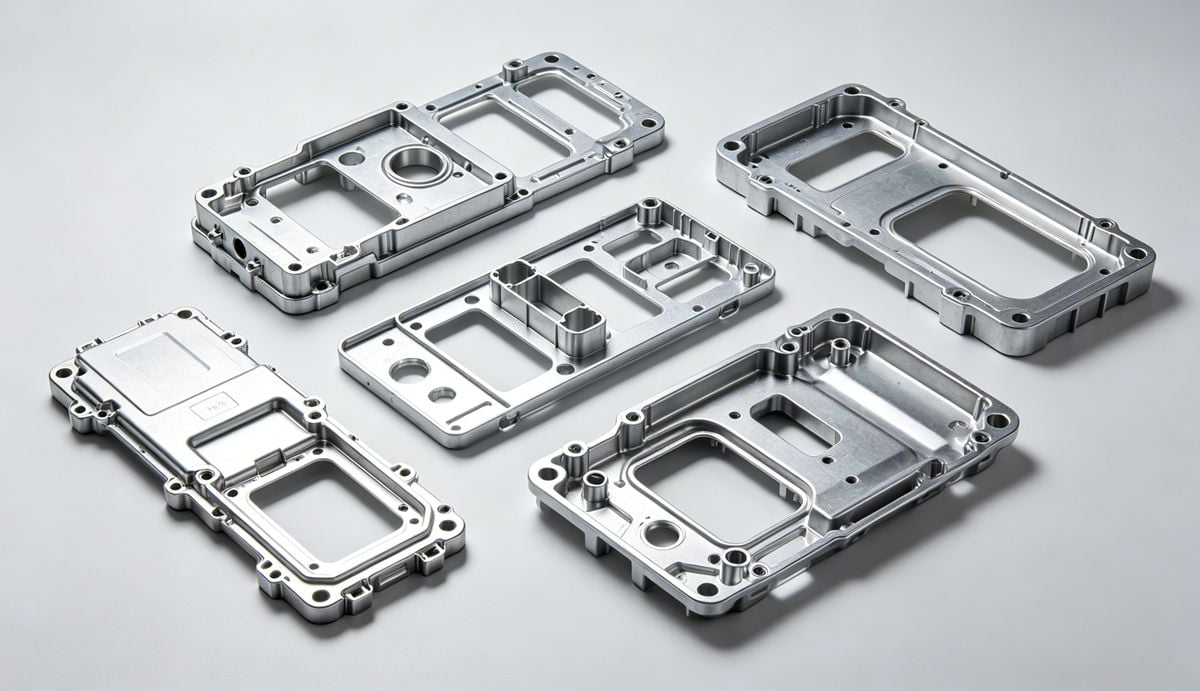
Why Choose Ideal Pro for Custom Aluminum Molding Services?
At Ideal Pro, we specialize in providing end-to-end custom aluminum molding solutions. Our mission is to deliver sustainable solutions with enduring excellence.
We understand the importance of quality and speed in production. Our team is dedicated to ensuring that your projects are completed to the highest standards, on time and within budget.
We offer:
- Expertise: Years of experience in the injection molding industry.
- Advanced Technology: Utilization of state-of-the-art equipment for high-quality results.
- Customer Focus: We work closely with you to understand your needs and deliver tailored solutions.
By choosing Ideal Pro, you gain a partner committed to your success.
結論
Aluminum injection molding offers numerous benefits, and understanding MIM and die casting helps you choose the right solution for your project.


 English
 French
 Dutch
Dutch German
 Japanese
 Korean