

Injection molding is a vital process in manufacturing, but do you truly understand its components?
Injection mold components are essential elements that ensure precision and efficiency in the molding process. Understanding these components helps you appreciate their importance.
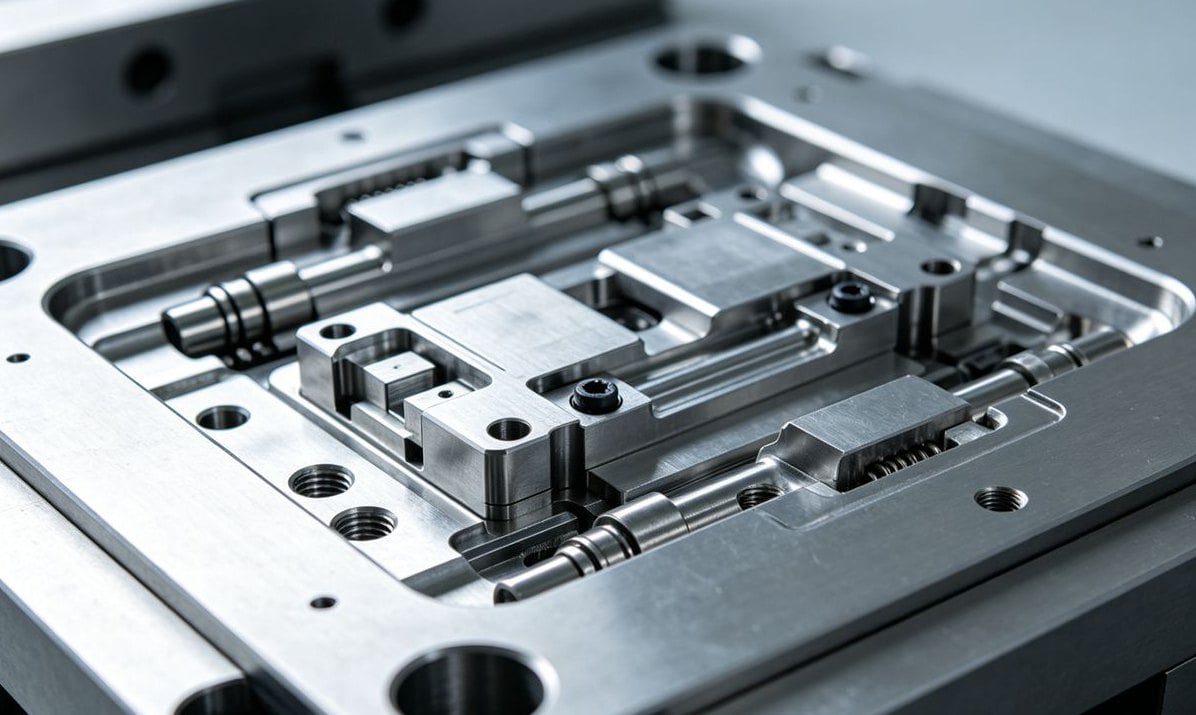
Understanding injection mold components is crucial. They are the building blocks for creating high-quality products. When these components work correctly, they lead to better production efficiency. But when they fail, costs and time can skyrocket. Let’s explore the different aspects of injection mold components.
What Are Injection Mold Components? The Backbone of Precision Molding?
Injection mold components form the foundation of the injection molding process. They include various parts that work together seamlessly to produce high-quality plastic products. Each component has a specific role, contributing to the overall efficiency of the molding process.
Injection mold components include the mold base, cores, cavities, and ejection systems. Each part plays a vital role in ensuring the final product meets the required specifications.
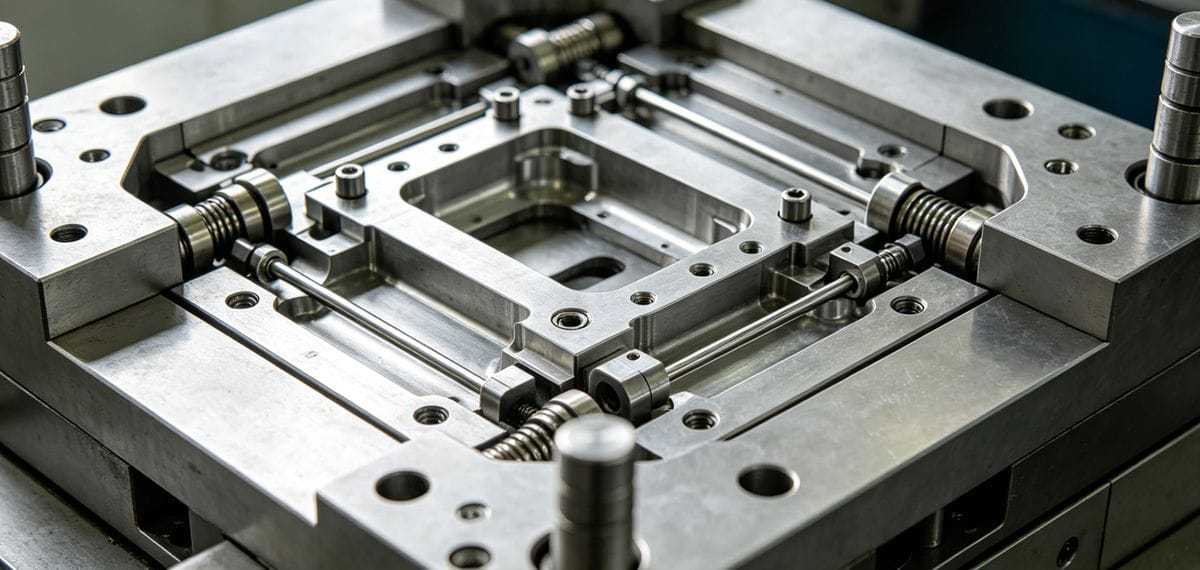
The various components of injection molds are designed to fit together perfectly. This precision is necessary for efficient production. If one part fails, it can lead to defects in the final product. Understanding these components helps in identifying potential issues and ensuring better production quality.
Anatomy of an Injection Mold: Core Systems & Structural Elements?
The anatomy of an injection mold is complex. Various core systems and structural elements work together to ensure the final product is of high quality.
Key components include the mold base, core, cavity, and ejection system. Each element has a distinct purpose and is engineered for specific functionalities.
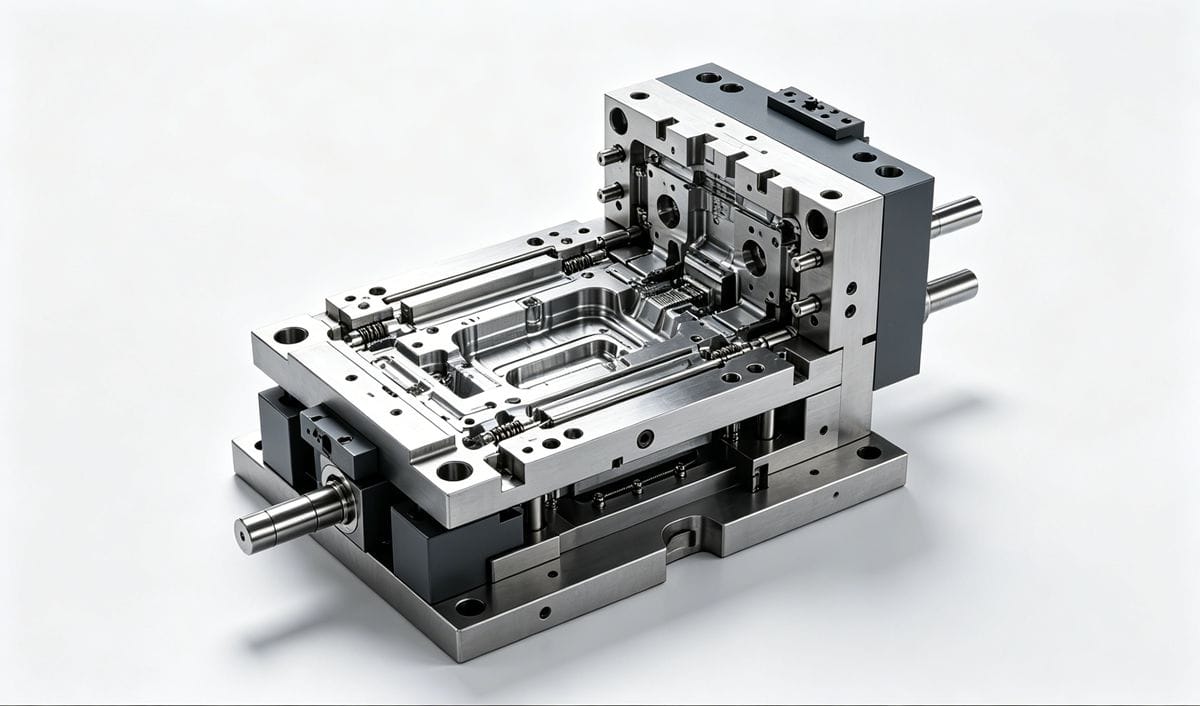
The mold base provides the foundation for the mold. It holds everything in place and ensures that the components align correctly. The core and cavity are where the actual product shape is formed. They work together to create the desired design. Finally, the ejection system helps remove the finished product from the mold without damaging it. Understanding these elements is crucial for anyone involved in the injection molding process.
Core Systems
The core systems are designed to create the internal features of the molded part. These may include holes, grooves, or other complex shapes. The design of these systems affects the mold's performance and the quality of the final product.
Structural Elements
Structural elements ensure the mold can withstand the pressures and temperatures during the injection process. Durable materials and precise engineering are key to achieving optimal performance.
Key Component Deep Dive: Functions, Materials, and Design Tolerances?
Delving deeper, we explore the functions of key components, the materials used, and the design tolerances involved.
Components like cores and cavities are often made from high-quality steel for durability. Their design tolerances must be precise to ensure high-quality products.
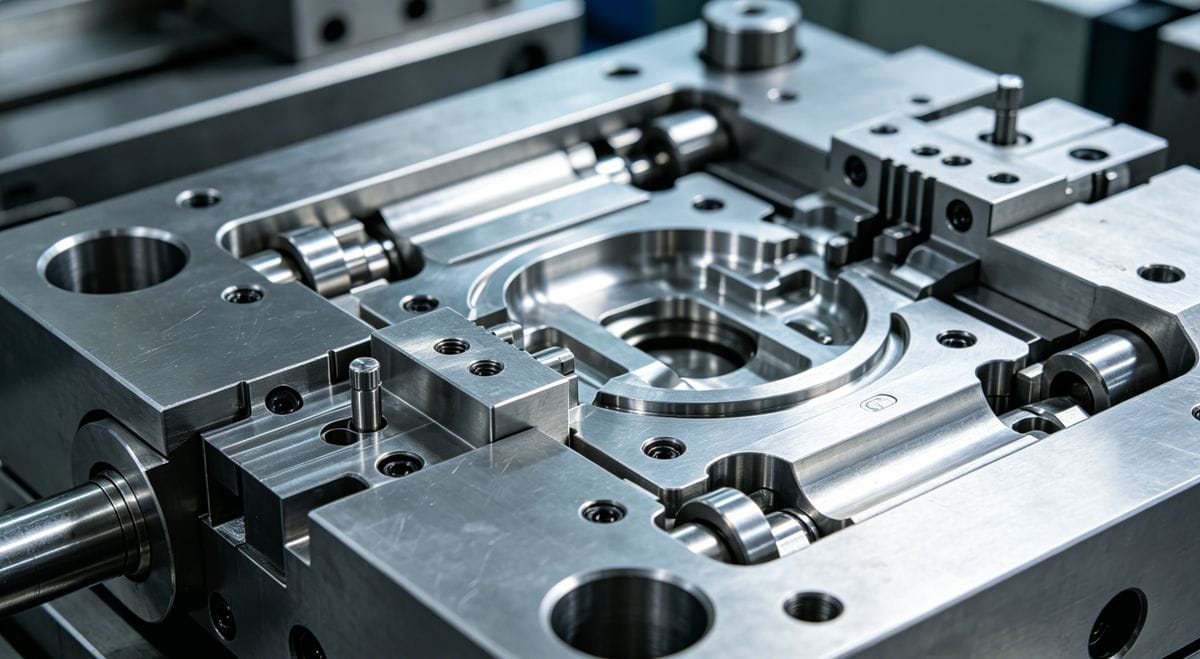
The core and cavity are central to the molding process. They determine the shape and detail of the final product. These components must be made from materials that can withstand high pressure and temperature. Commonly used materials include tool steel and aluminum alloy.
Design tolerances are critical in injection molding. They refer to the acceptable limits of variation in a component's size, shape, or performance. Tight tolerances ensure that parts fit together correctly and work as intended. A small deviation can lead to defects, impacting functionality.
Materials Selection
Choosing the right materials for components is essential. Tool steels are preferred for their hardness and durability, while aluminum alloys are lighter and easier to machine.
Design Tolerances
Design tolerances refer to the acceptable limits of variation in a component's size, shape, or performance. Meeting these tolerances is crucial for ensuring high-quality production.
Material Selection Guide: Choosing the Right Steel for Longevity and Performance?
Selecting the right steel for injection mold components is crucial for longevity and performance.
Tool steels, stainless steels, and aluminum alloys are commonly used materials. Understanding their properties helps in making informed decisions for specific applications.
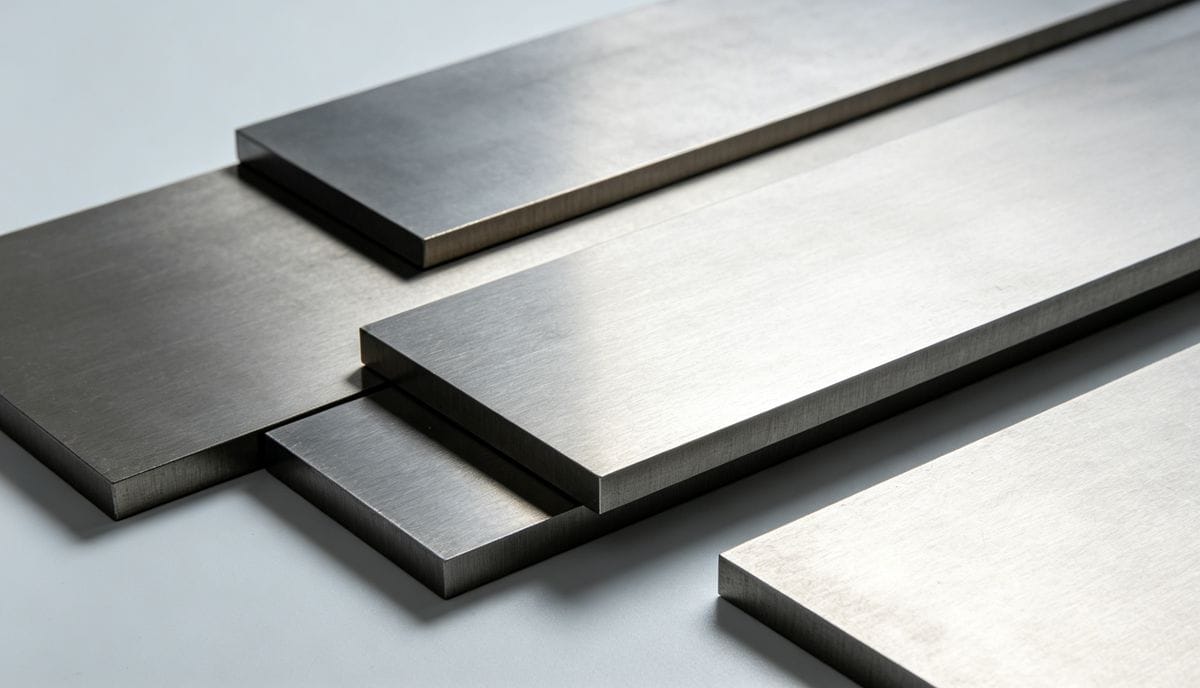
Tool steels are designed for durability and high-performance applications. They can withstand high temperatures and resist wear. Stainless steels are resistant to corrosion, making them suitable for molds exposed to moisture. Aluminum alloys are lightweight and easy to process, offering quick production times.
Factors to Consider
When selecting materials, consider factors such as the product's end-use, required tolerances, and production volume. The right material choice can lead to cost savings and improved product quality.
Long-Term Performance
Selecting the right steel also impacts the mold's long-term performance. Higher-quality materials may require a larger upfront investment but can lead to savings in the long run due to reduced maintenance and replacement costs.
Soft Tooling vs. Hard Tooling: Which is Right for Your Production Volume?
Deciding between soft tooling and hard tooling depends on your production volume and budget.
Soft tooling is less expensive and suitable for low to medium production volumes, while hard tooling is ideal for high-volume production due to its durability.
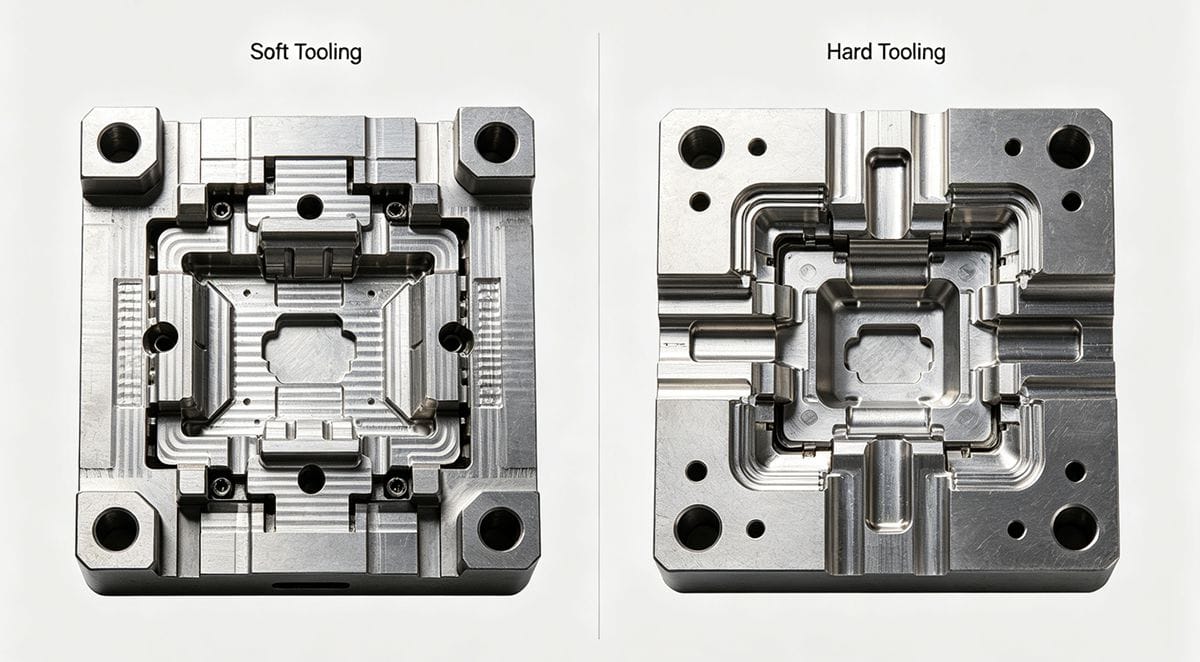
Soft tooling typically involves the use of aluminum or low-grade steel. It allows for faster production times and is great for prototyping. However, it may not withstand the same pressures as hard tooling.
Hard tooling utilizes high-quality steel designed to withstand high-volume production. It requires a larger initial investment but provides longer-term savings due to its durability. Understanding the differences between these options can help you make the right choice for your project.
Cost Considerations
While soft tooling may appear cost-effective initially, hard tooling can lead to decreased costs per unit in high-volume production. Analyzing production goals helps determine the best option.
Production Goals
If you aim for rapid prototyping or short runs, soft tooling may be suitable. For long-term, high-volume needs, investing in hard tooling pays off.
Common Defects Caused by Poor Mold Component Design
Poor mold component design can lead to various defects in the finished product.
Common issues include misalignment, warping, and surface imperfections. Identifying these problems early can help prevent costly production delays.
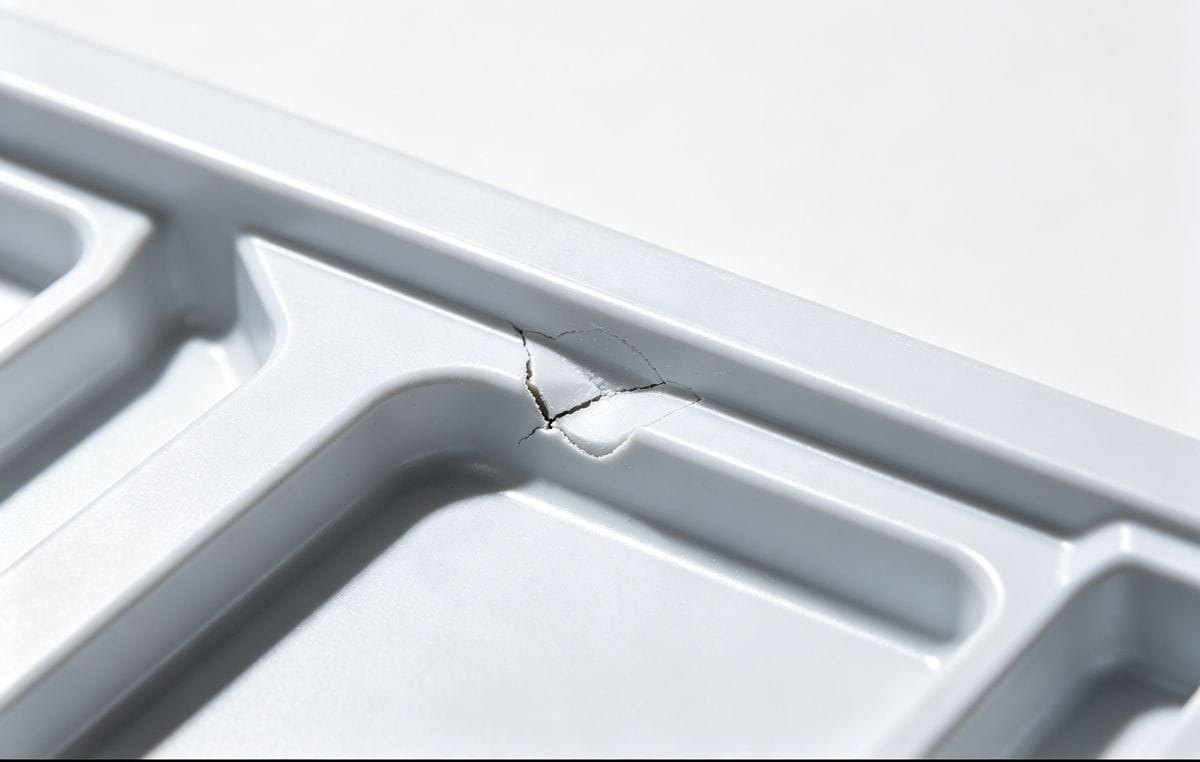
Misalignment occurs when components do not fit together correctly, leading to improper molding. Warping can happen due to uneven cooling or improper material selection. Surface imperfections can arise from poor finishing on the mold components.
Prevention Strategies
To prevent these defects, it’s essential to conduct thorough design reviews and testing. Understanding the properties of each material and its performance can help mitigate risks.
Importance of Quality
Investing time and resources into quality design from the start can save significant costs in the long run. High-quality components lead to improved product quality and reduced defect rates.
Conclusion
High-quality injection mold components are crucial for cost-efficiency in mass production, ensuring better quality and fewer defects.



 English
 French
 Dutch
Dutch German
 Japanese
 Korean