

Insert Molding Technology: Key Features & Automation Design Guide
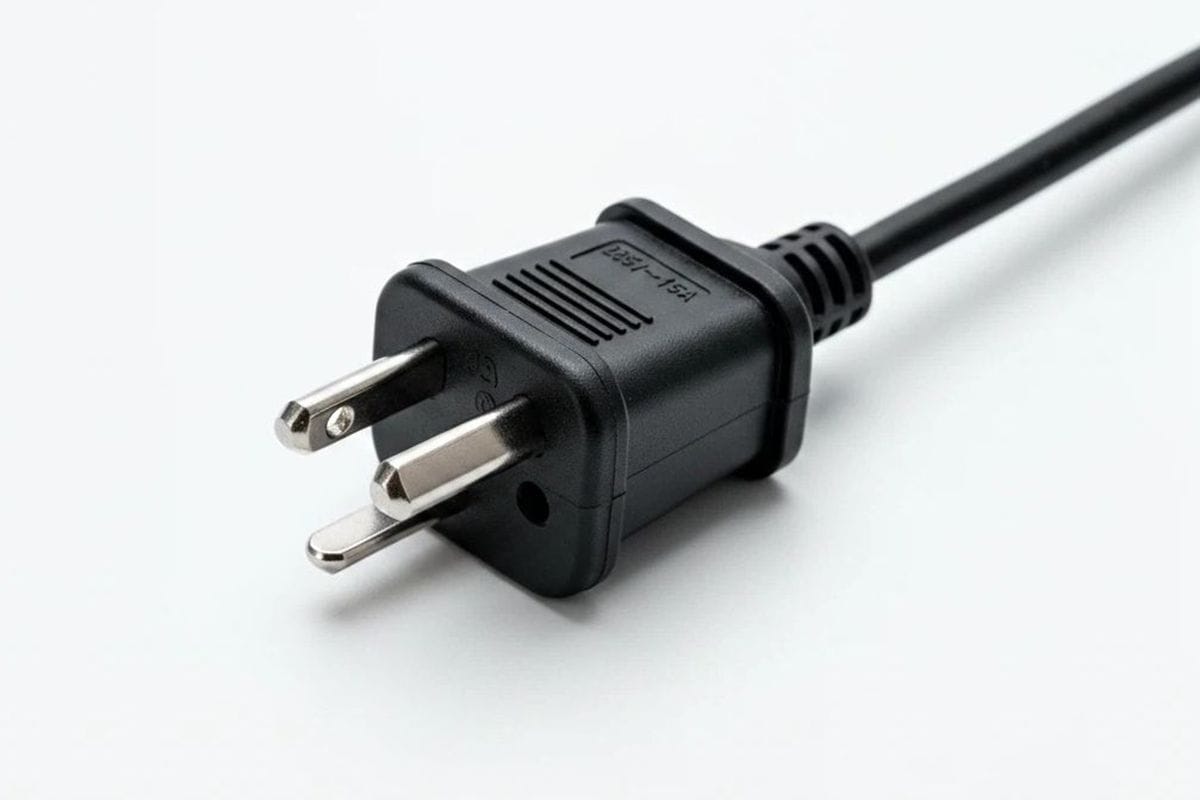
In modern manufacturing, combining different materials is often the key to creating superior products. Insert molding is a specialized Spritzgießen process where pre-prepared inserts (usually metal, but sometimes other materials) are placed into a mold, and molten resin is injected to encapsulate or bond with them. Once cured, this creates a single, unified component.
A closely related process is out-sert molding, where the plastic is molded onto a specific localized area of a metal plate or substrate. While the terminology differs, the underlying principles of both methods are essentially the same.
In this comprehensive guide, we will explore the distinct advantages of insert molding and the critical design considerations required when setting up an automated system.
10 Key Advantages of Insert Molding Technology
Why do engineers choose insert molding over traditional assembly? Here are the top benefits:
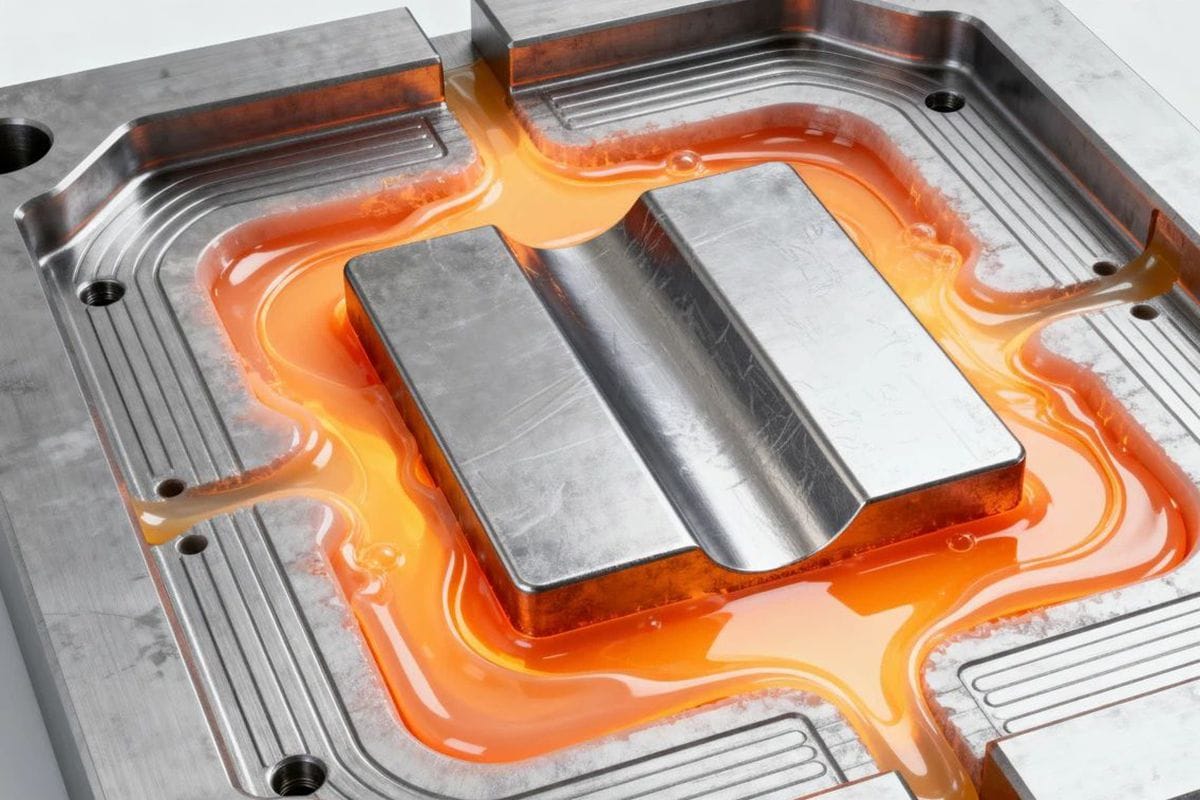
- Optimal Material Synergy: It combines the easy formability and flexibility of plastics with the rigidity, strength, and heat resistance of metals, allowing for the creation of complex, precision composite parts.
- Built-in Electrical Functionality: By leveraging the electrical insulation of resins and the conductivity of metals, manufacturers can produce components that fulfill core electrical product requirements right out of the mold.
- Streamlined Post-Processing: Pre-assembling multiple inserts before molding simplifies downstream assembly, making post-production unit combination much more rational and efficient.
- Material Versatility: Inserts aren't limited to metal. They can include fabrics, paper, wires, secondary plastics, glass, wood, coils, and pre-assembled electrical components.
- Elimination of Secondary Assembly: For rigid parts or rubber sealing gaskets, out-sert molding creates a unified product. This eliminates the complex manual labor of installing O-rings or seals, paving the way for fully automated assembly lines.
- Superior Reliability: Because the molten material chemically and mechanically bonds with the metal insert, gaps can be designed much narrower than in traditional press-fit methods, resulting in significantly higher product reliability.
- Gentle Encapsulation: By selecting the appropriate resin and molding parameters, fragile components like glass, coils, and delicate electrical parts can be safely sealed and secured without damage.
- Full Encapsulation Options: With the right mold design, inserts can be completely encapsulated within the resin for maximum environmental protection.
- Hollow & Grooved Designs: Post-molding core-pulling processes allow for the creation of hollow cavities or grooves within the molded part.
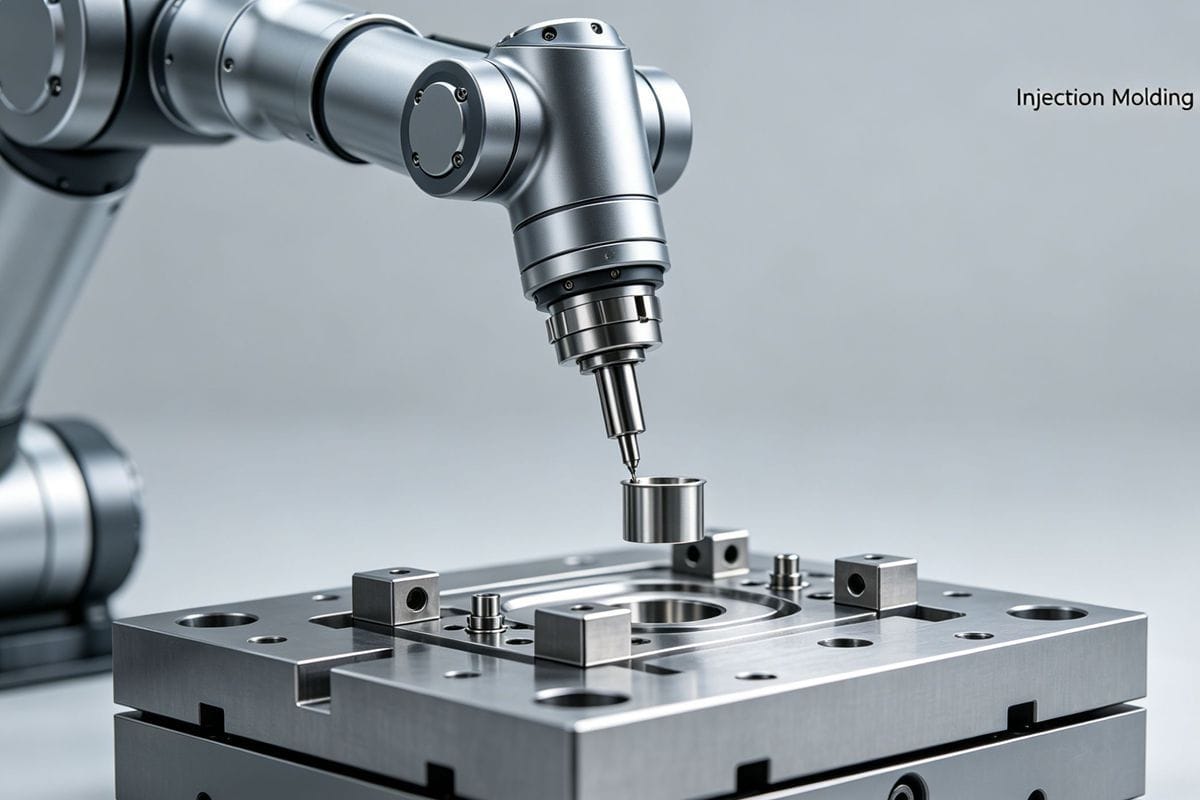
- Automation Ready: When paired with vertical injection molding machines, robotic arms, and insert alignment systems, the entire insert molding process can be highly automated.
12 Critical Design Considerations for Automated Insert Molding Systems
While insert molding offers immense benefits, automated systems require precise engineering. If you are designing or investing in an automated insert molding system, keep these 12 factors in mind:
- Manage Shrinkage Variations: Metal inserts can cause uneven shrinkage rates in the plastic. Always conduct limit testing on critical dimensions and shapes beforehand.
- Prevent Insert Displacement: Injection pressure can shift or deform metal inserts. Mold design must include features to securely hold the insert in place. If the insert geometry cannot be altered, preliminary testing is mandatory.
- Protect Insert Surface Quality: When using vibratory bowl feeders or conveyors, inserts can scratch against each other. Determine your acceptable quality limits for surface damage early in the design phase.
- Account for Upstream Tolerances: Measure variations caused by stamping (e.g., burrs, warpage, thickness/diameter deviations, and plating thickness differences). Use this data to design compatible automation and mold structures.
- Optimize Mold Flow & Cycle Time: Gate location and cycle times heavily influence mold design. Identify and resolve these constraints as early as possible.
- Pre-conditioning Requirements: Determine if metal inserts require pre-heating or drying to ensure dimensional stability and optimal bonding quality.
- Implement In-Mold Sensors: Use detection sensors within the mold to monitor heat, force, and vibration, ensuring stable and safe molding cycles.
- Keep the Cavity Clean: Install air-blowing mechanisms if necessary to prevent tiny plastic fragments or debris from accumulating in the mold cavity.
- Justify High Capital Investment: Automated systems are expensive. Ensure you have sufficient production volume to justify the ROI. If using a dedicated machine, guarantee that the product design will remain stable for several years without major revisions.
- Flexibility for Low-Volume/High-Mix: If using a general-purpose machine for multiple low-volume products, ensure the system can handle various combinations. If total volume is low, consider modular automation that can be easily reconfigured for future product updates to protect your asset recovery.
- Master the Technical Variables: Yield rates, productivity, and costs are dictated by insert precision, insert geometry, mold design, and part shape. Technical expertise is non-negotiable.
- Partner with Experienced Suppliers: The seamless integration of injection molding machines, molds, and automation is the key to success. Always consult with manufacturers who have a proven track record in automated insert molding systems.
Letzte Überlegungen
Insert molding is a powerful manufacturing solution that bridges the gap between metal fabrication and plastic injection molding. By understanding its core advantages and respecting the strict design parameters required for automation, engineers can create highly reliable, cost-effective, and innovative products.
Are you looking to optimize your insert molding process or need guidance on selecting the right automation partner? Leave a message below or contact our team of experts!


 English
 French
 Dutch
Dutch German
 Japanese
 Korean