

The world of injection molding[^1] can be tricky. Defects often arise, leading to wasted resources and time. Understanding these defects is crucial for any manufacturer.
Knowing the common injection molding defects and their solutions can save you time and costs. Let’s dive into each defect and how to tackle them effectively.
Adjusting your processes can feel overwhelming. That’s why I recommend focusing on the root causes of defects, not just symptoms. By understanding what's happening, you can implement effective solutions.
Insufficient Material (Incomplete Filling)?
The first defect I want to talk about is insufficient material[^2], or incomplete filling. This happens when the mold doesn't fill completely, leading to weak parts.
Incomplete filling occurs due to insufficient material injection. Common causes include low injection pressure[^3], incorrect temperature, or blocked gates. Checking these factors can help you identify the issue.
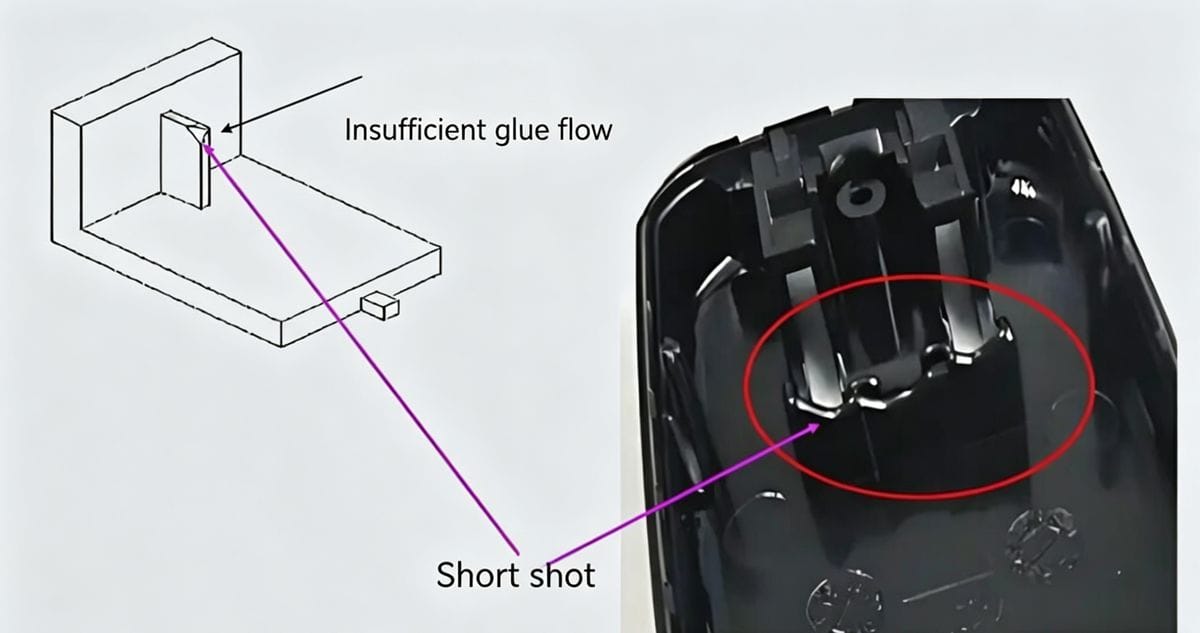
To address this, start by examining the injection pressure settings. Increasing the pressure may solve the problem. Also, ensure that the material is at the correct temperature. Lastly, inspect the mold gates to ensure they aren't blocked or restricted. If these adjustments don’t work, it might be necessary to revisit the mold design itself.
Burrs/Flashes?
Next up are burrs and flashes. These are the excess material that forms at the mold edges. They can make a product look unprofessional.
Burrs and flashes occur when there is too much material injected into the mold or when the mold is not aligned properly. Lowering the injection pressure can help eliminate this defect.
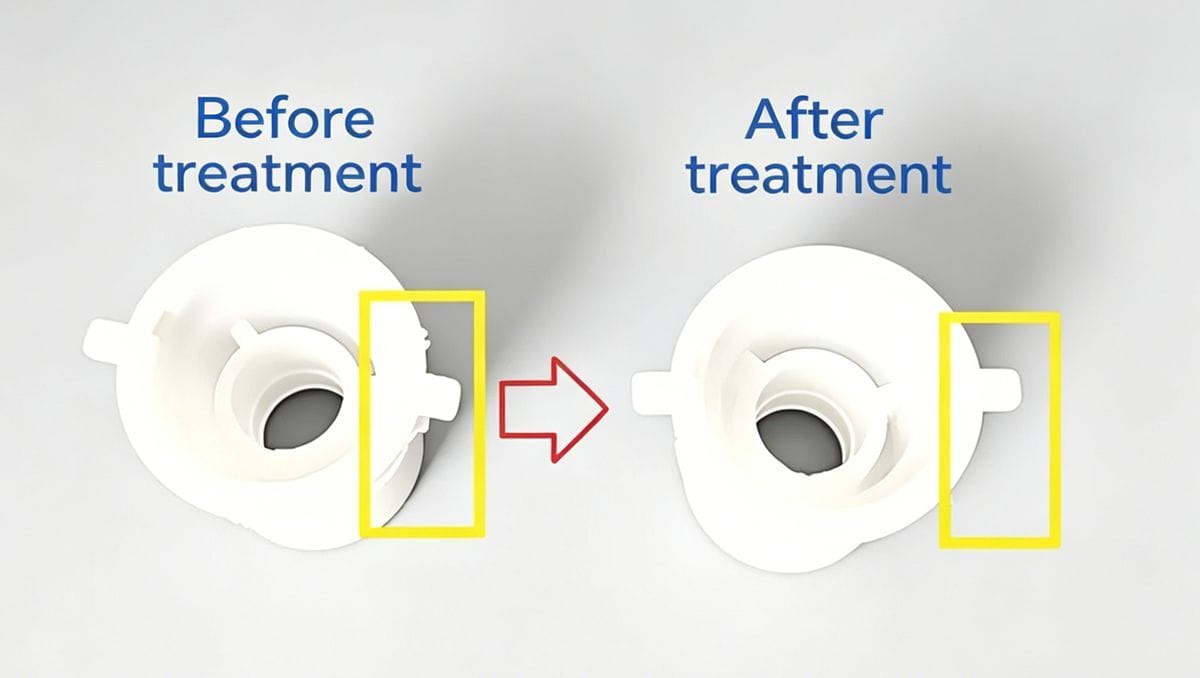
To prevent burrs and flashes, ensure that the mold halves are tightly aligned. Adjust the injection pressure as needed. You might also want to check the mold cooling time. If it’s too short, the material may not have enough time to set before being removed.
Shrinkage/Sinking?
Shrinkage and sinking happen when the material cools and contracts. This can lead to parts that aren’t the right shape or size.
This defect is usually caused by inadequate holding pressure or a low mold temperature. Increasing the holding pressure and ensuring the mold is at the right temperature can help.
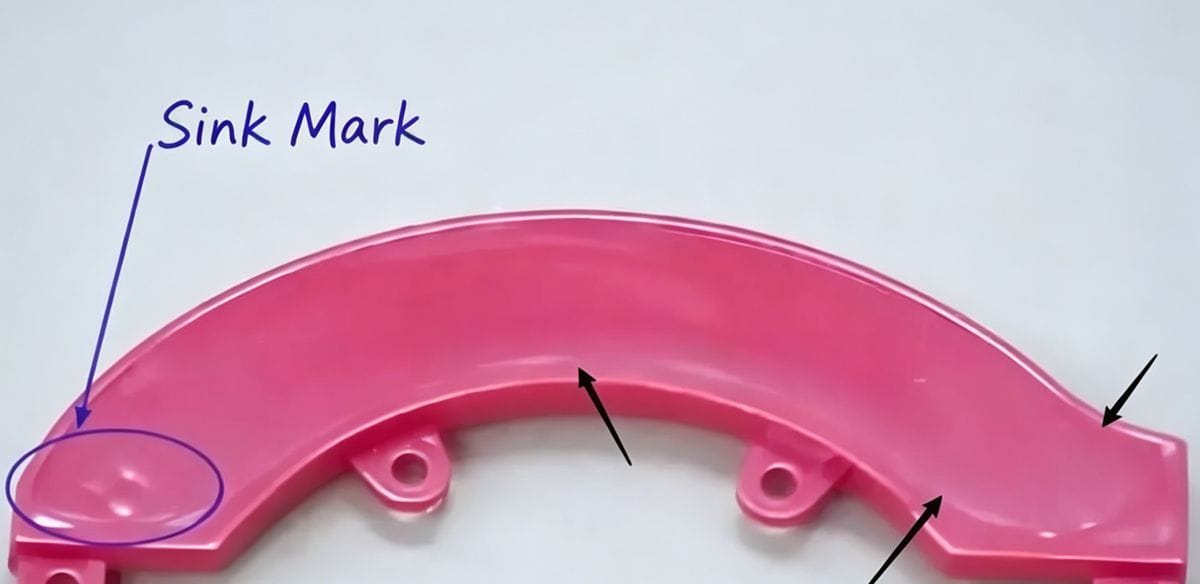
To combat shrinkage, focus on maintaining adequate holding pressure during cooling. If the mold temperature is too low, consider increasing it to allow for better material flow and filling. Regularly checking your process settings can help avoid these issues.
Air Bubbles/Voids?
Air bubbles or voids can ruin the integrity of the part. They occur when trapped air expands during the cooling process.
These defects often arise from improper venting. Ensuring proper venting can significantly reduce the chances of air bubbles in your final product.
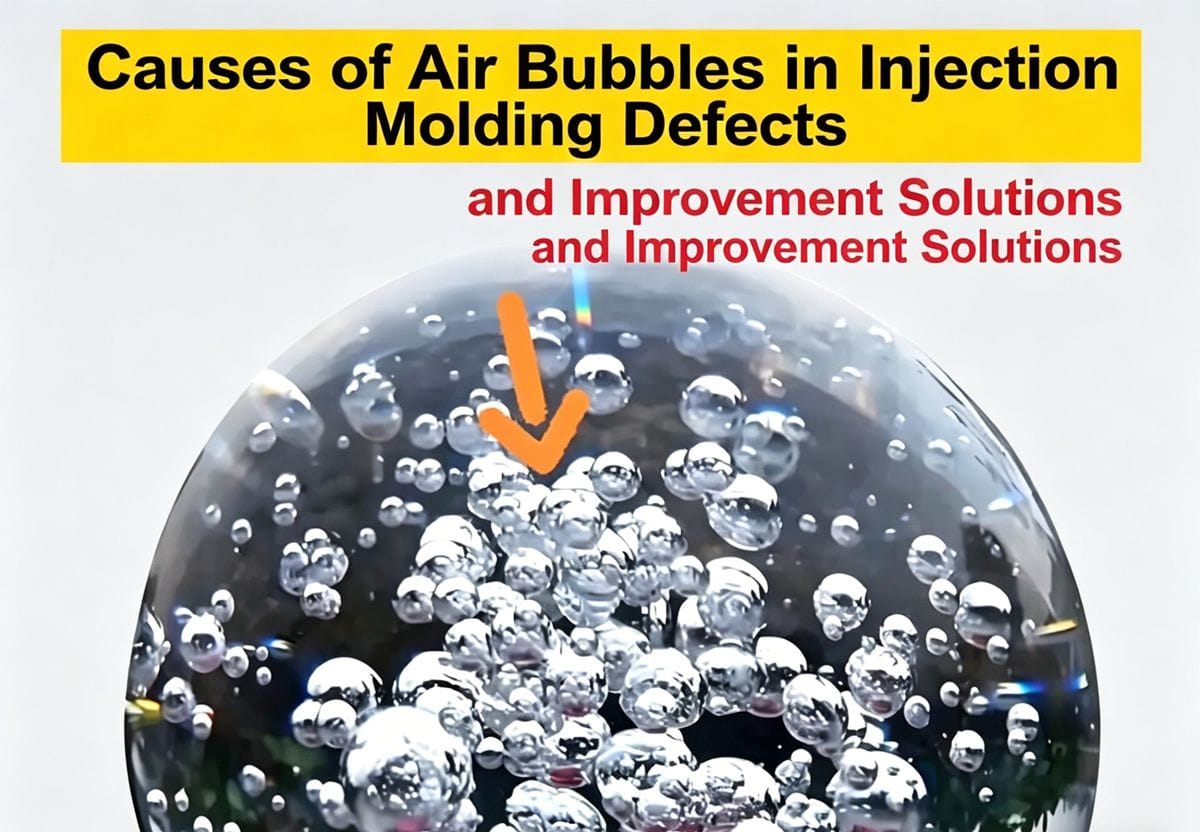
To solve this, check the mold for adequate venting. If the vents are blocked or poorly designed, air will be trapped inside. Improving the venting design can alleviate this problem. Also, monitoring injection speed may help minimize trapped air.
Silver Threads/Watermarks (Silver Threads)?
Silver threads, or watermarks, are an aesthetic issue that can affect the appearance of the product.
These are typically caused by moisture in the material or incorrect drying times. Ensuring material is properly dried before injection can solve this issue.
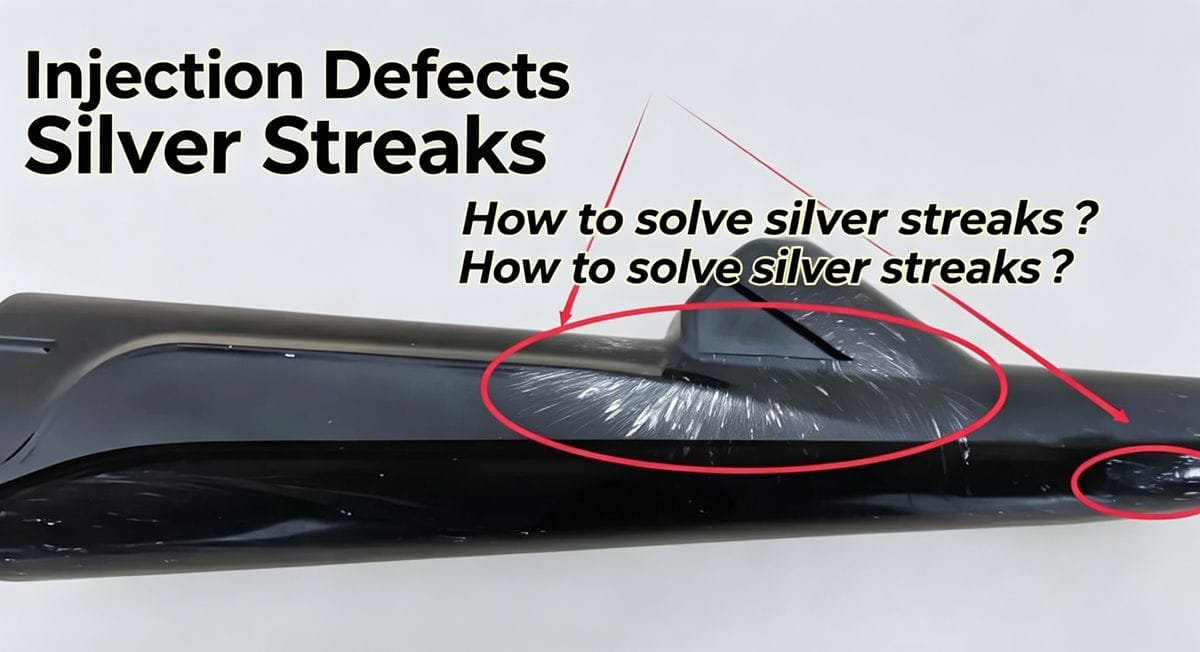
To avoid silver threads, pay attention to the drying process. Implementing a consistent drying routine can eliminate 80% of these issues. If threads persist, consider checking the injection speed and temperature settings.
Burning/Blackening, Burned Edges?
Burning or blackening appears as dark spots on the finished product, often due to overheating.
This defect occurs when the material is exposed to excessive heat during injection. Reducing the injection speed or temperature can help prevent burning.
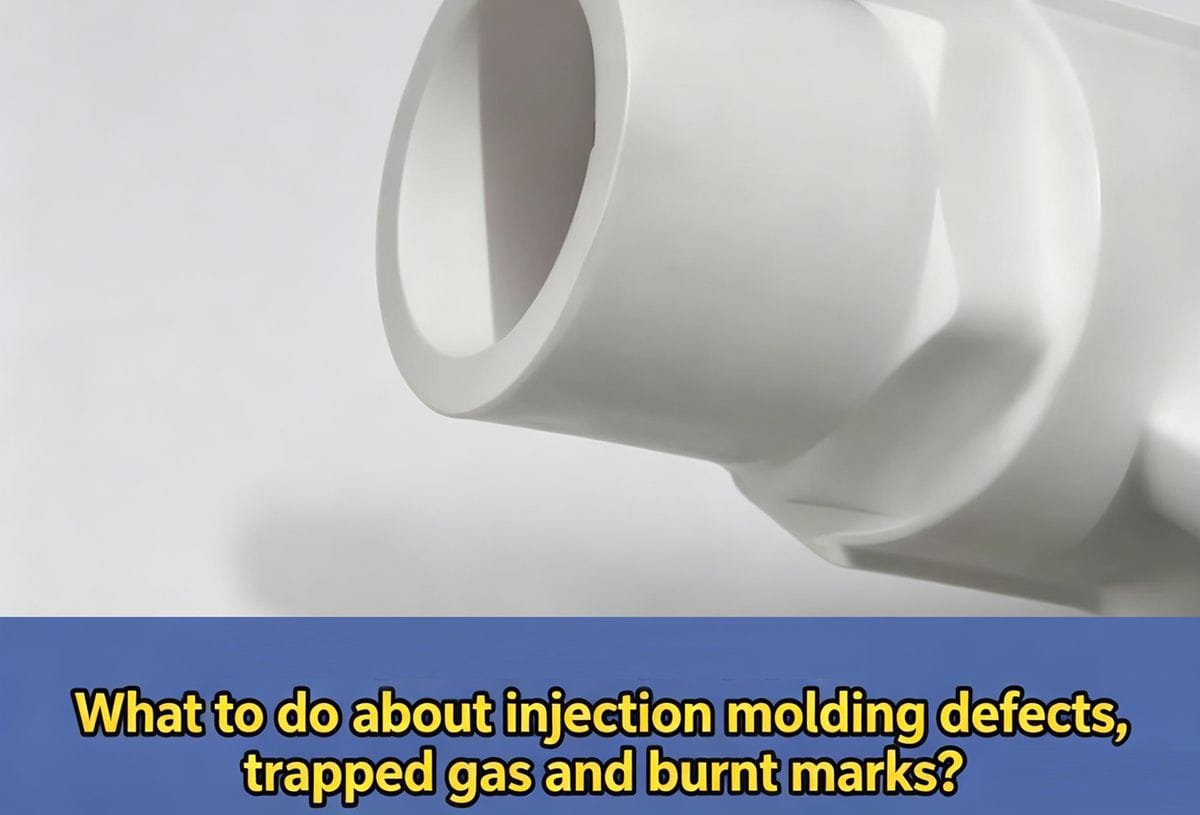
Adjust your injection speeds gradually to find the optimal setting. Ensure that the material isn’t being overheated in the barrel. If necessary, consider adjusting the cooling system to allow for better temperature control.
Flow Marks/Waves?
Flow marks or waves are visible lines that can affect the appearance of a part.
These typically arise from variations in the melt flow rate or improper mold filling. Adjusting the injection speed and pressure can help reduce these marks.

To minimize flow marks, review the mold design for any potential issues that could disrupt flow. Adjusting the injection speed can help create a more consistent flow of material. Regularly assessing your process settings is key to maintaining quality.
Jetting Marks (Snake Patterns)?
Jetting marks, often resembling snake patterns, occur when the melt flows too quickly into the mold.
This defect is usually caused by high injection speeds combined with low mold temperatures. Lowering the injection speed can help reduce jetting marks.
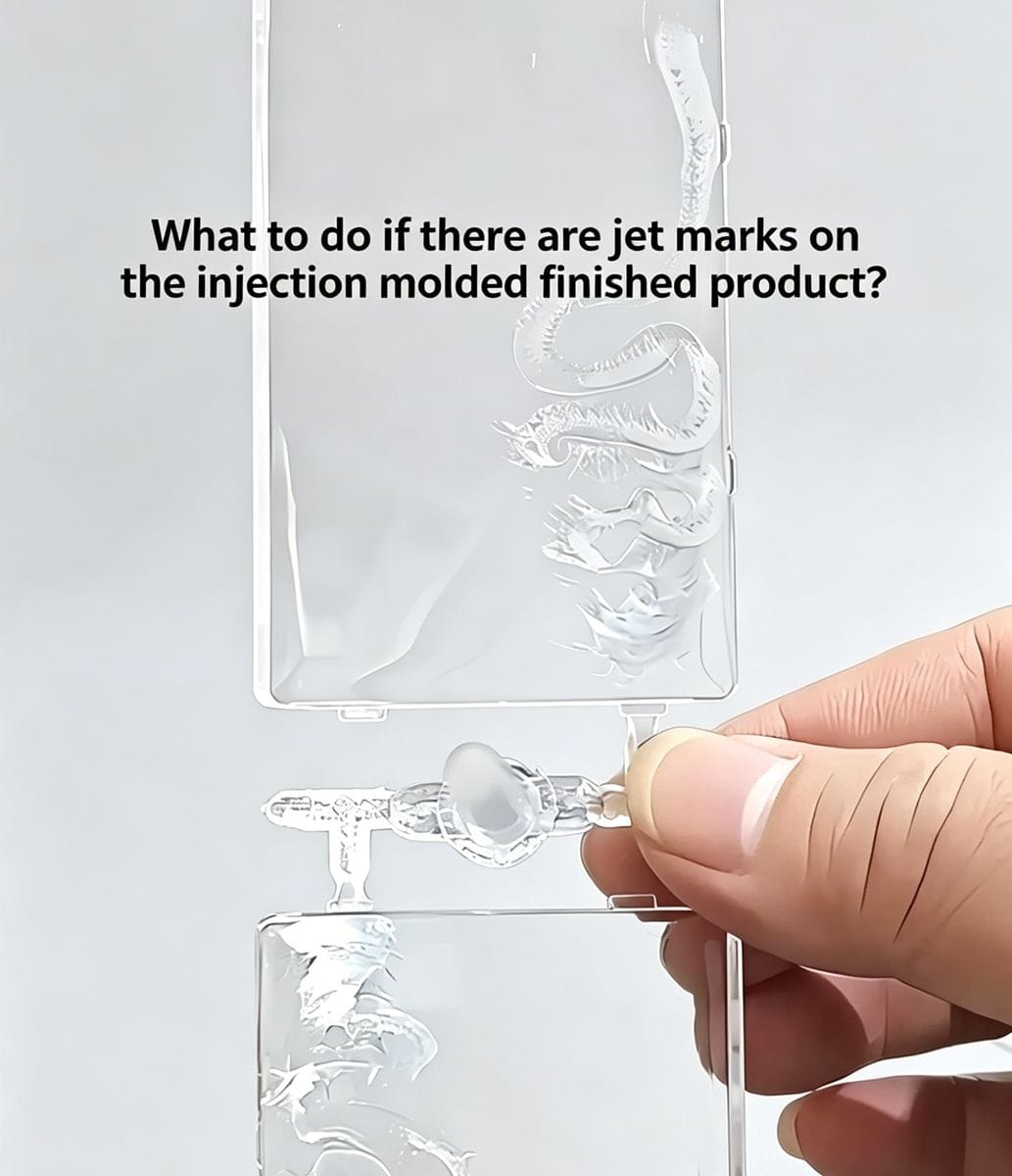
To tackle this issue, consider reducing the injection speed and increasing the mold temperature. This will allow for a more gradual filling process and reduce the chance of jetting marks.
Deformation/Warping?
Deformation or warping happens when a part changes shape after it has cooled.
This issue often arises from uneven cooling or improper mold design. Ensuring uniform cooling can prevent warping.
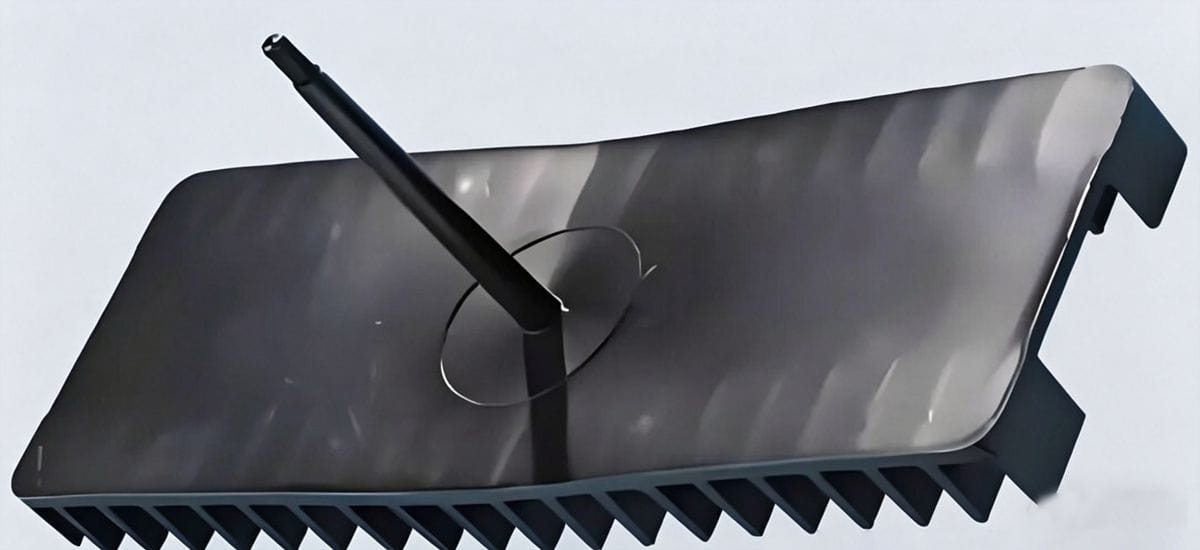
To mitigate deformation, check your mold cooling system for any inconsistencies. Maintaining consistent temperatures throughout the cooling process is essential. This way, you can avoid warping and ensure the final product retains its intended shape.
Sticking/Dragging, Scratches?
Sticking or dragging occurs when the part adheres to the mold, leading to scratches on the surface.
This can result from insufficient lubrication or misalignment of the mold. Proper mold maintenance can help avoid this defect.
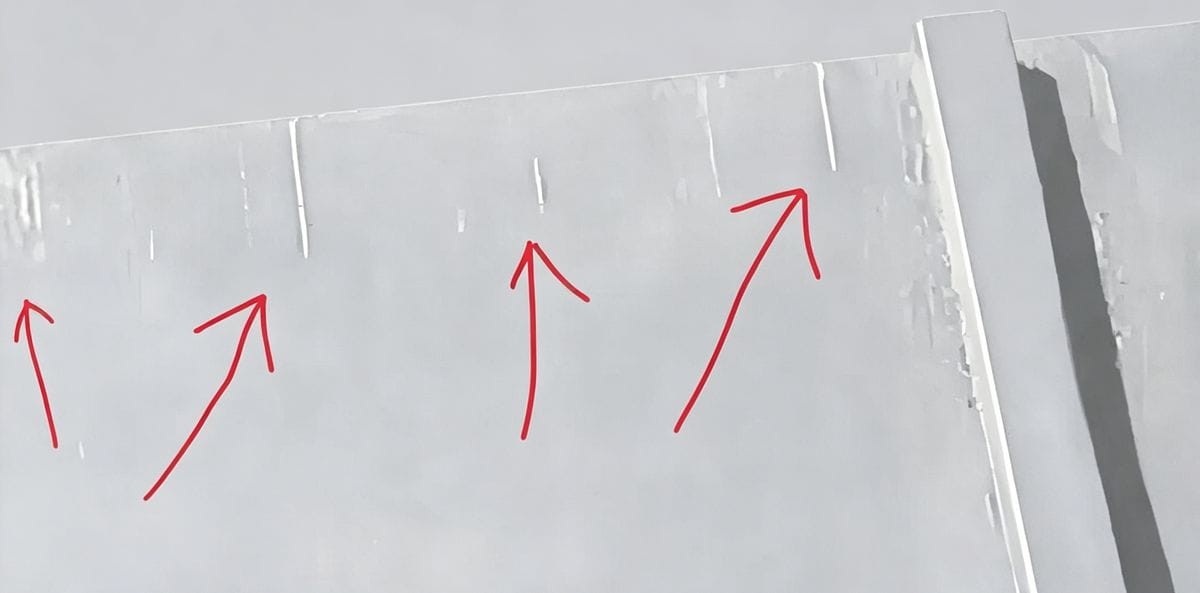
Regularly inspect the mold for wear and tear. Ensuring proper lubrication can make a significant difference. If sticking is a recurrent issue, consider re-evaluating the mold design to improve ease of part release.
Stress Whitening, Folding Whitening?
Stress whitening or folding whitening shows as a white discoloration on parts.
This defect usually occurs due to excessive stress during the molding process. Adjusting processing parameters can help alleviate this issue.
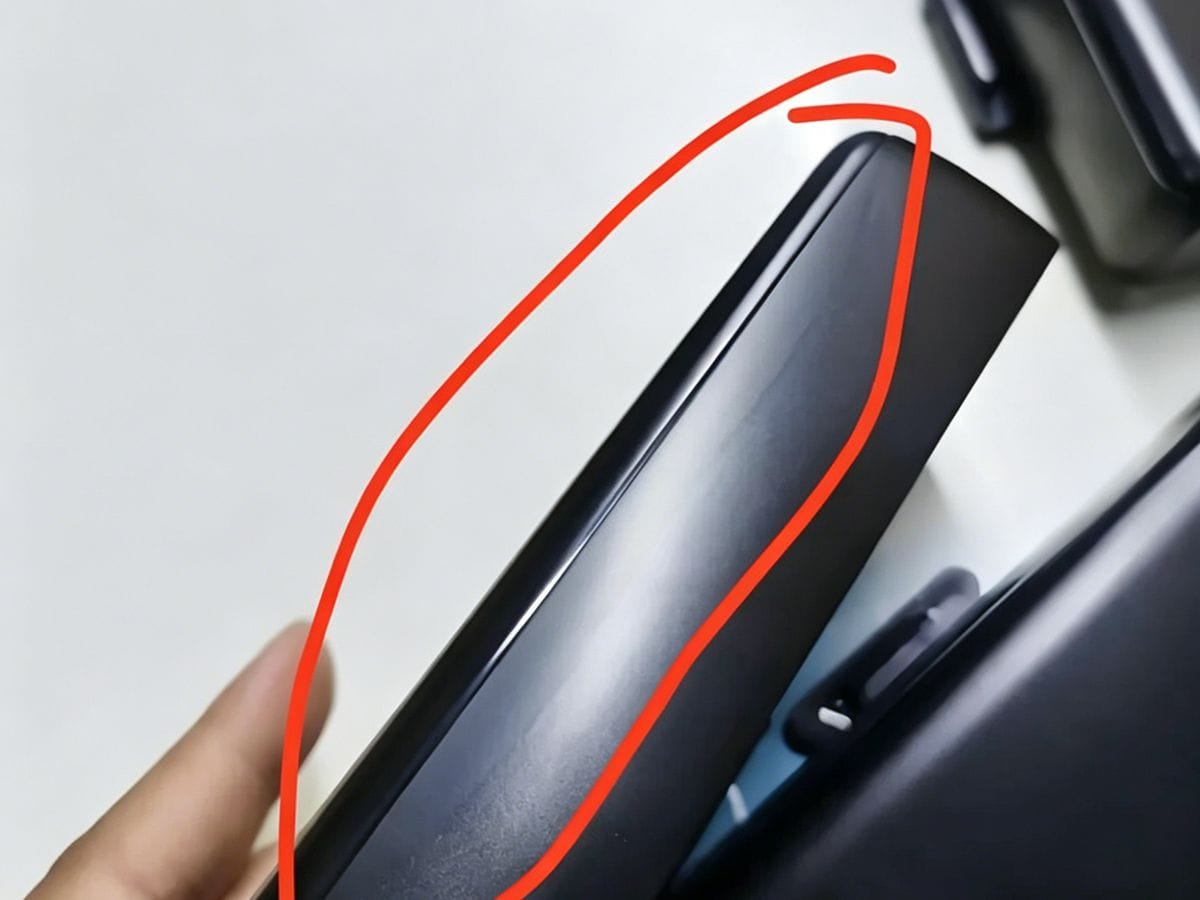
To prevent stress whitening, assess the injection speed and pressure. Ensuring that the material is not overstressed during injection will help maintain its integrity. Regular monitoring of the molding process is critical.
Weld Lines/Seams?
Weld lines or seams occur when two flow fronts meet during the injection process.
These can lead to weak points in the part. Improving the mold design and injection speed can help reduce weld lines.
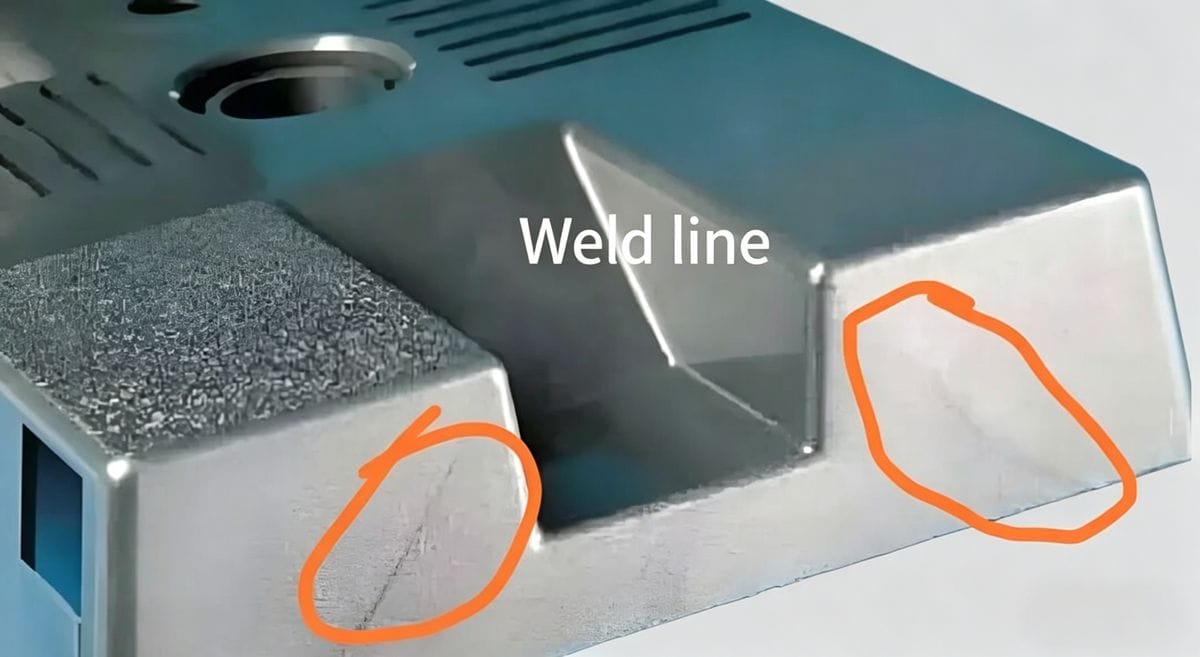
To address weld lines, consider modifying the mold design to improve material flow. Adjusting the injection speed may also help ensure a better fusion of the flow fronts.
Black Spots/Impurities?
Black spots or impurities can affect both aesthetics and functionality.
These are often caused by contamination in the material or overheating. Regular checks can help prevent these defects.
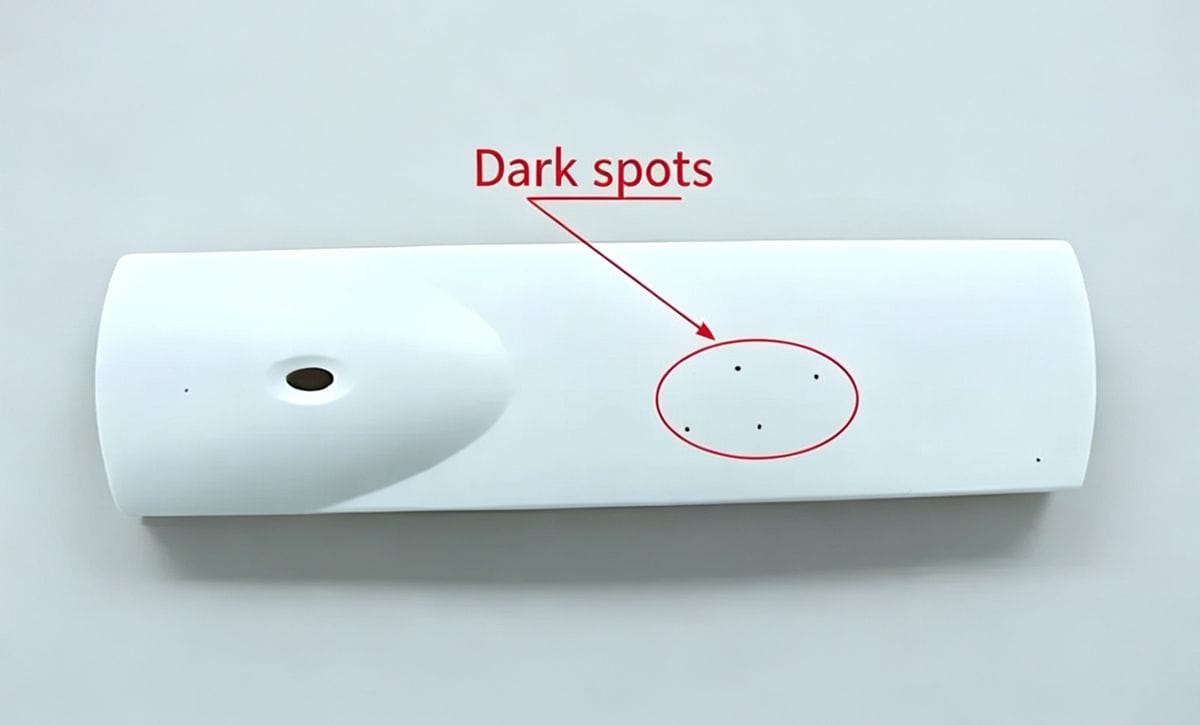
Ensure that your material is clean and free from contaminants before use. Monitor the temperature during processing to avoid overheating. Regular material checks will help maintain quality.
Demolding Whitening, Top Whitening?
Demolding whitening or top whitening is seen as a haze on the part's surface.
This defect can arise from moisture in the material or improper cooling. Ensuring proper drying and cooling can help avoid this issue.
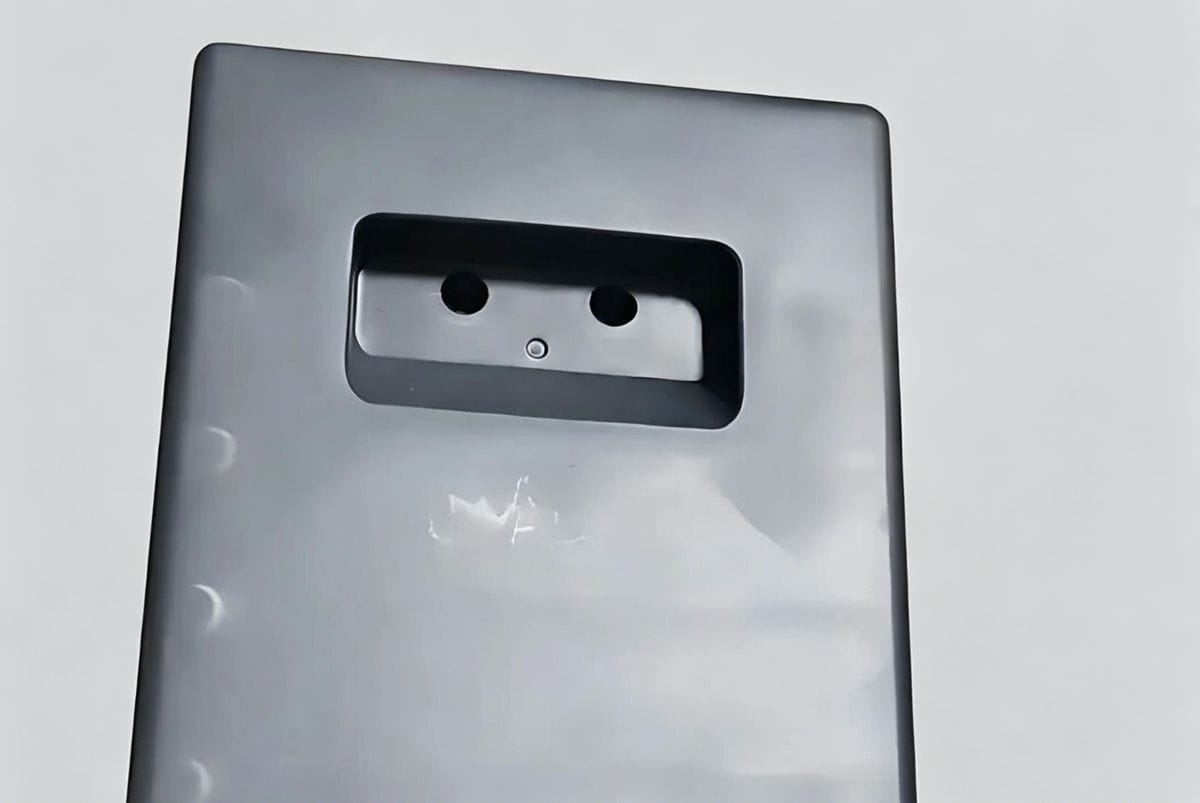
To combat demolding whitening, focus on proper material drying and cooling processes. Ensuring that the material is moisture-free will help maintain clarity.
Dimensions Too Large/Too Small?
Incorrect dimensions can lead to parts not fitting together correctly.
These issues often arise from incorrect mold design or improper processing parameters. Regular checks and adjustments can ensure accuracy.
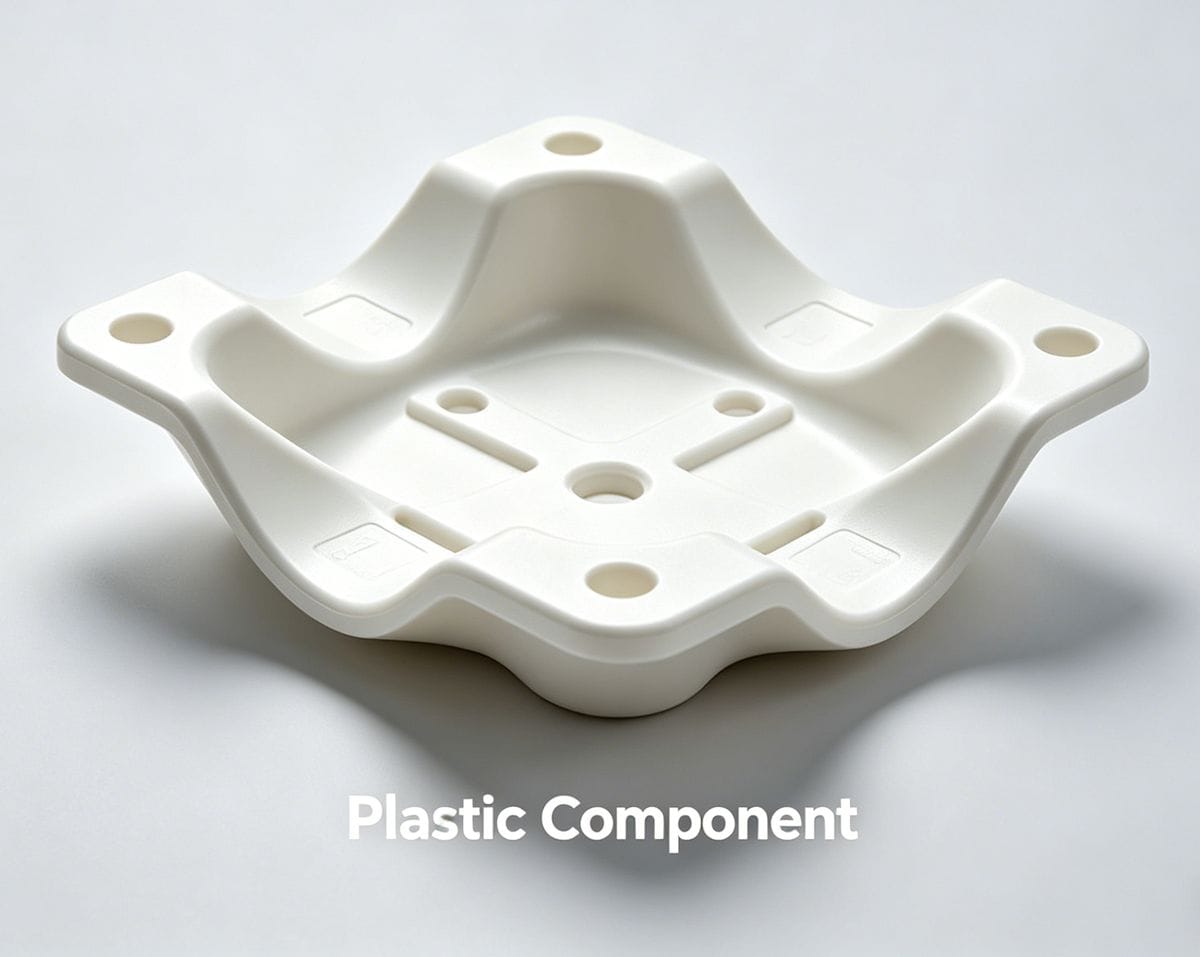
Review your mold design and processing parameters regularly. Adjust the injection pressure and cooling times to ensure that dimensions remain consistent.
Poor Transparency, Fogging?
Poor transparency or fogging can affect visibility and product quality.
This is often due to moisture in the material or improper processing temperatures. Ensuring proper drying and temperature management can resolve these issues.
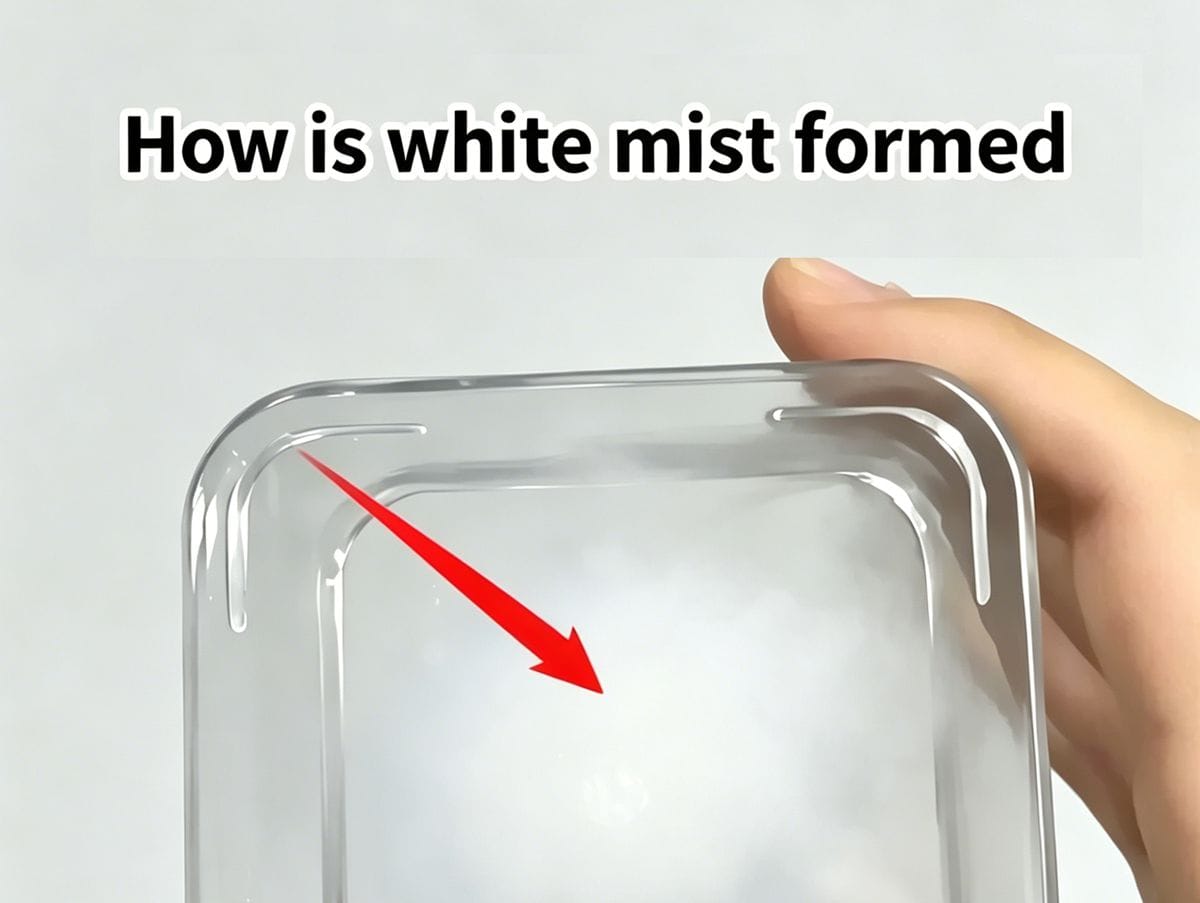
To improve transparency, ensure material is adequately dried before molding. Monitor the processing temperature closely to avoid fogging. Regularly checking these factors can help maintain product quality.
Injection Molding Defects & Solutions
| Defect Name | Common Causes | Recommended Solutions |
|---|---|---|
| Insufficient Material (Short Shot) | Low injection pressure, incorrect temperature, blocked gates | Increase injection pressure; check material temperature; inspect gates |
| Burrs/Flashes (Flash) | Excess material, misaligned mold, high injection pressure | Lower injection pressure; align mold halves tightly; check cooling time |
| Shrinkage/Sinking (Sink Marks) | Inadequate holding pressure, low mold temperature | Increase holding pressure; adjust mold temperature for better flow |
| Air Bubbles/Voids | Trapped air due to improper venting | Ensure proper venting; improve venting design; monitor injection speed |
| Silver Threads/Watermarks | Moisture in material, incorrect drying times | Dry material properly; implement consistent drying routine; check speed |
| Burning/Blackening | Excessive heat, overheating material | Reduce injection speed/temperature; check barrel temperature; adjust cooling |
| Flow Marks/Waves | Variations in melt flow rate, improper filling | Adjust injection speed/pressure; review mold design for flow issues |
| Jetting Marks (Snake Patterns) | High injection speed, low mold temperature | Reduce injection speed; increase mold temperature for gradual filling |
| Deformation/Warping | Uneven cooling, improper mold design | Ensure uniform cooling; check cooling system for consistency |
| Sticking/Dragging | Insufficient lubrication, mold misalignment | Regular mold maintenance; ensure proper lubrication; inspect for wear |
| Stress Whitening | Excessive stress during molding | Adjust injection speed/pressure; prevent over-stressing material |
| Weld Lines/Seams | Two flow fronts meeting | Improve mold design; adjust injection speed for better fusion |
| Black Spots/Impurities | Material contamination, overheating | Check material cleanliness; monitor processing temperature |
| Demolding Whitening | Moisture, improper cooling | Ensure proper drying and cooling processes |
| Dimensions Issues | Incorrect mold design, processing parameters | Review mold design; adjust injection pressure and cooling times |
| Poor Transparency | Moisture, improper temperatures | Dry material adequately; monitor processing temperature closely |
Conclusion
- Root Cause Focus: It is essential to address the root causes of defects rather than just the symptoms to implement effective solutions.
- Process Adjustments: Adjusting processes can be overwhelming, but focusing on specific factors like pressure, temperature, and mold design can help identify and resolve issues.
- Preventive Measures: Regular checks on material drying, mold maintenance, and temperature management are critical for preventing defects and maintaining product quality.
This structured approach can help manufacturers save time and costs by effectively tackling injection molding defects.


 English
 French
 Dutch
Dutch German
 Japanese
 Korean