

Driven by the trends of lightweight consumer electronics and high-performance sports equipment, Thermoplastic Elastomers (TPE) have become the core material bridging "human-machine interaction" and "industrial reliability."
Unlike traditional rubbers that require complex vulcanization, TPE combines the high elasticity of rubber with the efficient injection molding capabilities of thermoplastics. It is 100% recyclable and perfectly meets the composite demands of safety, comfort, durability, and manufacturing efficiency in both electronics and sports gear.
This comprehensive guide breaks down TPE technology across four dimensions: material advantages, grade selection, application solutions, and processing optimization.
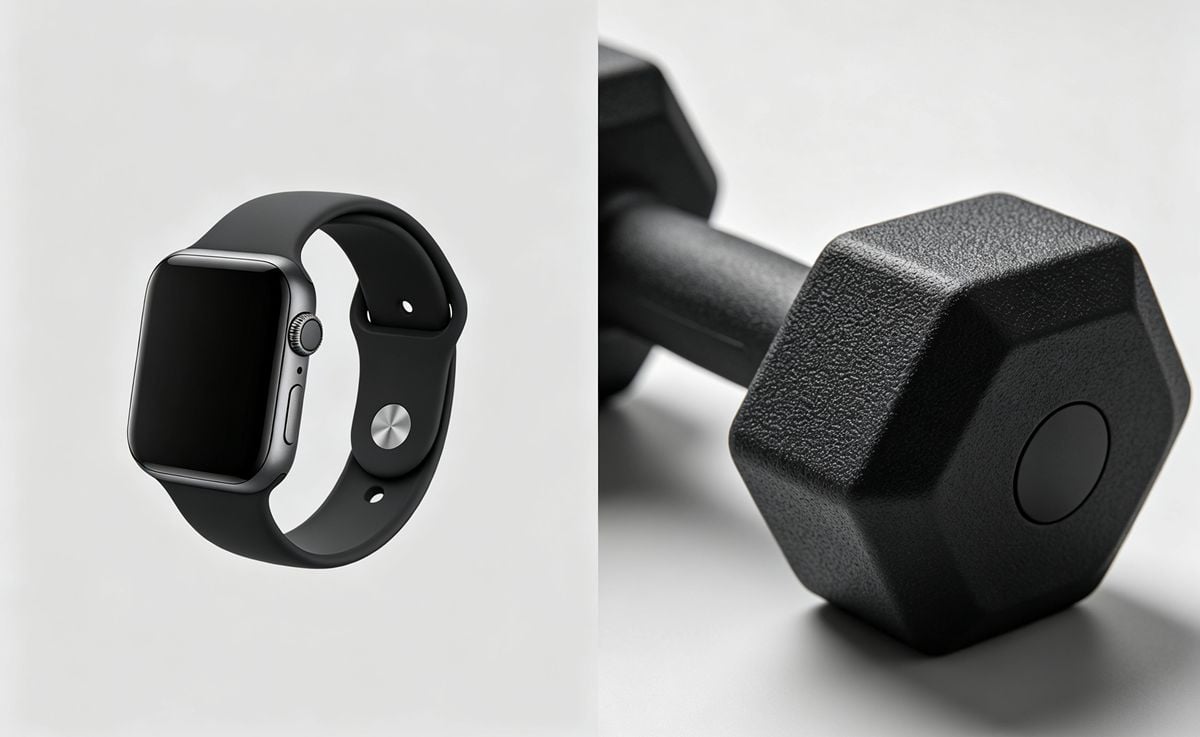
Why TPE? Core Technical Advantages Over Traditional Materials
TPE’s unique molecular structure—a physical blend of "hard segments" and "soft segments"—delivers performance that stands out from standard plastics and rubbers:
- Perfect Balance of Elasticity & Processability: Achieves elongation at break of over 800% and rebound rates above 80%. It processes on standard injection molding machines without vulcanization, boosting production efficiency by over 3x compared to traditional rubber.
- All-Weather Durability: Maintains stable performance across a wide temperature range of -40°C to 120°C. It offers excellent resistance to hydrolysis, sweat, and UV radiation, making it ideal for outdoor sports and daily electronic use.
- Safety & Eco-Friendliness: Mainstream grades are ROHS and REACH compliant, and many are food-contact safe. They are free from phthalates, meeting strict safety requirements for medical devices and children's products.
- Unmatched Customization: By adjusting the molecular weight of SEBS base resins and adding functional additives, manufacturers can tailor everything from ultra-soft touch (Shore A 20) to high-strength wear resistance (Shore D 60).
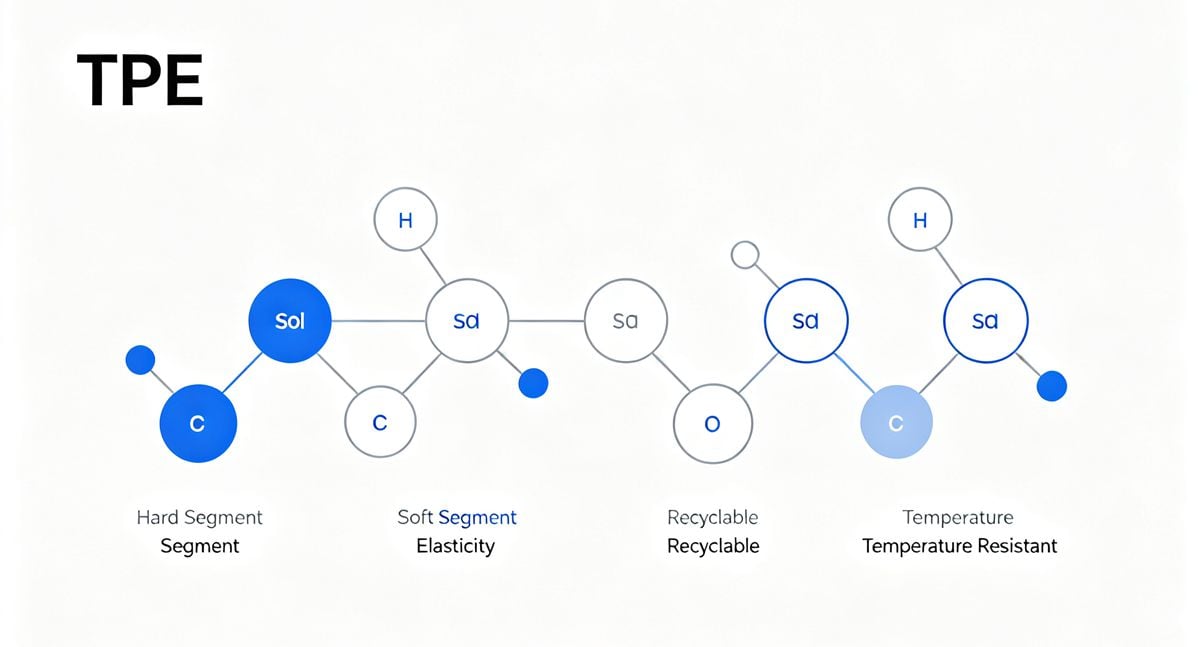
TPE Grade Selection Guide: Electronics vs. Sports Equipment
Commercial TPE grades are generally categorized into general-purpose, engineering, and specialty levels. Below is a comparison of mainstream grades tailored for specific industry needs. For systematic plastic material screening standards, check our dedicated guide: De ultieme gids voor het kiezen van spuitgietkunststoffen in 2026
Grade Comparison Table
| Application Field | Recommended Grade / Base | Key Features | Ideal Use Cases |
|---|---|---|---|
| Elektronica | Santoprene 80 Series (TPV) | Superior aging resistance; long-term use up to 135°C | Appliance door seals, outdoor waterproof gaskets |
| Elektronica | VINYL Low-Smoke Zero-Halogen | UL94 V-0 flame retardant; low smoke density | Data cables, EV internal wiring, fire-safe housings |
| Elektronica | Domestic SEBS-based TPE | Shore A 30-50; fine matte finish; hypoallergenic | Smartwatch bands, phone cases (30% lower cost) |
| Sports Gear | Star-shaped SEBS (YH-602T) | >85% rebound rate; high friction coefficient | Gym grips, bicycle handlebars |
| Sports Gear | Low-Temp SEBS (YH-604T) | Glass transition temp of -58°C; remains flexible at -40°C | Ski gear, winter outdoor equipment |
| Sports Gear | SEBS/TPU Blend (7:3) | Tear strength up to 45 kN/m (50% higher than standard) | Knee pads, helmet liners |
Solving Industry Pain Points: Real-World Applications
Consumer Electronics: Safety Meets Ergonomics
- Cables & Sleeves: Traditional PVC hardens in the cold and leaches plasticizers. TPE sleeves remain flexible at -20°C. Adding 0.5% slip agents prevents tangling, significantly extending the lifespan of earphone and charging cables.
- Wearable Comfort: Smartwatch bands can cause sweat buildup and allergies. Food-grade TPE with micro-foam surface treatment achieves a moisture vapor transmission rate of 800g/m²·24h, ensuring odor-free, irritation-free wear even after 7 consecutive days.
- Appliance Sealing: Standard TPE can permanently deform in cold environments. Using Santoprene 8211-35, compression set (23°C/22h) is kept below 12%, ensuring a tight seal for refrigerator doors and reducing cooling energy consumption by over 5%.
Sports Equipment: Performance Meets Safety
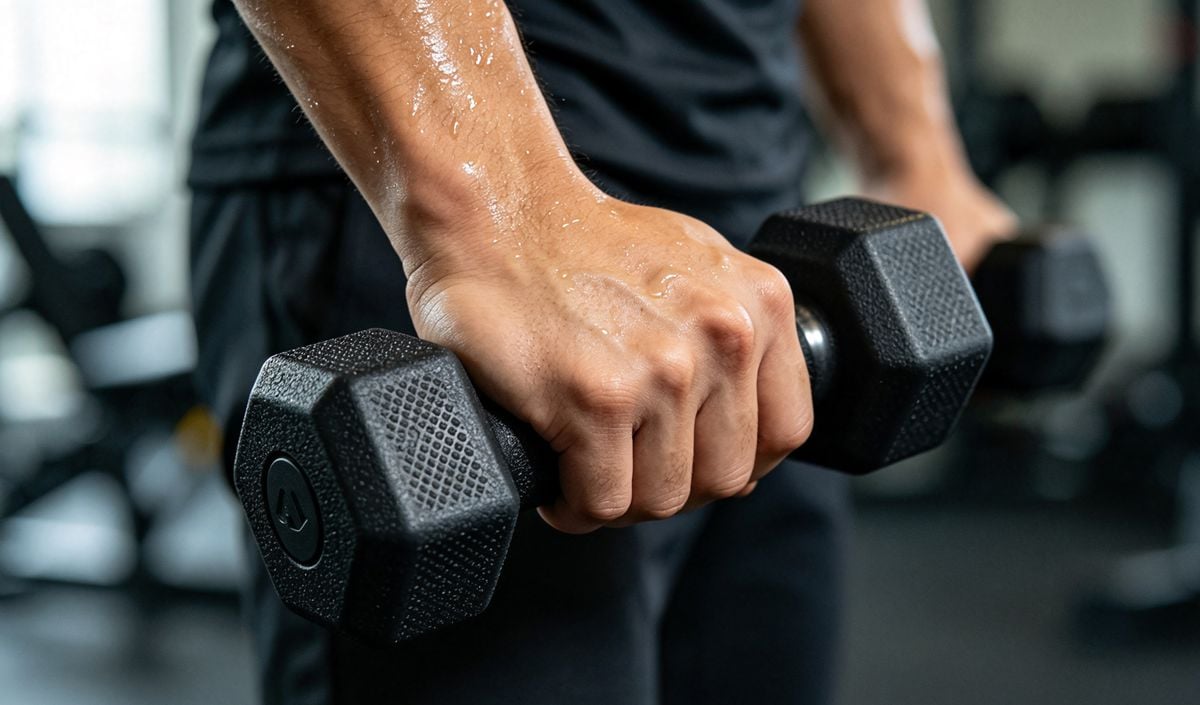
- Anti-Slip Grips: Traditional rubber gets slippery when wet. Adding KH-550 modified silica to TPE creates a Si-O-Si network, boosting dry/wet friction coefficients to 0.85 and 0.65 respectively, preventing dangerous slips during intense workouts.
- Resistance Bands: Standard bands lose >15% elasticity after 100k stretches. Hydrogenated SEBS-based TPE maintains an elastic modulus fluctuation of <8% between -10°C and 40°C, keeping residual deformation under 5% after 100k cycles, doubling product lifespan.
- Water Sports Gear: Swim goggles often yellow and harden due to seawater and sunscreen. UV-stabilized, hydrolysis-resistant TPE retains >90% of its performance after 500 hours of UV aging, preventing cracking and stickiness.
4. Optimizing the TPE Injection Molding Process
Common defects like sticking, shrinkage, and flow marks can be easily resolved through precise parameter tuning. When designing multi-material soft-touch parts, our overmolding process guide will help you avoid bonding failures: Which Process Wins for Grip & Function? Overmolding vs. Insert Molding
- Temperature Control: Use a 5-zone heating profile: 180°C - 200°C - 210°C - 205°C - 195°C. This prevents SEBS degradation while ensuring complete plasticization.
- Injection Speed: Employ a 3-stage "Slow-Fast-Slow" strategy. Slow fill at the gate to prevent flow marks, fast fill in the middle to pack the cavity, and slow fill at the end to prevent flash.
- Mold Design: Account for TPE shrinkage rates (0.5% ~ 2.8%). Set draft angles to ≥1.5°. Avoid mirror polishing on textured soft-grip surfaces to prevent demolding damage.
- Overmolding Best Practices:
- TPE over PP: Bonds directly via thermal fusion.
- TPE over PC/ABS or Nylon: Requires flame treatment of the rigid substrate and a dedicated adhesion-grade TPE to achieve peel strength >3 MPa.
The Future of TPE in Manufacturing
From the skin-friendly straps of smartwatches to high-rebound yoga mats, and from appliance seals to professional sports grips, TPE is redefining user experiences. Looking ahead, advancements in micro-cellular foaming and smart temperature-responsive modifications will bring ultra-lightweight TPE (density as low as 0.3 g/cm³) and color-changing smart protective gear to market, unlocking even more innovation for these dynamic industries.
For full-cycle injection molding process parameter tuning and defect troubleshooting across all thermoplastics including TPE, refer our core process guide: injection-molding-parameters-tuning-guide



 English
 French
 Dutch
Dutch German
 Japanese
 Korean