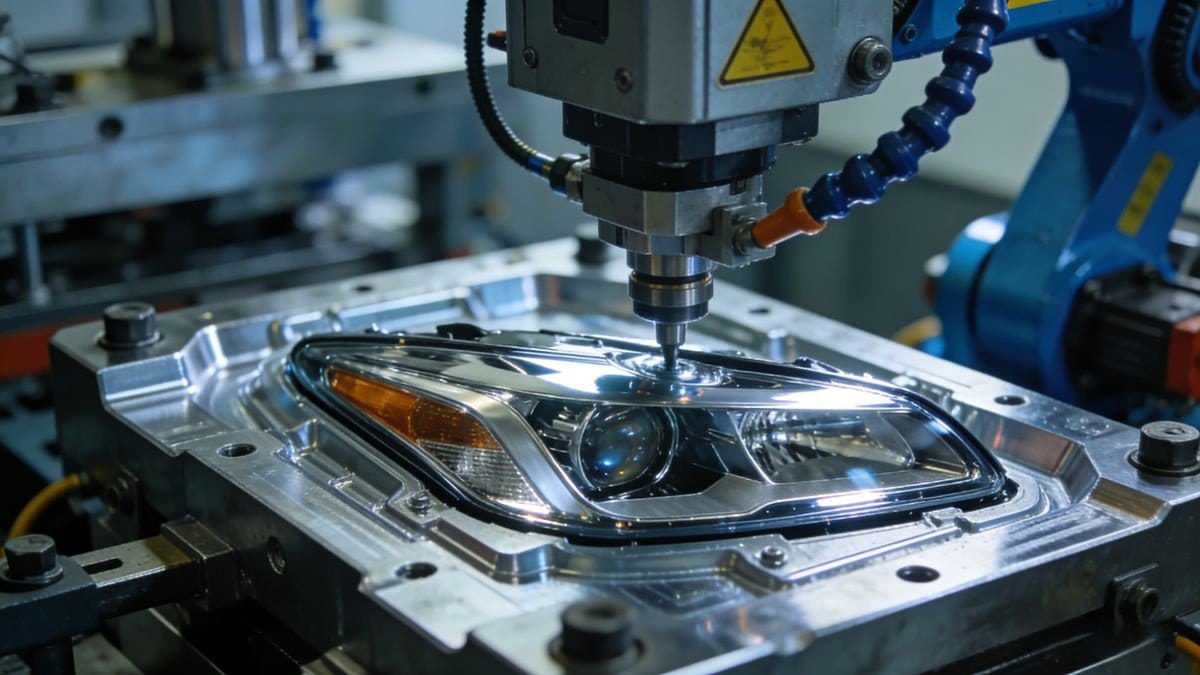
De kwaliteit van autoverlichting is cruciaal voor de rijveiligheid. Daarom stelt de regelgeving wereldwijd strenge eisen aan autoverlichtingssystemen. Het ontwerp van lampen moet niet alleen voldoen aan de veiligheidsnormen, maar ook aan aanvullende criteria: ze moeten naadloos integreren in de algehele esthetiek van het voertuig, zowel functioneel als visueel aantrekkelijk zijn, voldoen aan aerodynamische principes en het comfort en gemak voor bestuurder en passagier verbeteren. De technologie voor het ontwerpen van autoverlichting is dan ook snel mee geëvolueerd met de ontwikkeling van de auto-industrie.
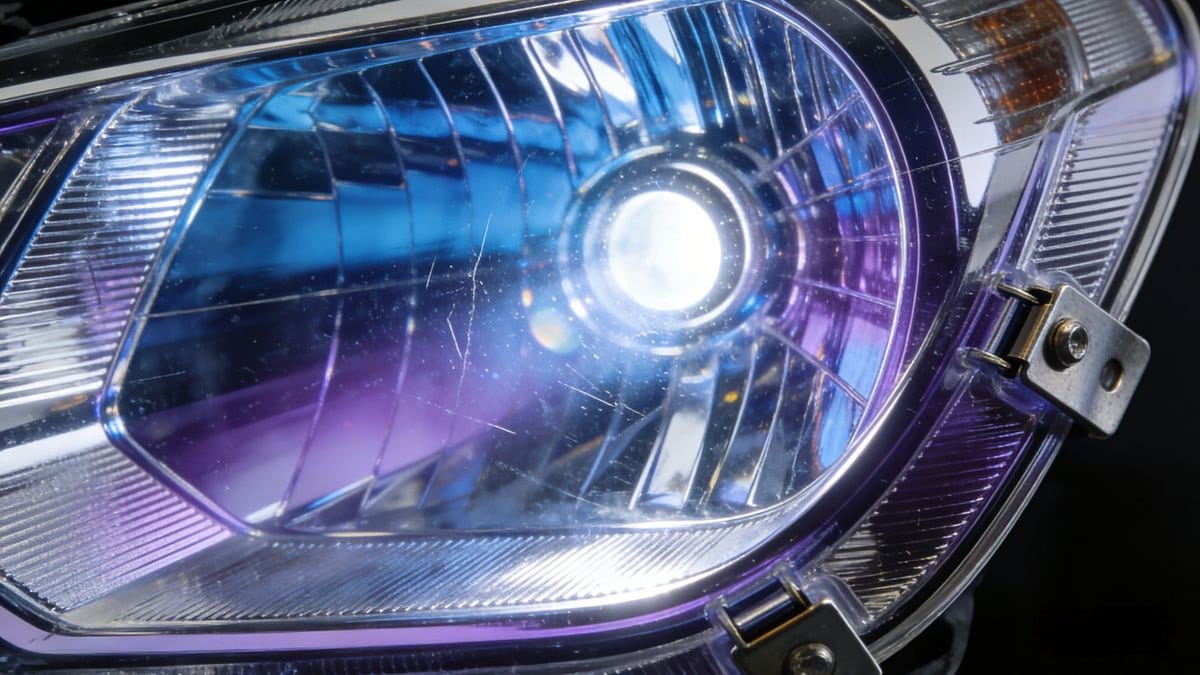
Materiaal- en proceseigenschappen van autolampen
Autolampen bestaan meestal uit een lampvoet en een behuizing. De lampvoet is meestal gemaakt van een thermohardend materiaal.BMC (Bulk Molding Compound). De behuizing kan aan de andere kant worden vervaardigd van materialen zoals PMMA, PP of ABS, vaak geproduceerd met behulp van twee- of driekleurige spuitgietprocessen.
Voor de productie van lampen met twee kleuren is de injectie-eenheid van de tweekleurig spuitgieten1 machine. De hartafstand tussen de twee schroeven moet precies overeenkomen met de hartafstand van de tweekleurenmal.
Belangrijke overwegingen voor lampfabricage
1. Factoren die van invloed zijn op stabiel gieten van lampen
- Reactie besturingseenheid: Lange schakeltijden, elektrische ruis, onstabiele opdrachtuitvoer en temperatuurschommelingen.
- Hydraulisch systeem Geluid: Onstabiele druk, slechte kleppositionering, hysteresis en variaties in de demping van de slang.
- Mechanische systeemvariaties: Lekkage van de interne oliekeerring, dempingseffecten, wrijvingsverschillen, positionering van de schroefkeerring en werking van de terugslagklep.
- Inconsistente plastificering: Variaties in plastificeerkwaliteit.
- Temperatuurregeling van de schimmel.
2. Veelvoorkomende problemen bij het ontwerp van speciale staaf- en schroefsamenstellingen voor achterlichten
- De schroef draait stationair zonder materiaal toe te voeren.
- Te hoog vereist koppel verhindert rotatie van de schroef.
- Onvolledig smelten van plastic.
- Instabiele schroefdosering.
- Slechte menging en homogenisatie van plastic.
- Problemen met temperatuurstijging bij het gieten van kunststoffen bij lage temperaturen.
- Bubbels in het gegoten onderdeel.
- Zwarte vlekken of vergeling in het gegoten onderdeel.
- Schroefcorrosie, slijtage en korte levensduur.
3. Belangrijkste ontwerpfocus voor weekmakende schroef- en vatsamenstellingen
De plastificeer schroef en het vat vormen het hart van een spuitgietmachine en zijn verantwoordelijk voor het voeden, smelten, mengen en doseren van de kunststof grondstof. De prestaties zijn daarom direct gekoppeld aan de kwaliteit van het uiteindelijke spuitgietproduct. De belangrijkste doelen van het optimaliseren van een plastificeerschroef zijn:
- Verbetering van schuif- en mengwerking.
- Gelijkmatig mengen.
- Het plastificeervermogen verbeteren.
- Zorgen voor een gelijkmatige smelttemperatuur.
4. Belangrijke ontwerpparameters voor speciale achterlichtschroeven2
- L/D-verhouding: 21~23
- Oppervlakteafwerking: Extreem glad om materiaalophoping te voorkomen.
- Plating: Verhoogde laagdikte voor verbeterde corrosiebestendigheid.
- Compressieverhouding: 2.3
- Zoneverdeling:
- Voerzone: Ongeveer 50%
- Compressiezone: Ongeveer 30%
- Meetzone: Ongeveer 20%