

Achieving the perfect surface finish in kunststof spuitgieten is critical for product quality. However, manufacturers often encounter surface gloss defects, resulting in dull, matte, or uneven finishes.
Generally, these defects stem from three main categories: Mold Faults, Improper Molding Conditions, en Raw Material Issues. This guide breaks down each cause and provides actionable solutions.
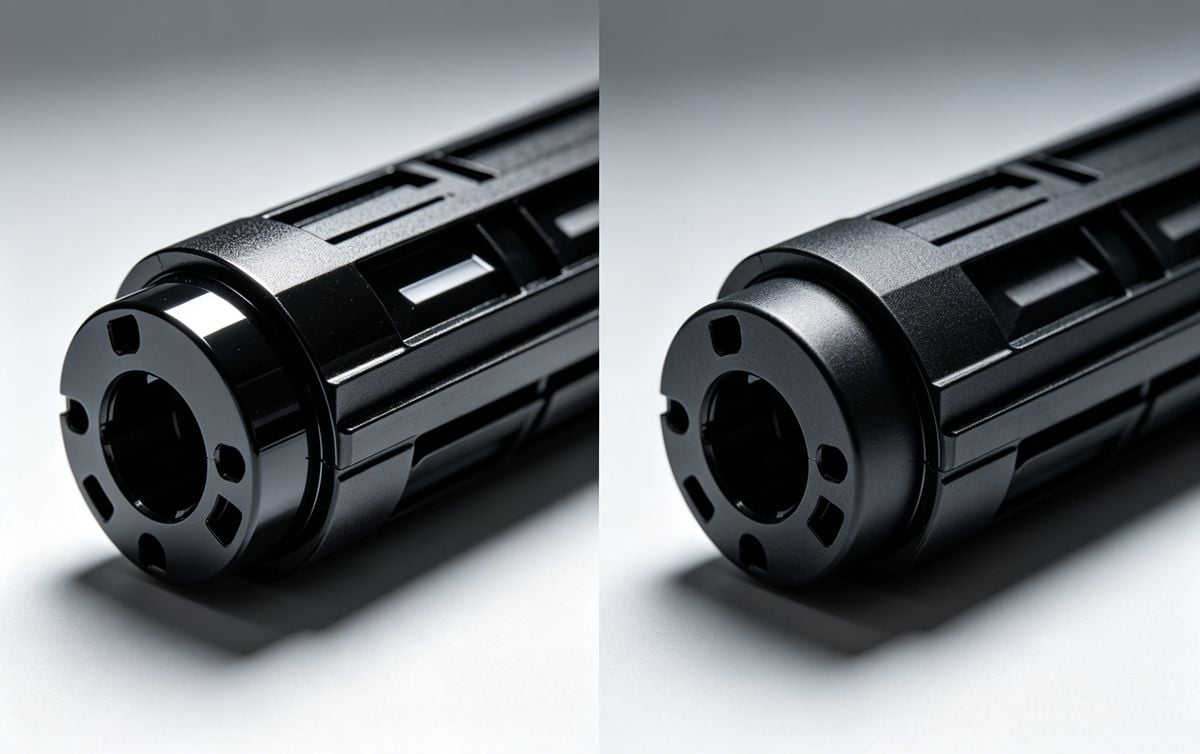
Mold Faults and Design Issues
Since the plastic part is a reproduction of the mold cavity, the condition of the mold is paramount. If the mold surface has scratches, corrosion, or micropores, these imperfections will be replicated on the plastic part.
Common Mold-Related Causes:
- Surface Finish: The cavity surface must have excellent smoothness. Polishing or chrome plating the cavity surface is recommended.
- Contamination: Oil, moisture, or excessive release agent on the cavity surface can cause darkening. Keep the mold clean and use release agents sparingly and correctly.
- Mold Temperature: This is a critical factor.
- Too Low: The melt solidifies instantly upon contact, preventing the plastic from replicating the mold's texture, leading to poor gloss.
- Oplossing: Increase the mold temperature. Using warm water in the cooling circuit helps transfer heat quickly without extending the cycle time significantly.
- Design Flaws: Small draft angles, sudden changes in wall thickness, overly thick ribs, or small gates can cause turbulence or poor flow. Poor venting also traps air, affecting the finish.
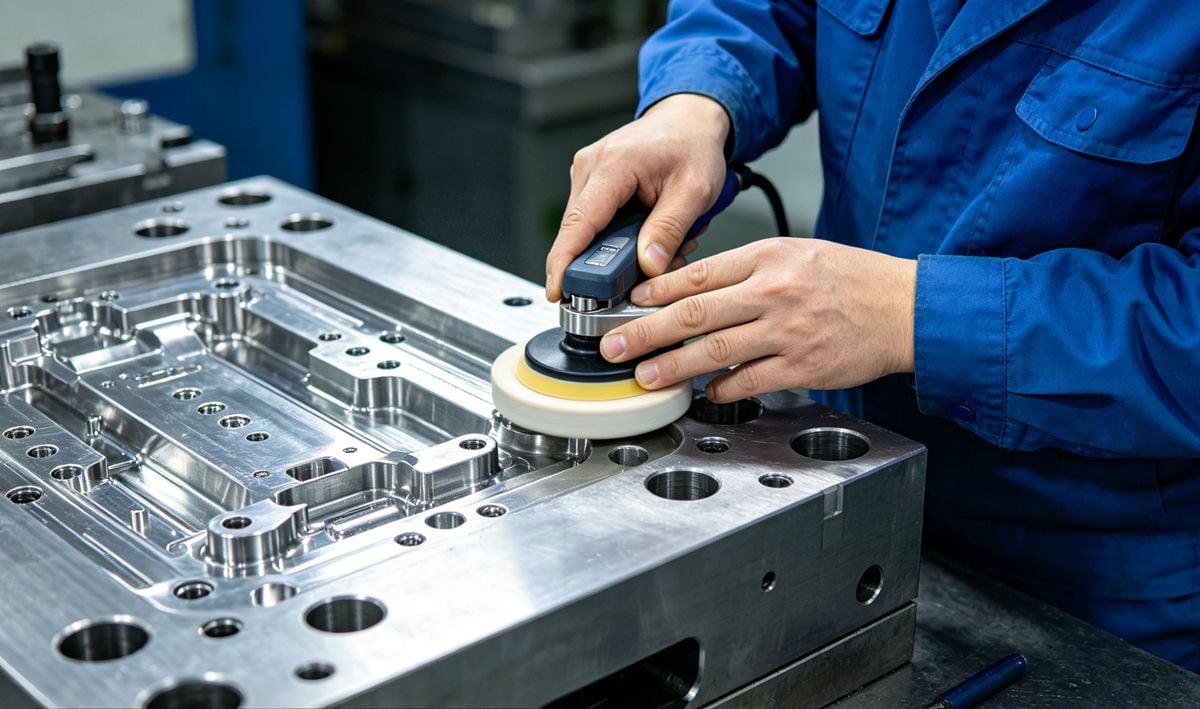
Improper Control of Molding Conditions
Even with a perfect mold, incorrect machine settings can ruin the surface finish. Parameters such as speed, pressure, and temperature must be balanced.
Key Adjustments:
- Injection Speed & Pressure: If the speed is too fast or too slow, or if injection pressure is too low, the surface may appear dull.
- Holding Pressure & Time: Insufficient holding time or pressure prevents the material from packing tightly against the mold surface.
- Nozzle Temperature: A cold nozzle or low barrel temperature results in poor plasticization.
- Fiber Reinforcement: For reinforced plastics, poor dispersion of fillers can lead to a "silver foil" appearance or exposed fibers.
Troubleshooting Specific Symptoms:
- Dark areas near the gate: Try reducing injectiesnelheid, relocating the gate, increasing gate size, or adding fillet transitions at thickness changes.
- Milky white layer: Usually indicates the injection speed is too high; reduce it slightly.
- Filler Dispersion Issues: Switch to a resin with better flow or use a screw with stronger mixing capabilities.

Raw Material Incompatibility
Sometimes the issue lies within the plastic pellets themselves. Using materials that do not meet processing requirements is a common cause of gloss failure.
Material Checklist:
| Issue Category | Oorzaak | Recommended Solution |
|---|---|---|
| Moisture | High moisture or volatile content creates condensation between melt and mold. | Pre-dry the raw material thoroughly. |
| Degradation | Resin or colorant decomposition due to heat. | Use higher temperature-resistant resins/colorants. |
| Flow Rate | Material viscosity is too high (poor flow). | Switch to free-flowing resin, add lubricant, or increase temp. |
| Contamination | Mixed foreign materials or incompatible polymers. | Replace with virgin/new material. |
| Particle Size | Uneven particle size distribution. | Sieve the material to remove outliers. |
| Crystallinity | Uneven cooling in crystalline resins (e.g., PP, PE). | Control mold temp carefully; cool thick parts in a cold press immediately after ejection. |
| Recycled Material | Too high a percentage of regrind affects uniformity. | Reduce the ratio of recycled material. |
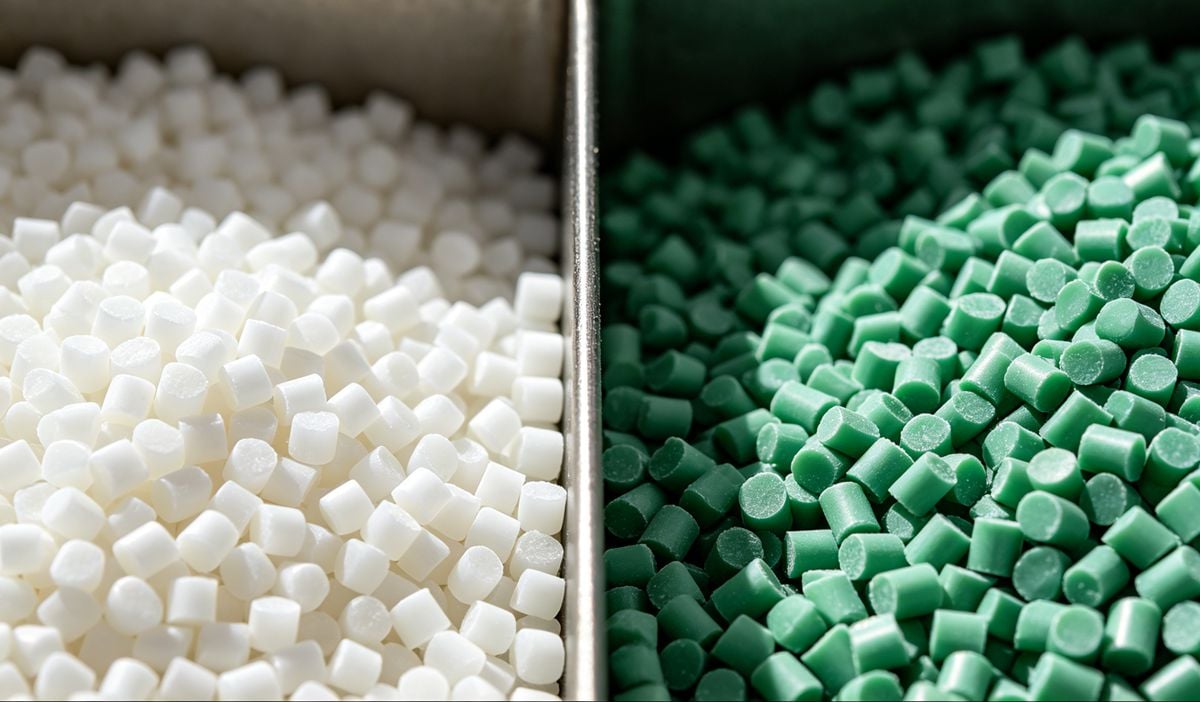
Summary
Fixing surface gloss defects requires a systematic approach. Start by inspecting the mold surface and temperature, then optimize your injection parameters (speed/pressure), and finally, verify the quality and dryness of your raw materials.




 English
 French
 Dutch
Dutch German
 Japanese
 Korean