

Inleiding
Proper venting is a critical yet often overlooked aspect of injection mold design. Inadequate venting can lead to a variety of defects, compromising both the quality and efficiency of the manufacturing process. This article explores the root causes of gas generation during molding, the negative consequences of poor venting, and professional solutions to ensure optimal results.
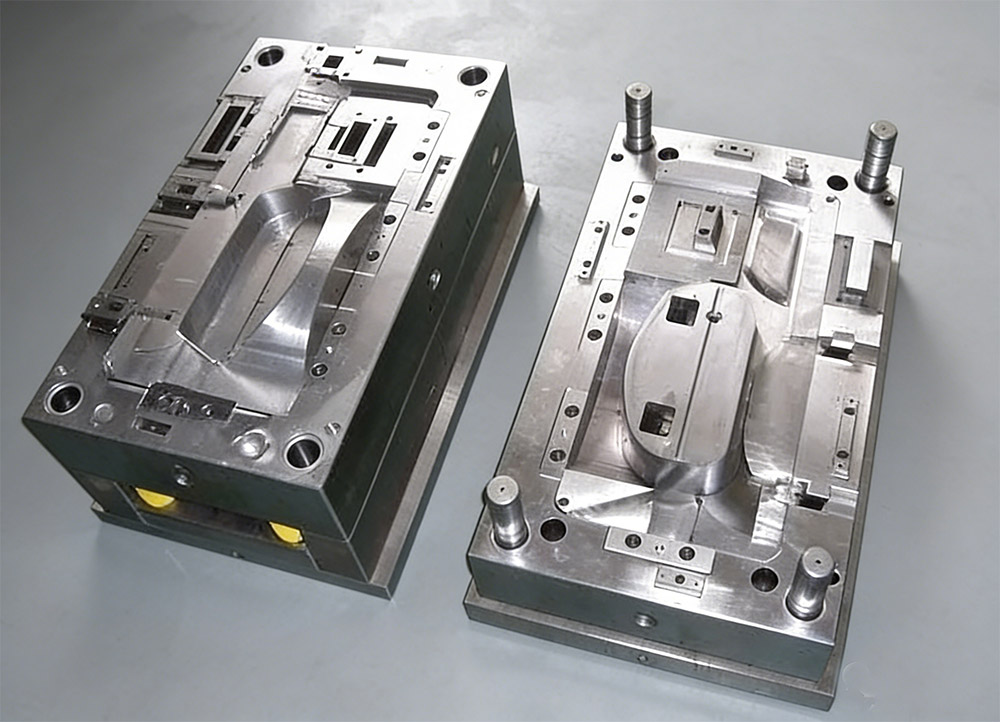
Causes of Gas Generation in Injection Molding
Understanding the source of gas is the first step in solving venting problems. Gas can originate from several sources during the manufacturing process:
- Trapped Air: Air present in the feed system or the mold cavity itself may not be expelled in time as the molten plastic fills the space.
- Insufficiently Dried Resin: If the plastic resin is not dried properly, residual moisture will evaporate into steam at high injection temperatures.
- Thermal Decomposition: Excessive injection temperatures can cause the plastic to degrade and release gases.
- Volatile Additives: Certain additives within the resin may volatilize or undergo chemical reactions. For instance, in thermosetting plastics, the curing process involves a polycondensation reaction that generates water and low-molecular-weight volatile gases.
- Residual Gases: Gases inherently trapped within the resin material.
Pro Tip: Always verify the material datasheet for specific drying requirements and thermal stability limits to minimize gas generation at the source.
Consequences of Poor Mold Venting
When gas cannot escape the mold cavity effectively, it leads to a range of quality issues and production inefficiencies:
- Short Shots and Poor Definition: Compressed gas creates back pressure, increasing flow resistance. This prevents the molten plastic from filling the cavity completely, resulting in incomplete parts or unclear edges.
- Visible Flow Marks and Weld Lines: Trapped gas disrupts the flow front, leading to visible flow marks and weak weld lines, which significantly reduce the mechanical strength of the part.
- Surface Defects: Gas permeating into the plastic layer can cause silver streaks, air pockets, porosity, and peeling.
- Burn Marks and Discoloration: Rapid compression of gas generates intense heat (diesel effect), causing local temperature spikes that can burn, discolor, or carbonize the plastic.
- Reduced Production Efficiency: Poor venting slows down the mold filling speed, extending the cycle time and negatively impacting overall productivity, especially in high-speed injection molding.
Professional Solutions and Design Considerations
To mitigate these issues, implementing effective venting strategies is essential.
- Optimize Venting Channels: Ensure vents are placed at the end of the fill path and have the correct depth (typically 0.02mm to 0.04mm depending on the material) to allow gas to escape without flash.
- Vacuum Venting Systems: For high-precision parts, consider using a vacuum system to actively remove air from the cavity before injection.
- Material Preparation: Strictly adhere to drying protocols for hygroscopic materials like Polycarbonate or Nylon.
- Process Control: Optimize injection speed and temperature to prevent material degradation.


 English
 French
 Dutch
Dutch German
 Japanese
 Korean