

Inleiding
Surface treatment is a critical step in plastic manufacturing1. It not only enhances the aesthetic appeal of the product but also improves functional properties such as hardness, conductivity, and durability. Whether you are working with ABS, PC, or PS plastics, choosing the right finish can significantly increase the product's market value.
In this article, we will explore 8 popular surface treatment methods2 used in the industry today.
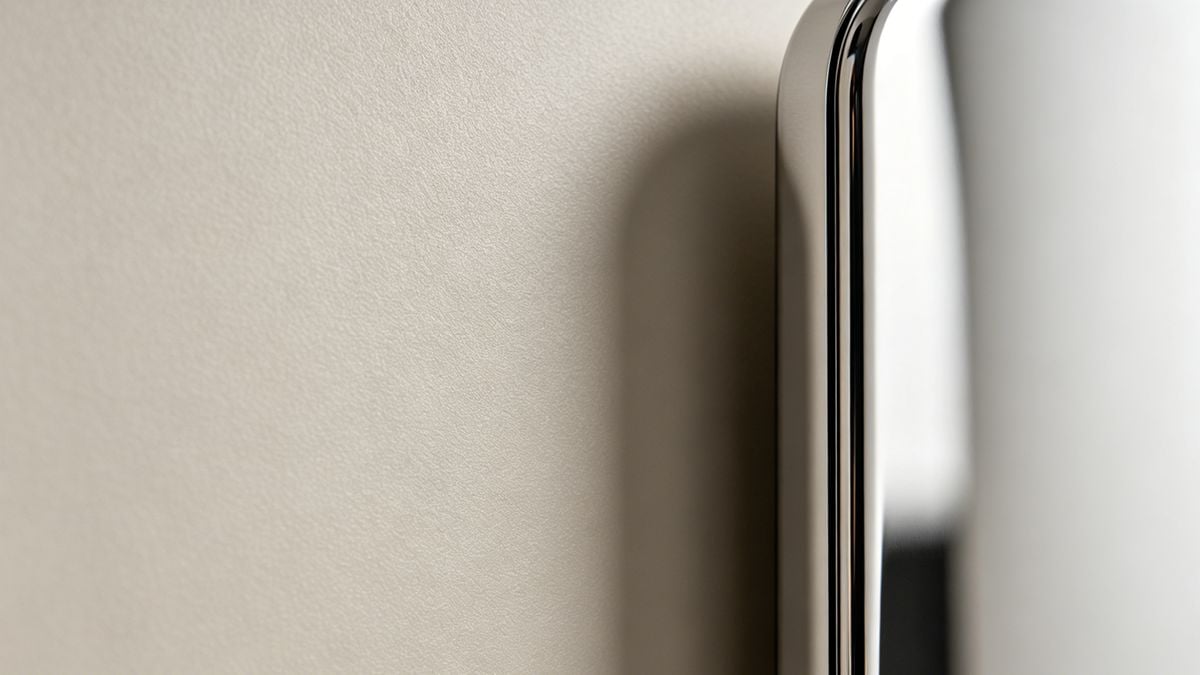
Metallic Shell Lacquer
The "Metal-Like" Finish
This method uses specialized shell lacquers to give plastic products a shiny, metallic appearance. While many plastics (like PC or ABS) already possess high hardness comparable to metal, applying this coating makes the product indistinguishable from real metal to the naked eye.
- Key Benefit: High-end metallic look at a lower cost.
- Best For: Electronic housings, automotive interior parts.
Galvanisch verzinken
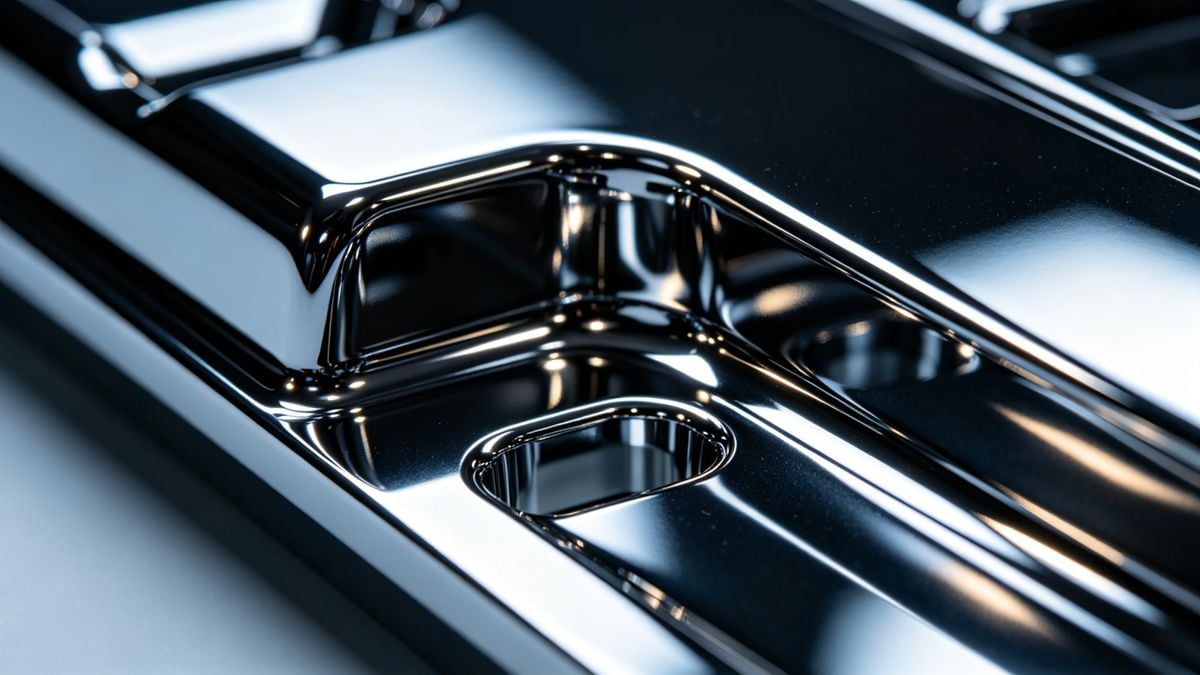
Shine and Durability
Electroplating, often using non-toxic silver pigments, creates a brilliant, reflective surface. This process is highly effective for engineering plastics like PC (polycarbonaat) en ABS (Acrylonitril Butadieen Styreen). The result is a dazzling surface that offers excellent wear resistance.
- Key Benefit: Superior visual effect and surface hardness.
- Best For: Bathroom fixtures, decorative trim, consumer electronics.
Rubber Paint Coating
Soft-Touch Feel
Rubber paint (or soft-touch coating) provides a unique tactile experience. Once applied, the plastic surface feels elastic, soft, and velvety. Beyond the feel, it adds functional value by providing resistance against pollution and solvents.
- Key Benefit: Enhances grip and provides a premium, soft feel.
- Best For: Handheld tools, toothbrush handles, gaming controllers.
Conductive Paint
Functional Metallization
This treatment allows plastic to function as metal in engineering applications. By applying conductive paint, the plastic surface gains electromagnetic shielding and conductivity properties. The resistance value can be customized based on specific requirements. This is widely used for PS (polystyreen) en ABS products.
- Key Benefit: Adds electrical conductivity and magnetic shielding to non-conductive parts.
- Best For: Electronic enclosures requiring EMI/RFI shielding.
Pearl Powder
Aesthetic Luster
Pearl powder is frequently used to enhance the beauty of cosmetic packaging. It adds a pearlescent sheen that increases the perceived value and aesthetic appeal of the product. It is particularly popular in industries where visual presentation is key.
- Key Benefit: Adds a luxurious, shimmering effect.
- Best For: Cosmetic containers, high-end gift boxes.
Luminous Paint
Glow-in-the-Dark Effect
Luminous paint allows plastic products to be visible in the dark. This coating absorbs light and re-emits it in darkness, making the product attractive and functional in low-light environments.
- Key Benefit: Safety and novelty factor; visible in the dark.
- Best For: Toys, safety switches, night-time decorative items.
Laser Engraving
Precision Detailing
Laser engraving is a versatile surface treatment used to etch designs, logos, or textures onto plastic. Similar to engraving on granite or steel, this method offers high precision and permanence for plastic components.
- Key Benefit: Permanent marking with high detail.
- Best For: Branding, serial numbers, textured grips.
Chameleon Paint
Color-Shifting Effects
Named after the lizard, this coating makes the plastic surface appear multi-colored and dazzling depending on the viewing angle. This "color-shift" effect significantly boosts the product's visual impact and cost-performance ratio, making it a favorite among consumers.
- Key Benefit: Dynamic color changes; highly eye-catching.
- Best For: Custom automotive parts, fashion accessories, limited edition electronics.
Summary Comparison Table
Here is a quick reference guide to help you choose the right process for your project:
| Process Method | Primary Effect | Best Material Compatibility |
|---|---|---|
| Metallic Lacquer | Metal-like shine & hardness | ABS, PC |
| Galvanisch verzinken | Mirror finish, wear resistance | ABS, PC |
| Rubber Paint | Soft-touch, elastic feel | Algemene kunststoffen |
| Conductive Paint | Electrical conductivity | PS, ABS |
| Pearl Powder | Cosmetic aesthetic, luster | Cosmetic grade plastics |
| Luminous Paint | Glow-in-the-dark | Algemene kunststoffen |
| Laser Engraving | Texture, permanent marking | Most Plastics |
| Chameleon Paint | Color-shifting visual | Algemene kunststoffen |
Conclusie
These eight methods are widely used in the plastic processing industry to enhance both function and form. From Conductive Paint meeting US and EU standards for electronics to Chameleon Paint driving consumer appeal, the right surface treatment can significantly improve your product's cost-performance ratio. Other methods, such as UV curing varnish, are also available depending on your specific needs.



 English
 French
 Dutch
Dutch German
 Japanese
 Korean