 한국어




Low Volume 사출 성형 서비스
Prove the design before you commit to it. Get production-grade molded parts in runs of 100 to 10,000 from rapid aluminium and soft-steel tooling—no minimum order quantity, no hardened steel tooling budget, and no guesswork.
- Instant Low Volume Quotes
Upload your CAD for a free DFM analysis and a firm price back in hours, not weeks. - Free DFM Analysis with Every Order
Manufacturability, wall stock, draft and gate review before a single chip is cut. - Production-Grade Materials & Finishes
Real engineering resins off a real press, with the texture and finish your product needs. - 최소 주문 수량 없음
Order the exact quantity your pilot, trial build or first production run actually needs.
Free DFM Analysis · Tooling in 7–15 Days
Start a Low Volume Injection Molding Project!

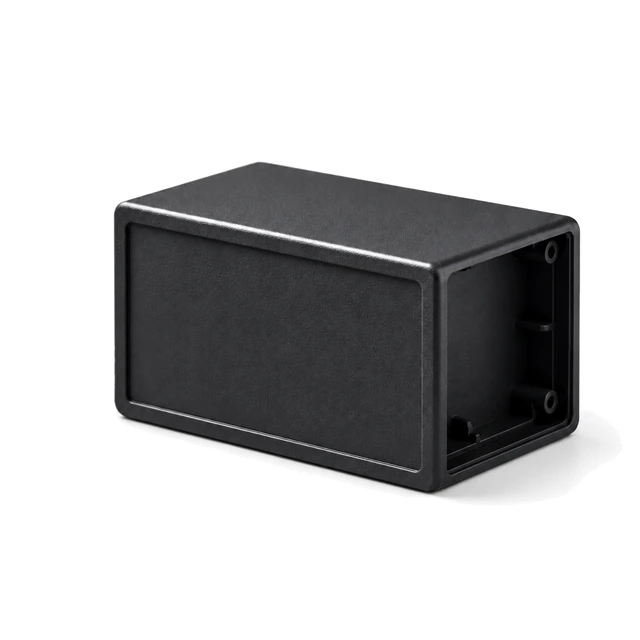

Instant pricing for short-run molded parts
CAD 파일을 여기에 올려주시거나, 클릭하여 둘러보기 단계STPIGESSTLOBJ3MFSATSLDPRTX_T CAD 파일을 업로드하여 즉시 견적 받기전 세계 엔지니어와 구매 담당 임원들이 신뢰하는 기업
100–10,000Parts per Run
7–15Days Tooling Lead Time
±0.02 mmAchievable Tolerance
ZeroMinimum Order Quantity
다음 기관들로부터 신뢰를 받고 있습니다수많은 기업들







IDEAL PRO Manufacturing has delivered 3,000+ injection molding projects with 99.8% on-time reliability over 20+ years, turning complex concepts into production-ready reality for 1,000+ clients worldwide.
What Is Low Volume Injection Molding?

Low-volume injection molding is the short-run side of the process: production-grade plastic parts molded in quantities from roughly 100 to 10,000 using rapid tooling—usually aluminium or soft steel—instead of a hardened, multi-cavity production mold. Because the tool is faster and far cheaper to build, the upfront investment drops and the lead time collapses, while the parts still come off a real injection molding press in the resin you specified.
At IDEAL PRO Manufacturing we treat low volume as a deliberate stage rather than a compromise. The same DFM discipline, process monitoring and metrology we apply to million-part programs are applied to your pilot run, so the parts you validate today are the parts you scale tomorrow—same material, same tooling strategy, no re-qualification cliff between prototype and production.
When to Choose Low Volume Injection Molding
Low-volume molding earns its place whenever the cost of tooling would otherwise outrun the value of the order. These are the three situations where it pays for itself fastest.
1
Market Testing & Pilot Builds
Put real molded parts in front of real customers, distributors or certification bodies before you commit to production tooling. You validate fit, feel and function in the actual material, then scale the same design into a hardened mold only once the demand is proven.
2
Cost Efficiency Without Steel Tooling
Aluminium and P20 tools remove the biggest line item in a molding quote. You avoid hardened multi-cavity tooling, shorten the path to first parts, and keep the budget available for the design and market work that actually de-risks the launch.
3
Bridge Production
When the mass-production mold is still being cut but the order book is already moving, a soft tool keeps shipments flowing. The same CAD, the same resin and the same quality gates carry into your hard tool, so nothing has to be re-approved.
Low Volume Injection Molding Manufacturing Network
Our low-volume network runs presses from 90 to 830 tons with dedicated project engineers, so a pilot order, a bridge batch and a small production run all move through the same controlled process—one point of contact, one quality standard, from the first article to the last carton.
CAPABILITY
Built for Short Runs
- •No minimum order quantity: run exactly the quantity the build needs
- •Cost-efficient tooling: aluminium and P20 steel molds instead of hardened steel
- •Fast turnaround: 7–15 day tooling, then shipped sample parts for approval
- •Scalable production: upgrade to multi-cavity tooling when demand grows
PRECISION
Stable, Engineering-Friendly Tooling
- •Stable precision: repeatable tolerances down to ±0.02 mm
- •Modular inserts: swap cavity details for faster design changes
- •Free mold flow analysis: fill, weld line and warp review before cutting metal
- •Audited quality gates: documented first-article and final inspection on every run
Specialized Injection Molding Servicesfor Every Program
Low volume is rarely the whole story. Most programs pair a short-run molding order with tooling work or with a second molding technique, so we keep those capabilities under one roof and one project manager—no hand-offs, no re-quoting, no re-learning your part.

Low Volume Injection Molding Parts Gallery
Production-grade components we routinely mold in short runs—from functional brackets and housings to moulded connectors and medical-grade parts. Every one of them started as a customer CAD file and a DFM review.
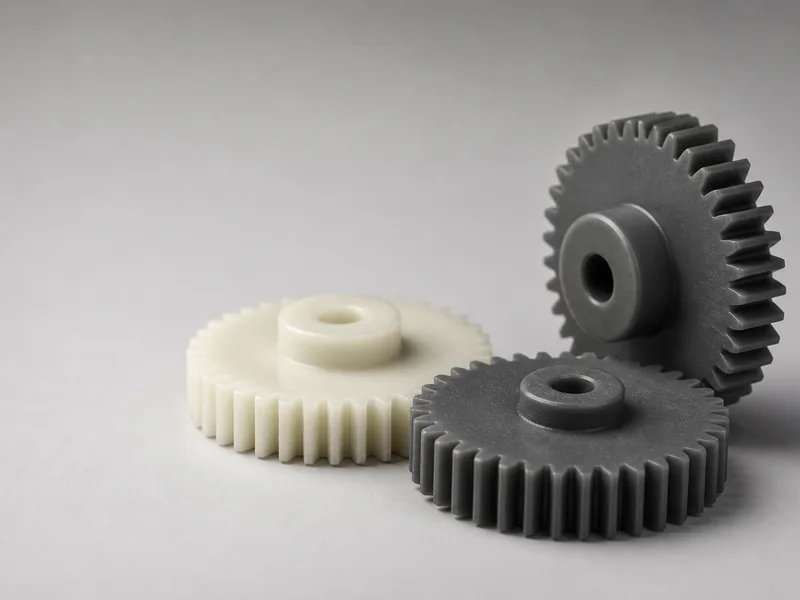
Precision Gears
POM and glass-filled nylon gears molded with tooth geometry and bore accuracy held across the run.
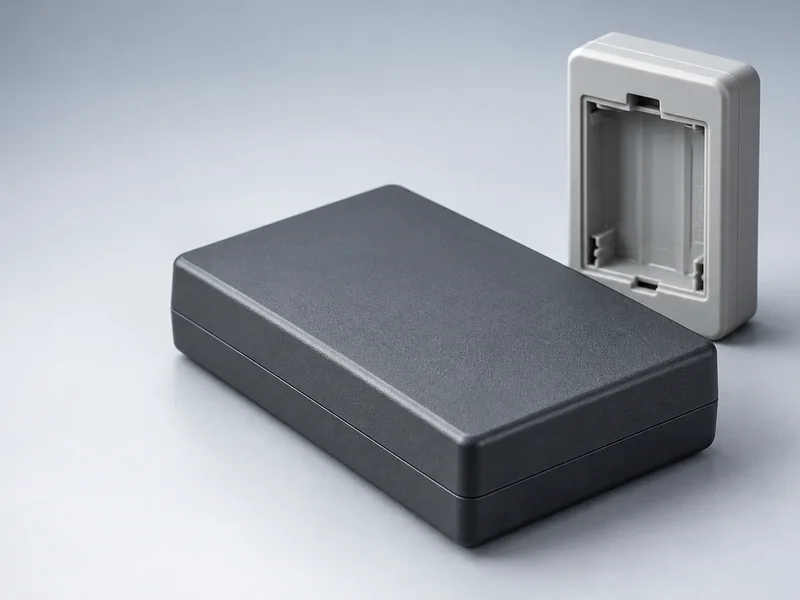
Electronic Housings
ABS and PC-ABS enclosures with molded texture, snap features and consistent wall stock for pilot builds.
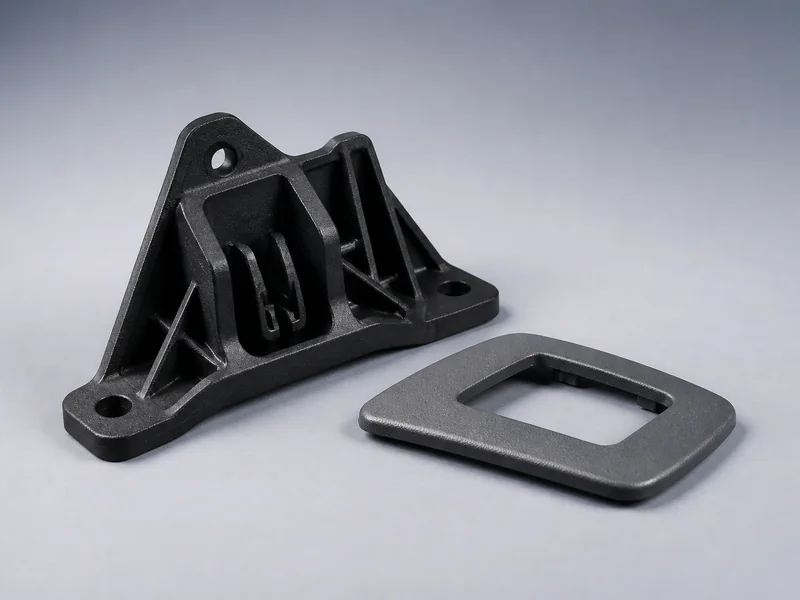
Automotive Components
Ribbed brackets and grained trim parts for prototype vehicles and validation fleets.
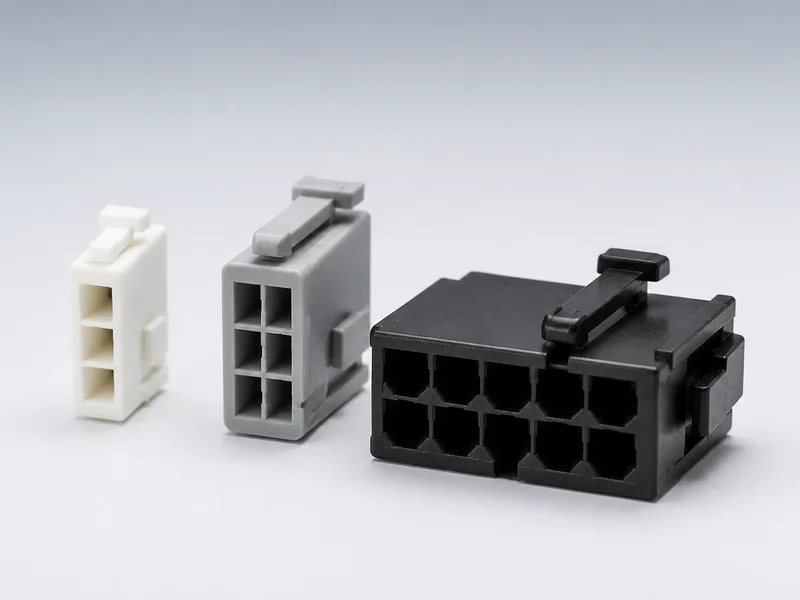
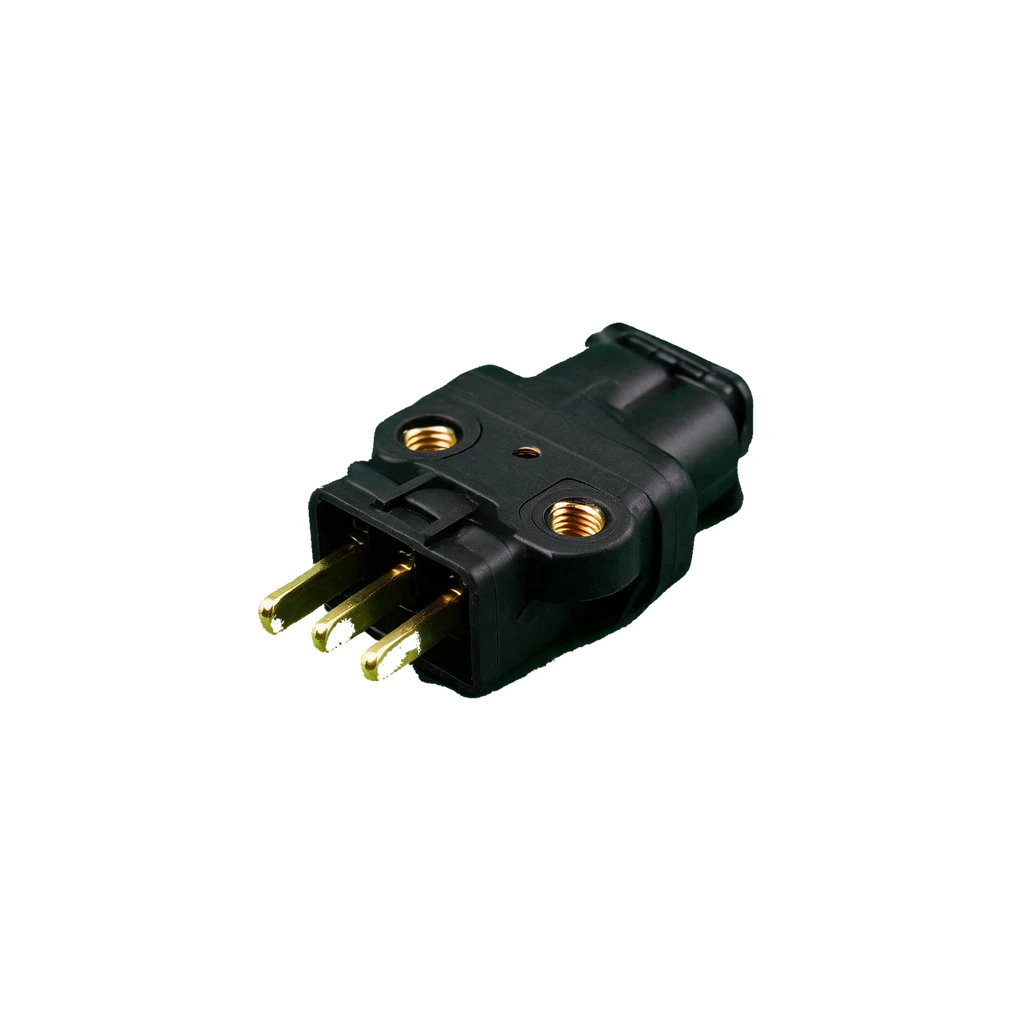
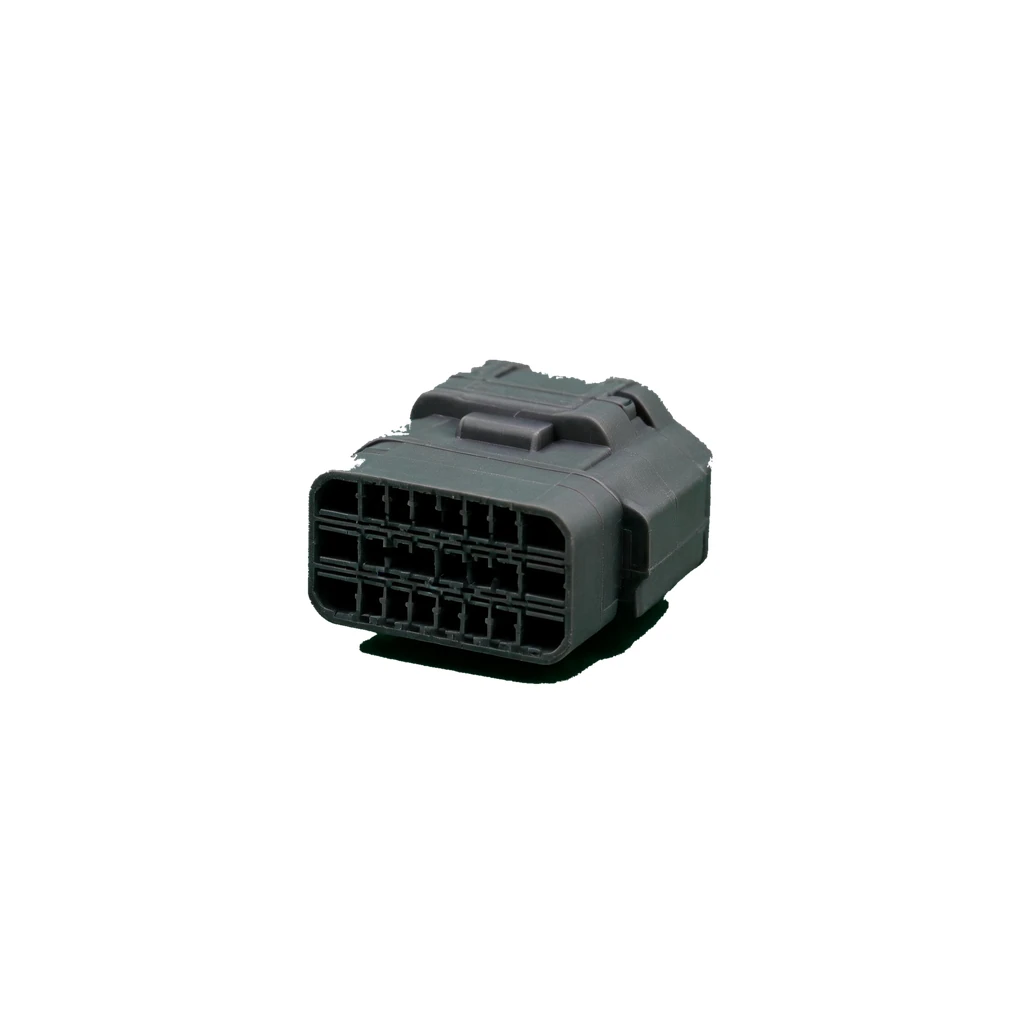
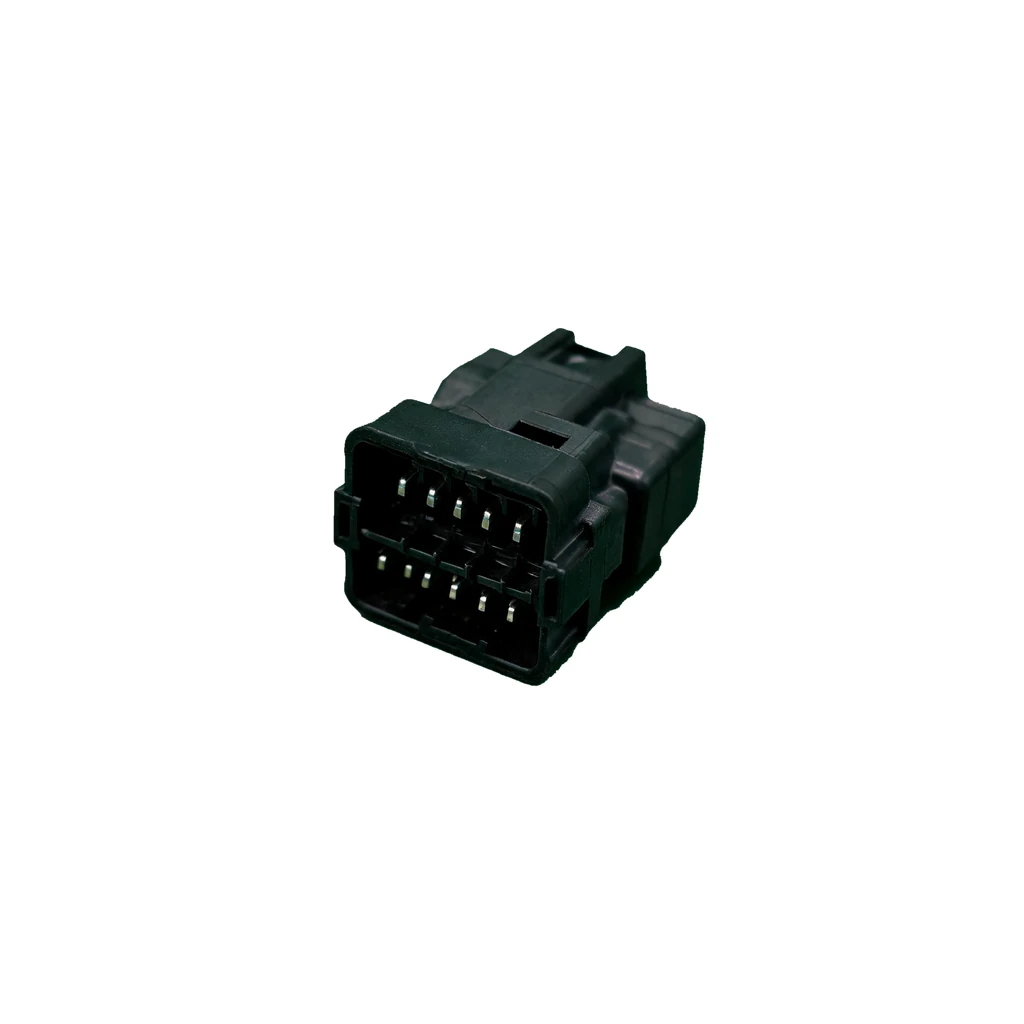
Connectors
Polarised connector bodies with molded latch arms and clean contact cavities, 500 to 5,000 pieces.
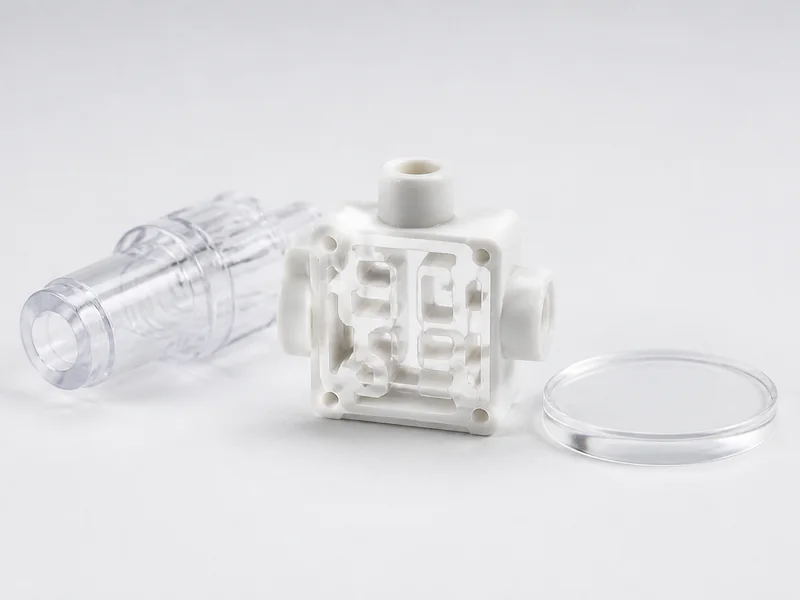
Medical Parts
Clean PC and PP fluidic and device components for verification builds and clinical trials.

Robotics & Automation
Actuator housings, chain links and pulleys molded in engineering resins for machine builders.

Aluminium Mold
A CNC-machined aluminium tool, typically good for 100–5,000 shots at the lowest tooling cost.
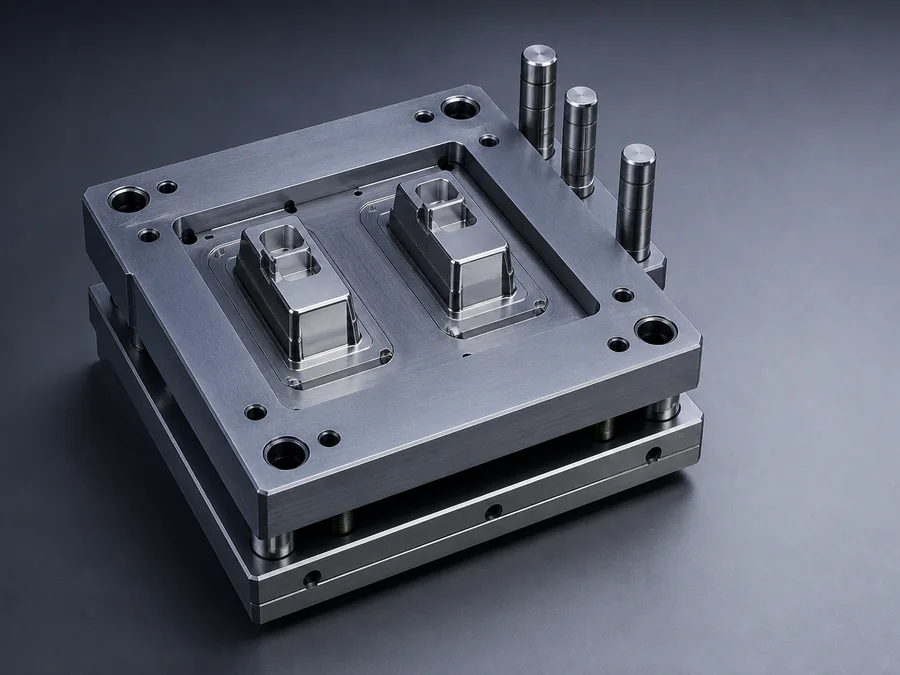
Steel Mold
A P20 or 4140 soft-steel tool that holds tighter tolerances over longer runs of engineering resin.
Our Low Volume Manufacturing Process
Four controlled stages take your file from engineering review to shipped parts. Each one has a defined deliverable and an owner, so you always know what happens next and what it costs.
1
Design Review
An automated and engineer-reviewed DFM check confirms wall stock, draft, radii and gate positions, so your part is mold-ready before any metal is cut.
2
Rapid Tooling
Your aluminium or P20 steel mold is built in-house in 7–15 days, with modular inserts chosen so design changes stay cheap and fast.
3
T1 Trial
First-shot samples are molded, measured and sent for your approval, together with a dimensional report and a documented tooling log.
4
제작
Approved parts go into controlled batch molding with in-process monitoring, then final inspection and packaging before they ship.
Tooling Options for Low Volume
The tool decides what a short run can cost and how long it takes. We recommend the option that matches your quantity, resin and tolerance—and we tell you when a cheaper tool would do the job just as well.
100–5,000
Parts
Aluminium Molds
The quickest and cheapest way to get real molded parts. Ideal for pilot runs, market testing and design verification, with tooling in 7–15 days and low-cost, fast design changes.
- •Tooling lead time from 7 days
- •Lowest upfront investment
- •Easy to modify between revisions
5,000–25,000
Parts
Soft Steel (P20, 4140)
When the run is longer or the resin is abrasive, a soft-steel tool holds better wear resistance and tighter tolerances than aluminium, and suits harder engineering plastics.
- •Better wear and tighter tolerance
- •Suitable for glass-filled engineering resins
- •Bridges the gap to full production

Multi-Part
Runs
Family Molds & Multi-Cavity
Combine several different parts in one tool, or increase the number of identical cavities to raise output per cycle—without jumping to a full production mold.
- •A whole assembly from a single tool
- •More parts per cycle, lower unit cost
- •Upgradeable as demand grows
Low Volume Injection Molding Materials
The tool decides the cost of a short run; the material decides whether the part works. We help you match each project to the right engineering-grade thermoplastic or elastomer, so a low-volume batch performs exactly like the production part it precedes—durable, stable, and compliant with your application's requirements.
PLASTICS
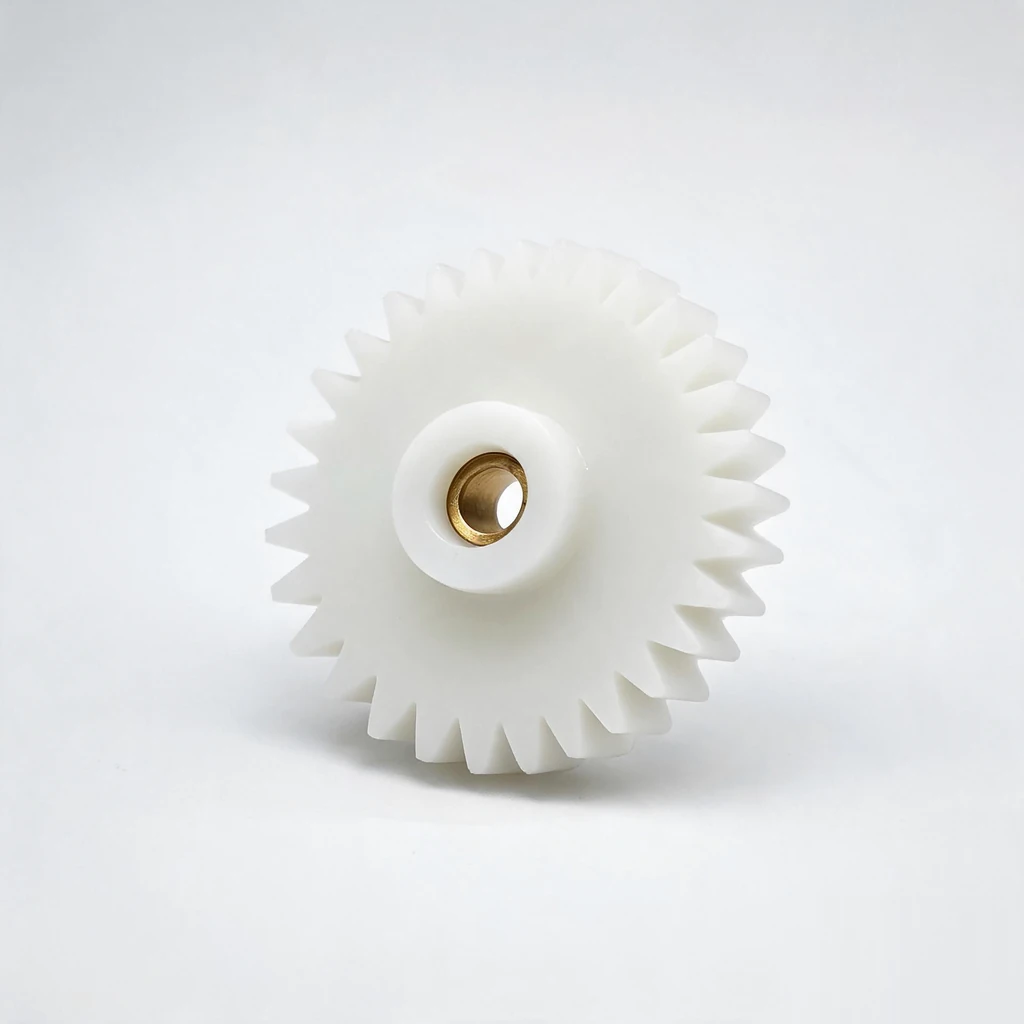
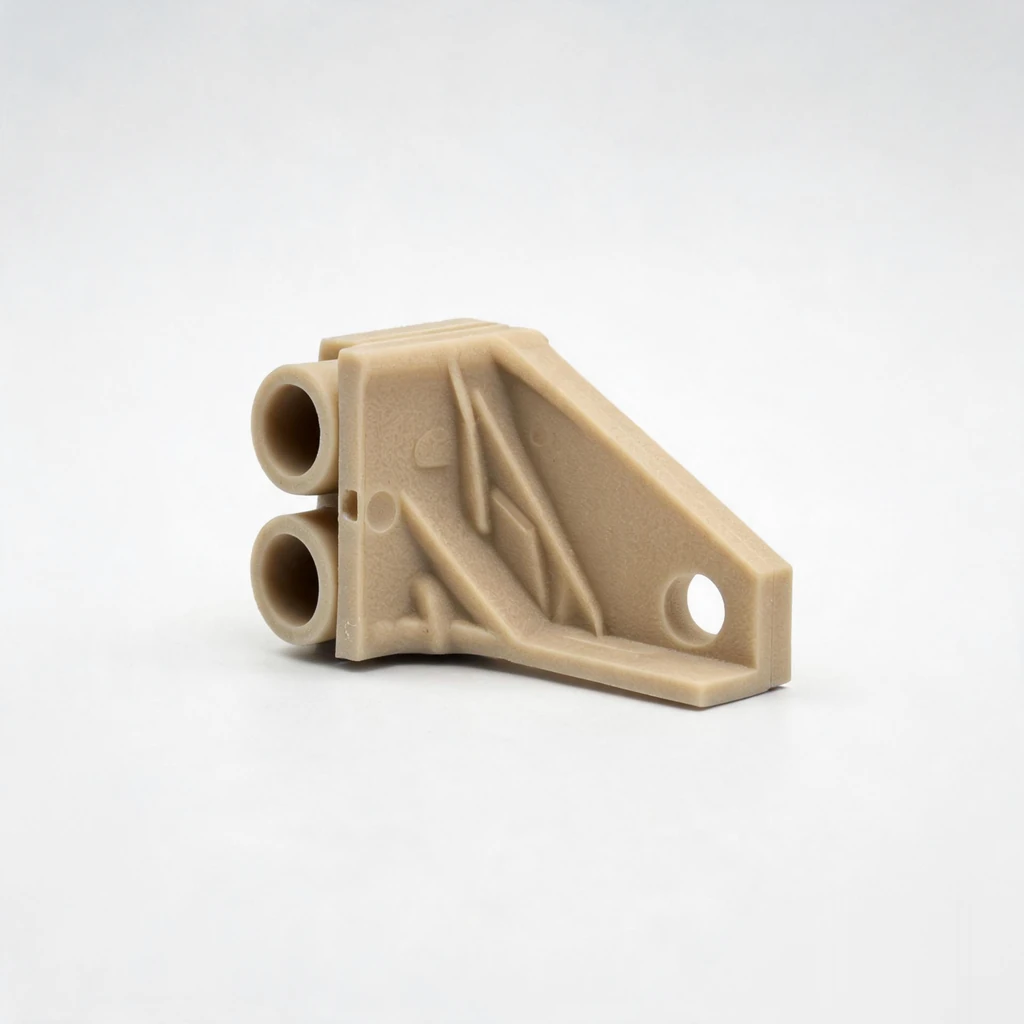
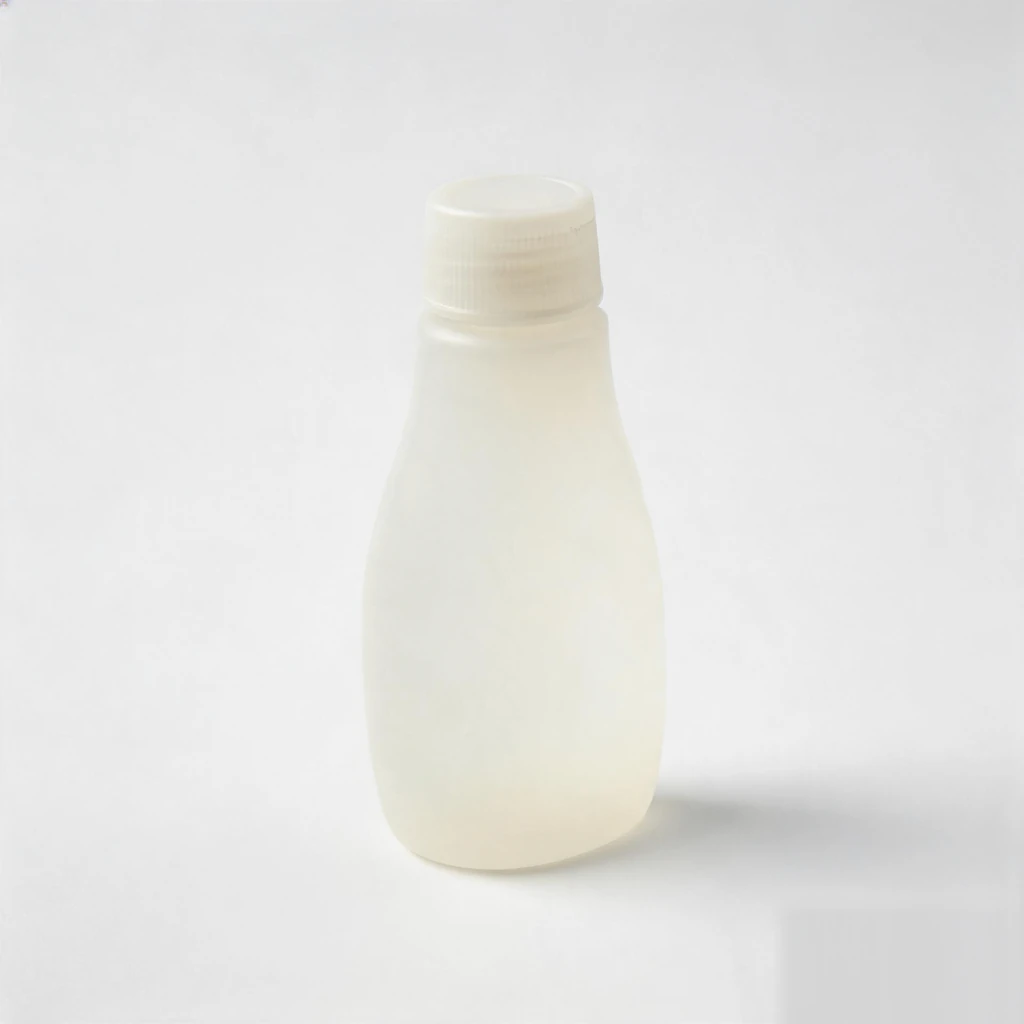
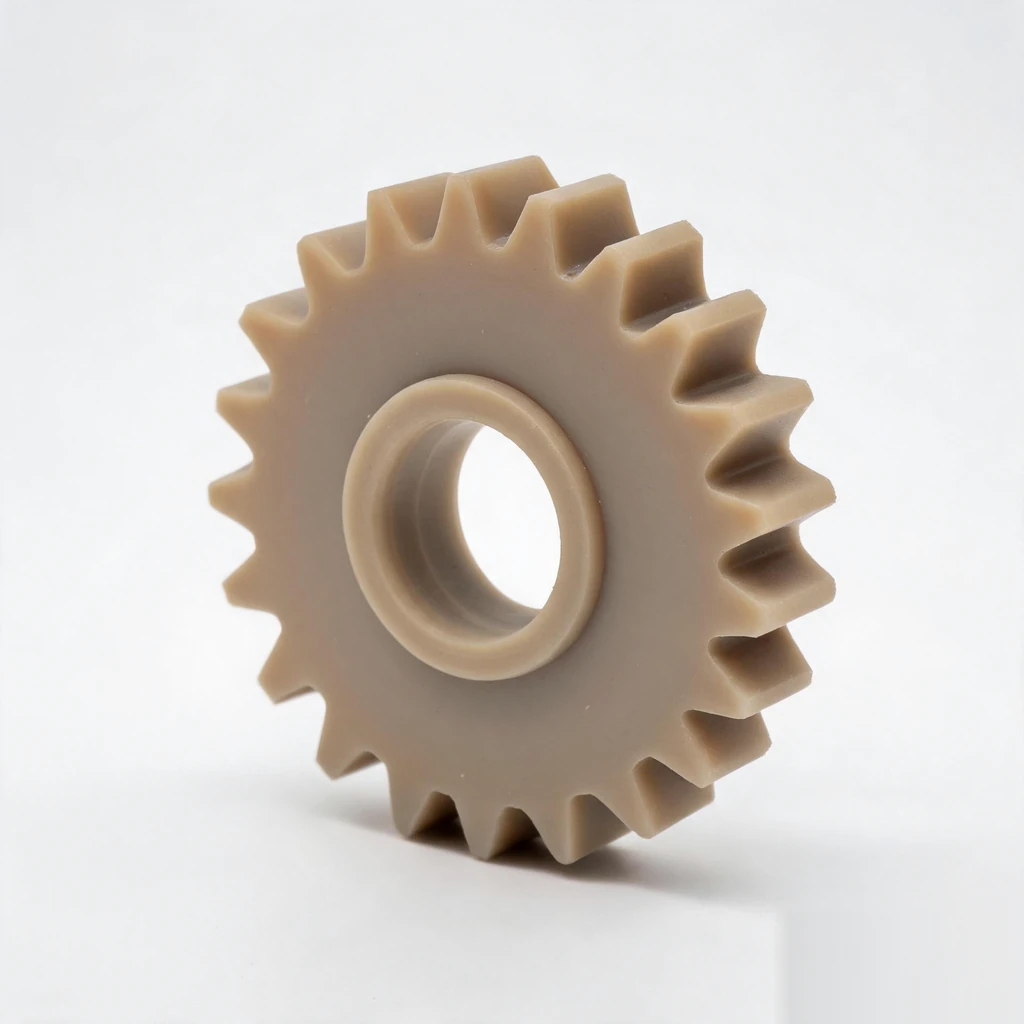
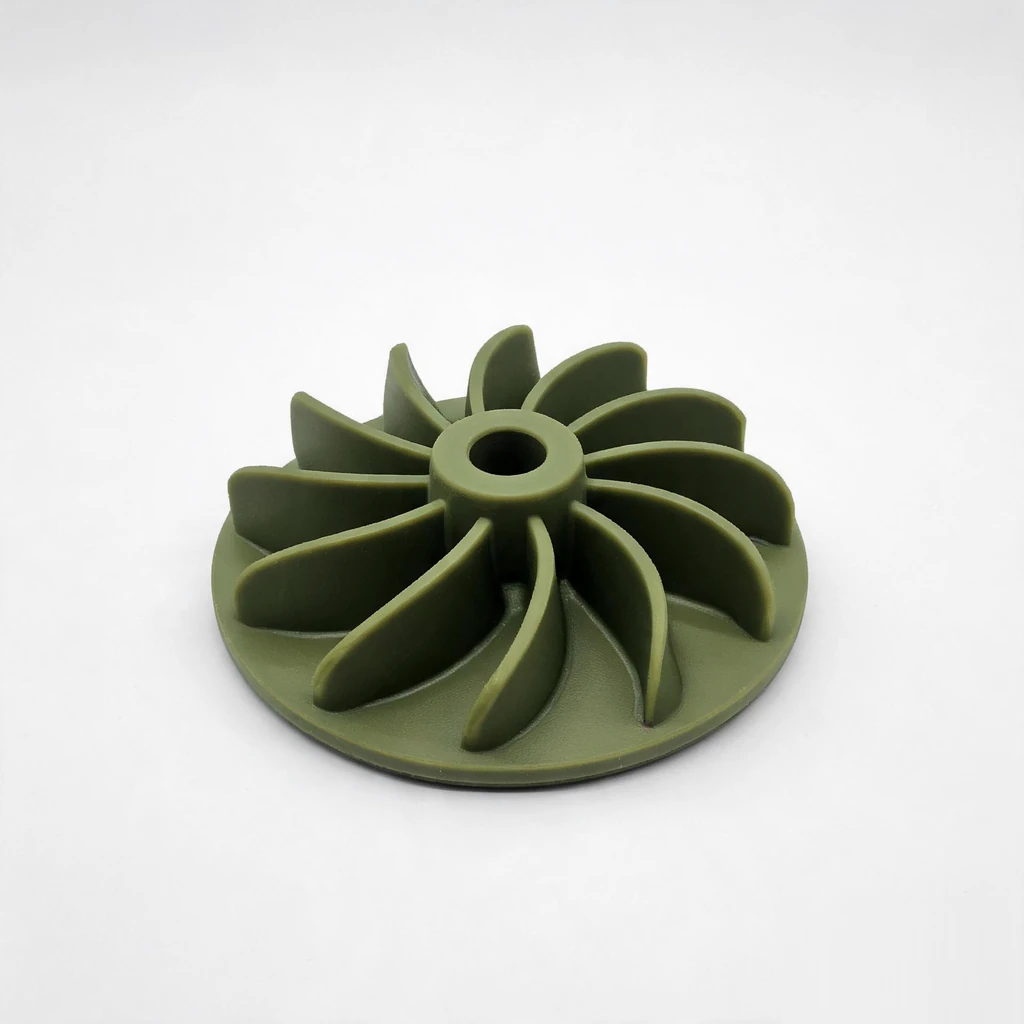
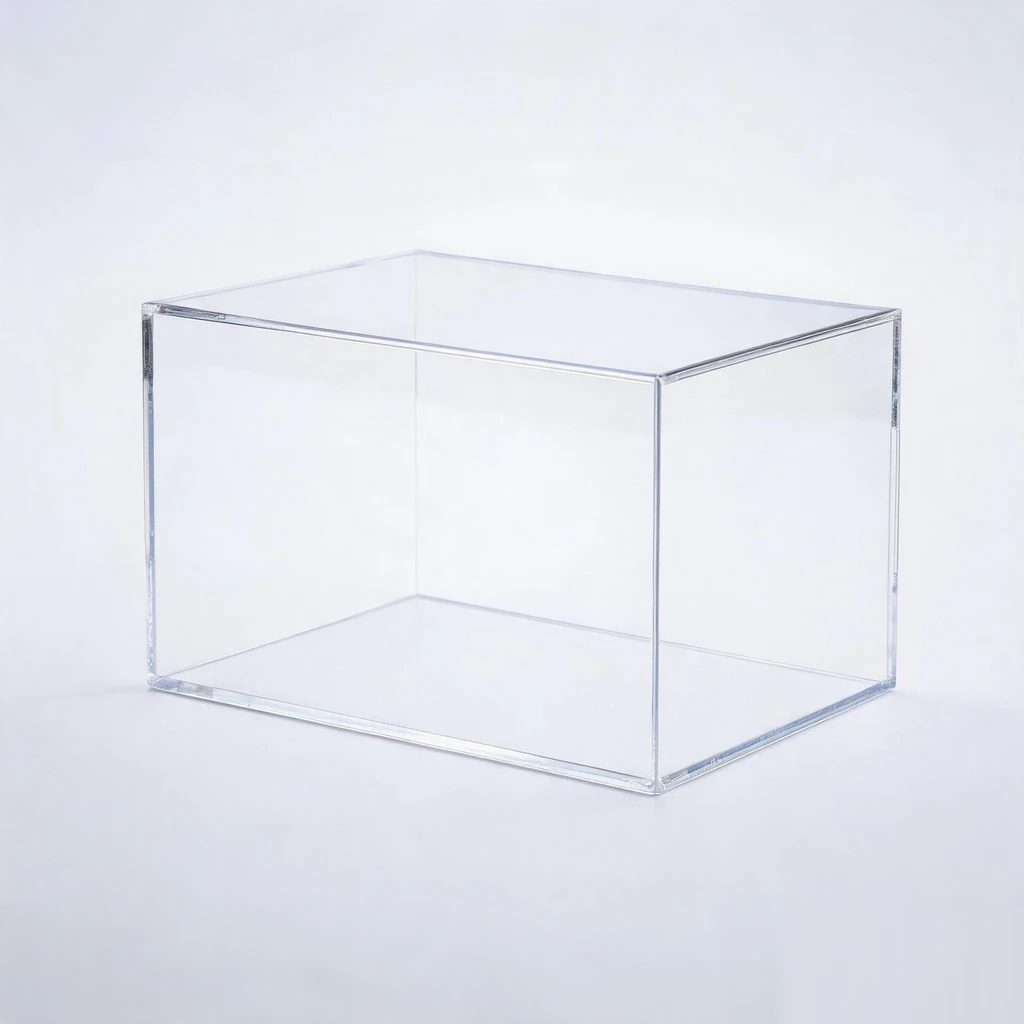
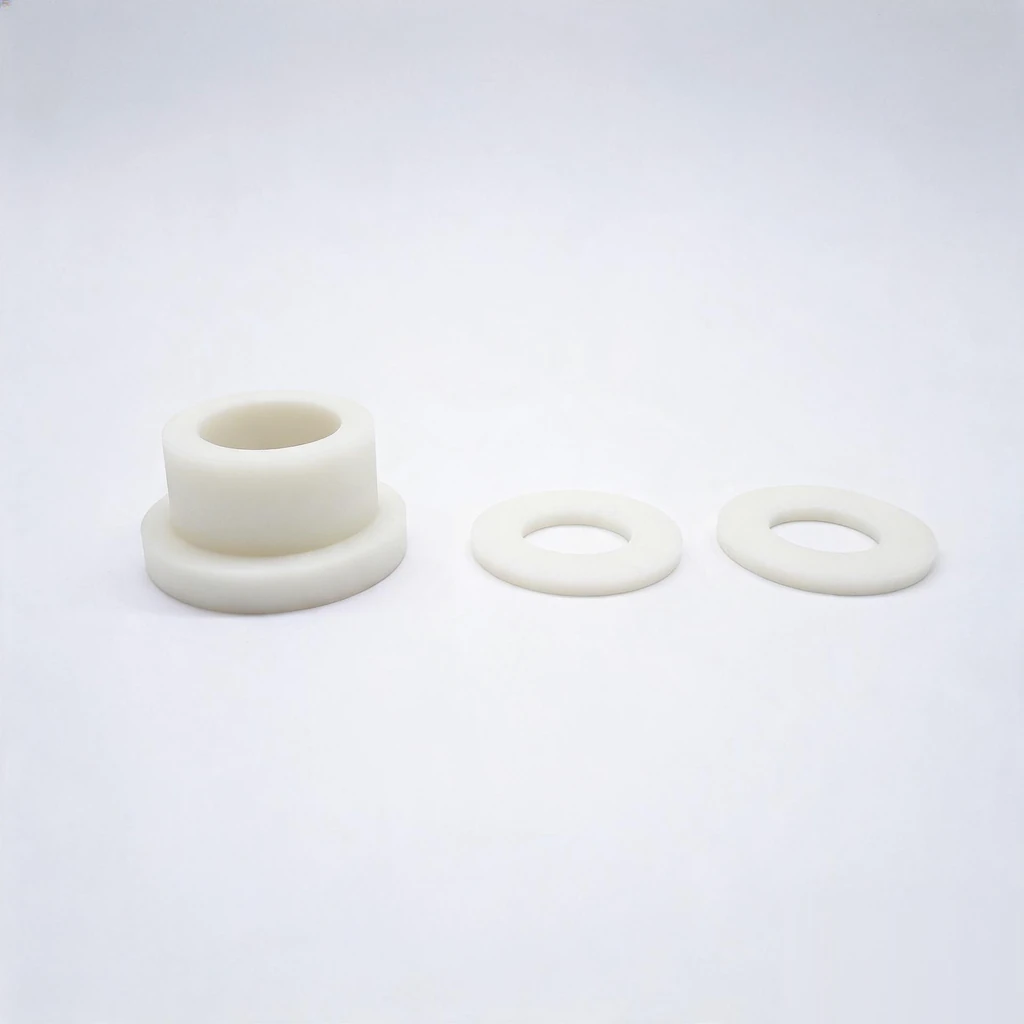
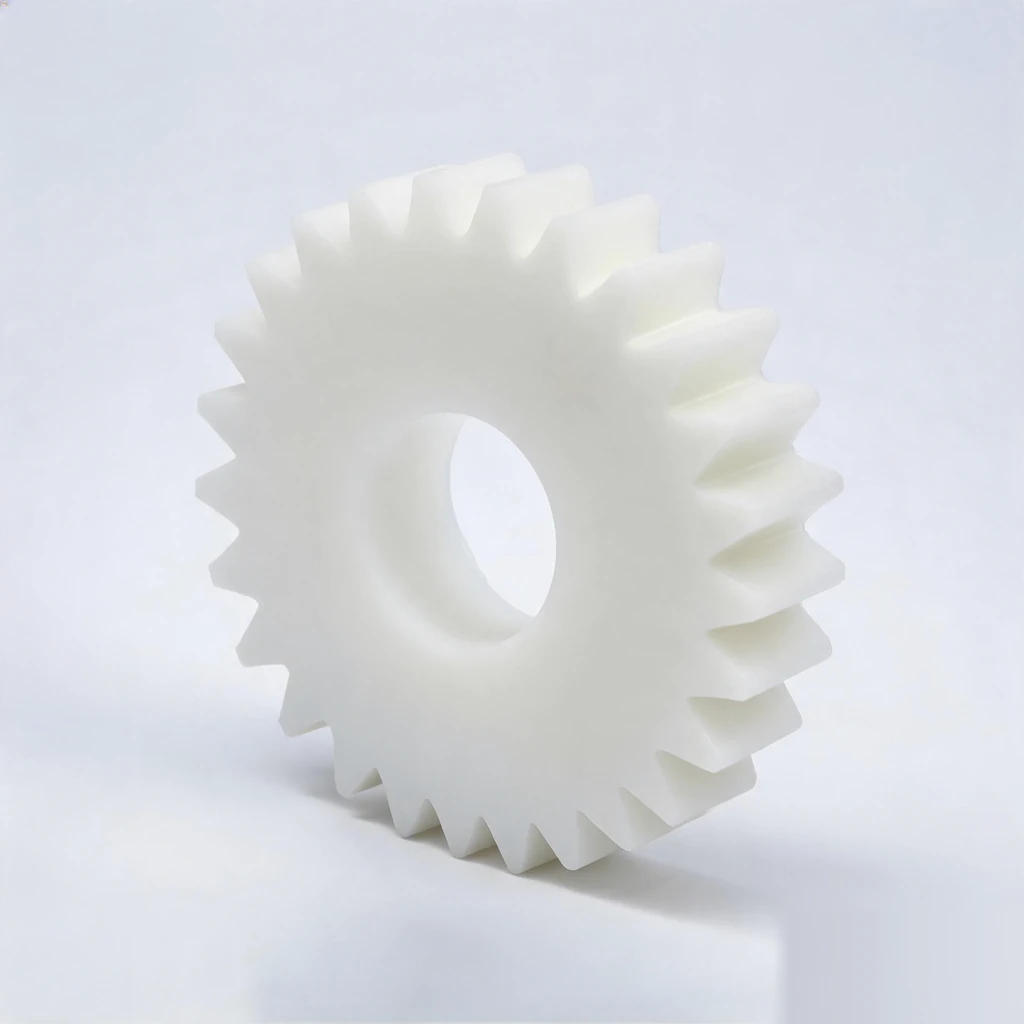
ABS
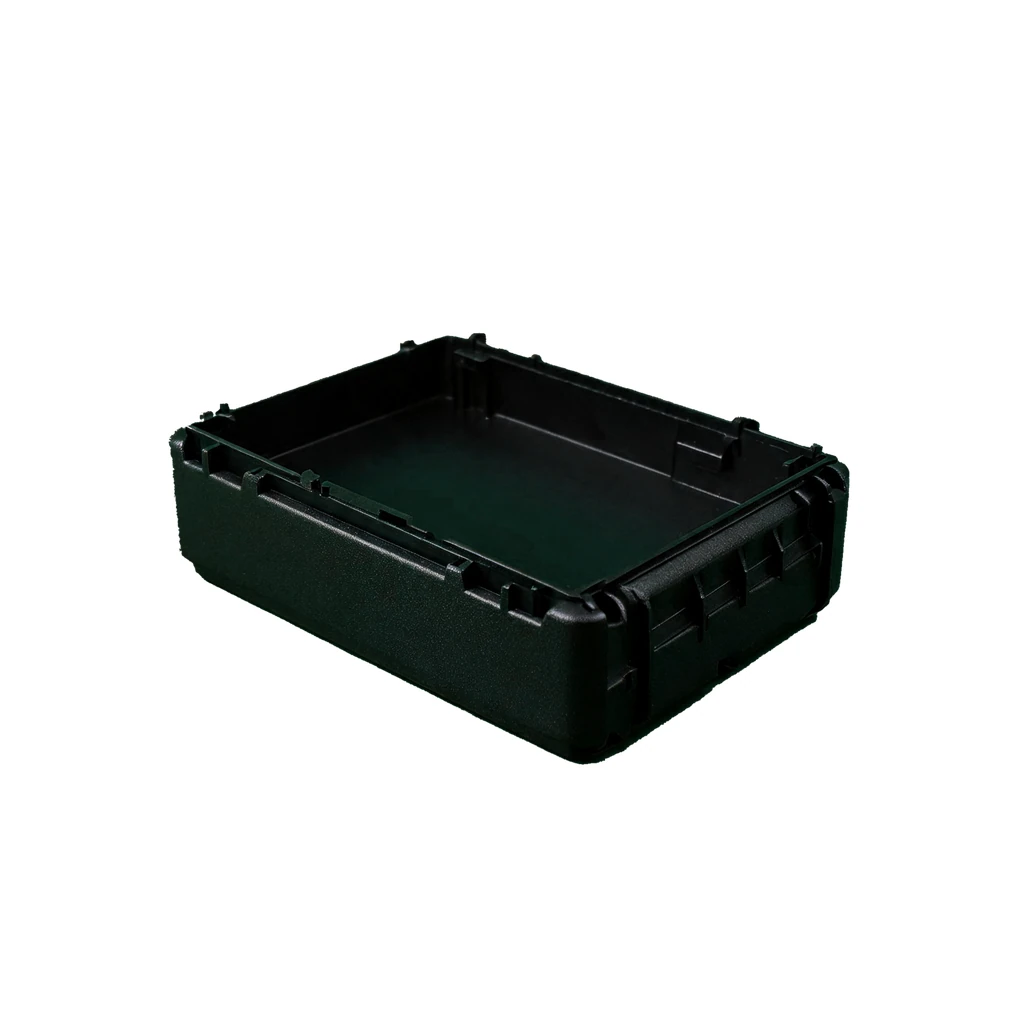
ABS
ABS provides impact resistance, structural strength, and ease of modification, making it ideal for housings, prototypes, and functional components that require durability and cost-effectiveness.
색상:
베이지검정흰색
하위 유형:ABS Natural (Beige), ABS Black, ABS White,
ABS+PC Blend, Flame Retardant ABS, Anti-static ABS
Available Finish:As machined, Sand blasting, Painting, Texture
coating, Vapor polishing
가격:$$$
Lead Time:영업일 기준 약 5일
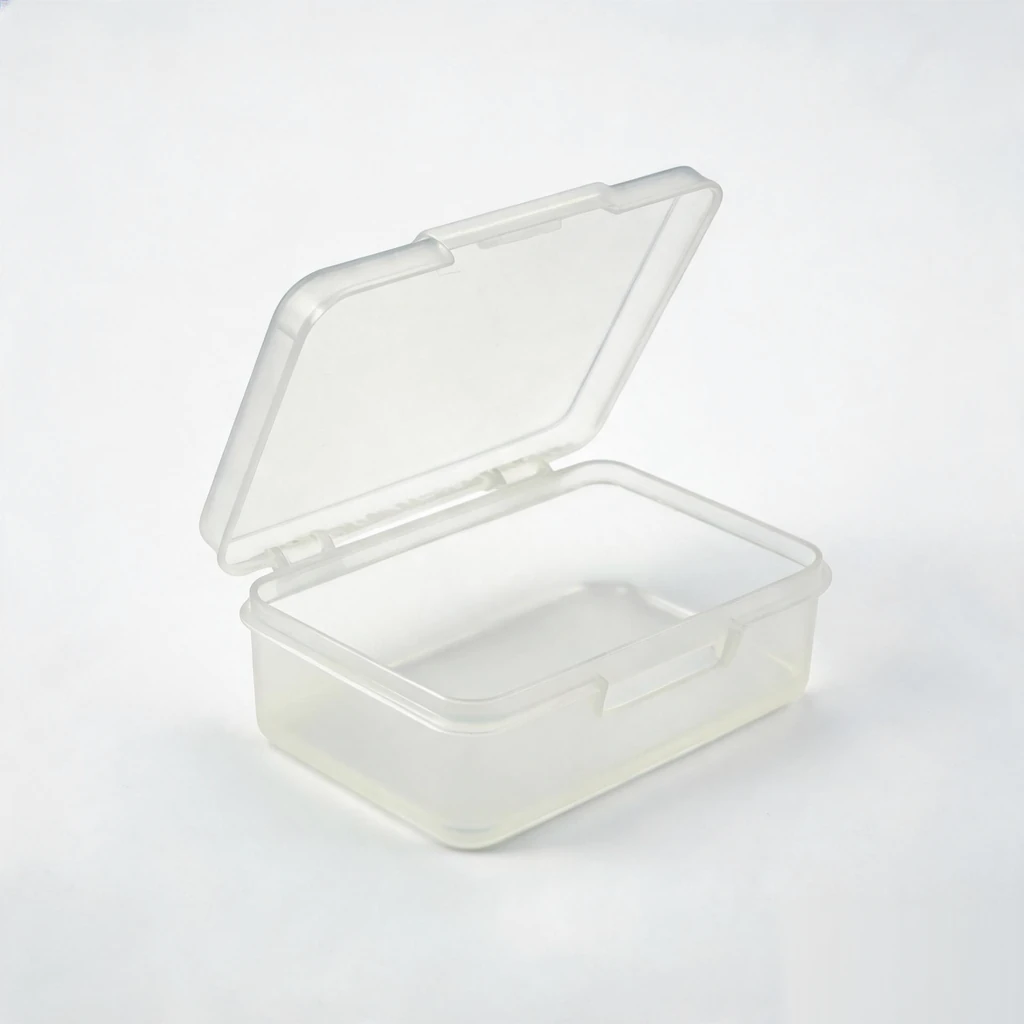
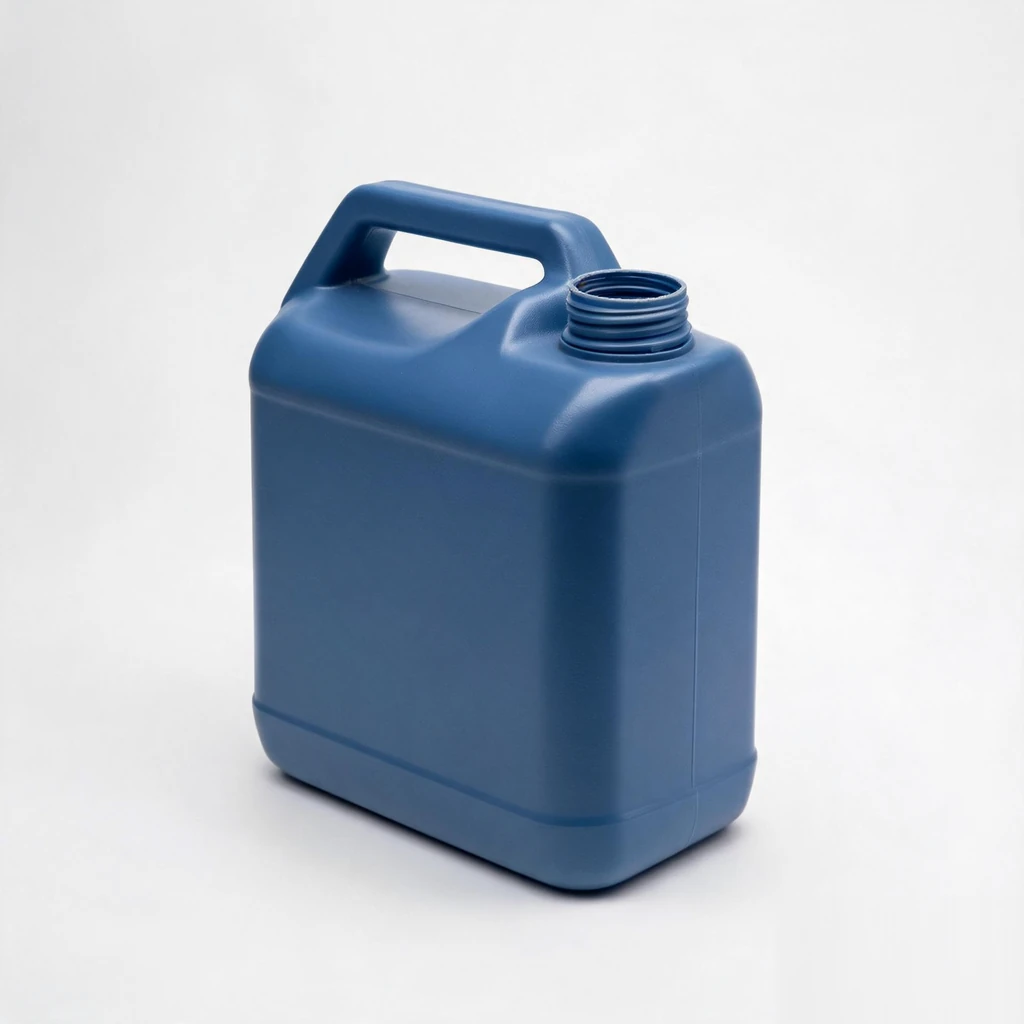
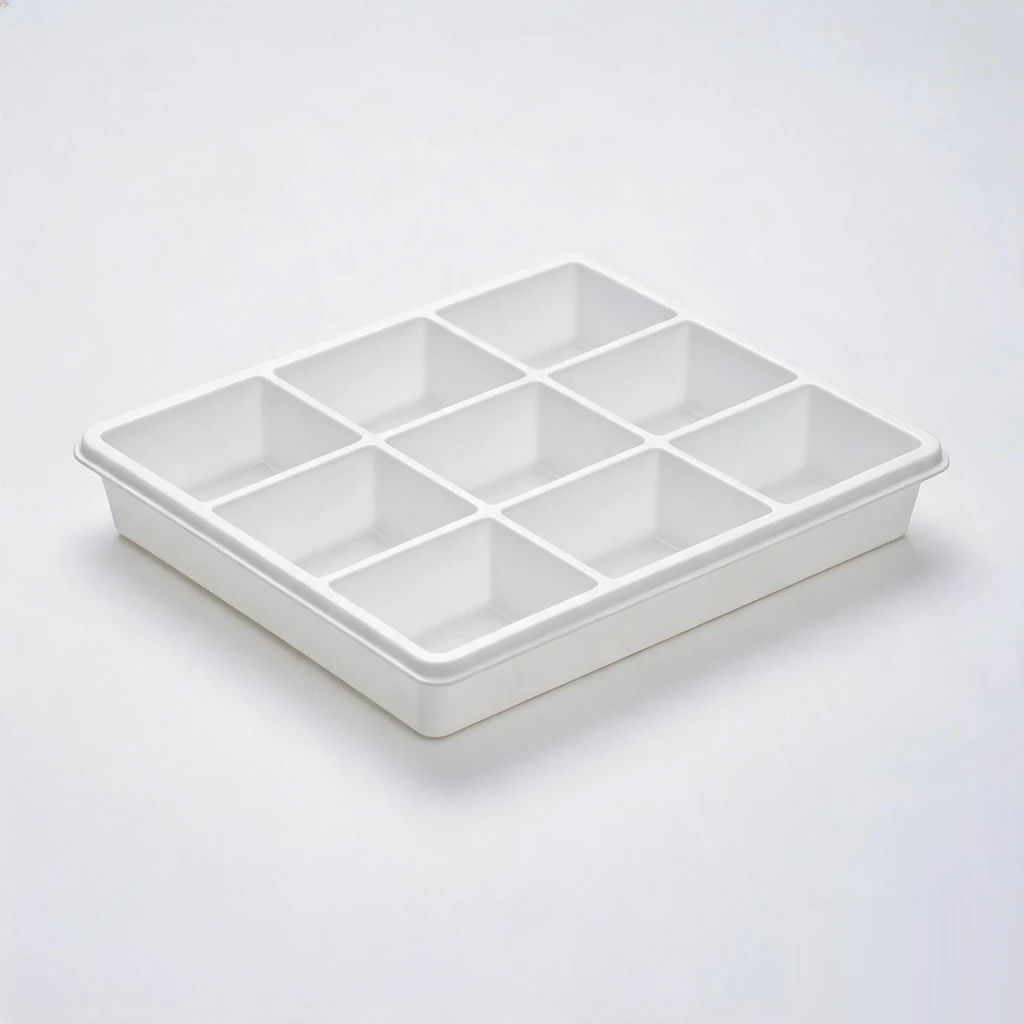
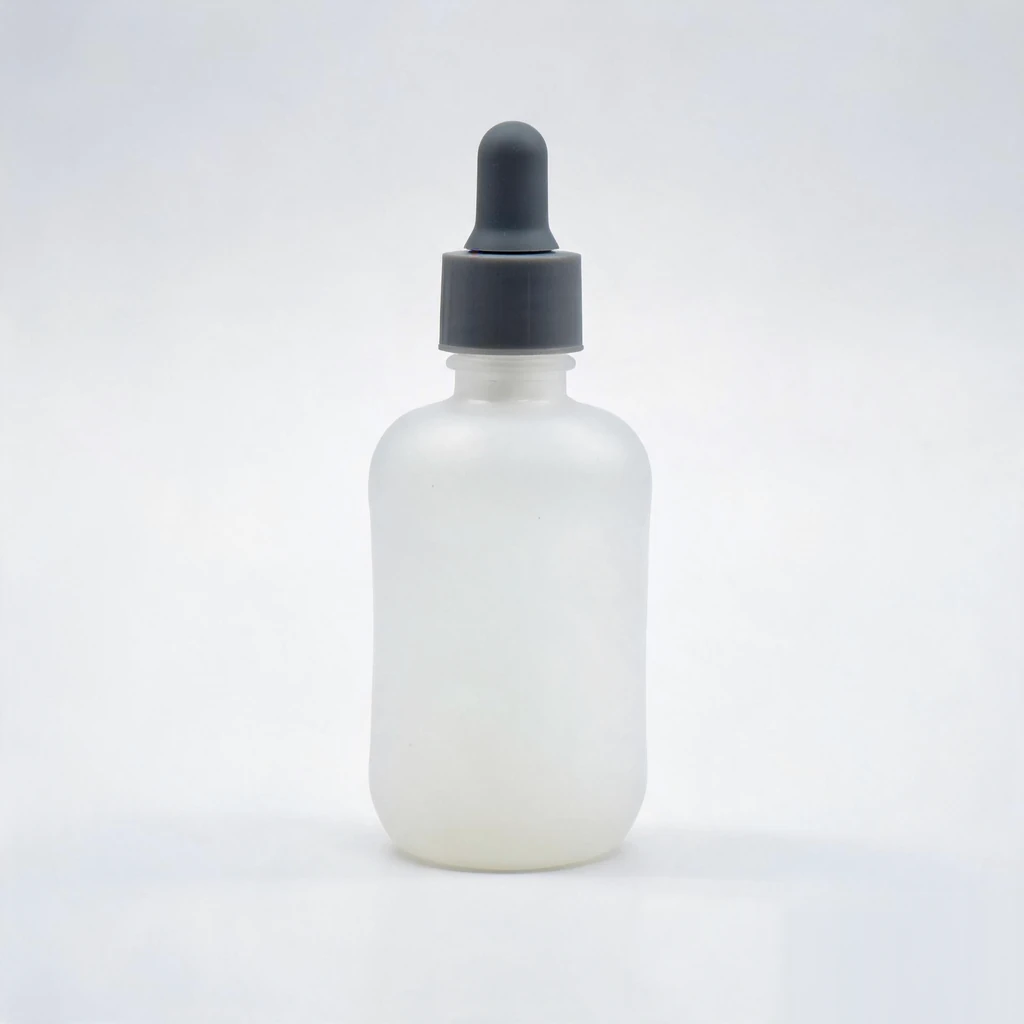

Get Expert Material Guidance!
파일 업로드하기Surface Finishing Options for Low Volume Injection Molding
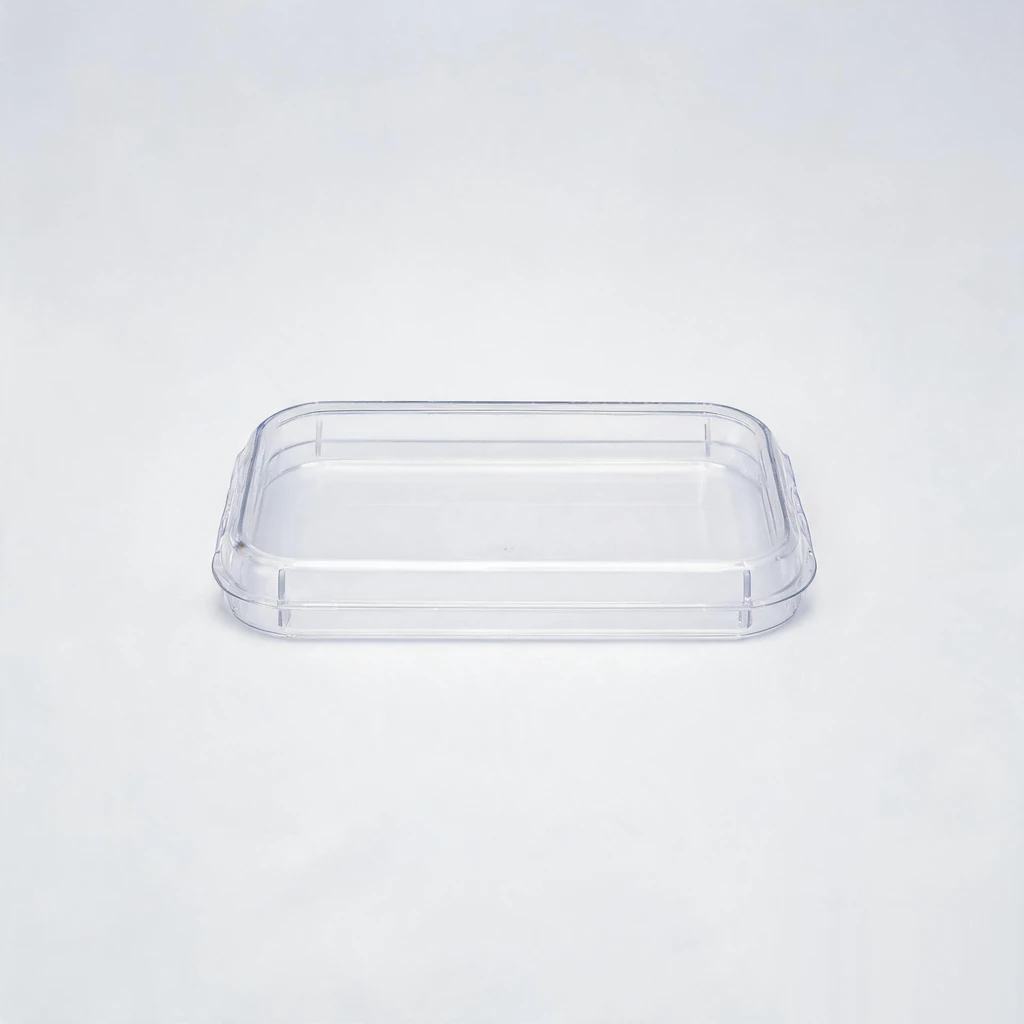
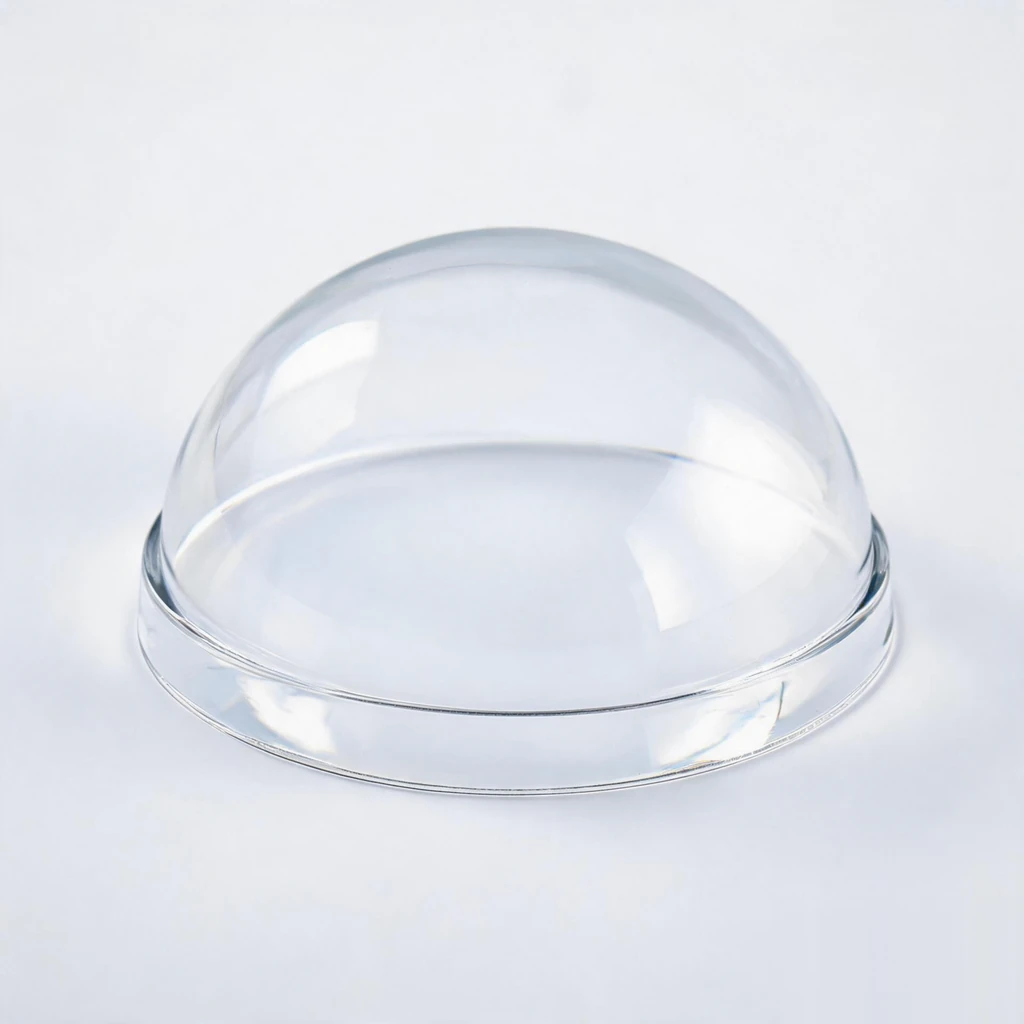
Surface quality does most of the selling during product validation, and it is decided at the tool. We offer the full SPI range from mirror polish to heavy matte so your sample parts look like the product you intend to ship—not like a prototype.
SPI A — Mirror Finish
The highest grade in the SPI range: a diamond-polished cavity that reproduces a near-mirror surface with maximum gloss and reflectivity. Chosen when the part has to look like a finished consumer product on the day of the customer trial.
Best for: Optical parts, appliance and consumer-product shells, anything where gloss sells the product.
Trade-off: The most polishing time, so expect a longer tooling schedule and careful handling to protect the cavity.
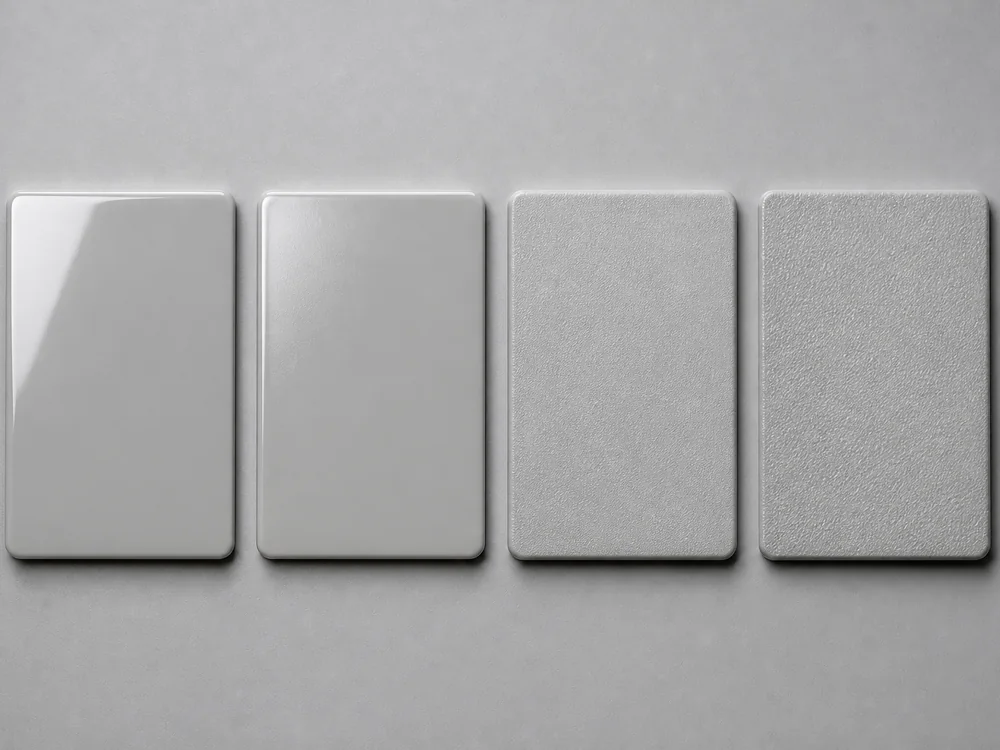
SPI A to SPI D finishes, left to right
Four
Quality Gates
Quality Assurance for Every Low Volume Run
Short runs get the same inspection discipline as long ones. Material is verified on arrival, the process is monitored shot to shot, first articles are measured and reported, and every batch is cleared by a final metrology check before it leaves the building.
Phase 01
1
IQC
입고 품질 관리
- Material certificate and COA verification
- Resin grade and colour confirmation
- Moisture content and drying control
Phase 02
2
IPQC
In-Process Quality Control
- Real-time parameter monitoring
- Scheduled visual inspection during the run
- Shot-to-shot consistency checks
Phase 03
3
FAI / T1
First Article Inspection
- Full dimensional report on T1 samples
- Customer sample approval before the run
- Documented tooling adjustment log
Phase 04
4
OQC
Outgoing Quality Control
- CMM final measurement on sampled parts
- Surface finish (SPI / VDI) verification
- Protective packing and labelling
Low Volume vs. Medium vs. High Volume Injection Molding
Where a program sits on the volume curve decides its tooling, its lead time and its unit cost. Use this comparison to see which bracket your project currently belongs in—and what changes when demand grows.
Aspect
Low Volume (100–10,000)
Medium Volume (10k–100k)
High Volume (100k+)
Low vs.
Medium vs. High Volume Injection Molding
Tooling type
Low Volume
Aluminium or soft steel (P20)
Medium Volume
Hardened steel (P20, H13)
High Volume
Multi-cavity hardened tooling
Tooling lead time
Low Volume
7–15 days
Medium Volume
2–4 weeks
High Volume
4–8 weeks
Cost per part
Low Volume
Medium
Medium Volume
낮음
High Volume
Lowest
Upfront investment
Low Volume
낮음
Medium Volume
Medium
High Volume
높음
Design change flexibility
Low Volume
Easy — inserts can be re-cut
Medium Volume
Difficult — welded or re-cut steel
High Volume
Very difficult — new tool usually required
Best for
Low Volume
Prototypes, pilot runs, bridge production
Medium Volume
Established products, regional launches
High Volume
Mass production, consumer goods
Other Low-Volume Manufacturing Solutions
Low-volume molding is one option among several. If your geometry, material or quantity points somewhere else, we can quote the alternative that gets you to a validated part faster or cheaper.
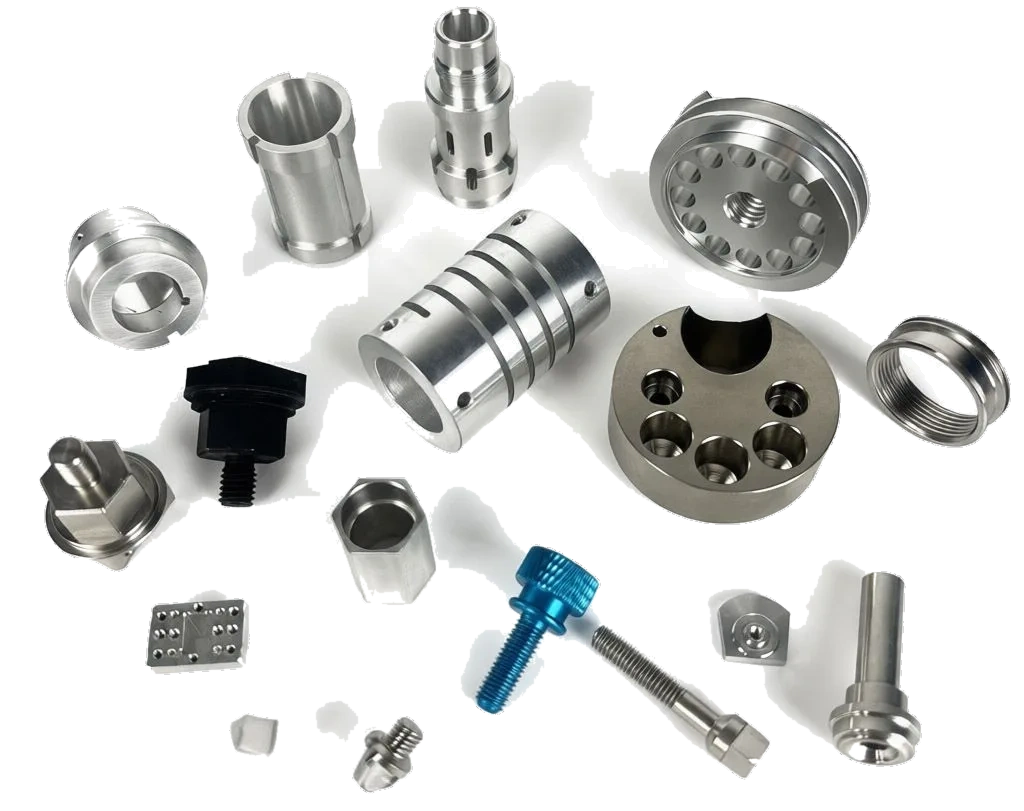
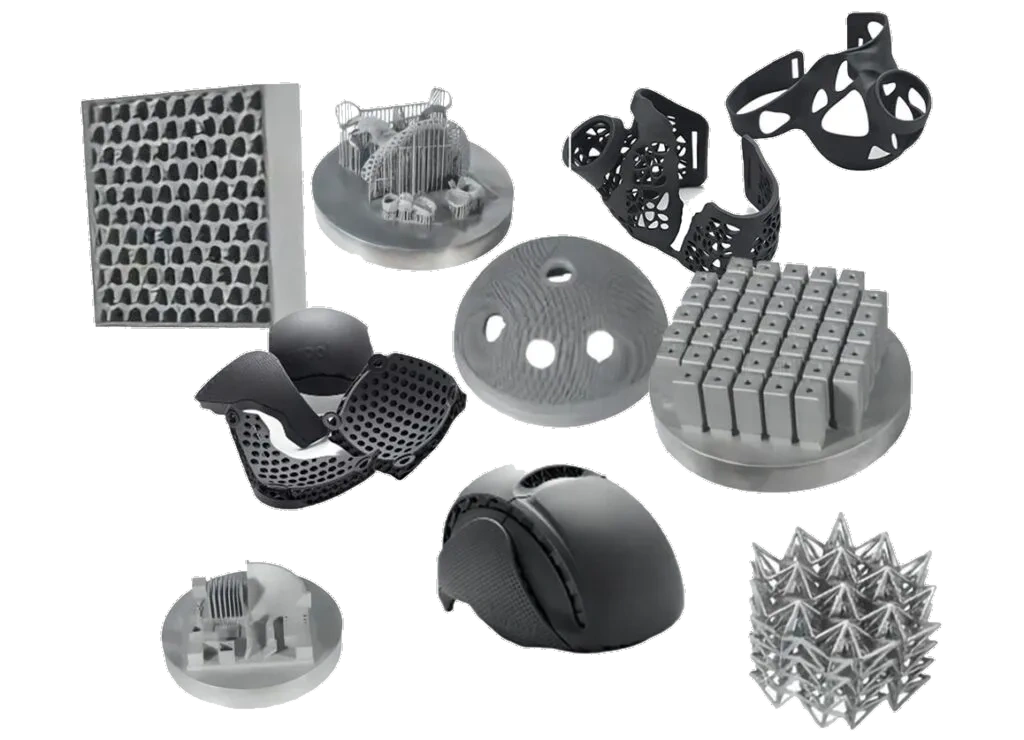
3D 프린팅
Rapid prototyping without tooling, ideal for form and fit checks and functional testing.
자세히 알아보기
Documented quality system
100%
CMM inspection on critical dimensions
Why Partner with IDEAL PRO Manufacturing for Low Volume Injection Molding?
Short runs fail for predictable reasons: tooling that arrives late, parts that do not match the prototype, and suppliers who lose interest once the volume drops. We built our low-volume program to remove all three, and to keep the same engineering team with you as the volume grows.
1
No Minimum Order Quantity and No Tooling Penalty
Order the quantity the build actually needs. Because the tool is aluminium or soft steel, a 500-piece order carries a tooling cost that scales with it instead of a hardened-steel invoice that only makes sense at a hundred thousand parts.
2
Rapid Tooling in Days, Not Months
In-house tooling means the mold is machined in 7–15 days instead of being queued behind someone else's production work. You get T1 samples early, so the schedule you set with your own customer is a schedule you can keep.
3
Production-Grade Parts, Not Prototype Substitutes
Your parts are molded in the resin you specified, on a real press, with real cooling and real process control. No machined stand-ins, no cast urethane look-alikes—so the validation you do on them still holds at volume.
4
Engineering Support Through Every Revision
Short runs usually mean the design is still moving. Modular inserts, free DFM feedback on every revision and one named project engineer keep the tool usable as the part evolves, rather than turning each change into a new purchase order.
Customer Success Stories
A snapshot of recent low-volume molding programs. Details have been generalised; tell us your application and we will talk through the comparable work we have done.
Low-Volume
Overmolding
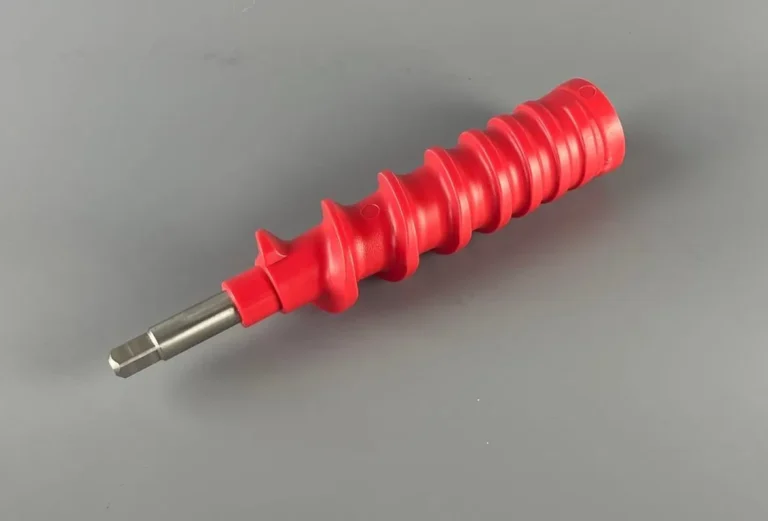
더 알아보기Low-Volume Tooling Delivers Overmolded Spiral Screw Before Full Production Mold
A juicer manufacturer asked IDEAL PRO to prove out a plastic-and-steel overmolded spiral screw design without the full investment in a hardened production mold. We cut an aluminium low-volume tool, inserted pre-cut steel cores, and ran the first validation batch — catching severe wobble from center-of-gravity eccentricity before any hard steel was cut. After mold adjustments in the aluminium tool, end shake was brought within 2 degrees, and the validated design carried straight into the production tool.
50%
비용 절감
2° Max
End Shake
알루미늄
Low-Volume Tool
Validated
Before Hard Tool
Defect
Solution
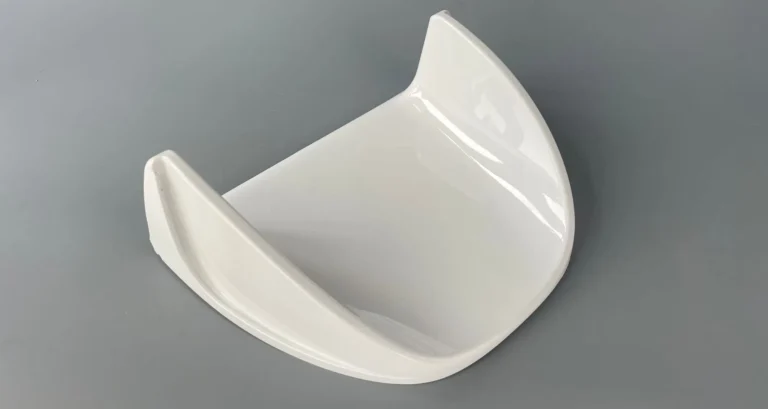
더 알아보기Low-Volume Mold Tweaks Eliminate Weld Lines on Appearance-Critical Parts
A client with an existing low-volume mold struggled with faint weld lines and dimensional drift on a consumer-electronics housing. IDEAL PRO Manufacturing redesigned the gating on the aluminium tool, added a hot-runner insert, switched to PC-ABS, and installed a mold temperature machine — turning a marginal tool into one that produced smooth, dimensionally accurate parts ready for market without re-cutting a hard steel mold.
Eliminated
Weld Lines
PC-ABS
재료
Hot Runner
Insert Added
알루미늄
Tool Retained
Medical
Devices
더 알아보기Verification Batch of Clear PC Components with Full Dimensional Reporting
A device developer needed a small, fully documented batch of clear polycarbonate fluidic components for verification testing. We molded the run with controlled drying, supplied a first-article dimensional report with the samples, and packaged them for clean handling.
Clear PC
재료
FAI
Report Supplied
SPI A
Cavity Polish
1 Batch
Trial Run
최신 뉴스
IDEAL PRO Manufacturing의 최신 소식과 공지 사항을 놓치지 마세요. 아래에서 최신 기사를 확인해 보세요.

Low Volume Injection Molding FAQs
Most programs fall between 100 and 10,000 parts per year or per order. Below roughly 100 pieces, 3D printing or vacuum casting is usually the better value; above about 25,000, a hardened multi-cavity tool starts to pay for itself. We will tell you honestly when your quantity sits on the other side of that line.
No. The resin is the same—the difference is the tool. We mold commodity and engineering thermoplastics from PP and ABS through to PC, PBT, PEEK and glass-filled grades, and we will flag any material where a soft tool needs extra care, such as abrasive fillers or high processing temperatures.
As a planning guide, an aluminium tool typically covers around 100–5,000 shots and a P20 soft-steel tool roughly 5,000–25,000. The real figure depends on the resin, the geometry and how the tool is maintained, so we give you a specific expected tool life with every quote.
Yes, and this is one of the strongest reasons to start with soft tooling. We design low-volume molds with modular inserts so a local detail can be re-cut or replaced instead of welding and re-machining the whole cavity, which keeps revision cost and downtime low while your design settles.
Tooling normally takes 7–15 days, with T1 samples following shortly after. Add a few days for dimensional inspection and your approval, and most programs hold their first approved parts about four weeks after the CAD file is frozen. Because the tool is built in-house, the schedule does not depend on an outside tool shop's loading.
That is the intended path. Where the geometry allows, we start with a single or family cavity and add cavities later; where it does not, the validated CAD and process window carry directly into a hardened production tool. Either way your approved part specification does not change when the volume does.


 English
 French
 Dutch
 German
 Japanese
 Korean