 한국어




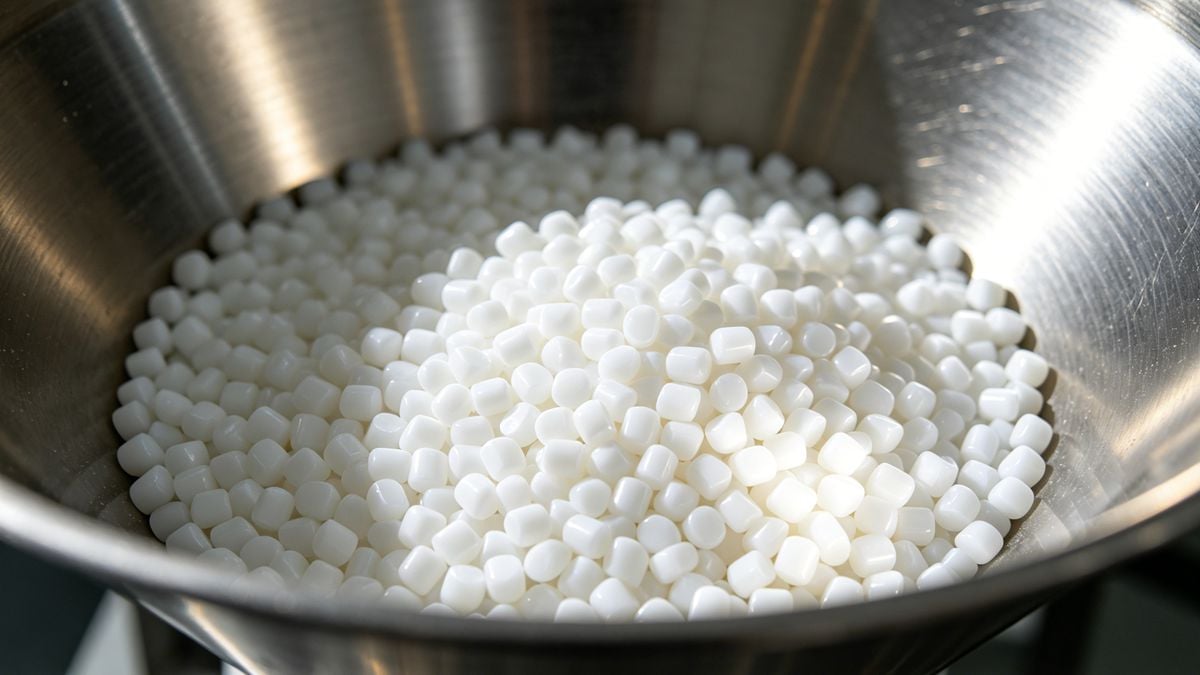
Polyethylene (PE)[^1] is one of the most widely used crystalline raw materials in the plastics industry. Understanding its unique processing characteristics—from moisture resistance to shrinkage behavior—is essential for manufacturing high-quality parts.
In this post, we break down the processing performance and key molding conditions for PE.

PE Processing Characteristics
To optimize your 사출 성형[^2] cycle, you must understand how Polyethylene behaves under heat and pressure.
- Moisture Resistance: PE has extremely low hygroscopicity (moisture absorption 참고: Because shrinkage directionality is obvious, parts are prone to deformation and warping. Uniform mold cooling is critical to minimize this.
- Crystallinity: PE has high crystallization ability. Mold temperature directly affects the crystallinity of the part. Higher mold temperatures lead to slower cooling, higher crystallinity, and increased strength.
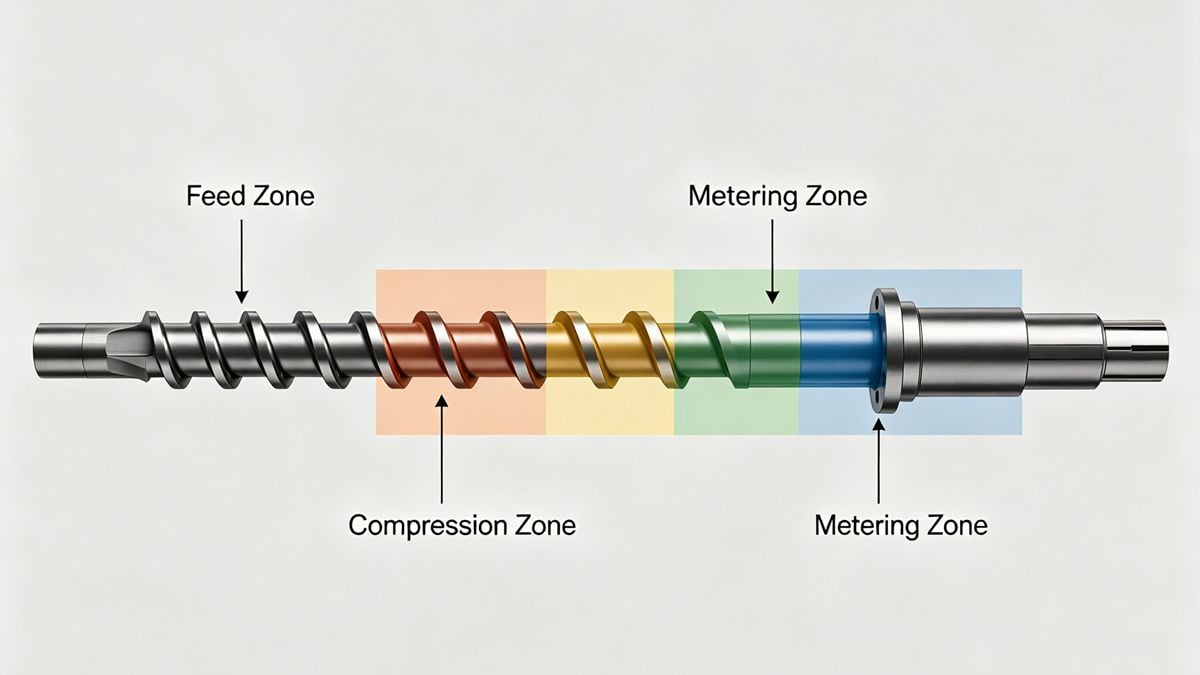
- Thermal Properties: Although PE has a low melting point, it has a high specific heat capacity. Therefore, the plasticizing unit requires high heating power to maintain efficiency.
- Oxidation Sensitivity: While PE has good thermal stability (no decomposition below 300°C), the melt oxidizes easily. Avoid prolonged contact between the melt and oxygen to prevent quality degradation.
- 퇴장: PE parts are soft and easy to eject. Parts with shallow undercuts can often be forced off the mold (forced ejection).
Key Molding Parameters
Setting the correct machine parameters is vital. Below is a breakdown of the optimal conditions for LDPE and HDPE.
Temperature Control
The barrel temperature depends on the density of the PE and the Melt Flow Rate (MFR). Since PE is crystalline, the barrel temperature should be at least 10°C above its melting point.
| 매개변수 | LDPE (Low Density) | HDPE (High Density) | Notes |
|---|---|---|---|
| Barrel Temp | 140°C – 200°C | Up to 220°C | Rear zone: Lowest temp.Nozzle/Front zone: Highest temp. |
| Mold Temp | 30°C – 45°C | 40°C – 65°C | Higher mold temp = Higher crystallinity & strength. |
Pressure & Cooling
- 사출 압력[^3]: Because PE flows so well, you should aim for the lowest effective pressure.
- General Range: 50 – 100 MPa.
- Simple/Thick Parts: Use lower pressure.
- Thin-Walled/Complex Parts: Use higher pressure to ensure filling.
- Cooling Time: PE cools slowly and must be cooled sufficiently. Ensure your mold has an efficient cooling system to reduce cycle times.
3. Gate Design and Troubleshooting
The design of the feed system (gate) plays a crucial role in the final quality of the PE part.
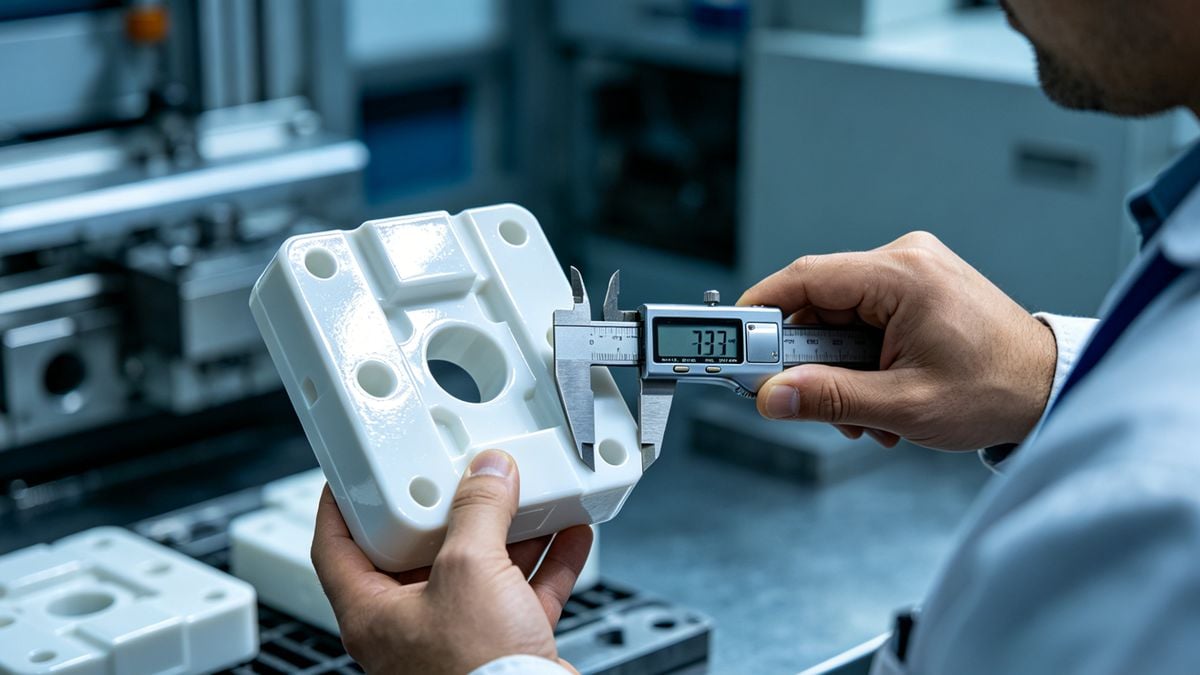
- Gate Selection: If using a direct sprue gate, be aware that it can increase residual stress and cause uneven flow orientation, leading to significant warping. Carefully select gate dimensions to balance flow.
- Viscosity Behavior: PE melt viscosity is not strongly affected by shear rate changes (non-Newtonian behavior is less pronounced than other plastics). Temperature fluctuations in the flow state have minimal impact on the molding process, making PE a stable material to work with.
Summary Table: Quick Reference
| 특징 | Recommendation |
|---|---|
| Drying Required? | No (unless recycled/wet stored). |
| 흐름성 | Excellent (Good for thin walls). |
| Main Challenge | Controlling shrinkage and warpage. |
| Ideal Application | Caps, containers, household goods, toys. |
By controlling the mold temperature and ensuring uniform cooling, you can leverage Polyethylene's excellent flow and toughness to produce durable, high-quality components.
저자 소개

Alex Yu
아이디얼 프로 매뉴팩처링
알렉스는 Ideal Pro의 공동 창립자이지만, 주요 프로젝트를 총괄하거나 기술 팀을 이끌지 않을 때는 장거리 자전거 타기를 즐기거나, 동네에서 가장 맛있는 커피를 찾아다니거나, 다음 여행 계획을 세우는 모습을 볼 수 있습니다. 국제 무역 영업과 프로젝트 관리 분야에서 20년 이상의 경력을 쌓아온 그는 촉박한 마감 기한부터 까다로운 엔지니어링 문제까지, 그 사이의 모든 상황을 다 겪어보았습니다. 그는 훌륭한 성과는 충분한 휴식을 취한 마음과 맛있는 커피에서 나온다고 믿으며, 맡은 모든 프로젝트에 그와 같은 호기심과 세심한 주의를 기울입니다. 사무실에 있지 않을 때는 대개 야외 어딘가에서 새로운 장소를 탐험하며, 나중에 나눌 이야기를 수집하곤 합니다.




 English
 French
 Dutch
 German
 Japanese
 Korean