

Incomplete injection molding (often referred to as "short shots") is one of the most common challenges in plastic manufacturing. Fortunately, it is usually highly solvable. When standard process adjustments fail to yield results, the root cause often lies in mold design or equipment limitations.
In this guide, we will break down the four primary causes of incomplete molding and provide actionable solutions to get your production back on track.
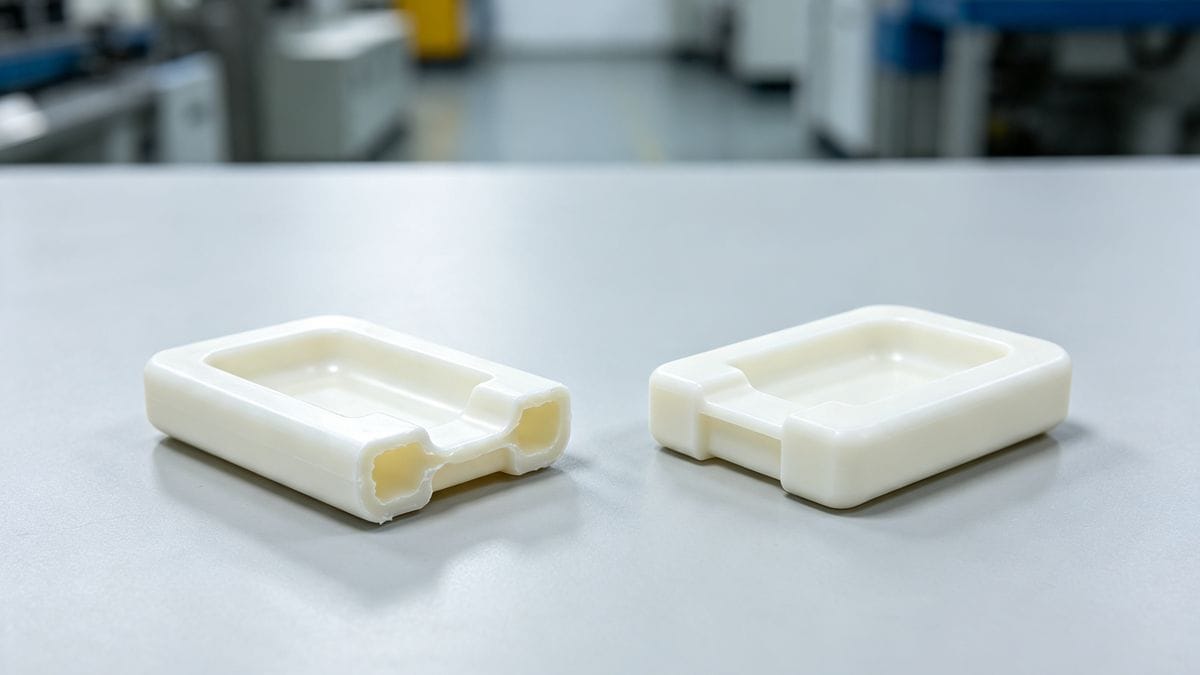
Equipment Issues: Is Your Machine the Problem?
Even the best mold cannot compensate for equipment limitations. Check these critical machine parameters first:
- Insufficient Plasticizing Capacity: If the part weight exceeds the machine’s maximum injection capacity, material supply will be inadequate. Even if the part is near the limit, the plastic may not have enough residence time in the barrel to melt properly. Lösung: Upgrade to a larger injection molding machine, especially for materials with narrow melting ranges like Nylon 66.
- Inaccurate Temperature Readings: A faulty thermocouple or aging heater band can cause the actual melt temperature to be much lower than the display indicates. Always verify your heating elements.
- Nozzle Sizing & Blockages: A nozzle that is too small restricts flow and cools the material, while one that is too large reduces injection pressure. Additionally, check for carbonized deposits, poor alignment with the sprue bushing, or mechanical issues causing nozzle deflection.
- Material Bridging: Plastic pellets can prematurely melt and clump together in the feed throat due to excessive heat, poor drying, or excess lubricant. This creates a "bridge" that blocks material flow. Lösung: Clear the blockage and adjust the feed throat cooling.
- Cold Slugs & Drool: If the nozzle temperature is too high or backpressure is excessive, molten plastic can drool into the cold sprue, solidify, and block the gate. Reduce nozzle temperature and backpressure to prevent this.
- Cycle Time Too Short: Rapid cycles may not allow sufficient heating time for the plastic, especially during voltage fluctuations. Adjust the screw recovery time to ensure proper pre-heating without affecting the injection phase.
Mold Design: Optimizing Flow & Venting
When process tweaks aren't enough, the mold itself may need modification.
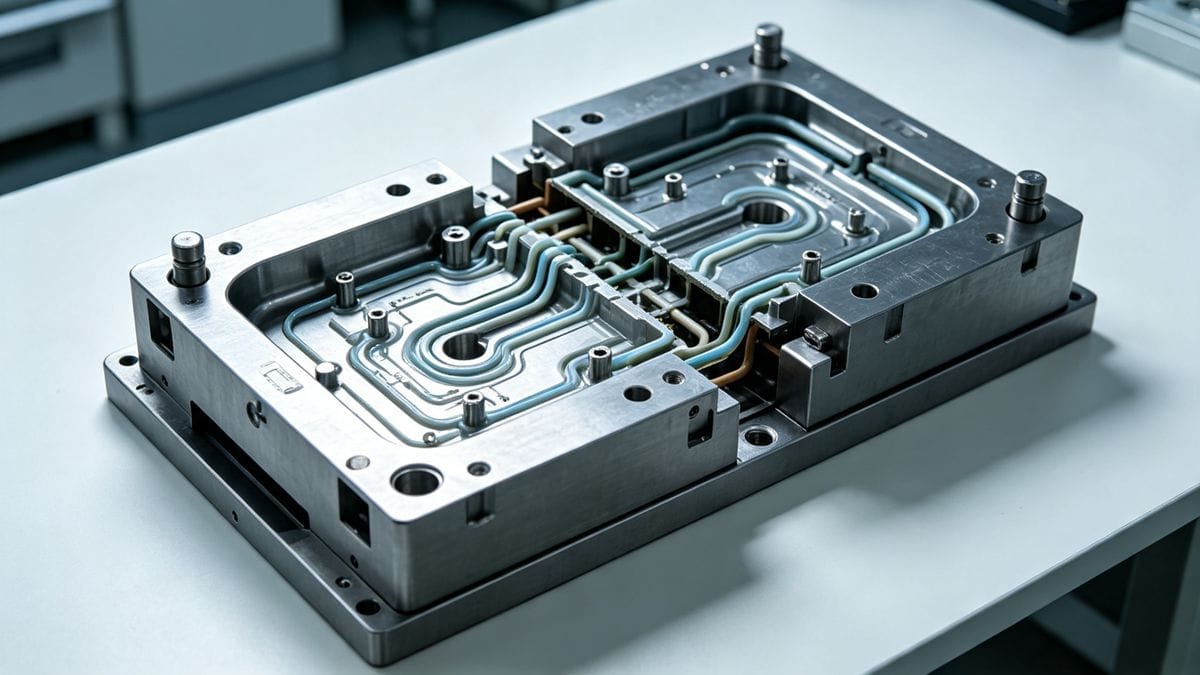
- Runner System Defects: Runners that are too small, thin, or long create excessive flow resistance. Opt for circular runners and ensure they are free of debris or sharp corners. For multi-cavity molds, balance the runner and gate sizes to ensure equal filling pressure across all cavities.
- Poor Mold Design: Complex geometries, excessive wall thickness transitions, or inadequate gate placement can hinder flow. Consider adding secondary runners or adjusting wall thickness in thin sections.
- Inadequate Venting: Trapped air is a leading cause of short shots, especially in deep ribs, corners, and thin-walled areas. Add effective vent channels, relocate gates to allow air escape, or use vented ejector pins/inserts.
- Unbalanced Multi-Cavity Molds: If some cavities fill while others don't, consider reducing the number of active cavities to guarantee part quality.
Processing Parameters: Fine-Tuning the Cycle
Your processing window might need a strategic adjustment. Here is a quick reference table for common parameter-related defects:
| Processing Issue | Root Cause | Recommended Solution |
|---|---|---|
| Inaccurate Shot Size | Poor metering, low backpressure, or excessive cushion. | Increase shot size, raise backpressure, and reduce cushion volume. |
| Low Injection Pressure | High melt viscosity or low barrel temperature. | Increase injection pressure and extend injection time. |
| Slow Injection Speed | Complex geometry or high-viscosity materials (e.g., toughened ABS). | Switch to high-speed injection to overcome flow resistance. |
| Low Melt Temperature | Insufficient barrel/nozzle heating or heat loss to mold. | Increase barrel zones temperature; use external heater if needed. |
You can learn more about how pressure, speed and temperature settings directly lead to underfill defects in our guide: Mastering Injection Molding Speed Segmentation: Rules & Optimization
Raw Material: The Importance of Flowability
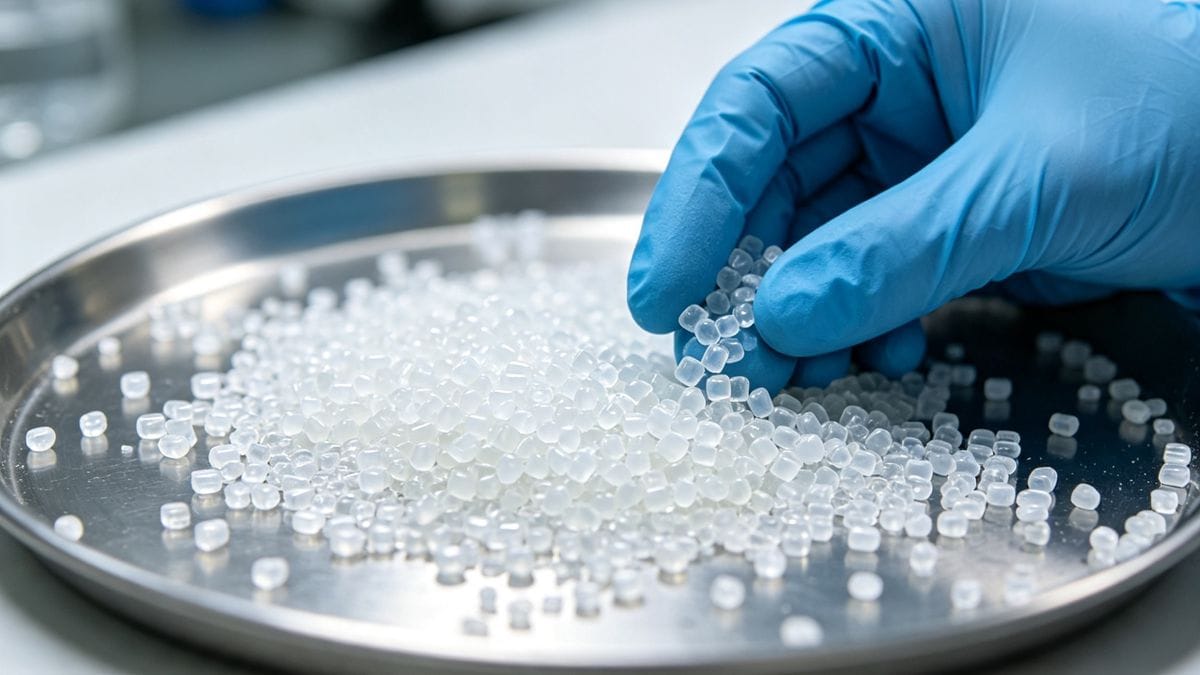
Never underestimate the impact of your raw material. Recycled or regrind plastics often exhibit increased viscosity due to oxidative degradation and molecular chain scission. This increases flow resistance and generates more gas, leading to pressure loss.
Pro Tip for Improving Flow: To enhance the flowability of difficult materials, consider adding external lubricants such as stearic acid or silicone oil (viscosity 300–600 cm²/s). Lubricants not only improve melt flow but also increase process stability and reduce gas-related resistance in the cavity.
Letzte Überlegungen
Troubleshooting incomplete injection molding requires a systematic approach. Always start with the easiest fixes—verifying temperatures, checking for blockages, and adjusting processing parameters—before moving on to costly mold modifications.
For a full checklist covering all mainstream molding flaws including short shots, check out: 16 Common Injection Molding Defects: Root Causes & Solutions
If you want more targeted mold and process fixes specifically for underfill defects, read our dedicated troubleshooting article: 12 Proven Solutions to Fix Injection Molding Short Shots
Have you encountered stubborn short shots in your production? Share your experiences or questions in the form below!


 English
 French
 Dutch
Dutch German
 Japanese
 Korean