Deutsch



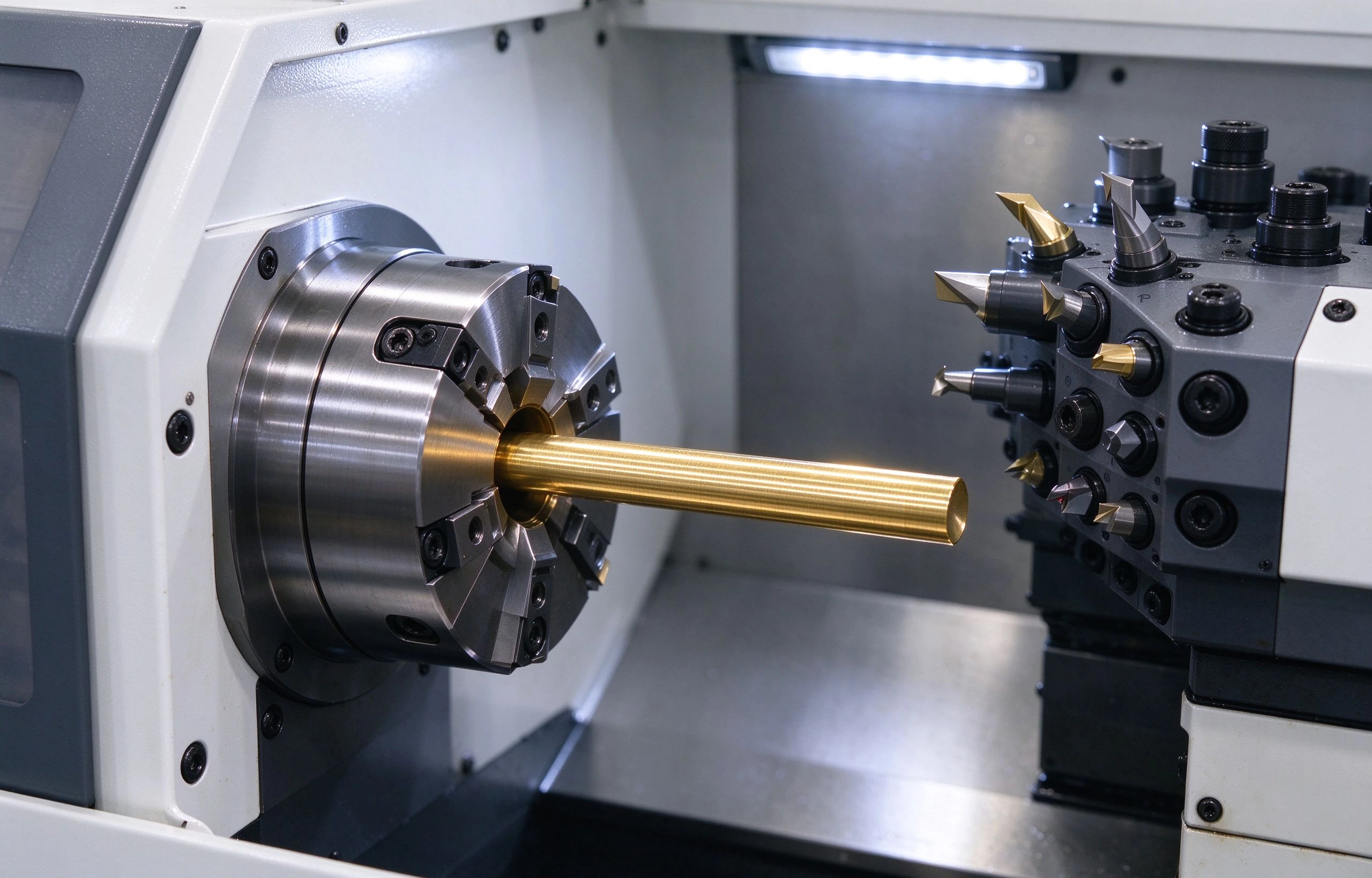
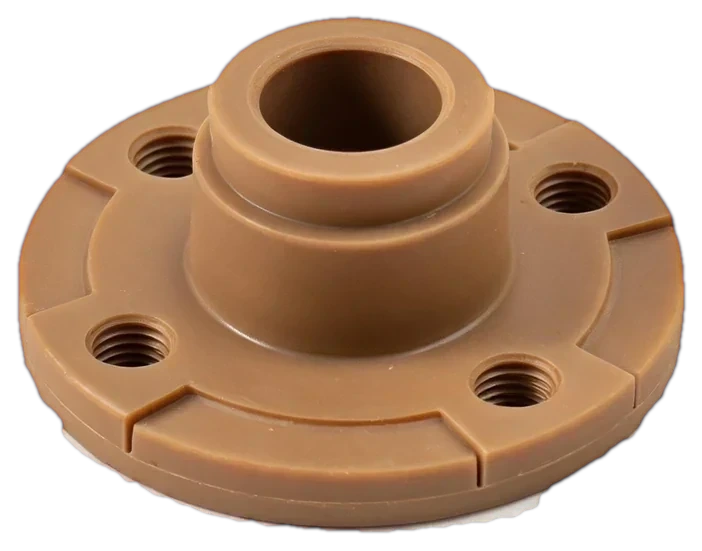
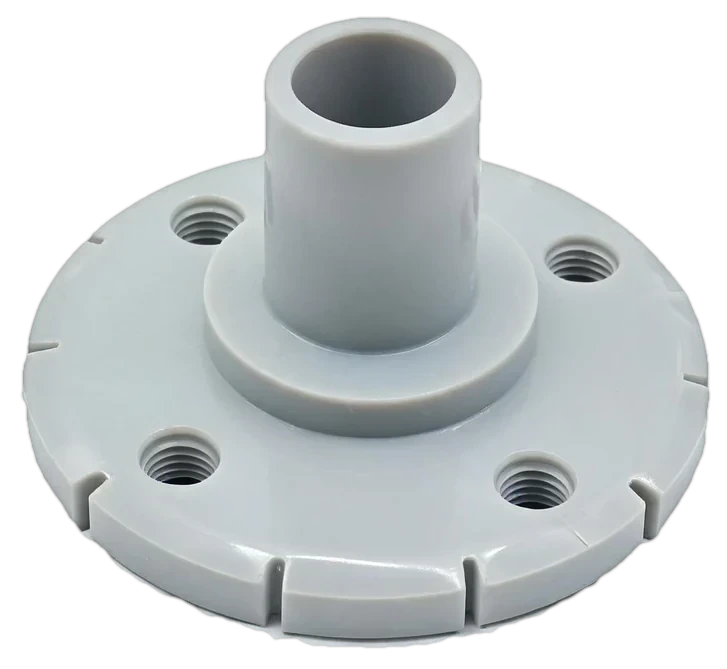
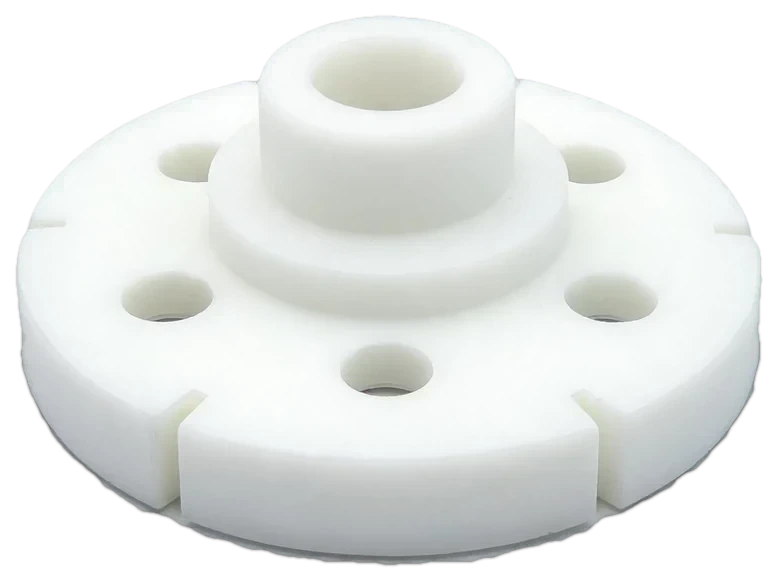
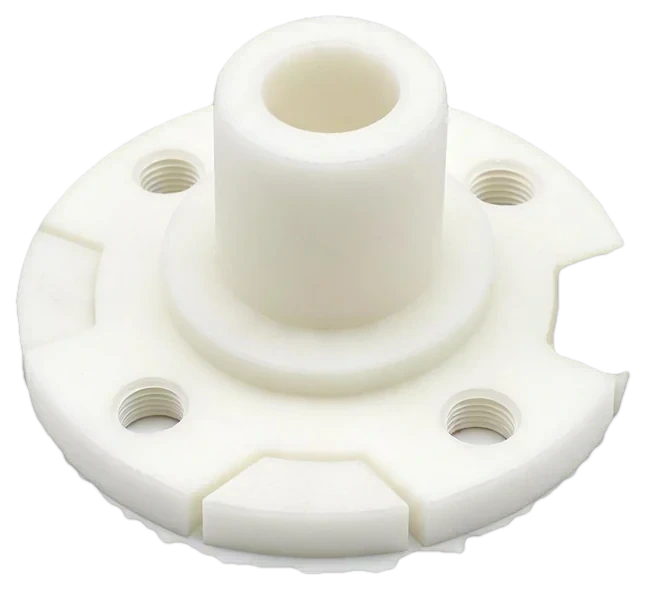
CNC Sliding Head Machining
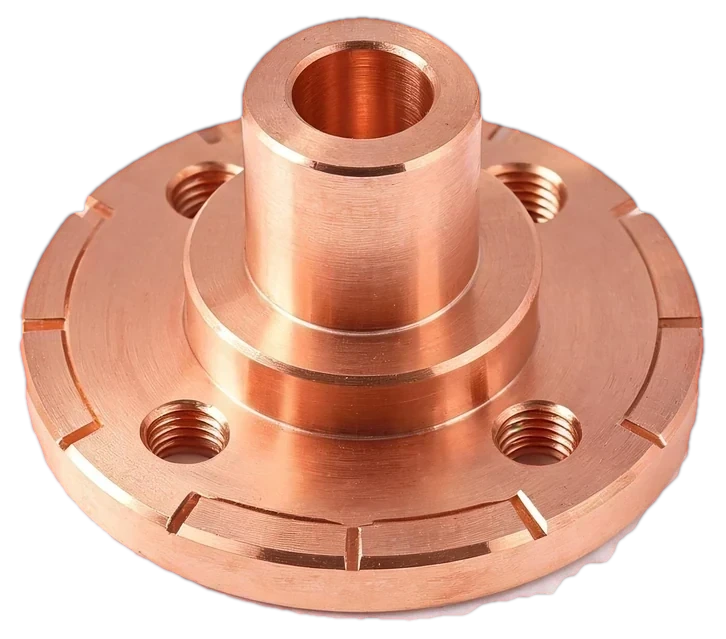
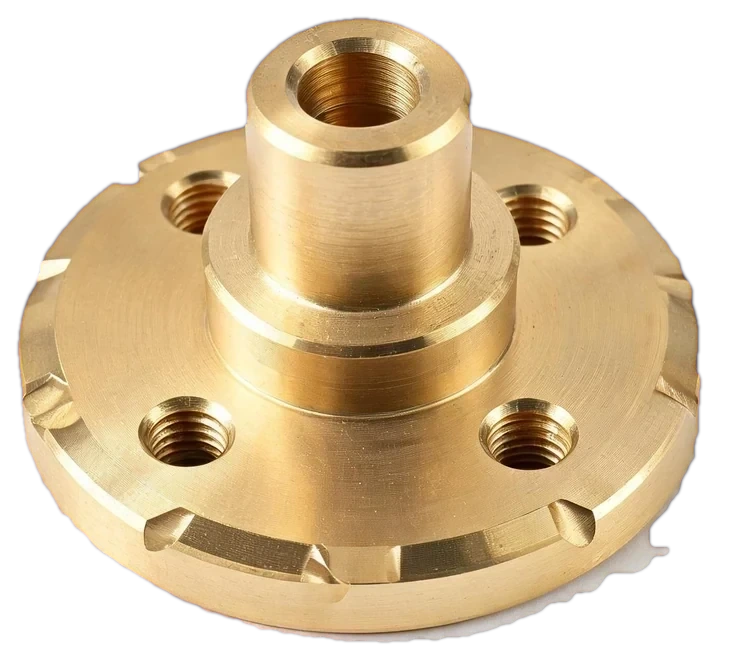
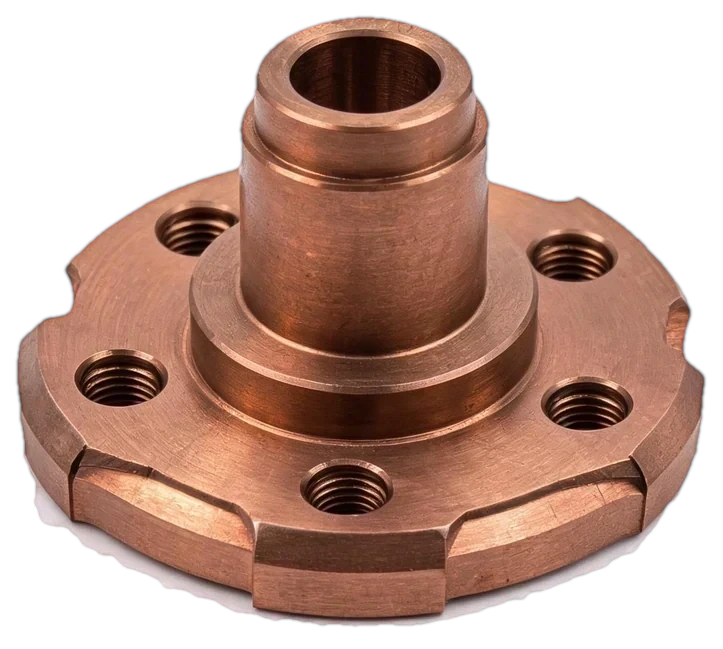
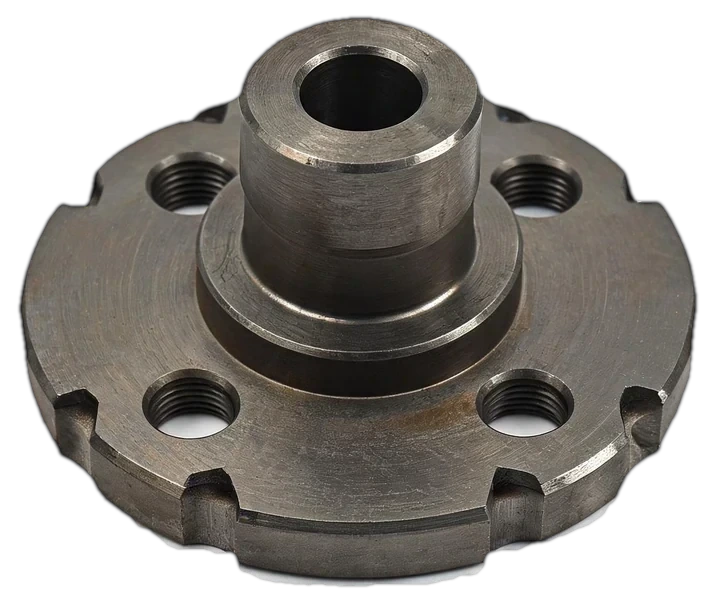
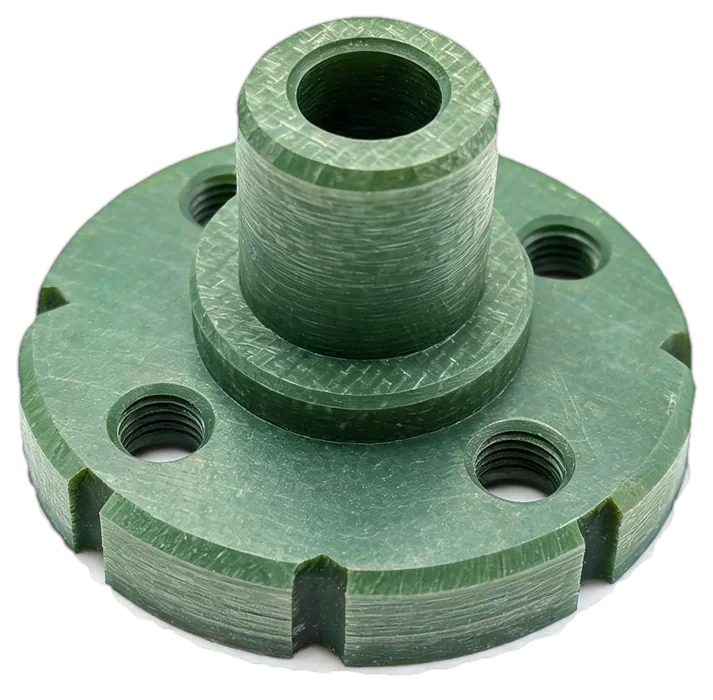
Achieve the perfect blend of efficiency and simplicity with versatile CNC turning. This is a reliable, cost-effective solution for standard shafts, discs, and sleeves.
Angebot anfordern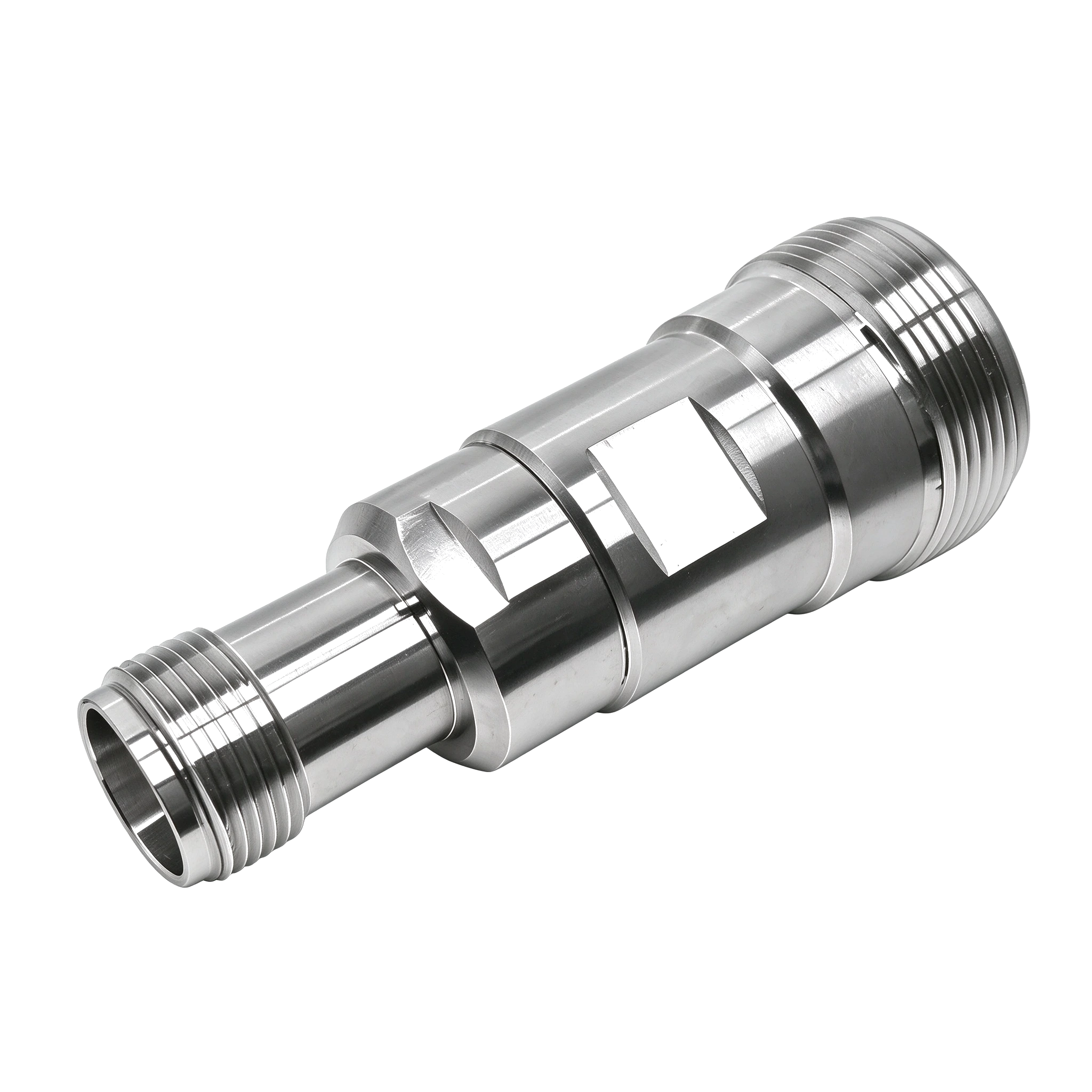
Sofortige Preisangaben, Lieferzeiten und DFM-Rückmeldung
Laden Sie Ihre CAD-Datei hier hoch oder Zum Durchblättern bitte hier klicken SCHRITTSTPSLDPRTSTLDXFIPTX_TX_B3DXMLCATPARTPRTSAT3MFJT CAD-Datei hochladen für ein sofortiges AngebotVon Ingenieuren und Einkaufsleitern weltweit geschätzt








IDEAL PRO Manufacturing hat über 1.000 Kunden zuverlässige Lösungen geliefert, indem das Unternehmen mehr als 3.000 Projekte für kundenspezifische Bauteile mit einer Termintreue von 99,81 % umgesetzt hat.
On-demand CNC turning for custom metal and plastic parts. Swiss-type, turn-mill, and vertical lathe capacity covers thin-wall, multi-feature, and large-diameter work, with the same process for prototypes and recurring production orders.
Achieve the perfect blend of efficiency and simplicity with versatile CNC turning. This is a reliable, cost-effective solution for standard shafts, discs, and sleeves.
Angebot anfordern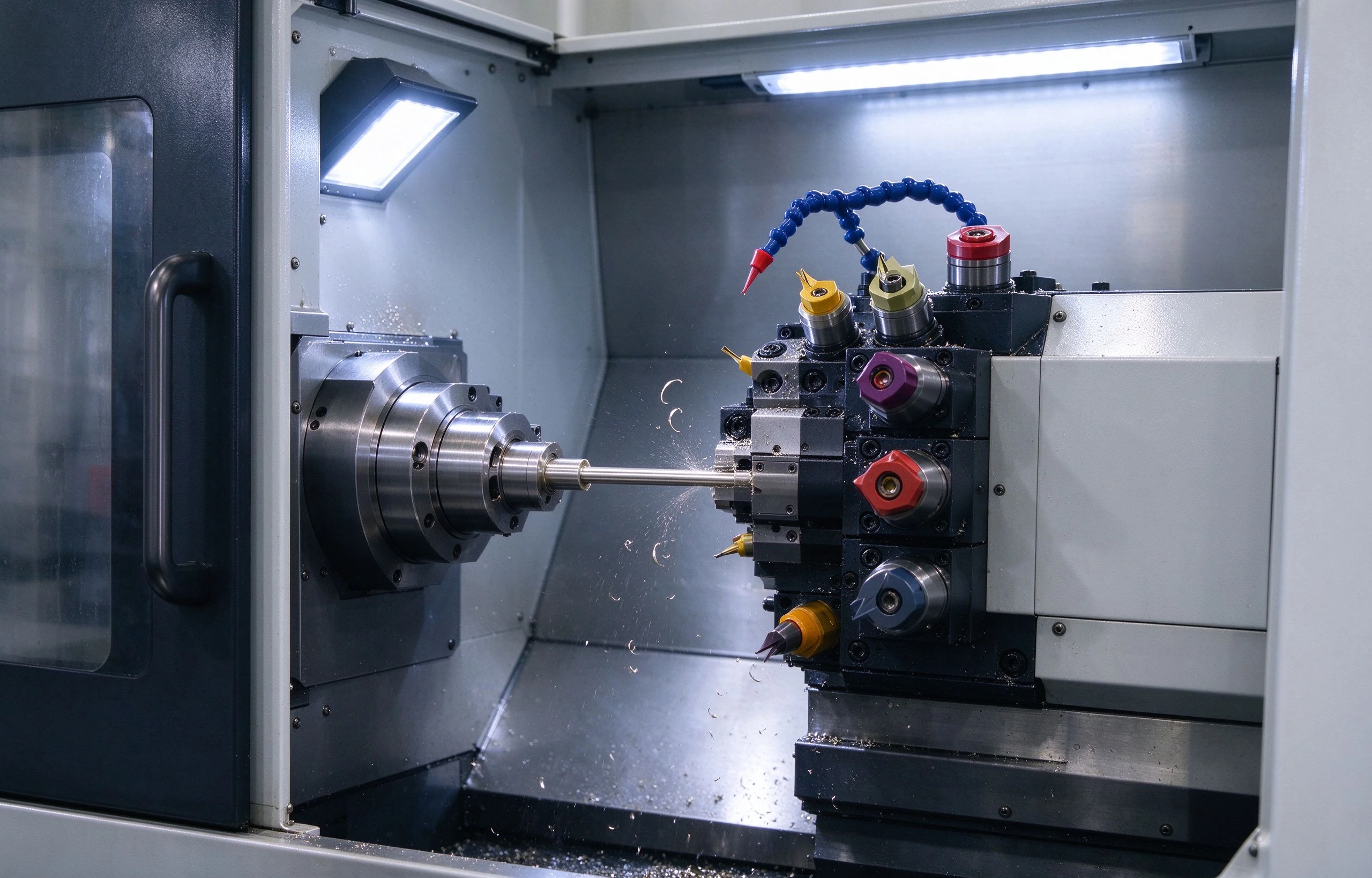
Sliding-headstock machines support the bar right next to the cut, which keeps long, thin parts from deflecting. Typical work is micro-shafts, pins, and small medical-style components in high volume.
Angebot anfordern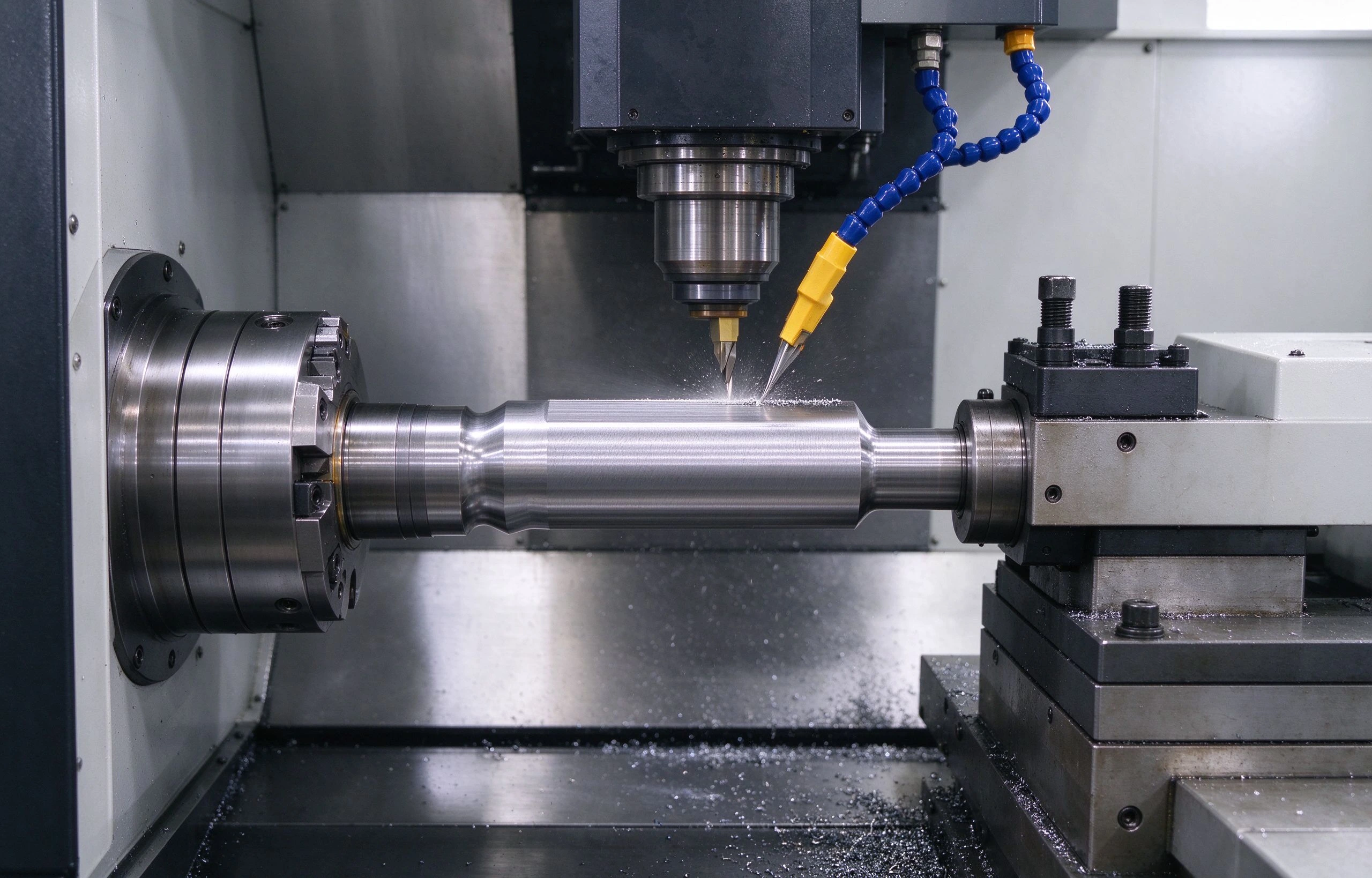
Turning-milling centers cut turned and milled features in one setup, so cross-holes, flats, and off-axis pockets stay concentric without a second operation.
Angebot anfordern
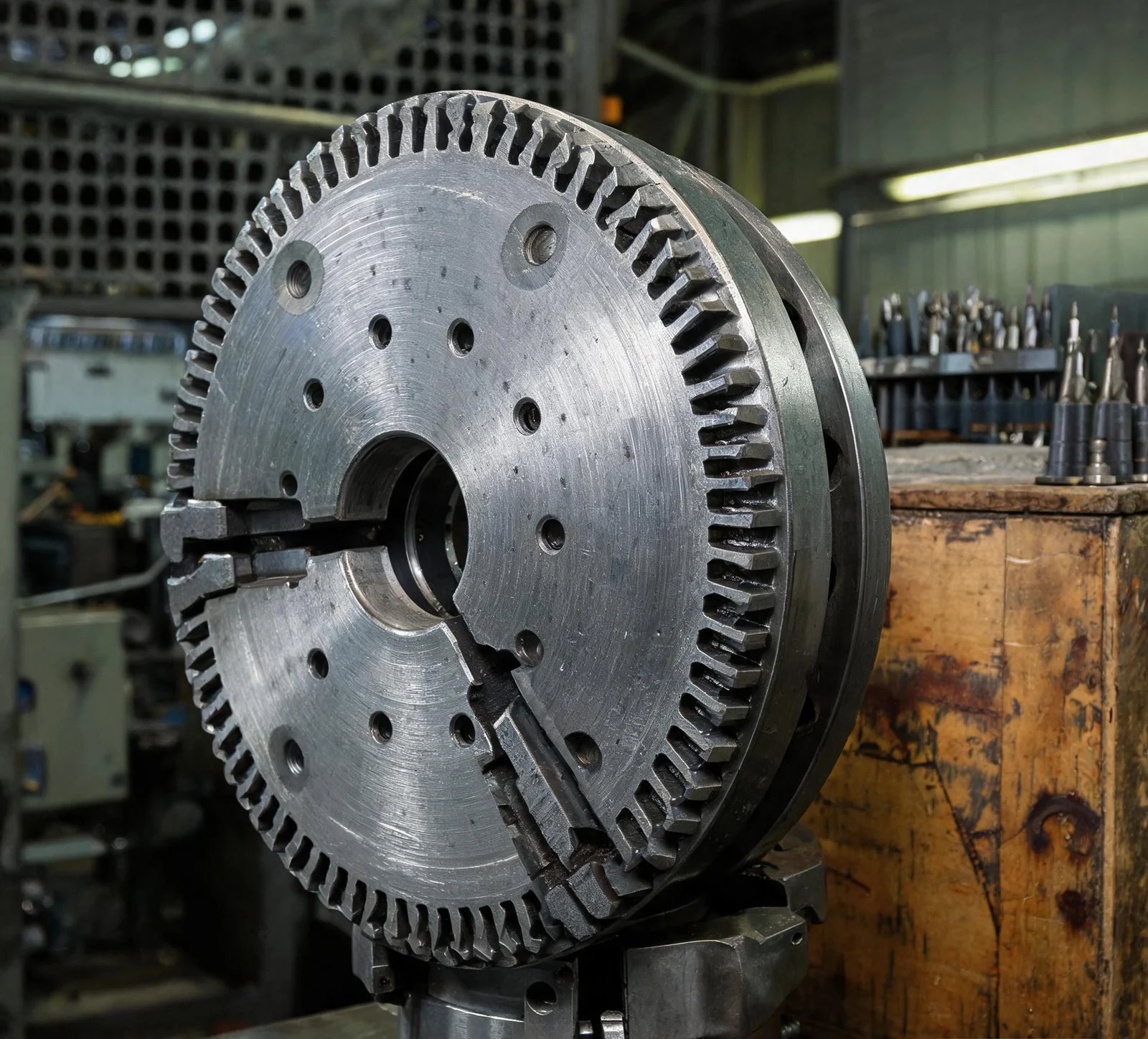
Vertical lathes clamp large discs, rings, and plates on a horizontal faceplate. The workpiece's own weight works with the machine, which keeps heavy cuts stable.
Angebot anfordern


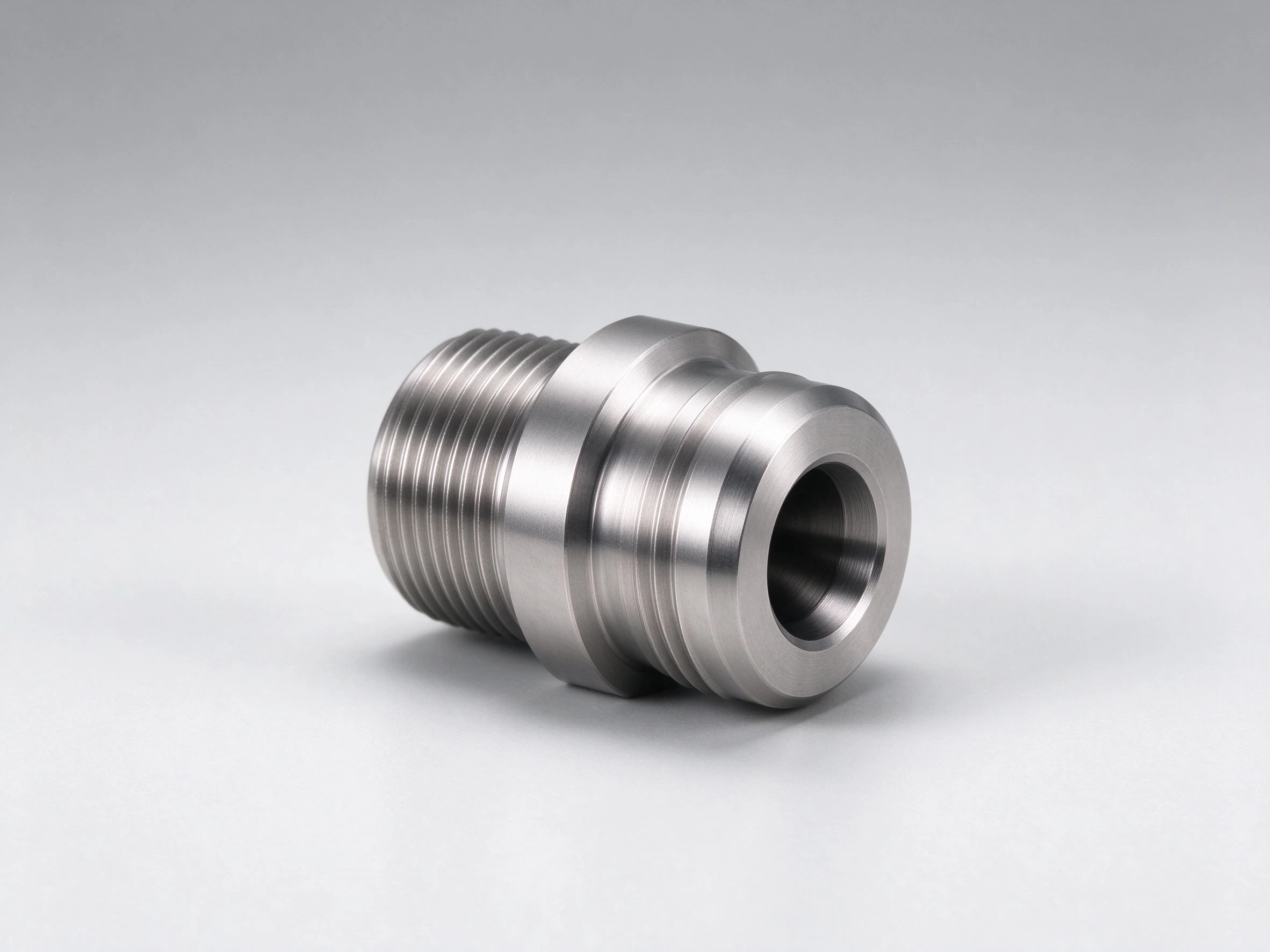
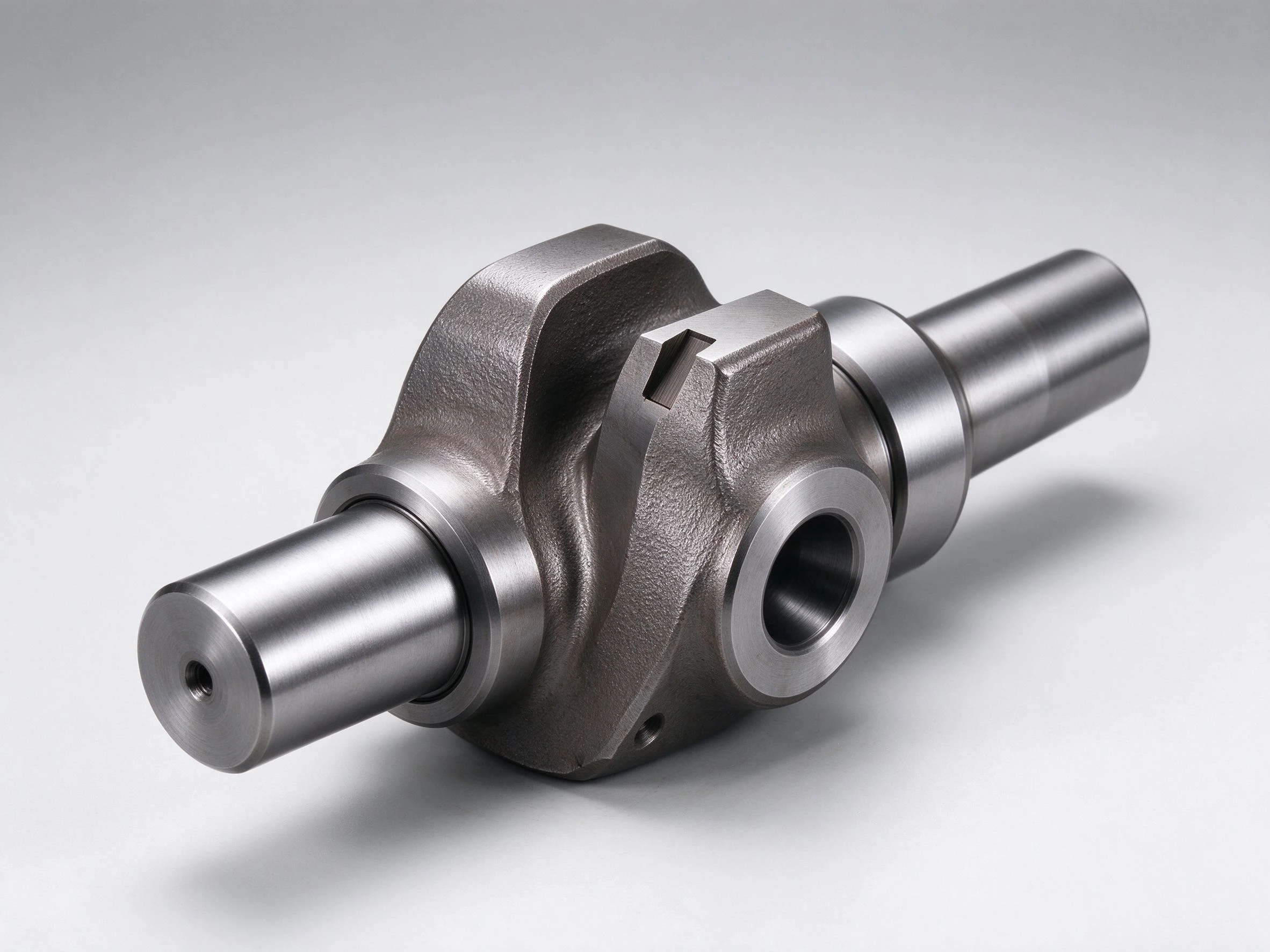
All CNC turning parts featured are original IDEAL PRO Manufacturing designs and are authorized for public viewing
Speed up design validation with our fast-turn CNC turning. We produce precision prototypes and functional test parts quickly, helping you iterate designs and confirm manufacturability before full-scale production.
Mehr erfahrenDozens or thousands of parts run on the same setup. Bar feeders and programmed inspection keep tolerances and cycle times consistent from pilot batches to volume runs.
Sofortangebot anfordernWe turn machining-grade metals and engineering plastics to drawing—from 6061 and 7075 aluminum to PEEK and other high-temperature polymers. Stock comes with mill certificates on request. Browse the material library for the strength, weight, temperature, and cost trade-offs of each option.
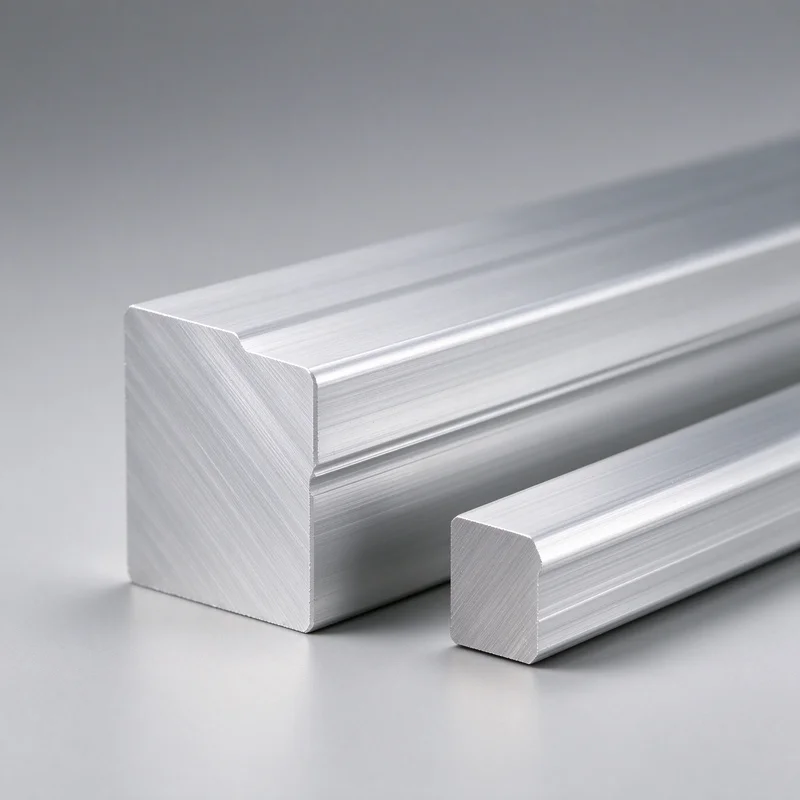
Aluminium zeichnet sich durch ein außergewöhnliches Verhältnis von Festigkeit zu Gewicht, eine hervorragende Bearbeitbarkeit bei komplexen Geometrien sowie eine hohe Korrosionsbeständigkeit aus. Es ist die erste Wahl für Hochleistungsanwendungen in der Luft- und Raumfahrt, der Automobilindustrie und der Unterhaltungselektronik, wo die Gewichtsreduzierung ohne Einbußen bei der Haltbarkeit von entscheidender Bedeutung ist.
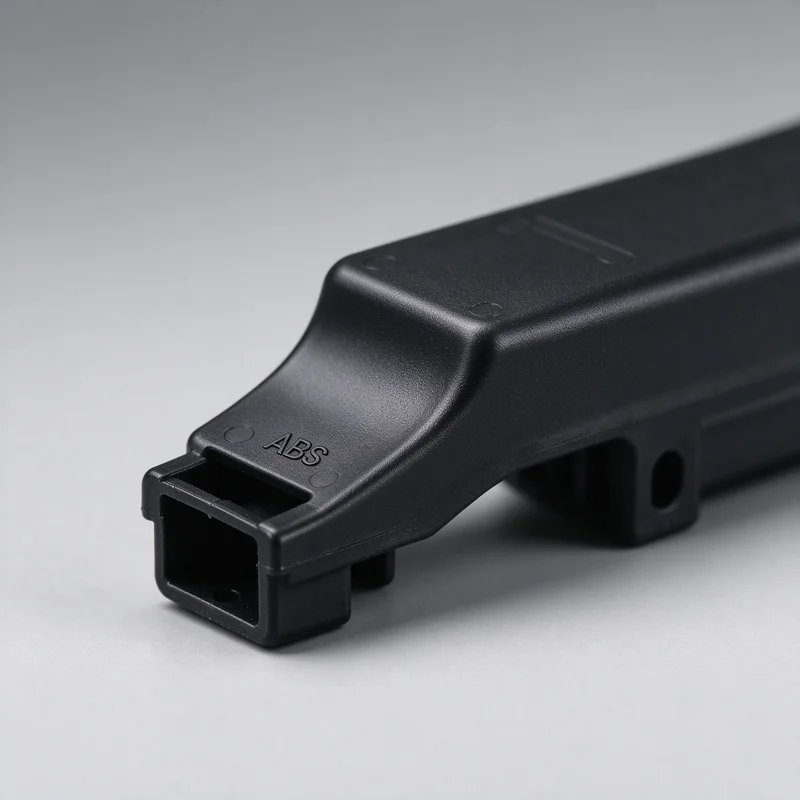
ABS provides high strength and impact resistance with good heat tolerance, making it ideal for injection molding and machining durable, functional components in consumer electronics, automotive interiors, and structural prototypes.
Finishes for turned parts cover wear and corrosion protection plus specified cosmetic requirements—anodizing, plating, passivation, polishing, and bead blasting among them. Call out the treatment on your drawing and it is quoted with the part.

A chromate-based chemical conversion coating primarily for aluminum. It creates a thin, conductive layer that provides excellent corrosion resistance and serves as an ideal substrate for paint adhesion. It is a lightweight, economical alternative to anodizing, widely specified in aerospace, automotive, and military applications for corrosion protection and electrical conductivity.

Ein Typ-II-Eloxierverfahren, bei dem eine harte, transparente und glänzende Oxidschicht auf Aluminium aufgebracht wird. Es erhöht die Oberflächenhärte und Korrosionsbeständigkeit erheblich und unterstreicht gleichzeitig den natürlichen Glanz des Metalls. Er ist in einer breiten Palette dauerhafter Farben erhältlich und unverzichtbar für Unterhaltungselektronik, Automobilverkleidungen sowie architektonische Bauteile, bei denen Langlebigkeit und ein hochwertiges Erscheinungsbild gefragt sind.
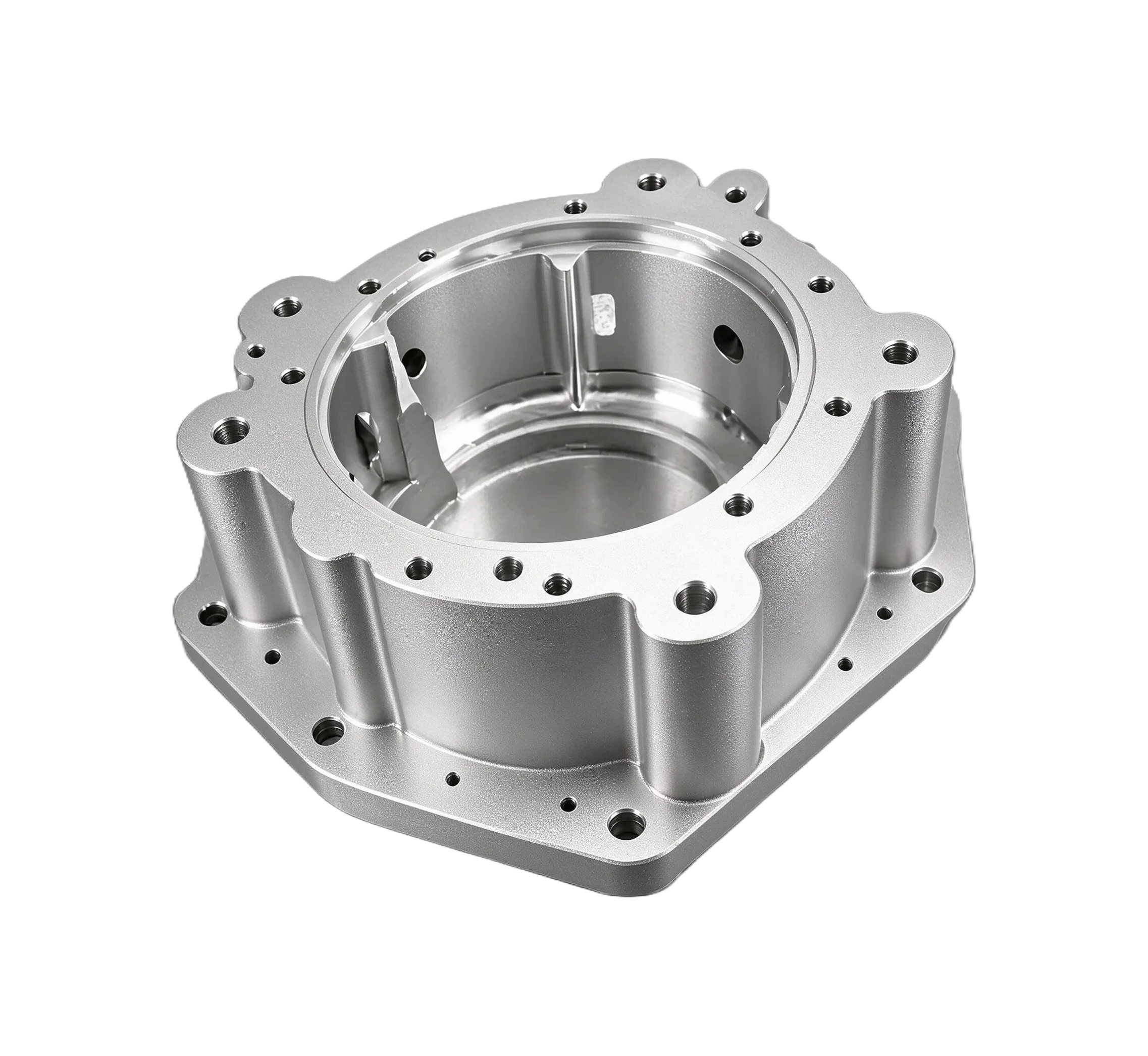
Ein mechanisches Oberflächenbearbeitungsverfahren, bei dem feine Strahlmittel (z. B. Glasperlen) unter hohem Druck auf eine Oberfläche geschleudert werden, um diese zu reinigen, zu strukturieren oder zu mattieren. Es kaschiert effektiv kleinere Bearbeitungsspuren, erzeugt eine gleichmäßige, blendfreie Satin-Oberfläche und bietet eine optimale Haftung für die anschließende Lackierung oder Beschichtung. Ideal für Gehäuse, Griffe und Teile, die eine saubere, gleichmäßige und nicht reflektierende Optik erfordern.
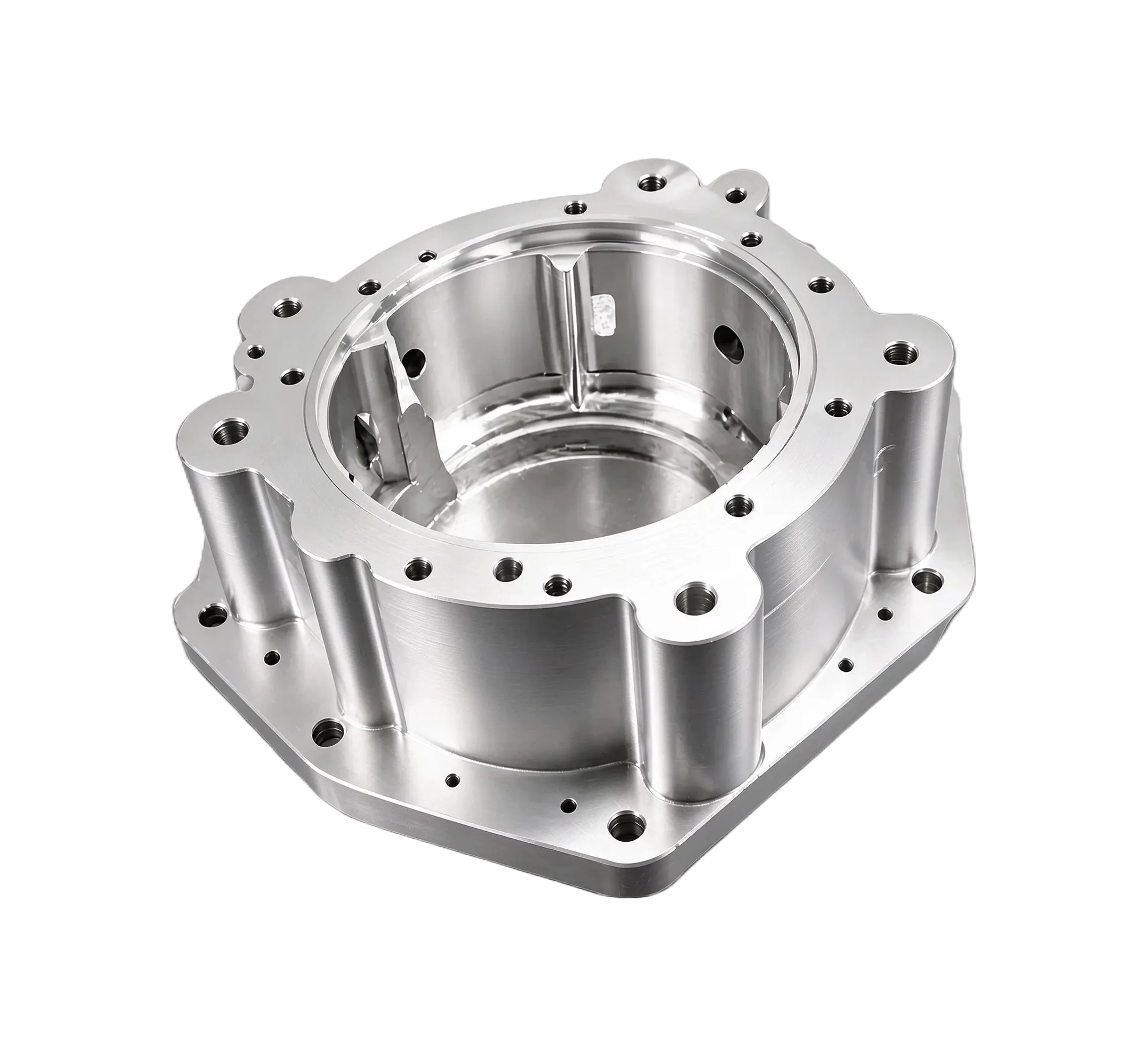
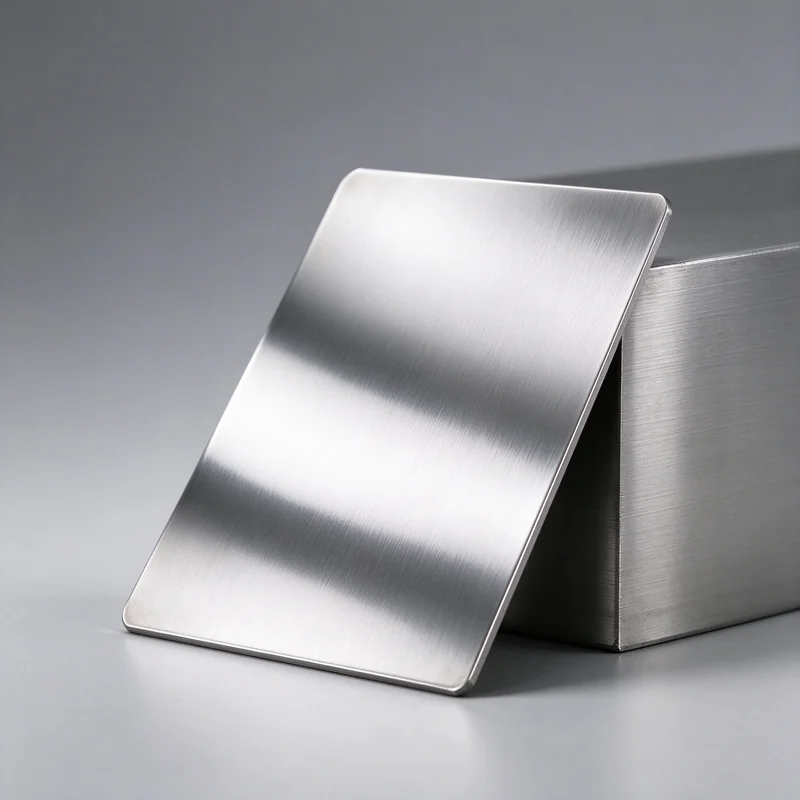
Erzeugt durch präzises Schleifbürsten eine gleichmäßige, in eine Richtung verlaufende Satinierung auf Metalloberflächen. Diese Oberfläche kaschiert Fingerabdrücke und leichte Kratzer, bietet eine edle Haptik und reduziert Lichtreflexionen . Sie verleiht Komponenten mit Kundenkontakt wie Geräteblenden, Baubeschlägen und Elektronikblenden ein hochwertiges, blendfreies Erscheinungsbild.

Ein Tauchverfahren, bei dem ein geladenes Bauteil durch Elektrophorese mit einem Lackfilm beschichtet wird, der aus einer Lösung auf Wasserbasis abgezogen wird. Es gewährleistet eine außergewöhnlich gleichmäßige Deckkraft – auch an Kanten und in Vertiefungen – sowie eine hervorragende Korrosionsbeständigkeit. Wird in erster Linie als Grundierung oder als Einzelschicht für Fahrzeugrahmen, landwirtschaftliche Geräte und besonders strapazierfähige Industriekomponenten verwendet.

Ein elektrochemisches Verfahren, bei dem eine mikroskopisch dünne Materialschicht abgetragen wird, wodurch Mikrospitzen geglättet und die Oberfläche aufgehellt wird. Neben der Erzielung einer brillanten, sauberen Oberfläche bewirkt es eine Passivierung von Edelstahl und anderen Legierungen, wodurch die Korrosionsbeständigkeit, die Dekontaminierbarkeit und die Reinigungsfähigkeit erheblich verbessert werden. Von entscheidender Bedeutung für medizinische Implantate, Halbleiterwerkzeuge, die Pharmaindustrie sowie Systeme für hochreine Flüssigkeiten.

An electroplating process that deposits a thin, adherent layer of gold onto a substrate. It provides superior corrosion resistance, excellent electrical conductivity, and a luxurious, decorative appearance. Used for high-reliability electrical connectors, RF shielding, commemorative items, jewelry, and aerospace components where performance, solderability, or aesthetics are paramount.

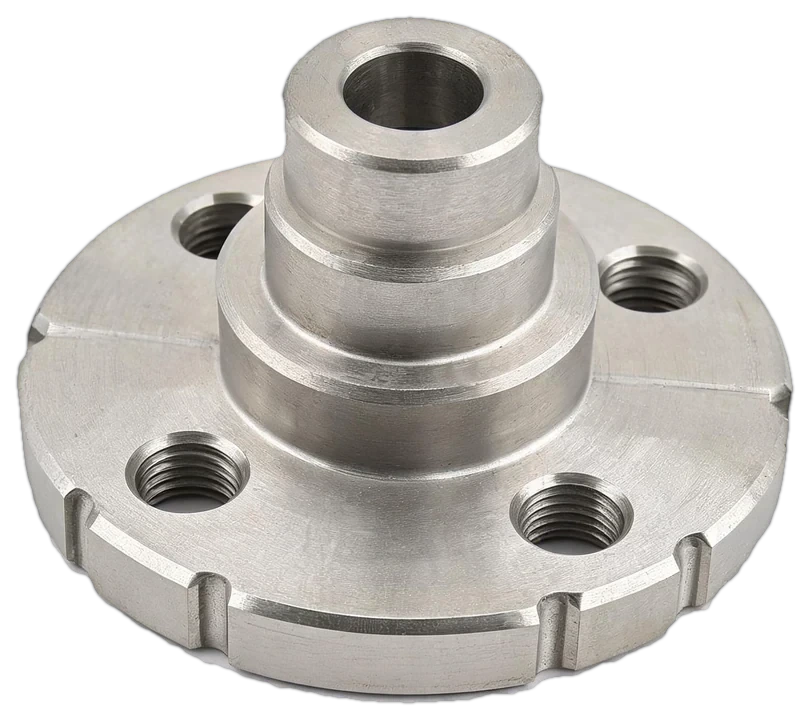
Die Oberflächenbeschaffenheit direkt aus der CNC-Maschine, gekennzeichnet durch sichtbare, gleichmäßige Bearbeitungsspuren. Dies ist die kostengünstigste und schnellste Option ohne zusätzlichen Bearbeitungsaufwand. Ideal für nicht sichtbare Funktionsteile, interne Prototypen und Anwendungen, bei denen die Minimierung von Kosten und Vorlaufzeit höchste Priorität vor dem optischen Erscheinungsbild hat.

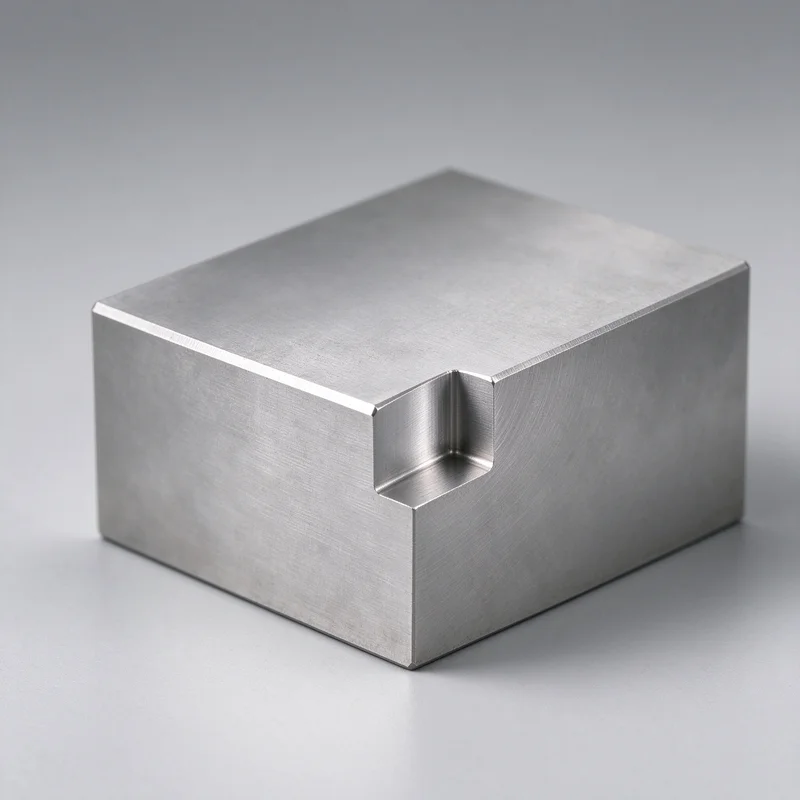
A chemical treatment for stainless steel that removes free iron from the surface and promotes the formation of a stable, inert chromium oxide layer. This process maximizes the alloy's natural corrosion resistance without altering part dimensions. A mandatory step for medical instruments, food processing equipment, and marine components to prevent rust and contamination.

A progressive mechanical abrasion process that refines a metal surface to a smooth, high-gloss, or mirror finish. It dramatically reduces surface roughness (Ra), improving cleanability, light reflection, reducing friction, and elevating visual appeal. Standard for luxury goods, food-grade equipment, optical components, and architectural features.

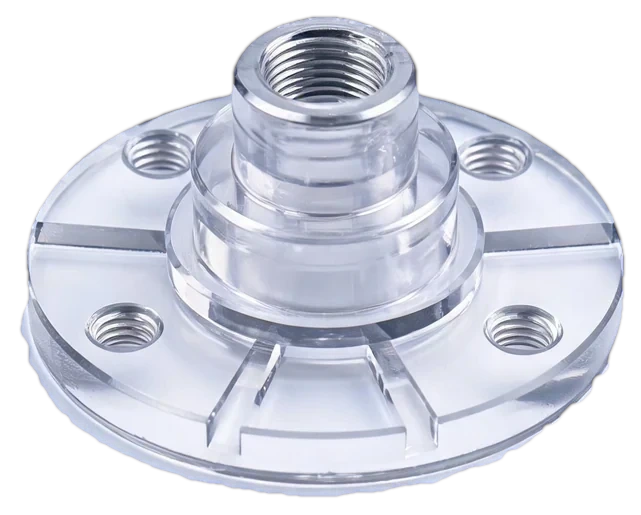
Ein spezielles Nachbearbeitungsverfahren für Thermoplaste (wie ABS, PC, PMMA), bei dem Lösungsmitteldämpfe eingesetzt werden, um die Oberflächenschicht schonend zu schmelzen. Dadurch werden Schichtlinien und mikroskopisch kleine Unebenheiten beseitigt, was zu einer kristallklaren, glänzenden und glatten Oberfläche führt, die die optische Klarheit und die chemische Beständigkeit verbessert. Ideal für klare Linsen, Lichtleiter und Ausstellungsmodelle.
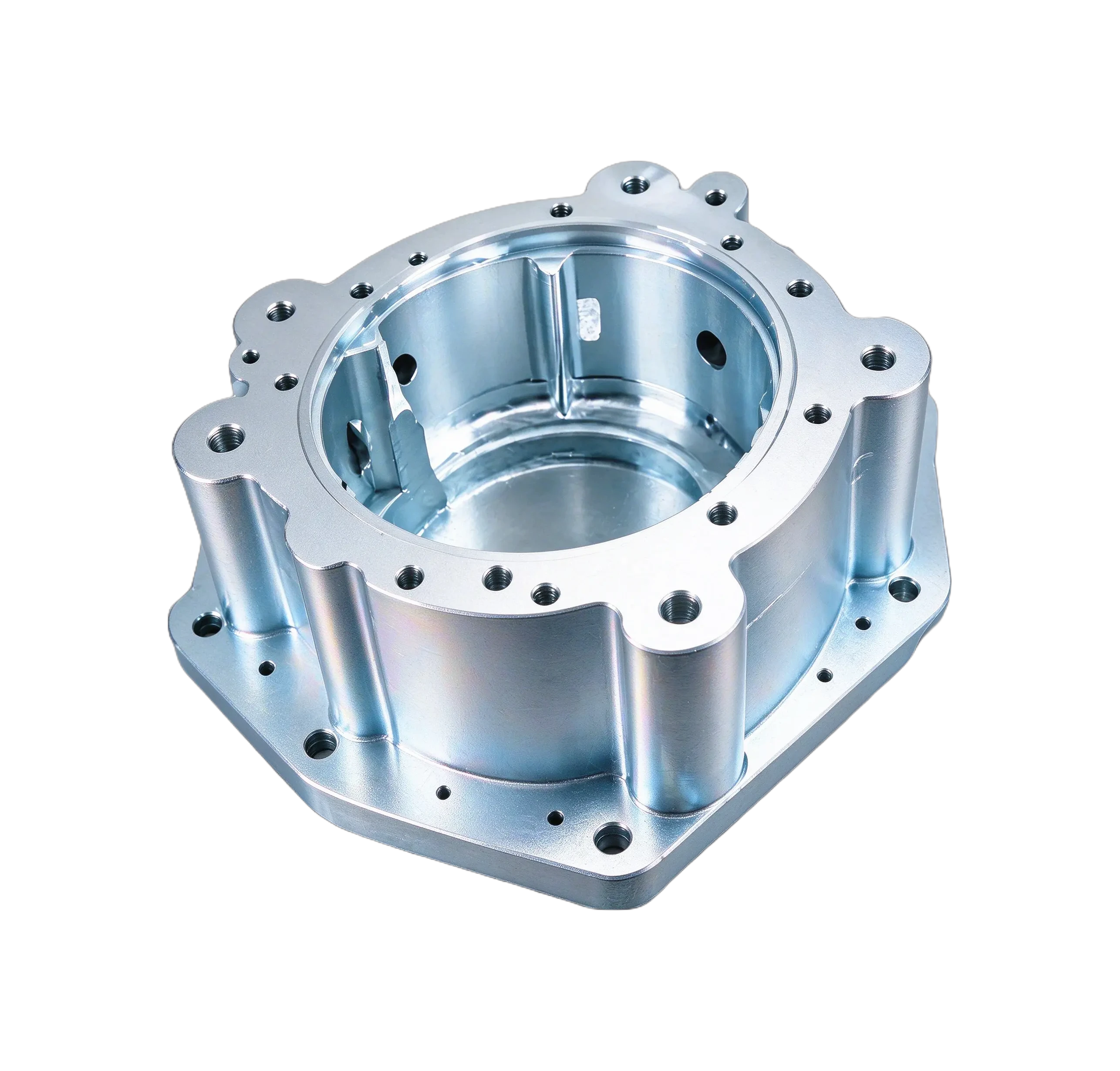
Ein elektrochemisches Verfahren, bei dem eine schützende Zinkschicht auf Stahl- oder Eisenuntergründen aufgebracht wird. Das Zink fungiert als Opferanode und bietet so Schutz vor galvanischer Korrosion. Das Verfahren kann durch verschiedene Chromat-Konversionsbeschichtungen (klar, blau, gelb, schwarz) ergänzt werden, um die Beständigkeit zu erhöhen und eine Farbgebung zu erzielen. Eine kostengünstige und zuverlässige Lösung für Befestigungselemente, Halterungen, Automobilteile und Beschläge.

Tap into IDEAL PRO Manufacturing's in-house CNC turning capacity and shorten your supply chain. With 20+ years of experience and 3,000+ successfully delivered projects, our turning capabilities—including Swiss-type turning, multi-axis turning centers, and automated bar feeders—handle everything from complex long-shaft parts to high-volume fasteners with ±0.005mm tight tolerances and 99.8% on-time delivery. Parts move from quote to shipment with lead times as fast as 1 day for urgent prototypes.
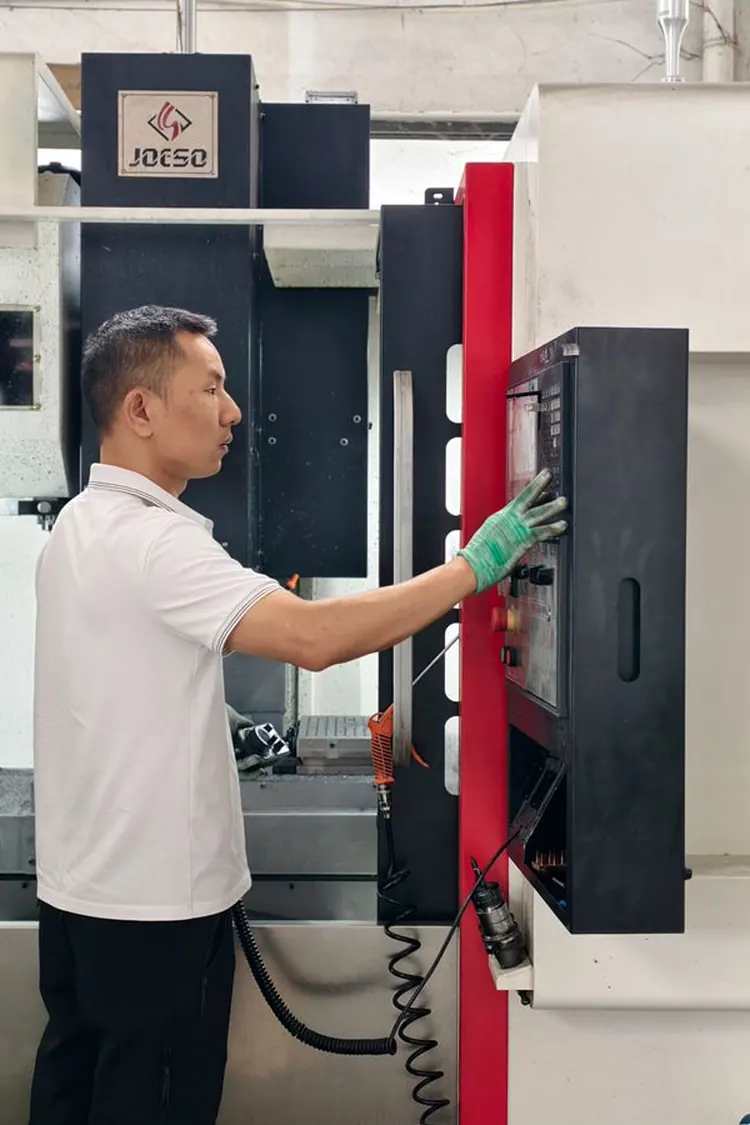
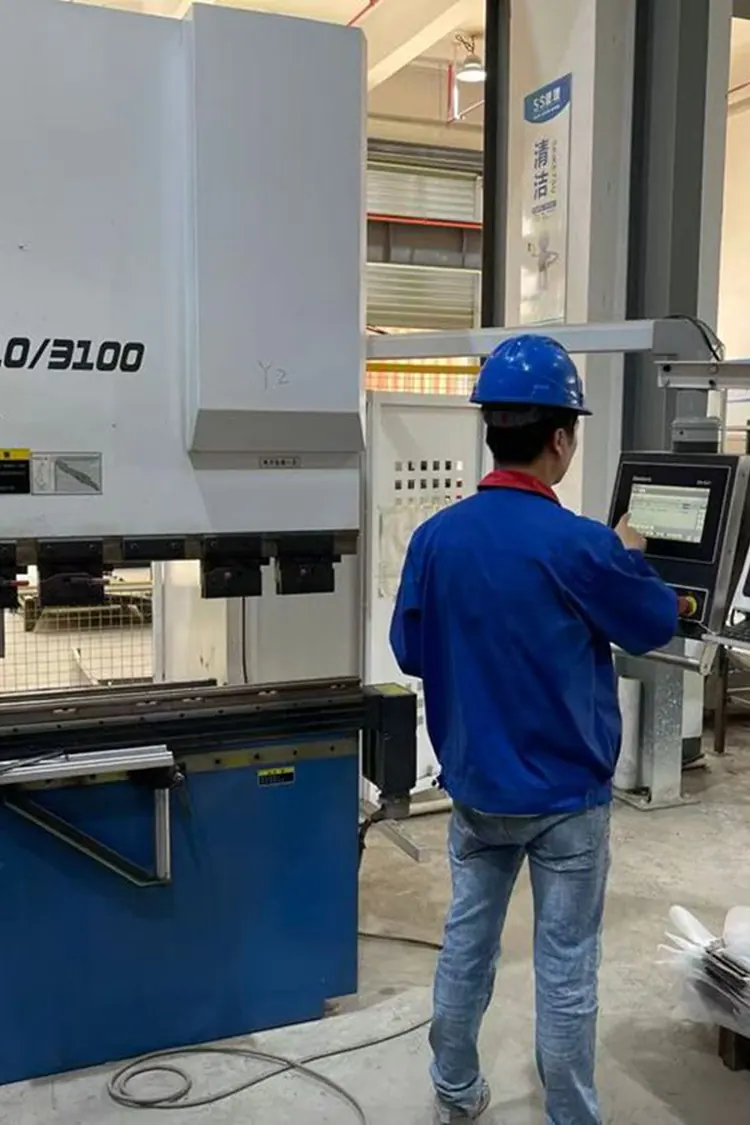
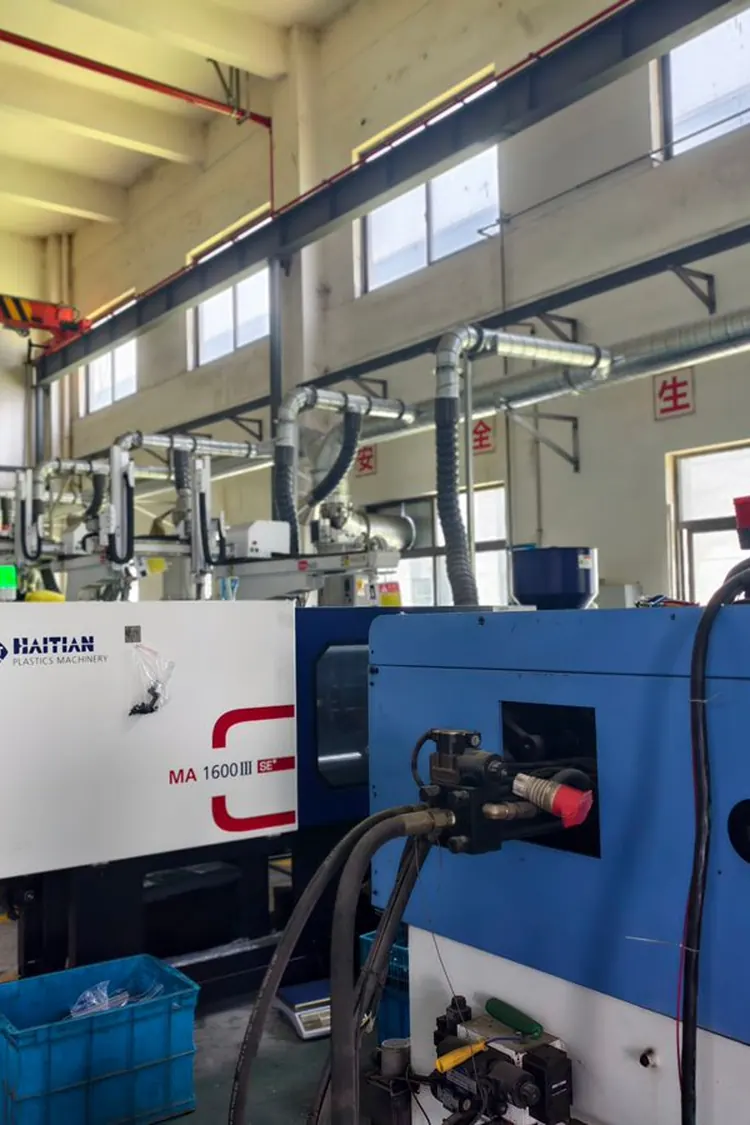
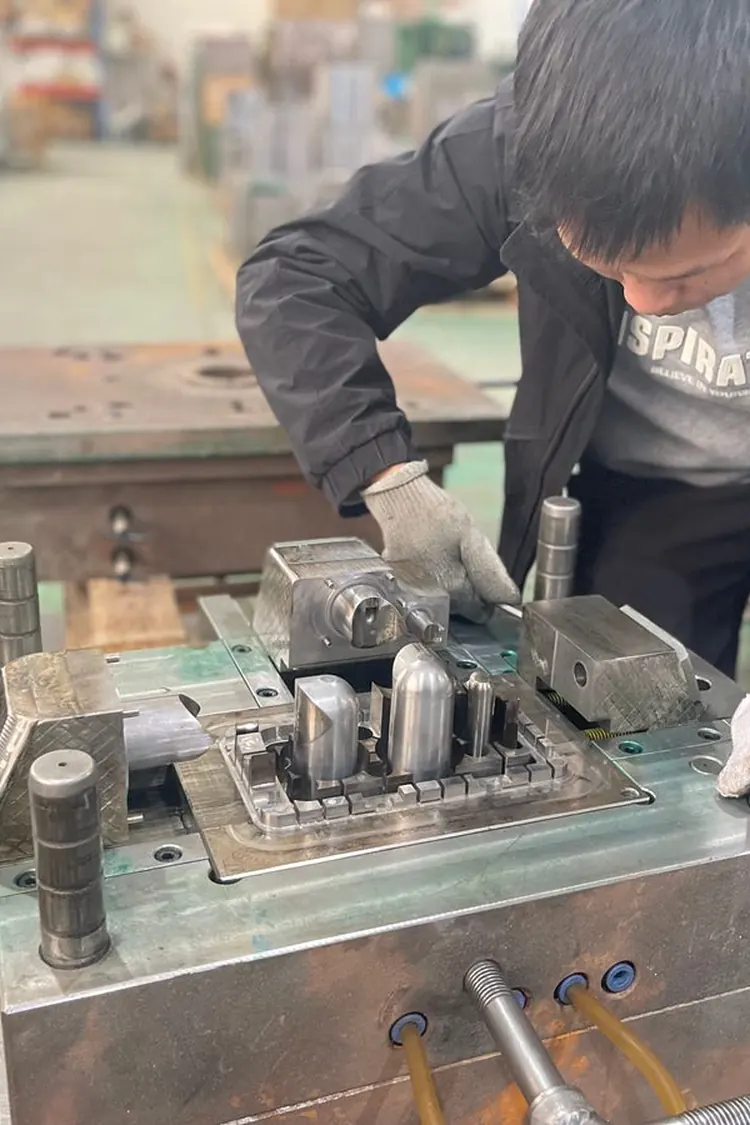
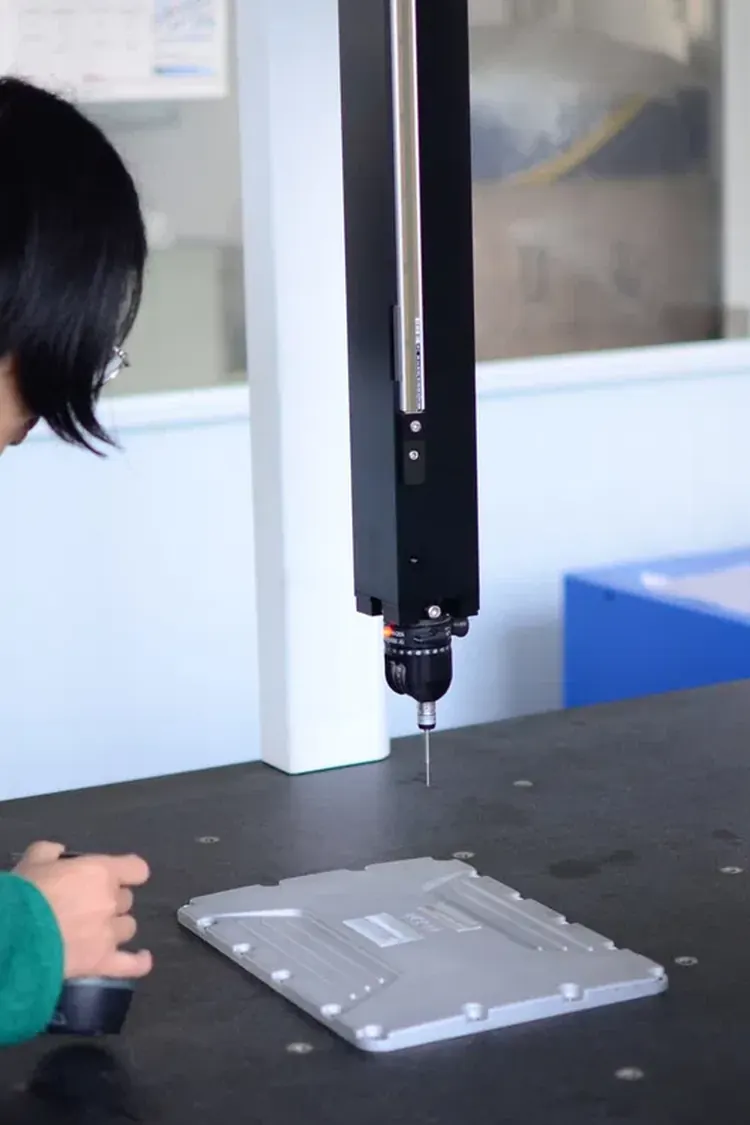
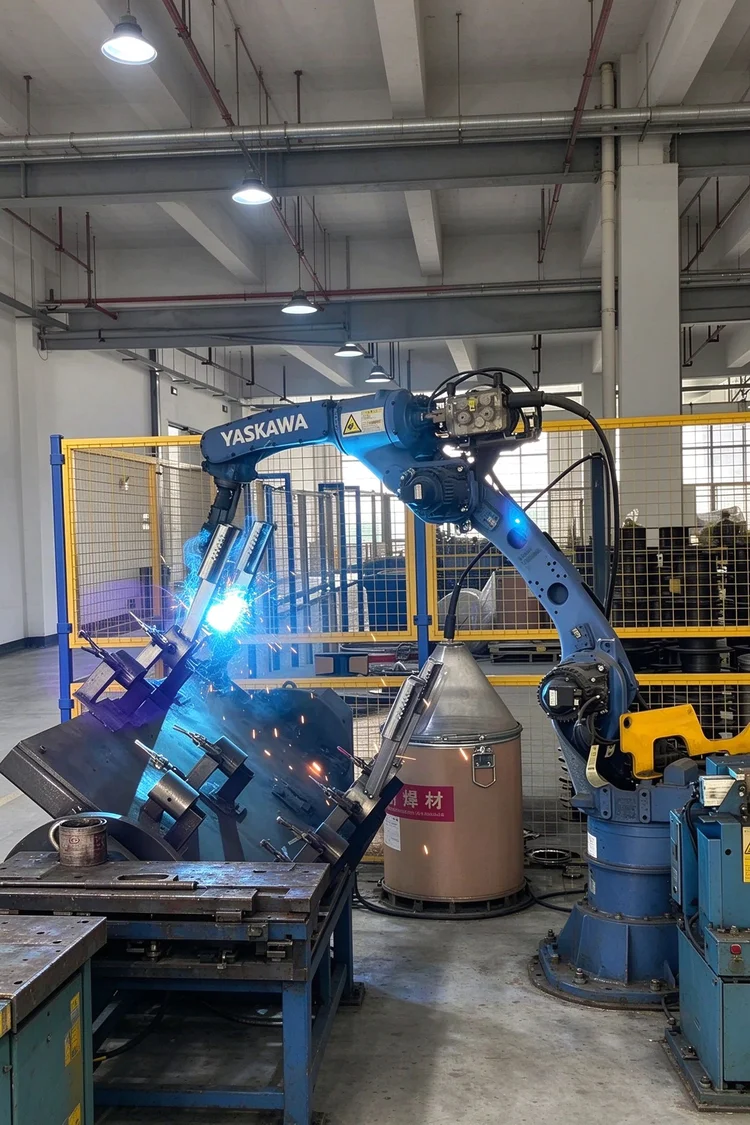
IDEAL PRO Manufacturing partners with leading companies across the automotive, aerospace, medical, electronics, and robotics industries. From individual inventors to global enterprises, we deliver precision CNC Turning machining and manufacturing solutions trusted for quality and reliability worldwide.

A packaging machinery builder required long flanged spindle shafts coupling a large bolted mounting flange to a small precision bearing journal. We turned quenched and tempered 4140 alloy steel on a slant-bed CNC lathe, then ground the journals to IT6 with 0.02 mm total runout and a Ra 0.4 μm finish; all 350 shafts balanced smoothly during 6,000 rpm test runs.
IT6
Journal Grade
0,02 mm
Total Runout
Ra 0,4 μm
Ground Finish
6,000 rpm
Balance Test
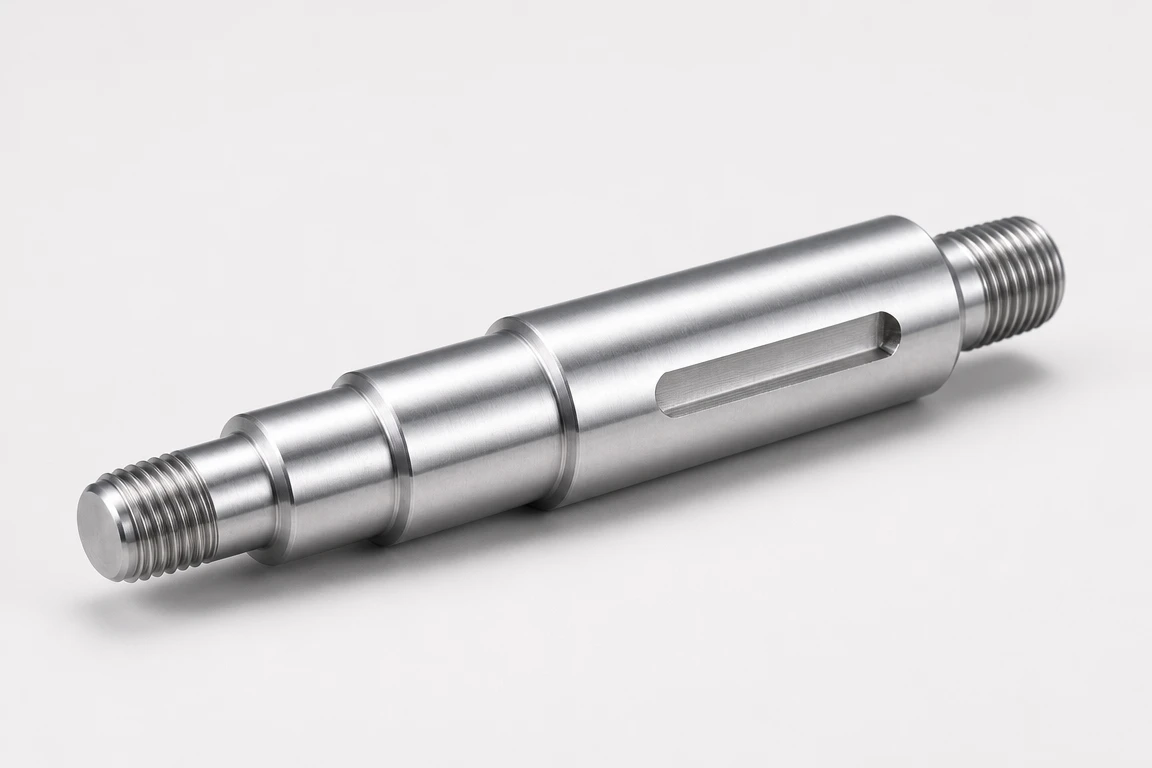
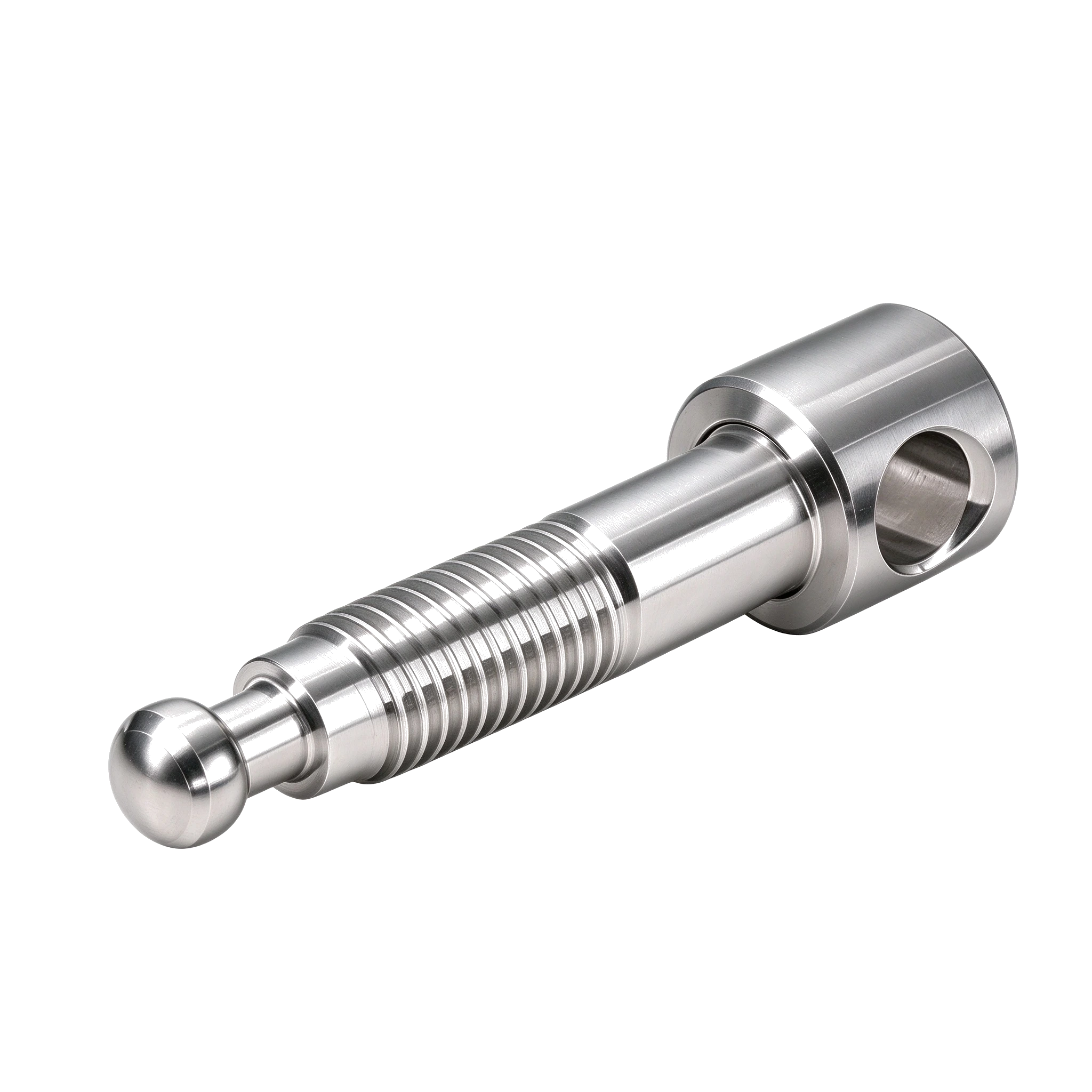
A medical device maker needed long adjusting screws with fine threads, a cross-drilled ball head, and no deflection along a thin shank. We turned 303 stainless on Swiss-type CNC lathes with a steady rest support, holding the M6 thread to 6g, diameter to ±0.01 mm, and Ra 0.8 μm; 10,000 screws passed assembly trials without a single cross-thread.
6g
Thread Class
±0,01 mm
Shank Diameter
Ra 0.8 μm
Oberflächenbehandlung
10,000
Screws Delivered

A telecommunications component supplier needed miniature RF connector bodies with diamond-knurled grips and a precise micro coaxial bore. We turned C36000 free-cutting brass on sliding-headstock Swiss-type CNC lathes in a single setup, holding the signal bore to IT6, knurl diameter to ±0.02 mm, and Ra 0.8 μm; 50,000 connectors met VSWR targets with a 99.9% acceptance rate.
IT6
Signal Bore
±0,02 mm
Knurl Diameter
99.9%
Acceptance Rate
50,000
Connectors Shipped
Turned parts are machined to the tolerances on your drawing. Our defaults follow ISO 2768-m for metals and ISO 2768-c for plastics, and we hold ±0.005 mm on critical diameters and lengths when the design requires.
| Beschreibung | Specifications & Capabilities |
|---|---|
| Maximale Teilegröße | Up to 500 mm in diameter and 1500 mm in length as standard. Larger dimensions can be accommodated with specialized equipment and fixturing. |
| Mindestteilgröße | Parts as small as 1 mm in diameter can be machined, depending on material properties and geometric complexity. |
| Allgemeine Toleranzen | Standard machining holds ±0.01 mm. Tighter tolerances down to ±0.005 mm are achievable on demand, based on material and part design. |
| Vorlaufzeit | Standard delivery in 3– business days for most orders. Expedited services are available, reducing lead time to 24–8 hours for urgent projects. |
Design to these values and the part turns faster and cheaper. They reduce tool deflection and chatter, hold accuracy, and apply the same way to prototype and volume orders.
Minimum internal radius of 0.5 mm. Larger radii (e.g., 1 mm or more) improve tool access, reduce stress concentration, and enhance part durability.
External/internal threads can be precisely cut.
Standard sizes start at M1.6.
Ensure thread length ≥1.5× diameter for stable, secure assembly.
For metals: 0.8 mm; for plastics: 1.5 mm. Adequate thickness prevents distortion during machining and ensures part strength.
Minimum character height: 2 mm.
Depth: 0.5 mm. At these dimensions the mark stays legible after turning and post-finishing.
Minimum diameter: 0.5 mm. For deep holes, maintain a diameter‑to‑depth ratio ≤1:10 to avoid tool deflection and preserve hole quality.
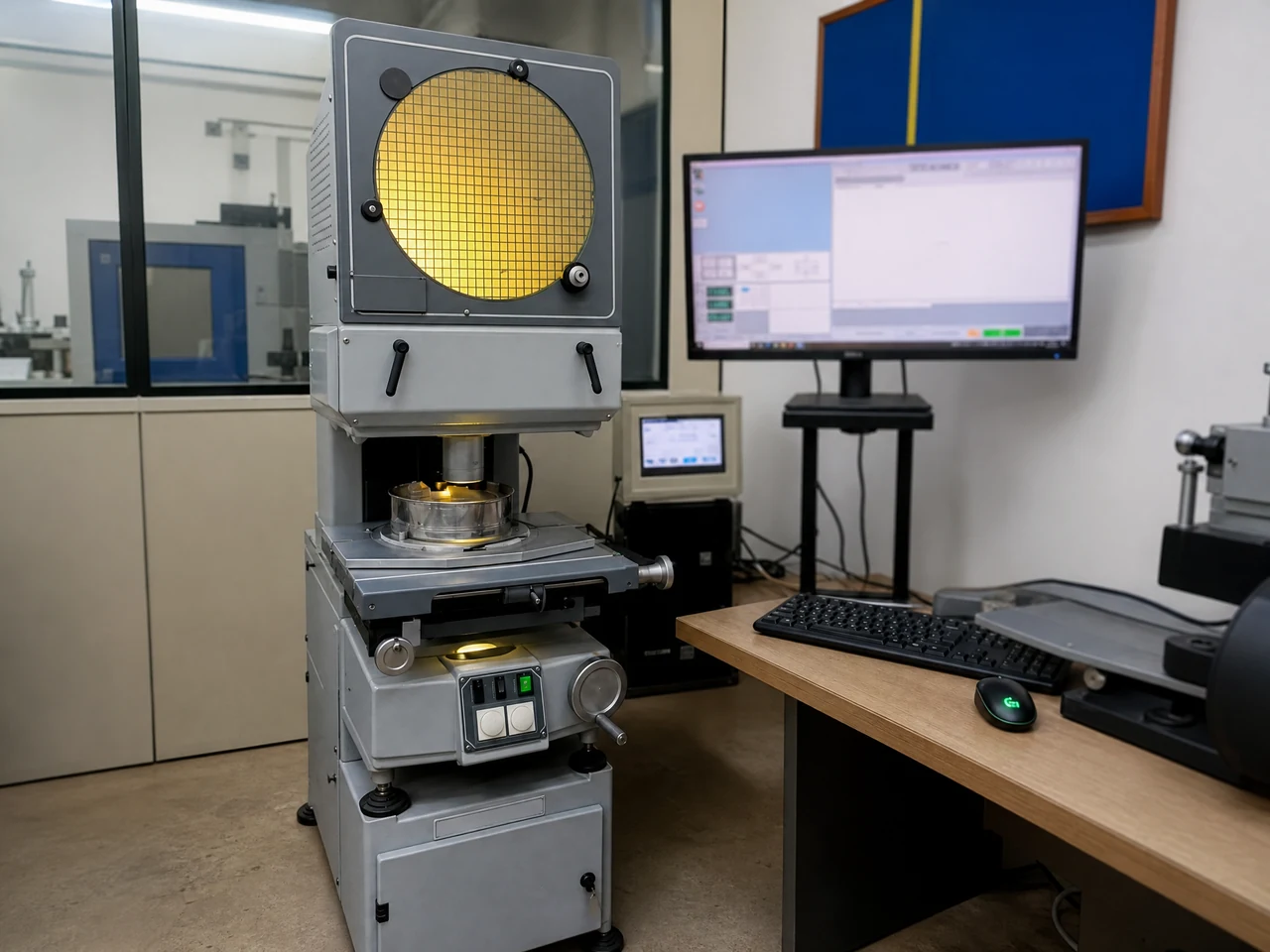

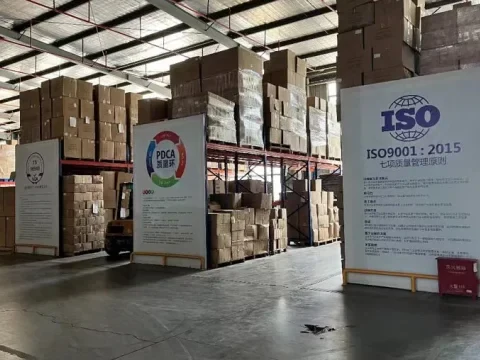

Every turned part is measured against the drawing. Our process holds a 90% first‑pass yield across prototype and production orders, and nonconforming parts are caught before they leave the shop.
Turned parts run through incoming bar-stock checks, first-article inspection, and in-process patrol checks. On request, orders ship with mill certificates and roundness, concentricity, or roughness inspection data.
30+ quality engineers and 20+ inspection tool types—roundness testers, surface roughness gauges, and handheld 3D scanners—check turned parts for diameter, concentricity, and surface finish against the drawing.
Bar-stock heat numbers, setup sheets, and final inspection records stay with each job. Cylindrical and contoured parts are traceable back to the material lot, and order status is available during the run.
Send your drawing for a quote. Engineering reviews tolerances and tooling before production, and inspection reports are available with every shipment.
Our CNC turning cells run work for automotive, fluid power, medical, and electronics buyers. Jobs follow the same flow—first article, in-process checks, final inspection—whether the order is a prototype batch or recurring production.

We hold turned diameters to ±0.01 mm where the drawing requires, and each part is checked against the drawing's dimensions and finish callouts before shipment.

Our streamlined workflow and modern turning centers enable rapid turnaround, from prototype to volume production. We help keep your projects on schedule with predictable, on‑time delivery.

From initial design review to final production, our engineers provide actionable DFM feedback and material guidance. We partner with you to optimize manufacturability, reduce costs, and ensure part reliability.
CNC turning is a precise subtractive manufacturing technique that transforms bar stock into accurate cylindrical components. The process begins with your CAD design being translated into machine code via CAM. A cutting tool is then programmed to follow precise paths, removing material as the workpiece rotates, resulting in consistent, high-quality parts.
Upload your CAD model. Our engineers program the optimal tool paths and speeds for your specific material and design.
The raw material is securely clamped in the lathe's chuck, and pre‑calibrated tools are loaded.
The part rotates at high speed while cutting tools shape it, performing operations like facing, turning, drilling, and threading.
Parts are deburred, finished as specified, and dimensionally inspected against the tolerances on your drawing.

CNC turning produces rotationally symmetric parts with repeatable dimensions across large batches. Once a program is proven, bars run on the feeder with minimal operator input, which cuts cycle time and unit cost as quantities rise.
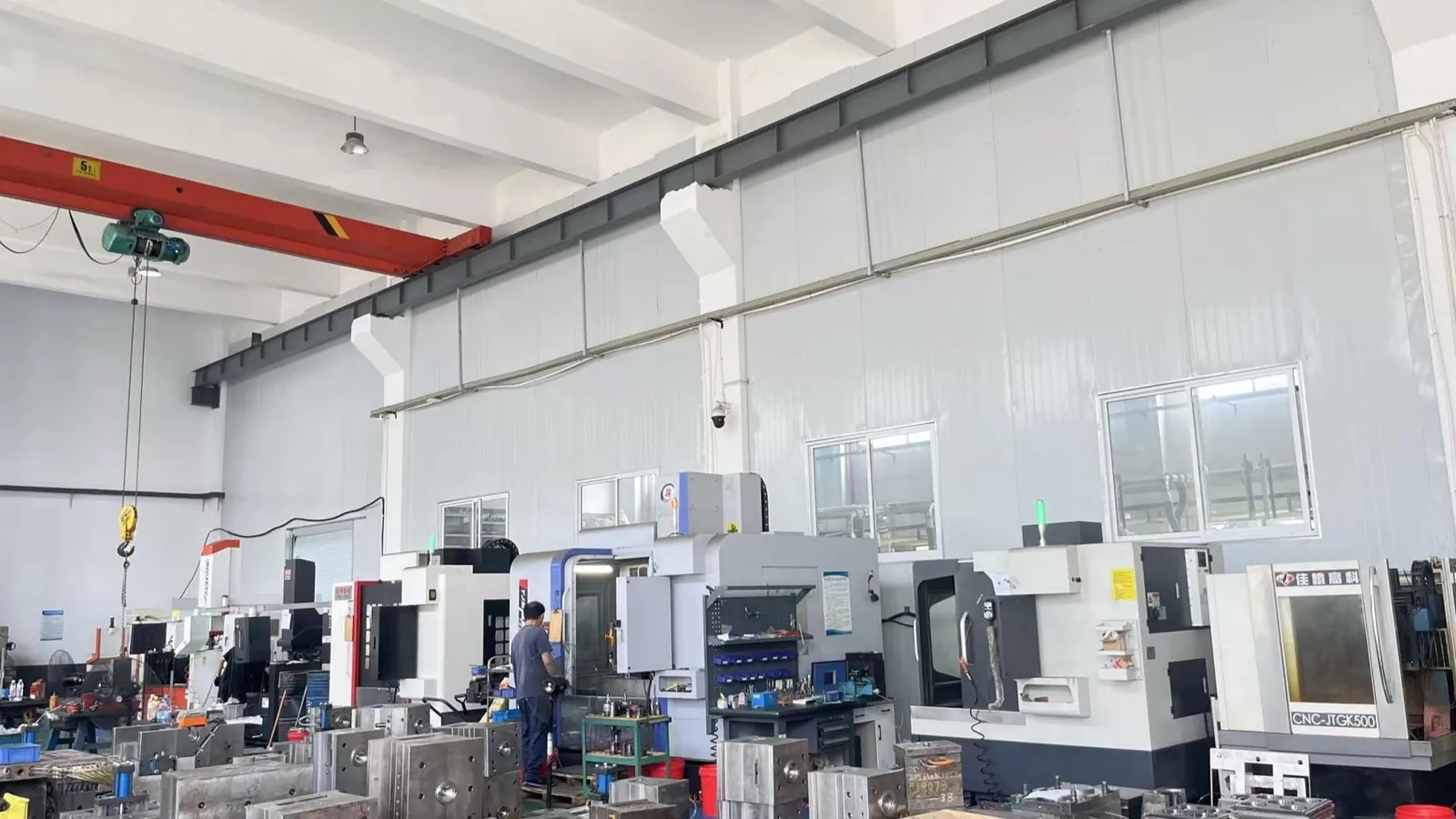
High Precision & Tight Tolerances: Tolerances down to ±0.01 mm on turned diameters, so mating parts fit at assembly without hand work.
Rapid Turnaround & Scalability: Bar feeders and proven programs carry a job from one-off prototypes to repeated batch orders without re-tooling.
Programming Flexibility: Design updates take a new program and offset change rather than new tooling, so revisions are quick between batches.
Consistent Repeatability: Produce identical parts across large batches, maintaining quality and performance in mass production.
Lower Operational Costs: Reduce manual intervention and minimize scrap rates, improving overall cost‑efficiency.
Broad Material Compatibility: Machine a wide variety of metals, plastics, and composites to meet diverse performance and environmental requirements.
Enhanced Operator Safety: Enclosed work areas and automated tool handling create a safer, cleaner machining environment.
As a precision turned-parts manufacturer, IDEAL PRO Manufacturing produces high-accuracy components where dimensional consistency, surface finish, and reliable assembly are critical. Here are common examples of parts we manufacture through CNC turning:
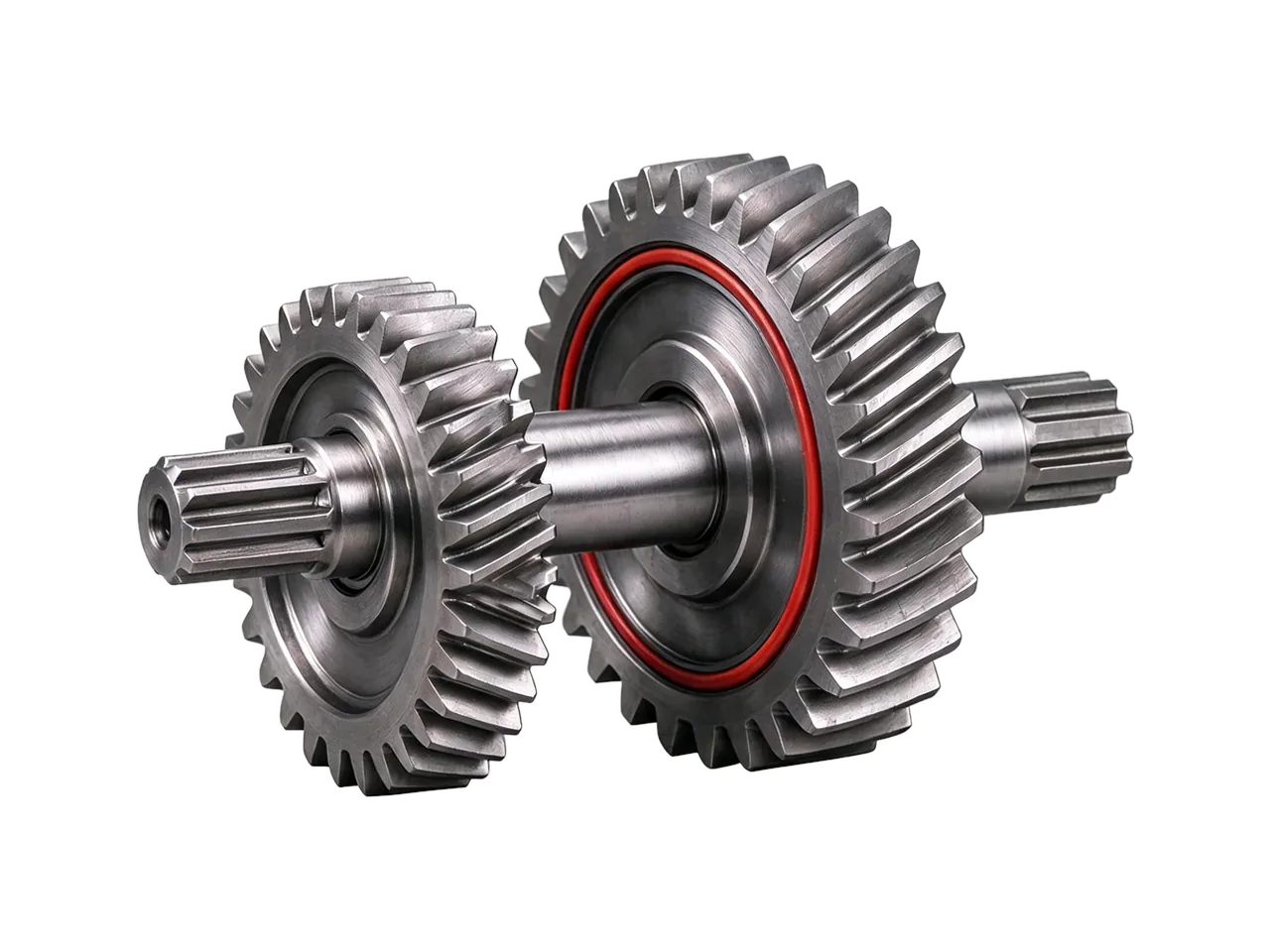
Precision-machined rotating or load-bearing components requiring exact diameters and smooth surface finishes for reliable motion.
Accurately machined interfaces for piping, pumps, and valves to ensure secure, leak-free connections.
Custom-sleeved inserts that reduce friction and wear between moving parts, demanding precise inner/outer diameters.
Small yet critical alignment or retention parts manufactured to exact dimensions for secure, snug fits.
Ergonomically designed user-interface components where aesthetics, grip, and dimensional accuracy enhance usability.
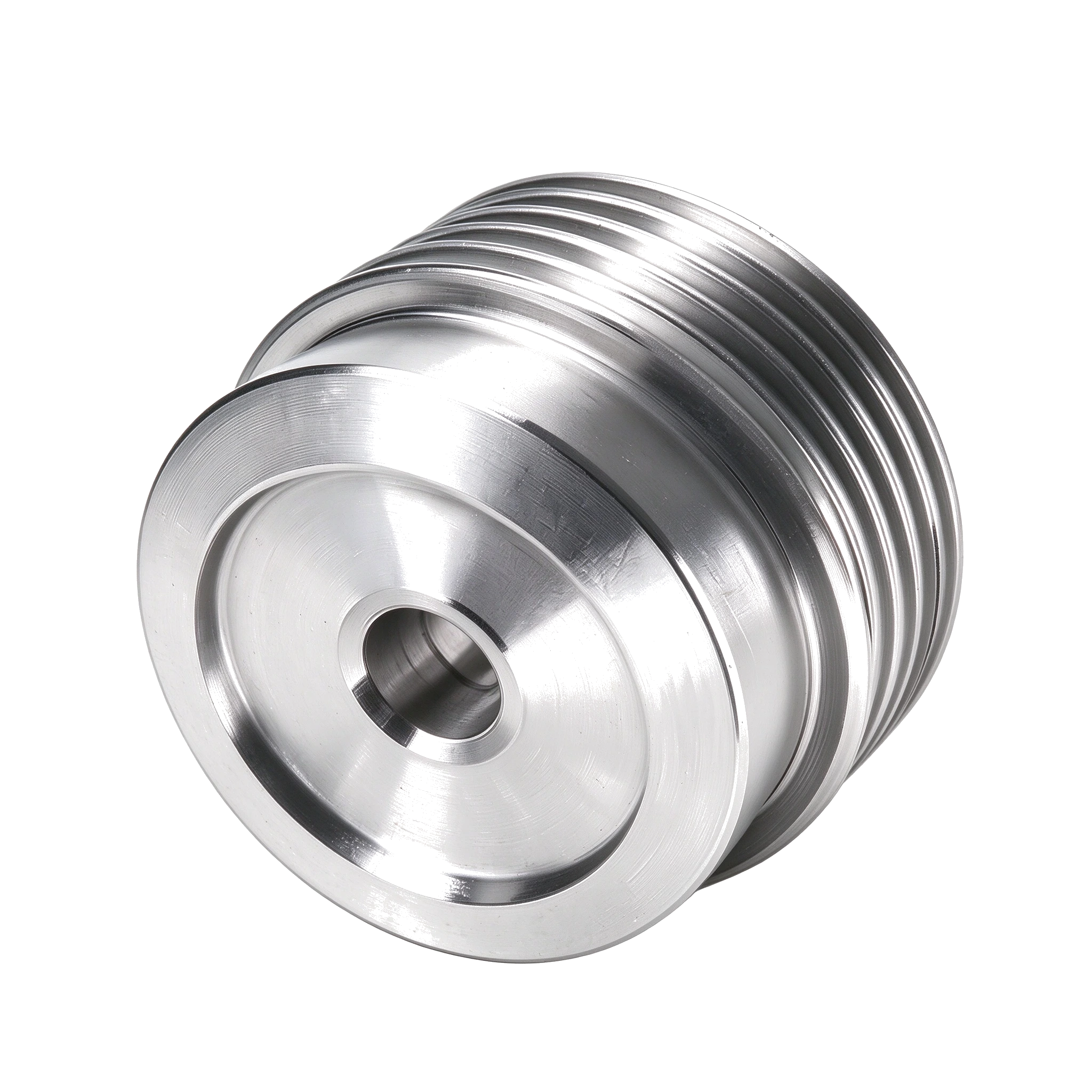
Conveyor, guidance, or mobility components that require consistent roundness, balance, and low-friction surfaces.
Protective or structural covers with threaded ends, grooves, or precise internal features for assembly.
Bleiben Sie über die neuesten Nachrichten und Ankündigungen von IDEAL PRO Manufacturing auf dem Laufenden. Entdecken Sie unten unsere neuesten Artikel.
CNC turning is ideal for producing rotationally symmetric parts like shafts, pins, bushings, and fasteners. It delivers the tight tolerances and smooth finishes required for precise fits and reliable motion in industries from automotive to robotics. If your component is round or has cylindrical features, turning is likely the most efficient and cost-effective manufacturing method.
Yes. POM, Nylon, and PEEK are turned regularly on dedicated setups with sharp tooling, high spindle speeds, and peck cycles that keep heat out of the cut. That prevents built-up edge, melting, and burrs, so thin-wall and close-tolerance plastic parts come off stable and clean—for prototypes and production alike.
CNC turning rotates the workpiece against a stationary tool, making it highly efficient for cylindrical shapes. CNC milling moves a rotating tool around a stationary workpiece, ideal for complex, multi-faceted parts. Many components benefit from a combination of both processes. Tell us about your project, and we'll recommend the most efficient approach.
A modern CNC turning center is a computerized lathe that can perform facing, turning, threading, grooving, and drilling—often in a single setup. This "done-in-one" capability produces intricate parts with high accuracy and consistency, from simple pins to complex shafts, reducing production time and cost.
Cost depends on material, complexity, quantity, and tolerances. Simple designs in common materials are very cost-effective. For the most accurate and transparent pricing, upload your design for an instant online quote. Our system provides clear pricing with no hidden fees, and our engineers can offer free suggestions to optimize for cost.
Standard jobs ship in 3–7 business days. Prototypes and simple parts often finish in 1–3 days, and expedited service is available for urgent orders. Submit your files for a lead-time estimate based on the actual geometry and material.
CNC turning is best for rotationally symmetric parts. Features like off-center holes or complex internal channels may require secondary milling. This isn't a problem—it's an opportunity for optimization. Send us your design for a free DFM review, and we'll advise on the most efficient and robust way to manufacture it.
We offer a full range, from the standard "as-turned" finish to polished, brushed, or bead-blasted aesthetics. Additional treatments like anodizing, plating, or powder coating can be applied for enhanced wear resistance, corrosion protection, or color. We'll help you select the right finish for both function and appearance.
 English English
 French
 Dutch
 German
 Japanese
 Korean