

Low-volume injection molding can be a game-changer for businesses. With the right strategies, you can save time and money while ensuring product quality.
Low-volume injection molding is not just for prototypes; it’s a strategic approach for market validation and rapid production. This method allows you to produce real parts quickly and at a lower cost.
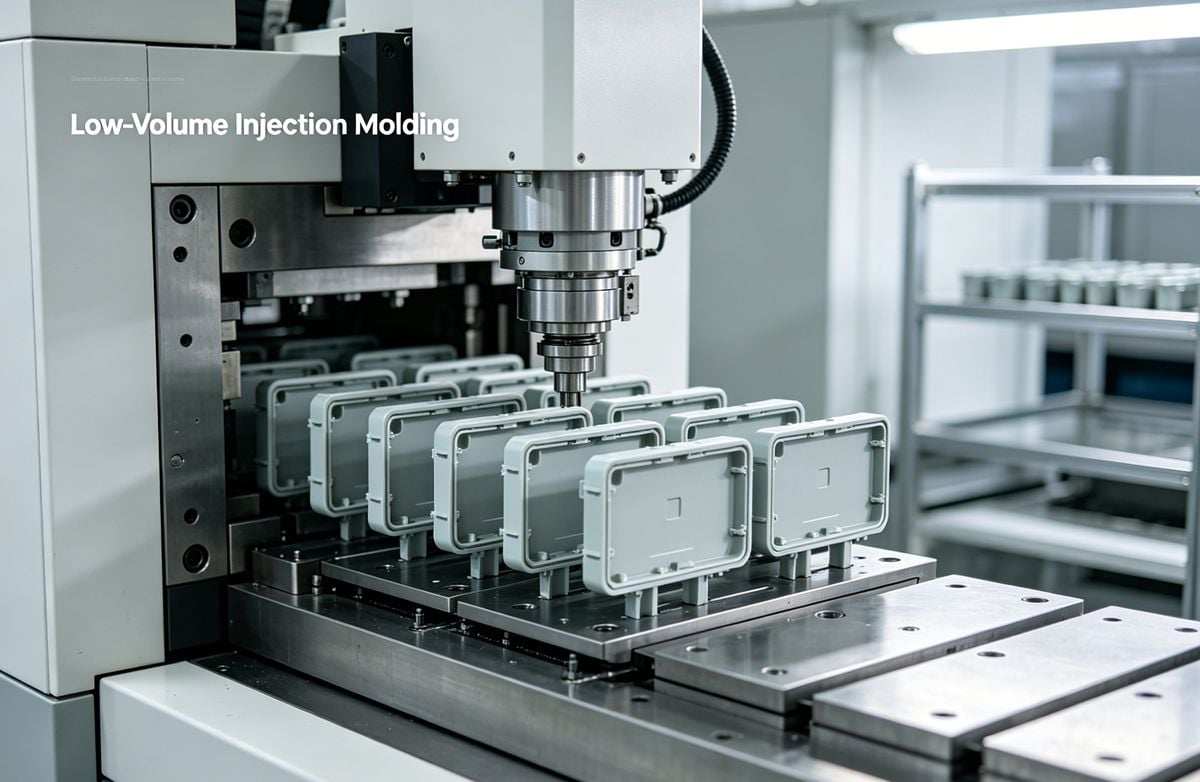
In today's competitive market, understanding the nuances of low-volume injection molding is vital for success. Many businesses overlook this option, thinking it’s only for prototyping. However, low-volume molding offers a way to test products effectively without the financial burden of mass production.
What Exactly is Low-Volume Injection Molding? (And Why It’s Not Just for Prototypes)?
Low-volume injection molding is a production method that allows for the creation of smaller quantities of parts with high precision. This approach is often utilized for testing concepts, limited production runs, or as a stepping-stone before scaling up to mass production.
Low-volume injection molding serves a crucial role in product development by enabling companies to produce parts that closely resemble final products. This method helps identify design flaws early in the process and allows for quicker adjustments.
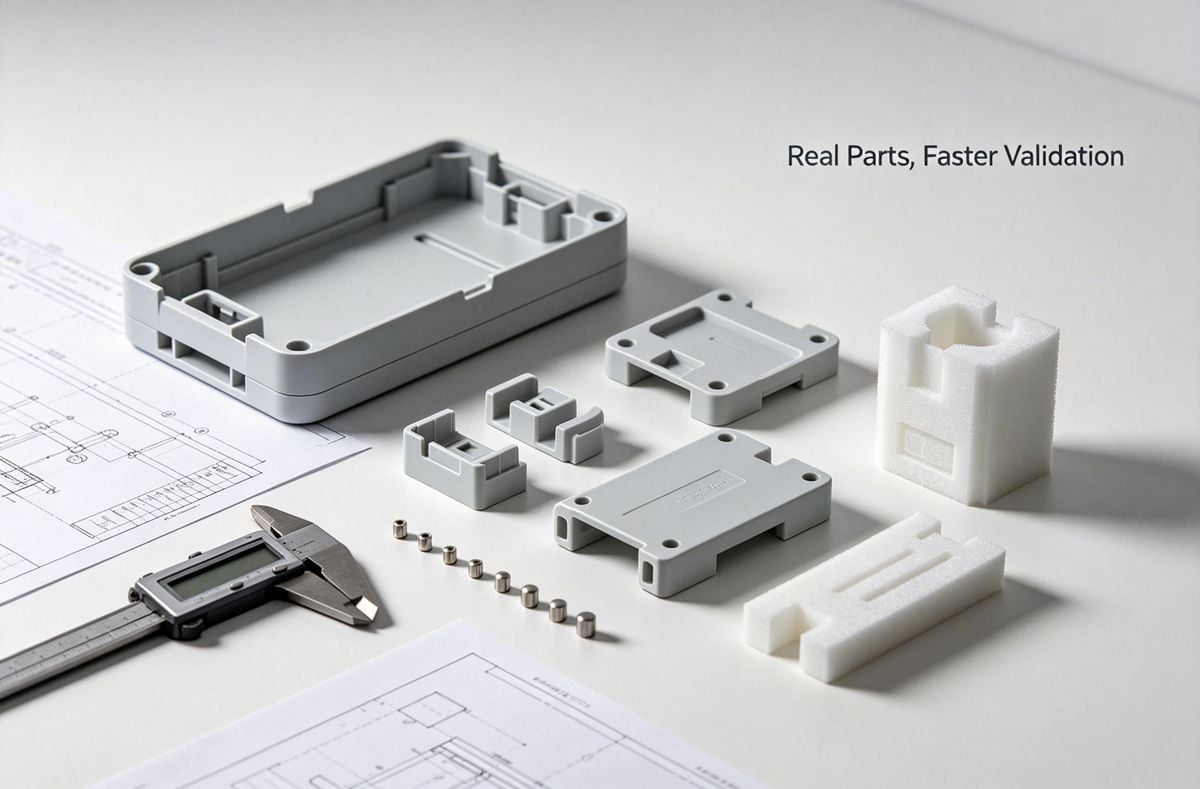
The flexibility of low-volume injection molding means it can be employed for a wide variety of projects. Whether you are a startup or an established company, the ability to produce high-quality parts with shorter lead times can significantly enhance your market strategy.
Low-Volume vs. High-Volume vs. 3D Printing: The Ultimate Decision Matrix
When facing the decision between low-volume injection molding, high-volume production, and 3D printing, it’s essential to understand the differences. Low-volume molding is ideal for short runs, while high-volume production is suited for mass quantities. 3D printing, although flexible, often struggles with material performance.
In the decision-making process, consider factors like cost, time-to-market, and material properties. Low-volume injection molding often emerges as the best option for those seeking a balance between quality and affordability.
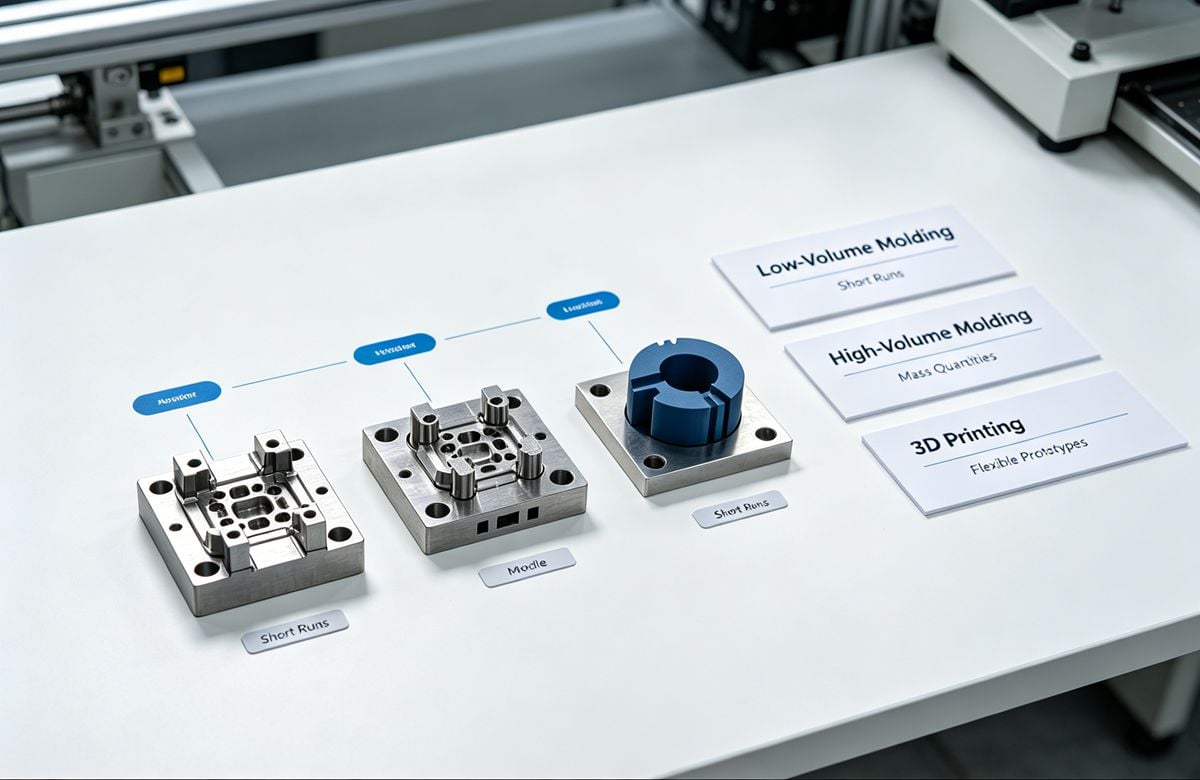
Understanding the unique attributes of each method allows companies to make informed choices based on their specific needs. By evaluating the pros and cons, businesses can determine which approach aligns best with their product development goals.
Rapid Tooling Strategies: Aluminum Molds vs. Steel Molds for Short Runs
When considering tooling options, aluminum molds are typically less expensive and quicker to produce than steel molds. However, steel molds offer greater durability for long-term production runs.
For low-volume runs, aluminum molds often provide a cost-effective solution. They enable fast turnaround times, allowing companies to bring products to market more quickly.
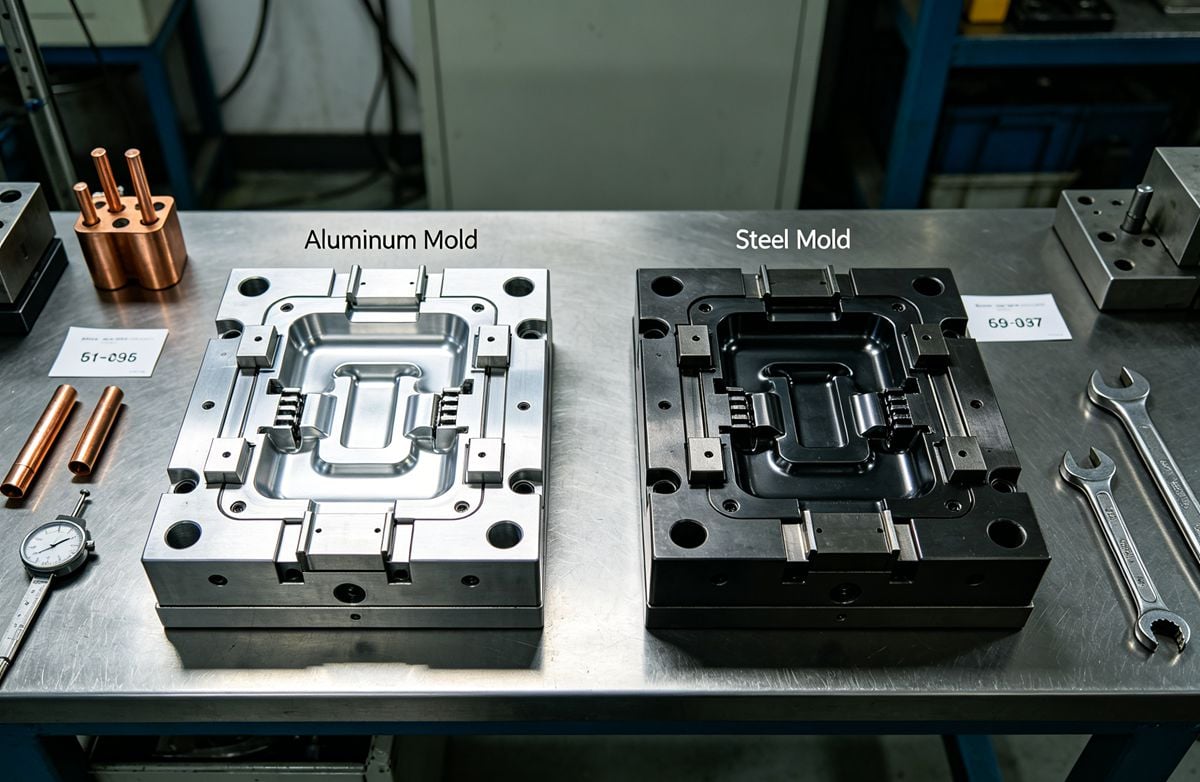
Choosing the right tooling strategy is essential for optimizing production. By leveraging aluminum molds, businesses can save significantly on initial costs while still producing high-quality parts that meet market demands.
Cost-Saving Tactics: How to Optimize Your Design for Low-Volume Production
Optimizing your design for low-volume production is critical for minimizing costs. Focus on simplifying shapes, reducing the number of parts, and selecting appropriate materials.
Strategically designing for manufacturability can lead to significant cost savings and faster production times. Implementing these tactics ensures your product is not only cost-effective but also meets quality standards.
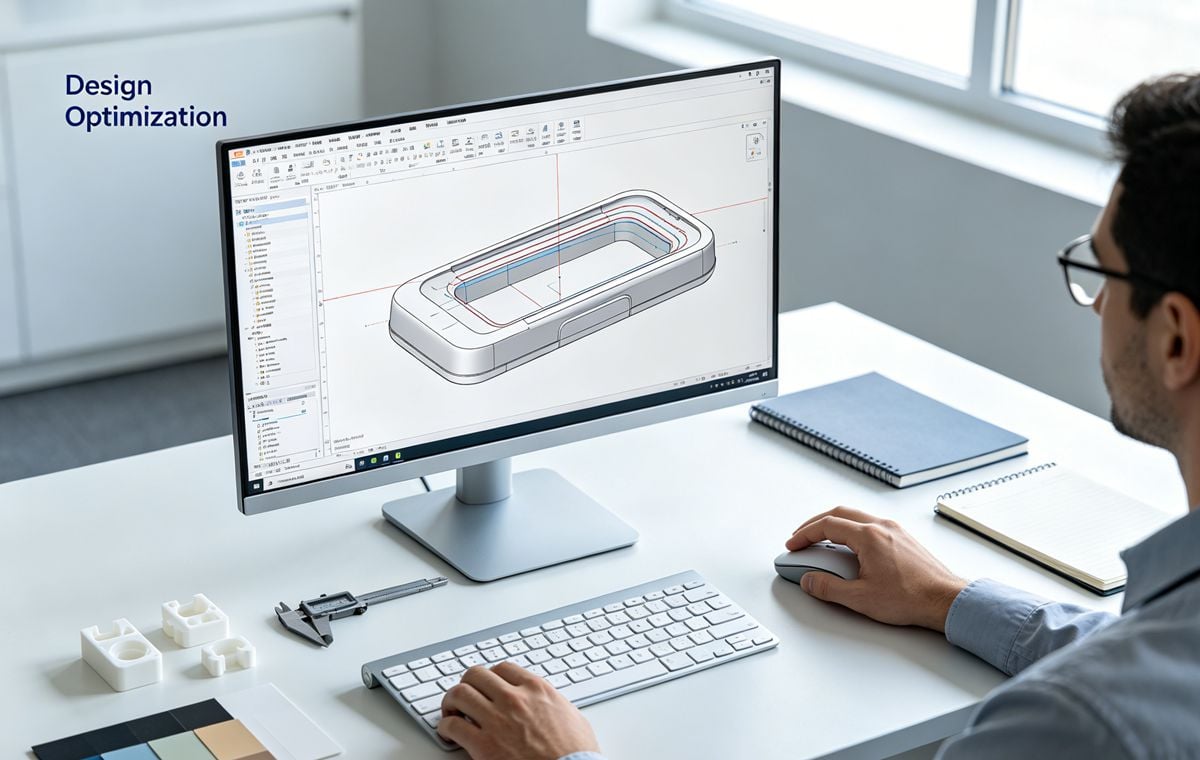
By engaging with a knowledgeable manufacturing partner, you can receive valuable feedback on your designs. This collaborative effort can lead to enhancements that further reduce costs and improve the overall quality of the final product.
Material Selection & Sourcing: Ensuring Production-Grade Resins for Short Runs
Selecting the right materials is a crucial aspect of low-volume injection molding. Production-grade resins like ABS, PC, or Nylon offer the strength and durability needed for functional parts.
Choosing high-quality materials ensures that your parts will perform as expected in real-world applications. Proper sourcing of these materials is equally important to maintain quality and consistency.
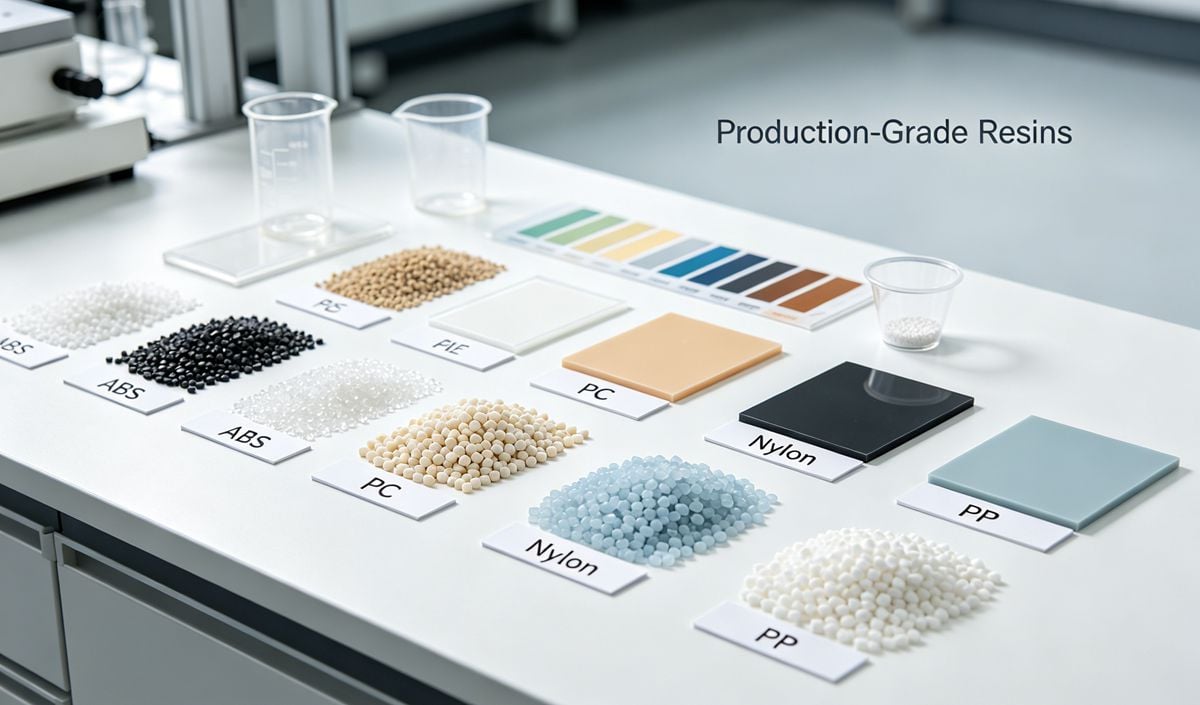
Working closely with suppliers can help you secure the best materials for your projects. By understanding the properties of different resins, you can make informed decisions that will positively impact your product's performance.
Quality Control in Low-Volume Runs: Maintaining Precision Without Mass Production
Maintaining quality in low-volume runs requires a robust quality control process. While mass production often has built-in checks, low-volume runs must have specific measures in place to ensure consistency.
Implementing a tailored quality assurance strategy allows companies to maintain high standards without the extensive costs associated with mass production. Quality checks at every stage of production ensure that final parts meet necessary specifications.

To be successful, companies need to prioritize quality control during low-volume production. This commitment not only preserves the integrity of parts but also boosts customer satisfaction and trust in the brand.
Red Flags to Avoid When Sourcing Low-Volume Molding Partners in China
Sourcing low-volume molding partners in China can be beneficial, but there are potential pitfalls to watch for. Beware of suppliers who promise unrealistically low prices, as this often indicates compromised quality.
Look for partners who are transparent about their processes and provide detailed information on their capabilities. Building a relationship with a trustworthy supplier can significantly impact the success of your project.
Due diligence is essential when selecting a manufacturing partner. Avoiding common red flags will help ensure a smoother production experience and higher quality outcomes.
Ready to Scale? Your Low-Volume Injection Molding RFQ Checklist (Free Template)
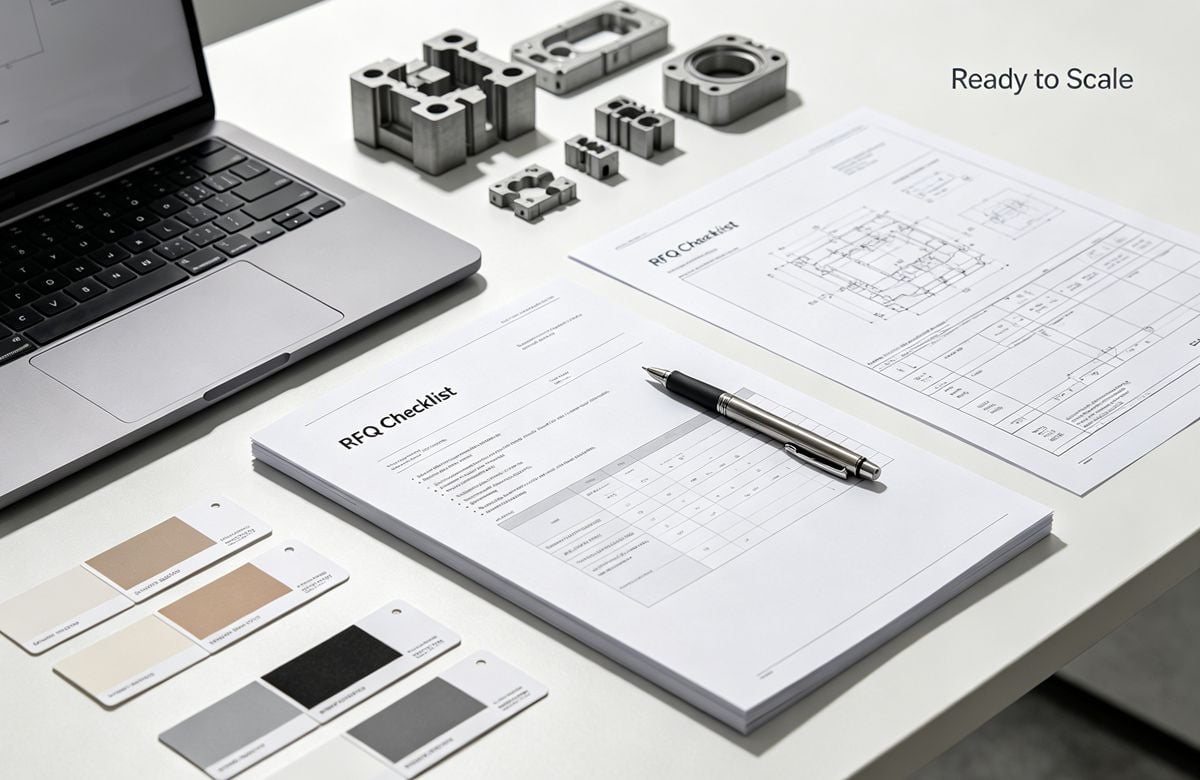
When you're ready to scale your low-volume production, having a clear RFQ (Request for Quote) checklist can streamline the process. Include key details like project specifications, timelines, and material requirements.
A well-structured RFQ enables potential suppliers to understand your needs clearly, allowing for accurate quotes and better service. This preparatory step can save you time and reduce misunderstandings down the line.
Creating and following a comprehensive RFQ checklist will help set the foundation for a successful partnership with your chosen supplier. This strategic approach will enhance communication and facilitate a smoother production process.
Fazit
Low-volume injection molding is an effective strategy for market validation, offering businesses a path to rapid production without the financial risks of mass orders.


 English
 French
 Dutch
Dutch German
 Japanese
 Korean