Blasen treten häufig an der letzten Schweißnaht (Verbindung) von Kunststoffteilen oder in dickeren Abschnitten des Produkts auf. Während des Formens kühlt die äußere Oberfläche des Teils zuerst ab. Sobald die Oberfläche erstarrt ist, bleibt der innere Kern geschmolzen. Wenn der Kern anschließend abkühlt und schrumpft, verhindert die bereits verfestigte äußere Schicht eine Kontraktion nach außen, was zu inneren Hohlräumen oder Blasen führt.
Vor allem viele dickwandige Teile können beim Auswerfen aus der Form blasenfrei erscheinen, jedoch innerhalb von zehn Sekunden innere Blasen entwickeln - vor allem im mittleren Bereich.
Blasendefekte können sich in verschiedenen Formen manifestieren, die jeweils unterschiedliche Ursachen haben. Im Folgenden finden Sie eine detaillierte Aufschlüsselung:
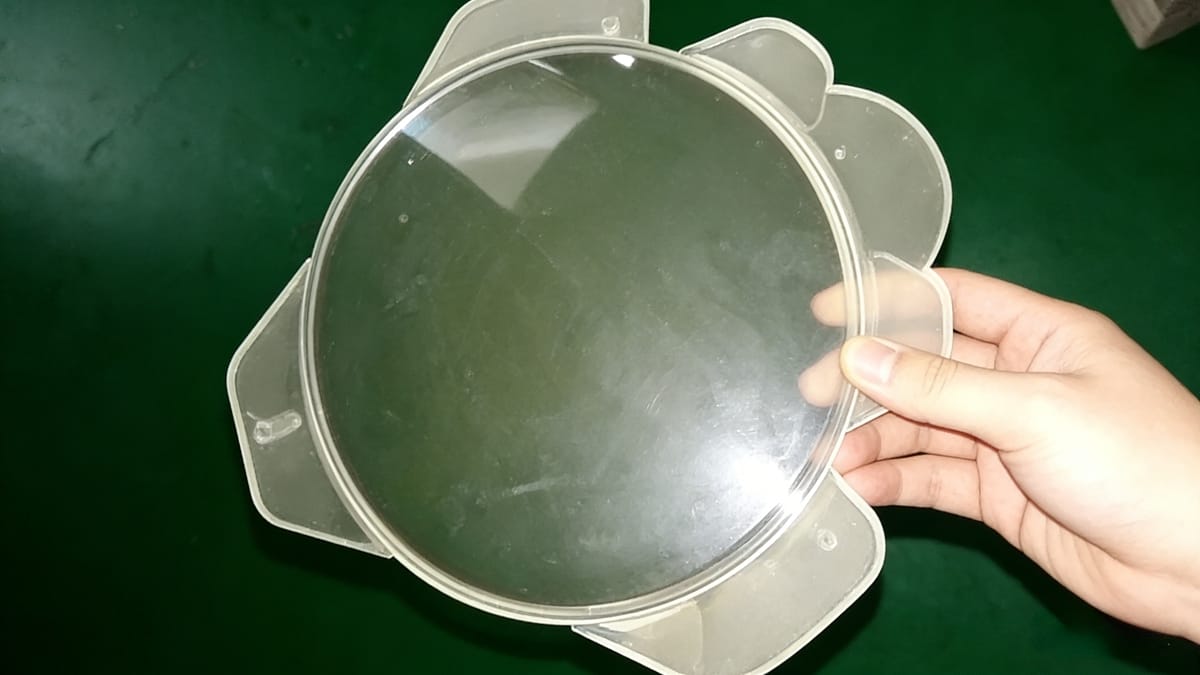
F: Dicke Teile weisen eine Oberflächenquellung (Ausbeulung) auf, und im Querschnitt sind innere Blasen zu erkennen. Mögliche Ursachen sind:
- Überhöhte Einspritzgeschwindigkeit, Dadurch wird die Luft im Hohlraum eingeschlossen, bevor sie entlüftet werden kann, was zur Blasenbildung führt.
- Falsches Schussvolumen (entweder zu viel oder zu wenig) oder zu hoher Einspritzdruck, beides kann zu solchen Defekten führen; eine Anpassung der Schussmenge löst das Problem oft.
- Unzureichende Kühlzeit, Dies ist besonders kritisch bei dickwandigen Teilen. Eine praktische Lösung ist die externe Kühlung mit kaltem Wasser oder einer kalten Form nach dem Auswerfen.
- Thermische Zersetzung (schwarze Streifen), verursacht durch zu hohe Fass- oder Schmelztemperaturen. Bei geringfügiger Zersetzung kann es ausreichen, die Temperatur zu senken; bei starker Zersetzung im gesamten Zylinder ist eine Demontage und Reinigung erforderlich.
- Kleine Anschnittgröße und schlechte Entlüftung der Form, die das Entweichen der Luft behindern und die Blasenbildung fördern.
Q: Feste Teile enthalten dunkel gefärbte Hohlräume (Kavitäten)
Beim Gießen von Massivteilen, niedriger Einspritzdruck1 und langsame Einspritzgeschwindigkeit sind unerlässlich. Hoher Druck in Verbindung mit einer schnellen Injektion führt dazu, dass eingeschlossene Luft komprimiert wird, sich durch Reibung erhitzt und verkohlt - das Ergebnis sind geschwärzte Hohlräume, die im Teil eingeschlossen sind.
Um dieses Problem zu lösen:
- Reduzieren Sie den Einspritzdruck und die Geschwindigkeit.
- Überprüfen Sie die Schussmenge und passen Sie sie an - wenn sie zu hoch ist, hilft eine Reduzierung, Hohlräume zu vermeiden.
Q: Kleine Blasen in dickeren Abschnitten oder große schwarze Blasen in besonders dicken Bereichen
Wenn mehrere Teile mit unterschiedlichen Geometrien gleichzeitig geformt werden, stellen Sie sicher, dass Torgrößen2 sind proportional auf das Gewicht/Volumen der Teile abgestimmt. Andernfalls sind dickere Teile anfällig für Blasenbildung.
Beachten Sie auch:
- Teile, die auf dem Gerät verbleiben Hohlraumseite (vordere Form) während des Auswurfs zu einer schlechteren Entlüftung neigen, was das Risiko solcher Defekte erhöht.
Lösungen:
- Ändern Sie das Design der Form (z.B. Verbesserung der Entlüftung, Optimierung der Position/Größe des Anschnitts).
- Erhöhen Sie die Packzeit (Haltezeit) und/oder die Abkühlzeit, um den unzureichenden Druck in dicken Abschnitten auszugleichen.
- Am wichtigsten ist, dass Sie beim Produktdesign übermäßig dicke Abschnitte nach Möglichkeit vermeiden.gleichmäßige Wandstärke3 reduziert blasenbedingte Defekte erheblich.
Dieses Wissen kann dazu beitragen, eine bessere Qualität zu erzielen und Fehler in den Gussteilen zu reduzieren. ↩
Die Kenntnis der Anschnittgrößen kann zu einer besseren Formgestaltung und weniger Defekten führen. ↩
Dieses Prinzip ist der Schlüssel zur Minimierung von Defekten und zur Gewährleistung der Haltbarkeit von Produkten. ↩