

Choosing the Best Material for Handheld Beauty Device Injection Molding: Why ABS is the Top Choice
The outer shell of a handheld beauty device is more than just a "pretty face." It directly dictates the device's hand-feel, durability, and overall user experience.
For procurement managers and product developers, selecting the right injection molding material is the key to controlling costs while boosting product competitiveness in the crowded beauty tech market.
Based on material properties, manufacturing adaptability, and real-world application scenarios, ABS (Acrylonitrile Butadiene Styrene) plastic stands out as the optimal choice. Below, we break down its core advantages, compare it with other materials, and outline the best use cases.
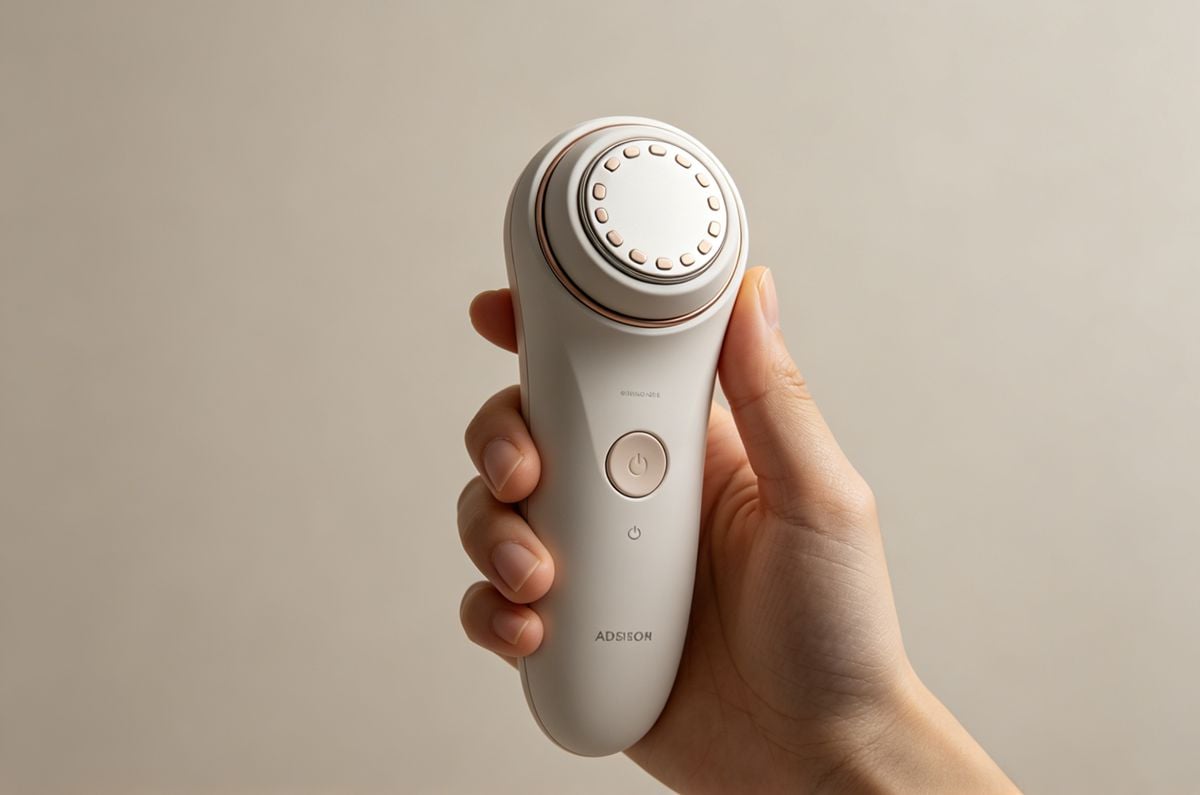
Core Advantages of ABS Plastic for Beauty Devices**
A. Balanced Performance Perfect for Handheld Use ABS offers an excellent balance of strength and lightweight properties.
- Impact Resistance: Handheld devices are prone to accidental drops. ABS shells effectively protect internal circuits and resist cracking.
- Lightweight Comfort: ABS is over 40% lighter than metal, reducing hand fatigue during prolonged use—a crucial factor for ergonomic design.
- Safety: Its superior electrical insulation makes it a safer choice for powered electronic beauty tools.
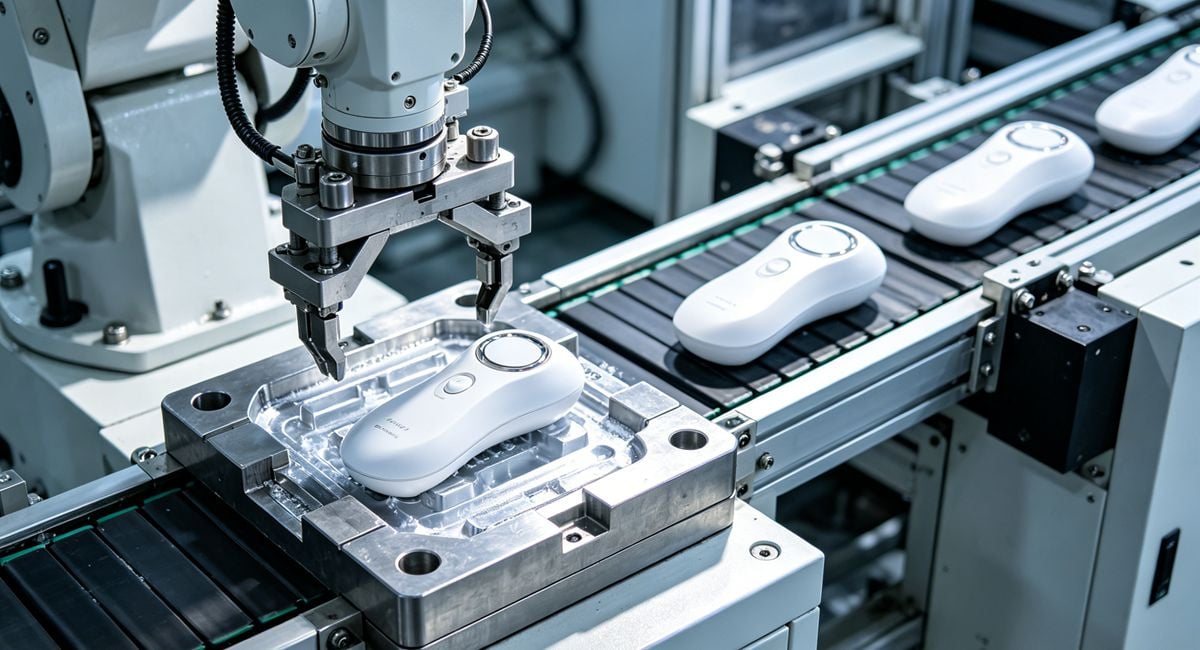
B. Cost-Effective & Manufacturing Friendly Injection molding is the core processing method for ABS. The technology is mature and highly efficient for mass production.
- Cost Reduction: Compared to processes like 3D printing, injection molding with ABS can reduce per-unit costs by over 50%.
- Aesthetic Versatility: ABS has strong surface plasticity. It can be molded directly into fine matte textures or high-gloss finishes without complex post-processing, meeting the high aesthetic standards of the beauty industry.
C. Durability & Precision Details
- Chemical Resistance: ABS shells resist corrosion from daily skincare products and alcohol wipes, preventing discoloration over time.
- High Precision: Injection molding allows for precise control over button gaps, heat dissipation holes, and charging ports. This eliminates burrs and loose fittings, significantly elevating the perceived quality of the device.
Material Comparison: Why ABS Wins for Handheld Scenarios?**
To understand why ABS is the industry standard, let's compare it with other common materials:
| Material | Pros | Cons for Handheld Beauty Devices |
|---|---|---|
| ABS Plastic | Lightweight, impact-resistant, cost-effective, high precision. | Standard ABS is opaque (unless modified). |
| Metal (Aluminum) | Extremely durable, premium feel. | Heavy (1.5x heavier than ABS), causes hand fatigue; high tooling cost; poor suitability for mass-market consumer electronics. |
| PC Plastic | High transparency. | Prone to yellowing over time; high shrinkage rate makes dimensional accuracy difficult for tight-fitting buttons/ports. |
| Glass | Aesthetically beautiful. | Fragile, heavy, impossible to injection mold, extremely high processing cost. Not viable for portable devices. |
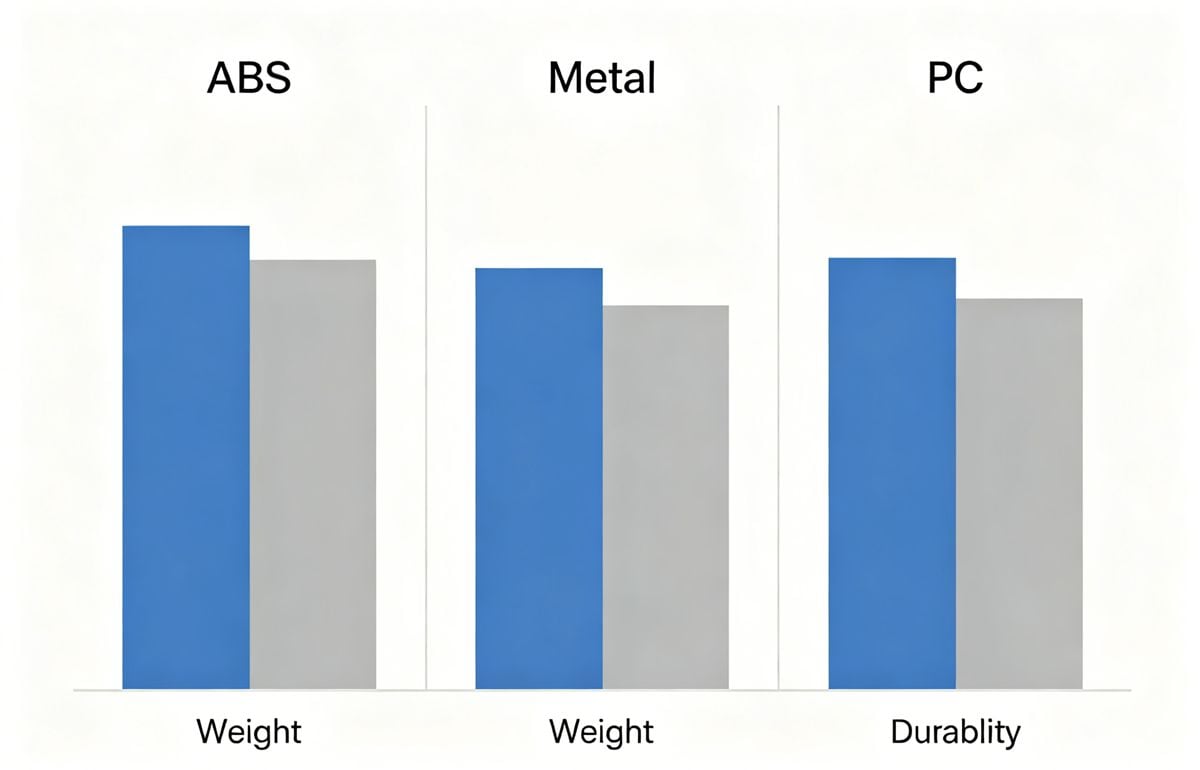
Ideal Application Scenarios for ABS Shells**
Not all devices are created equal. ABS injection molding is particularly suitable for:
- Home-Use Portable Devices: Such as ion import/export devices, RF (Radio Frequency) machines, and hot/cold therapy devices. These require frequent movement, where ABS’s lightweight and drop-resistant nature enhances UX.
- Mass Production Projects: For orders exceeding 1,000 units, injection molding ensures rapid delivery and strict cost control, satisfying procurement goals.
- Complex Design Integration: Devices requiring integrated buttons, LED displays, and ventilation. ABS molding guarantees precise hole alignment and uniform gaps, preventing assembly issues.
Conclusion & Procurement Advice**
When selecting a material for handheld beauty device shells, the goal is to balance Performance, Cost, and Experience.
ABS plastic hits the sweet spot. Its impact resistance, lightweight nature, and compatibility with high-precision injection molding satisfy both the end-user's need for quality and the buyer's need for cost efficiency.
Pro Tip: If your design requires translucency, consider an ABS/PC alloy, though keep in mind the slightly higher cost. However, for pure cost-performance ratio, standard ABS remains the champion—ensuring your beauty device feels premium in the hand and stands the test of time.



 English
 French
 Dutch
Dutch German
 Japanese
 Korean