 English



Injection Molding
Home
Injection Molding
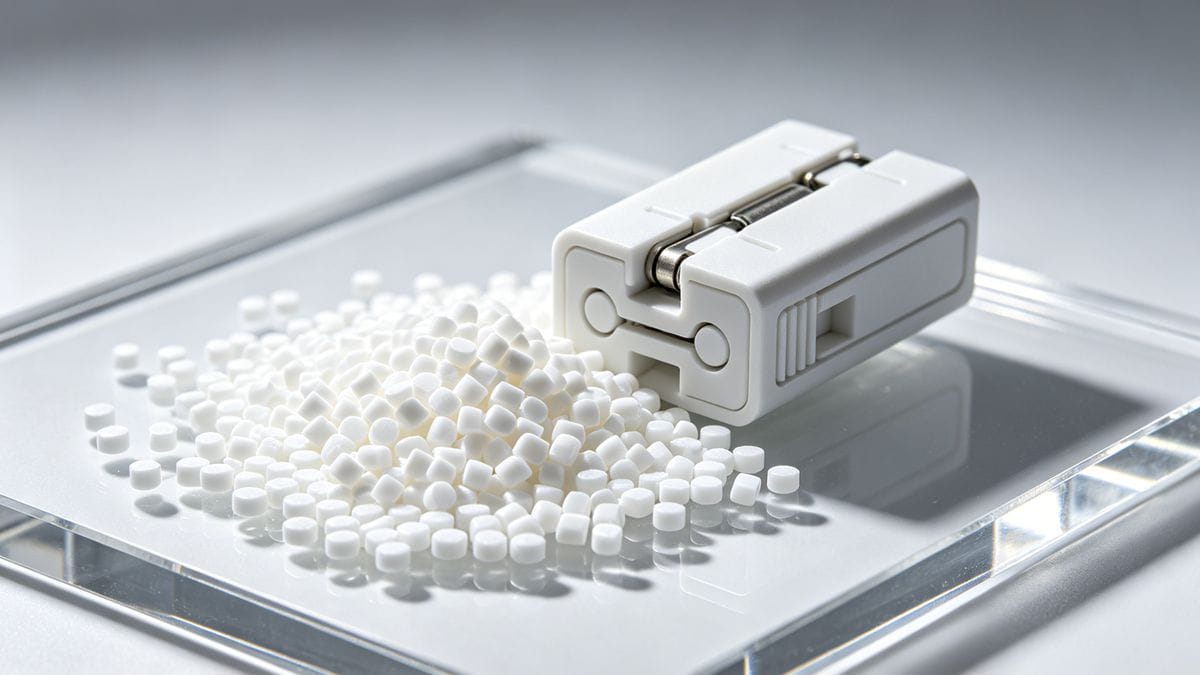
Polypropylene, commonly known as PP, is renowned for its excellent resistance to bending fatigue, earning it the nickname "Hinge Plastic" or "Bǎi zhé jiāo" in Chinese. PP is a semi-transparent, semi-crystalline thermoplastic that boasts high strength, excellent electrical insulation, low moisture absorption,…
 Alex Yu
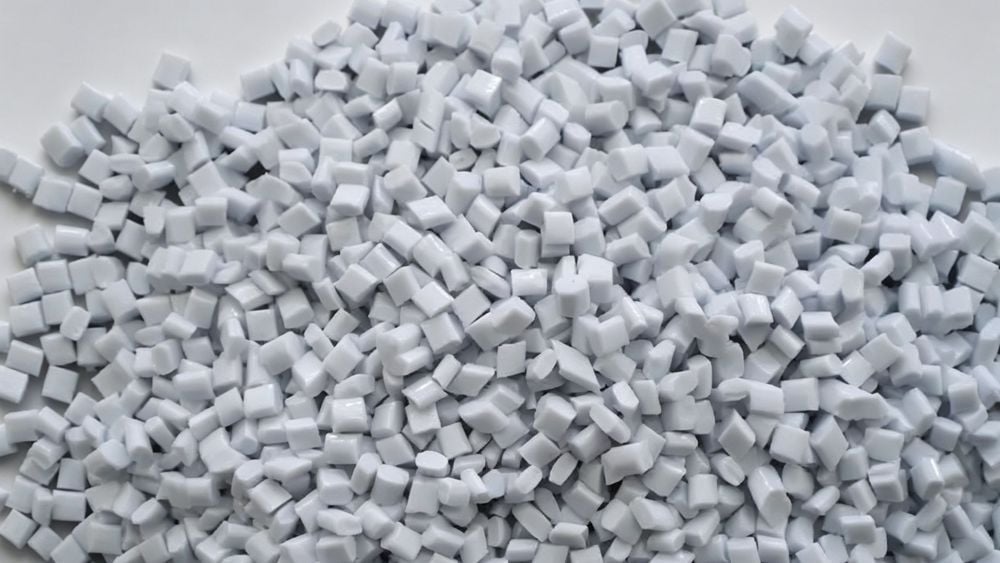
Introduction: Understanding Polycarbonate (PC) Polycarbonate (PC)[^1] is renowned for its exceptional performance, offering high transparency, excellent impact toughness, creep resistance, and a wide operating temperature range. However, processing this engineering plastic requires precision. Mastering PC Injection Molding: A Comprehensive Guide to Polycarbonate…
Alex Yu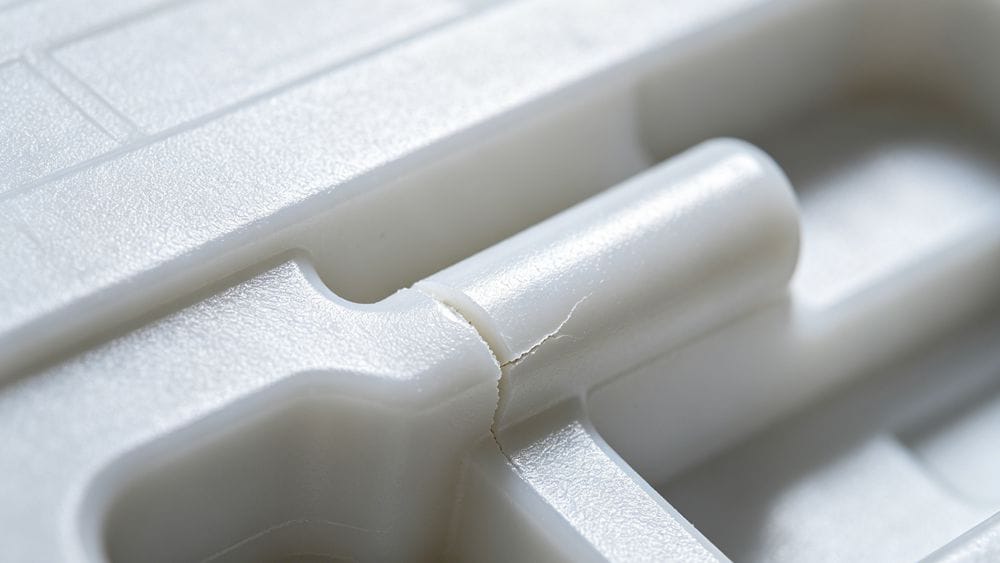
Why Do Custom Plastic Injection Products Crack? A Comprehensive Troubleshooting Guide Plastic injection molding[^1] is a precise art, but defects can still occur. One of the most frustrating issues manufacturers face is cracking in injection-molded parts. Cracking can manifest as surface crazing…
Alex Yu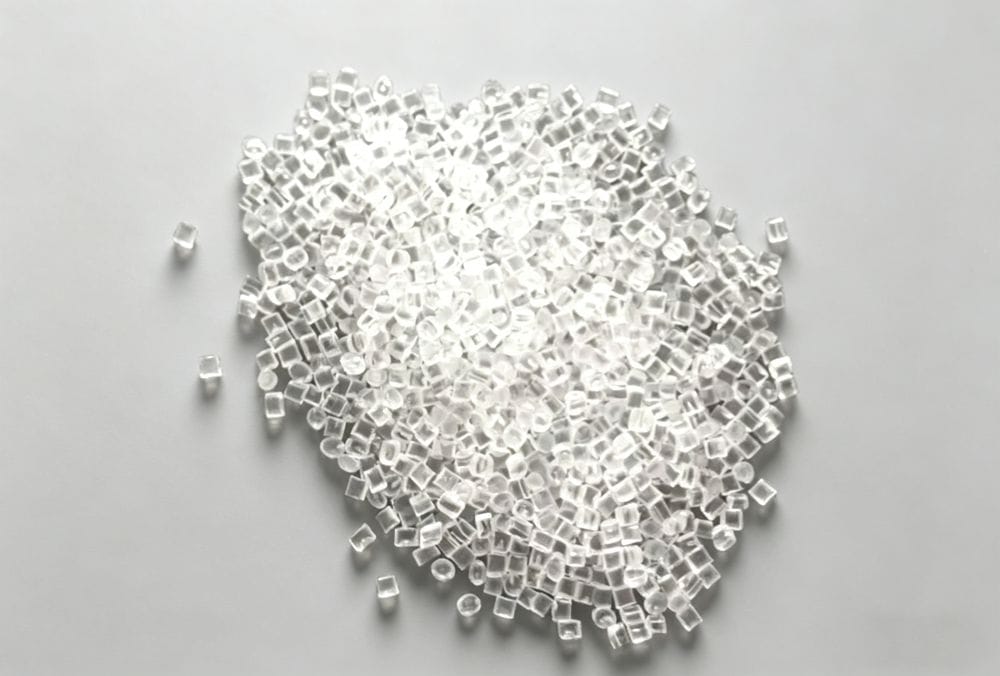
ABS (Acrylonitrile Butadiene Styrene) plastic holds a pivotal position in industries ranging from electronics and machinery to automotive and toy manufacturing. Known for its high mechanical strength[^1] and excellent comprehensive properties, it is the go-to material for large box structures, stress-bearing components,…
Alex Yu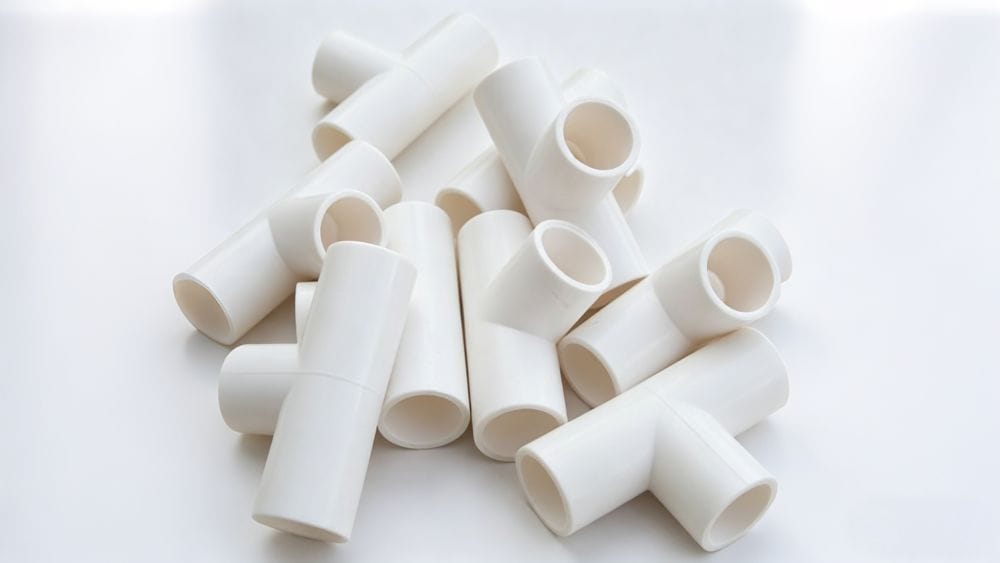
Introduction PVC products often suffer from "whitening" or loss of transparency after exposure to water immersion, outdoor sunlight, or mechanical stress (bending/stretching). While many factors contribute to this, the choice of PVC stabilizer[^1] plays a critical role. Below, we analyze the three…
Alex Yu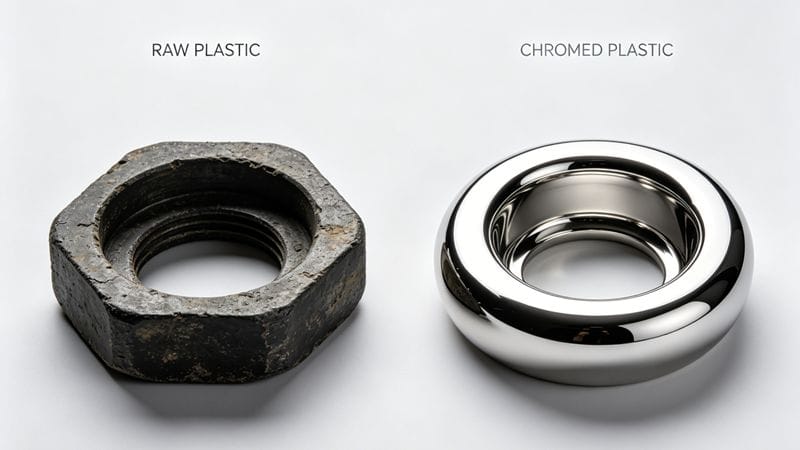
Plastic surface treatment[^1] is a critical step in manufacturing, primarily categorized into Coating and Plating. Unlike metals, most plastics possess high crystallinity, low or non-existent polarity, and low surface energy. These characteristics significantly affect the adhesion of coatings. Furthermore, since plastic is…
Alex Yu
Plastic Injection Molding products[^1] often require surface modification to enhance their aesthetic appeal, durability, or conductivity. The two primary methods for surface treatment are coating and plating. However, plastics present unique challenges: Low Surface Energy: Most plastics have high crystallinity and low…
Alex Yu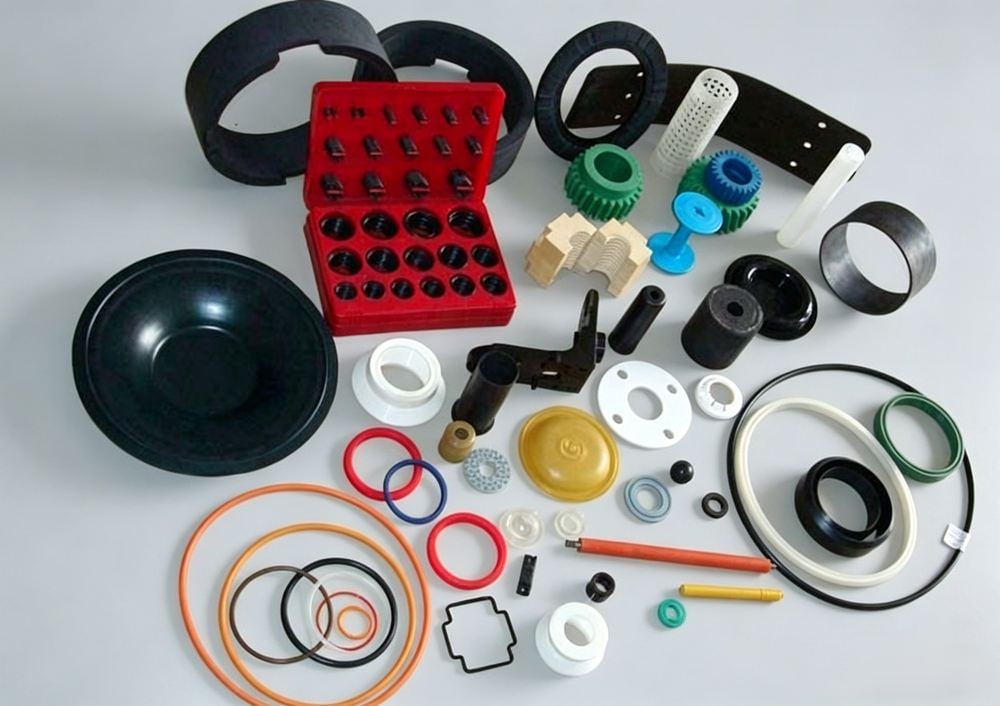
Why Do Plastic Colored Products Fade? A Deep Dive into Color Stability Have you ever wondered why some plastic products lose their vibrant color over time while others stay bright for years? The fading of plastic coloring products is a complex issue…
Alex Yu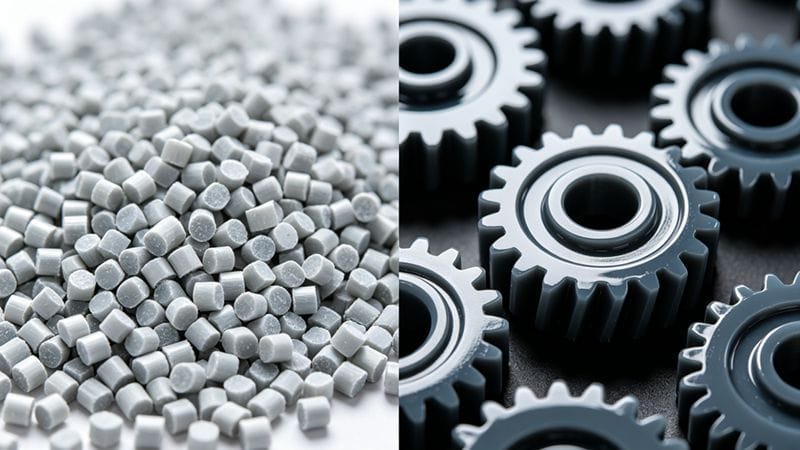
Injection Molding of Plastic Gears: A Comprehensive Guide to Materials and Process Plastic gears are evolving rapidly, moving toward larger dimensions, more complex geometries, and higher strength requirements. This shift is largely driven by advancements in high-performance resins[^1] and long-glass-fiber-filled composite materials.…
Alex Yu English English
 French
 Dutch
 German
 Japanese
 Korean