 English




What Is Short Shot?
Short shot (also called incomplete filling, underfill) occurs when molten plastic fails to completely fill the mold cavity before solidifying. This defect commonly appears in thin-walled sections, complex geometries, or flow-path endpoints, resulting in missing material and non-conforming parts. The core issue? Excessive flow resistance[^1] preventing melt advancement.
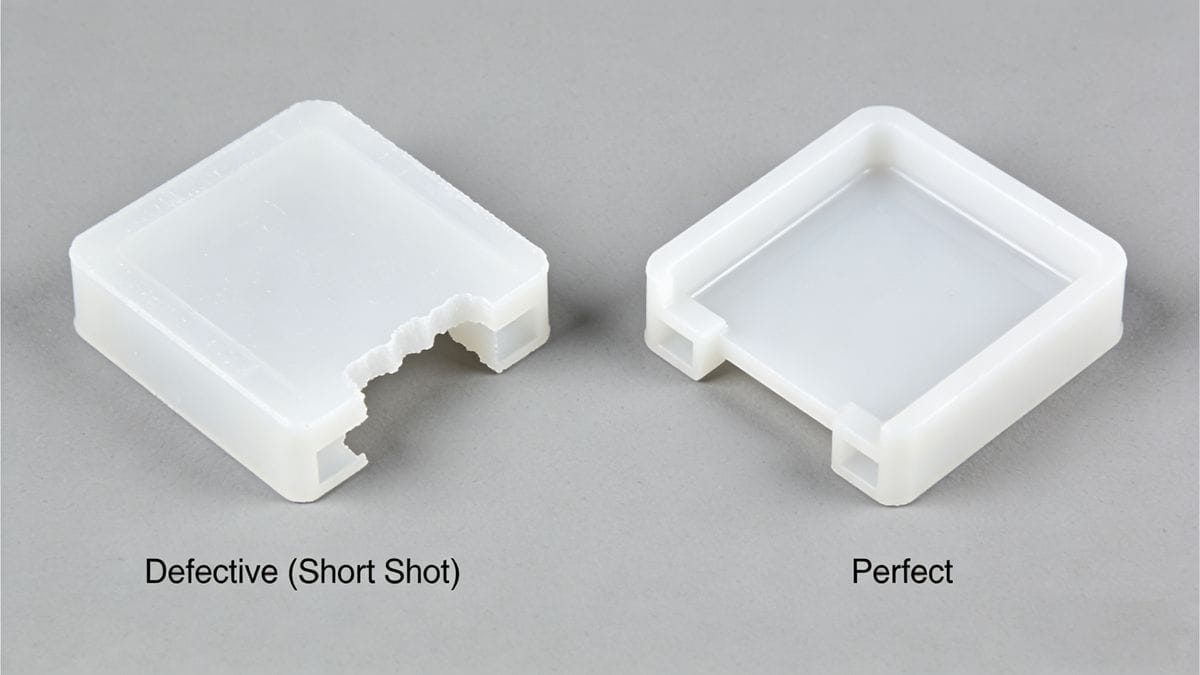
Key influencing factors include:
- Part wall thickness
- Mold & melt temperatures
- Injection pressure & speed[^2]
- Material rheology[^3]
- Gating/venting design
Below is a systematic, engineer-tested guide to diagnose and resolve short shots—optimized for production efficiency and quality control.
13 Root Causes & Actionable Solutions
1. Undersized Injection Molding Machine
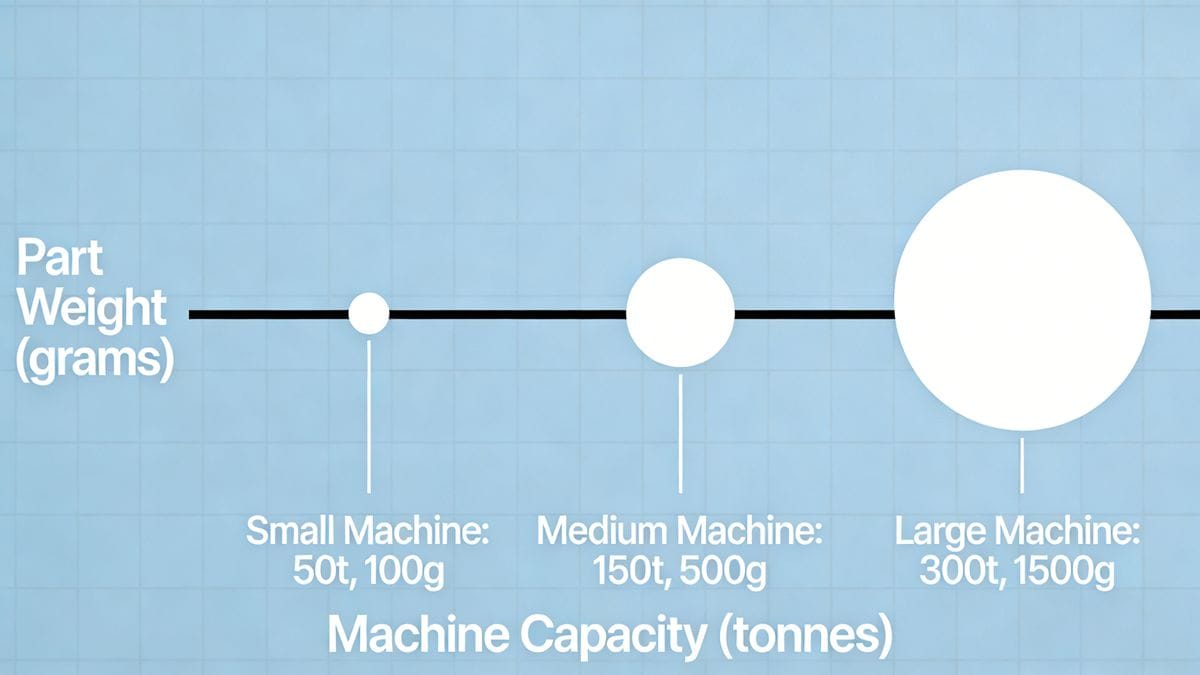
✅ Solution: Ensure machine shot capacity exceeds (part + runner) weight by ≥15%. Total shot weight ≤85% of machine’s plasticizing capacity.
[Image: Infographic comparing machine capacity vs. part weight requirements. Alt text: Injection molding machine sizing guide to prevent short shots]
2. Inconsistent Material Feeding
✅ Solution: Check for material bridging, non-uniform pellet size, or overheated feed throat. Clean hopper, install cooling jacket, or switch to gravimetric feeding.
3. Poor Material Flowability
✅ Solution:
- Enlarge gates, runners, sprue; optimize gate location
- Add flow-enhancing additives (per material specs)
- Reduce regrind ratio ( "When short shots persist after parameter tweaks, suspect mold design first. 70% of chronic short shots trace back to gating, venting, or thermal design—not machine settings."
> — Senior Process Engineer, Automotive Tier-1 Supplier
[^1]: Understanding flow resistance is crucial for optimizing injection molding processes and preventing defects. [^2]: Explore how these parameters influence the quality of molded parts and prevent defects. [^3]: Learn about material rheology to improve flow characteristics and enhance product quality.
FAQ
What Is Short Shot?
Short shot (also called incomplete filling, underfill) occurs when molten plastic fails to completely fill the mold cavity before solidifying. This defect commonly appears in thin-walled sections, complex geometries, or flow-path endpoints, resulting in missing material and non-conforming parts. The core issue? [Excessive flow resistance](https://ideal-pro.com/how-injection-speed-profiling-affects-injection-molding-part-quality-a-technical-guide/)[^1] preventing melt advancement.
Key influencing factors include: Part wall thickness Mold & melt temperatures [Injection pressure & speed](https://ideal-pro.com/how-injection-speed-profiling-affects-injection-molding-part-quality-a-technical-guide/)[^2] [Material rheology](https://ideal-pro.com/essential-injection-molding-process-knowledge-every-newcomer-should-know/)[^3] Gating/venting design
Below is a systematic, engineer-tested guide to diagnose and resolve short shots—optimized for production efficiency and quality control.
1. Undersized Injection Molding Machine
✅ Solution: Ensure machine shot capacity exceeds (part + runner) weight by ≥15%. Total shot weight ≤85% of machine’s plasticizing capacity. [Image: Infographic comparing machine capacity vs. part weight requirements. Alt text: Injection molding machine sizing guide to prevent short shots]
2. Inconsistent Material Feeding
✅ Solution: Check for material bridging, non-uniform pellet size, or overheated feed throat. Clean hopper, install cooling jacket, or switch to gravimetric feeding.
3. Poor Material Flowability
✅ Solution: Enlarge gates, runners, sprue; optimize gate location Add flow-enhancing additives (per material specs) Reduce regrind ratio (
4. Excessive Lubricant or Worn Components
✅ Solution: Reduce internal/external lubricant content. Inspect and replace worn screw, check valve, or barrel to minimize melt backflow.
About the Author

Alex Yu
Ideal Pro Manufacturing
Alex is the co-founder of Ideal Pro, but when he's not overseeing key projects or steering the technical team, you'll likely find him on a long bike ride, hunting for the best coffee in town, or planning his next travel adventure. With over 20 years of experience spanning international trade sales and project management, he's seen it all — tight deadlines, tricky engineering problems, and everything in between. He believes great work comes from a well-rested mind and a good cup of coffee, and he brings that same curiosity and attention to detail to every project he takes on. When he's not in the office, he's usually somewhere outdoors, exploring new places and collecting stories to share.




 English
 French
 Dutch
 German
 Japanese
 Korean