 English



Alex Yu
Home
Alex Yu
Posts by this author.

Plastic Injection Molding products[^1] often require surface modification to enhance their aesthetic appeal, durability, or conductivity. The two primary methods for surface treatment are coating and plating. However, plastics present unique challenges: Low Surface Energy: Most plastics have high crystallinity and low…
 Alex Yu
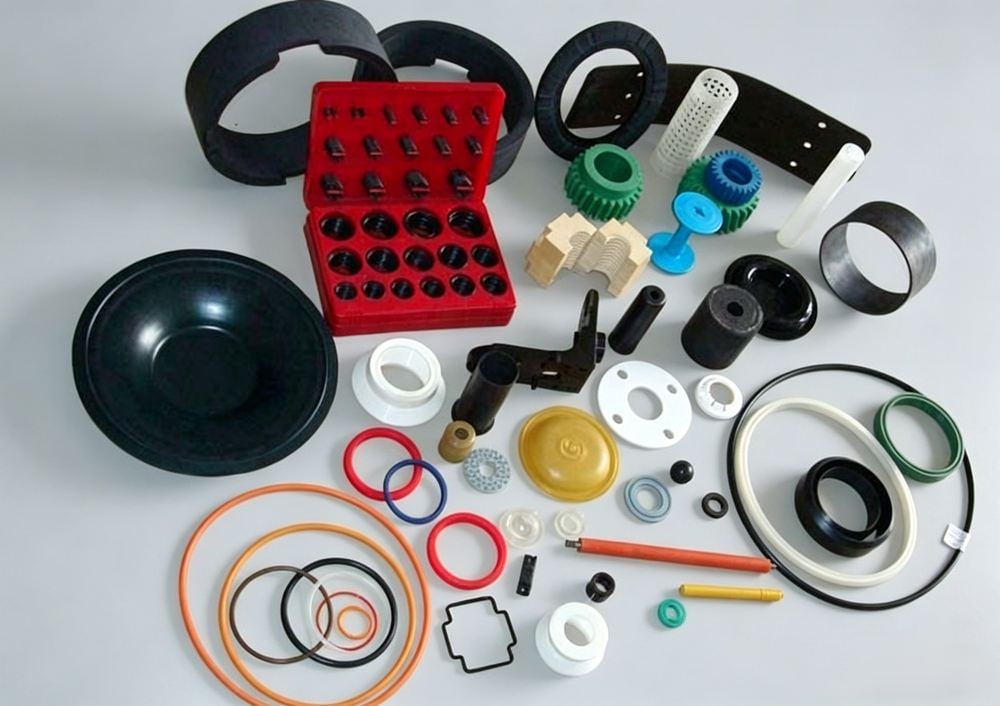
Why Do Plastic Colored Products Fade? A Deep Dive into Color Stability Have you ever wondered why some plastic products lose their vibrant color over time while others stay bright for years? The fading of plastic coloring products is a complex issue…
Alex Yu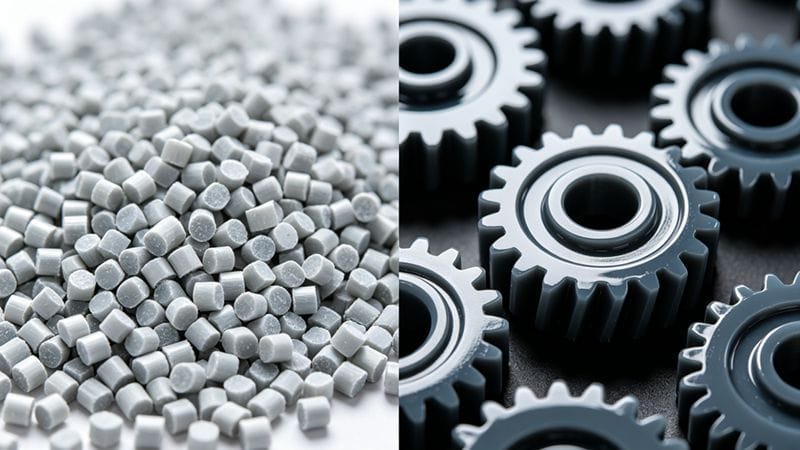
Injection Molding of Plastic Gears: A Comprehensive Guide to Materials and Process Plastic gears are evolving rapidly, moving toward larger dimensions, more complex geometries, and higher strength requirements. This shift is largely driven by advancements in high-performance resins[^1] and long-glass-fiber-filled composite materials.…
Alex Yu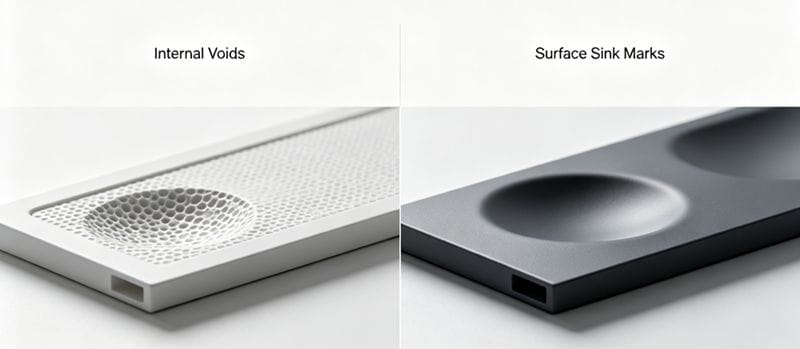
Dealing with shrinkage in plastic parts—whether it's surface sink marks or internal voids—is a persistent challenge in injection molding. These defects occur when molten plastic fails to adequately compensate for volume reduction during the cooling of thick sections. Often, standard solutions like…
Alex Yu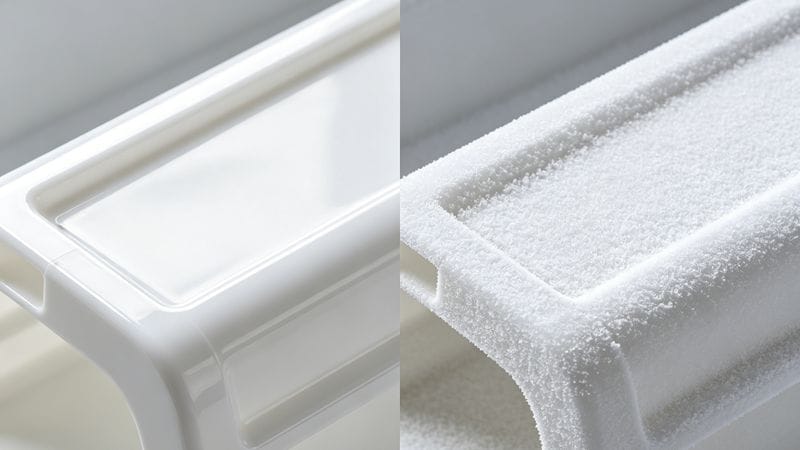
Introduction Selecting the right colorant for engineering plastics is a complex process. While many organic pigments, inorganic pigments, and solvent dyes work well for general thermoplastics, high-performance materials like Nylon (Polyamide) have strict requirements. Below, we explore the five critical performance characteristics…
Alex Yu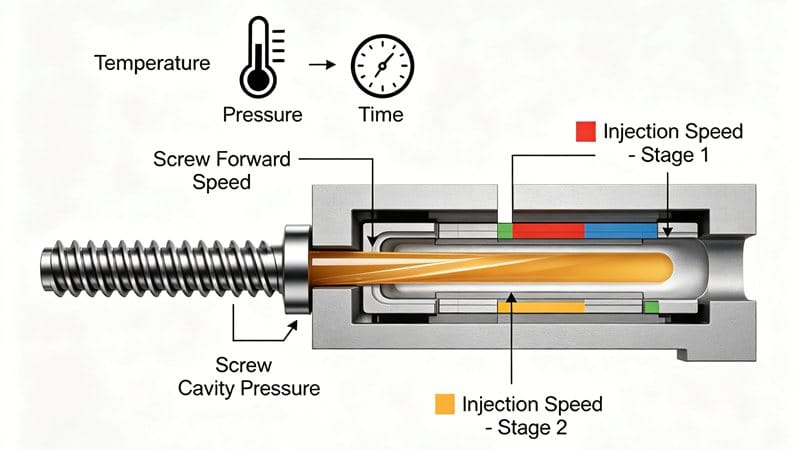
Mastering Injection Molding Speed Segmentation: The Ultimate Guide Injection Molding[^1] is a complex dance of temperature, pressure, and time. Among these, injection speed (ram speed)[^2] plays a pivotal role in determining the quality of the final part. Why is speed segmentation so…
Alex Yu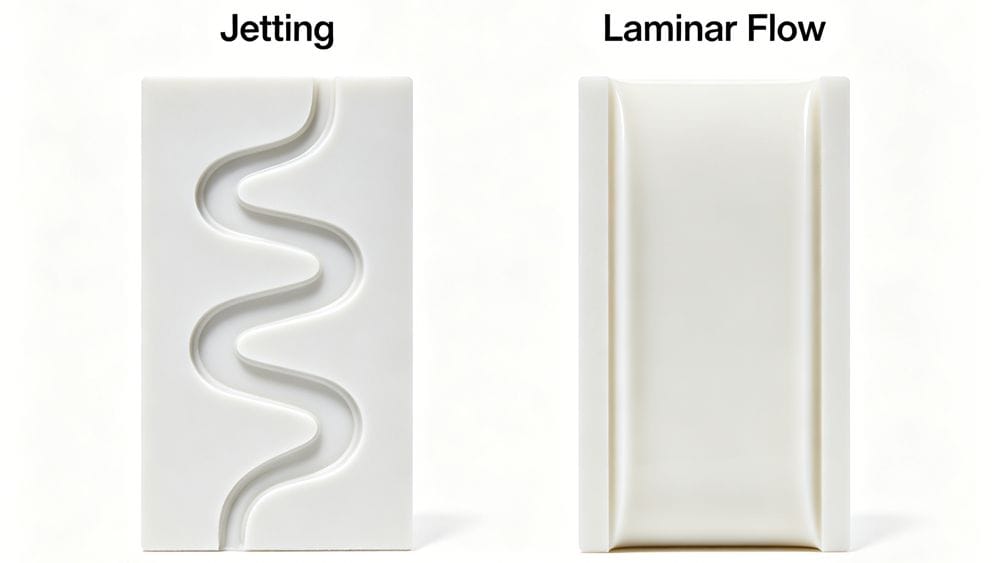
Injection speed (screw forward speed) is arguably the most critical parameter in the injection molding[^1] process. It has a direct and relationship with the quality of the finished part. By properly determining the start, middle, and end points of filling speed segments—and…
Alex Yu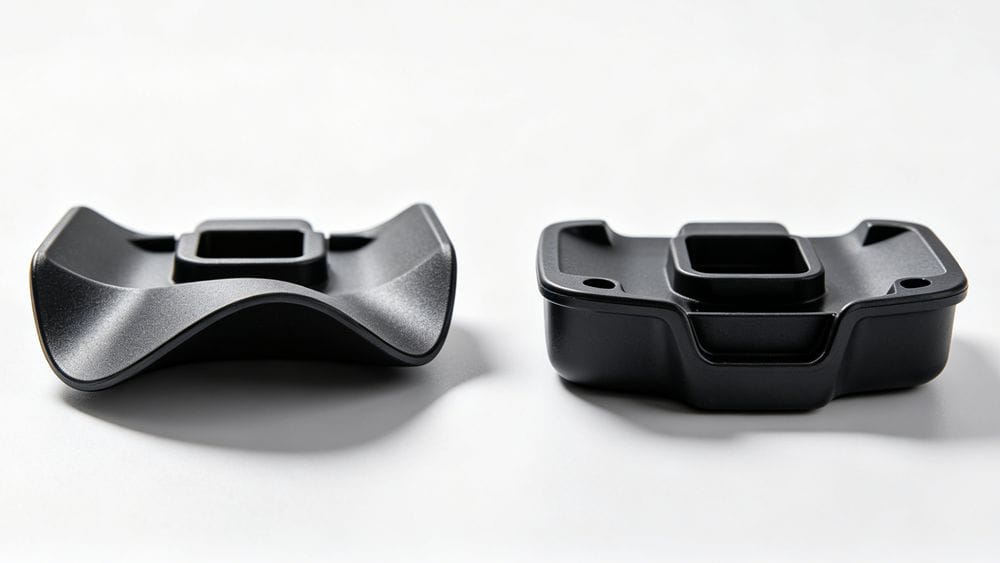
Thin-wall injection molding part showing warpage deformation Warpage deformation refers to the geometric distortion of an injection-molded part[^1], causing it to twist or bend away from its required shape precision. It remains one of the most stubborn and difficult defects to resolve…
Alex Yu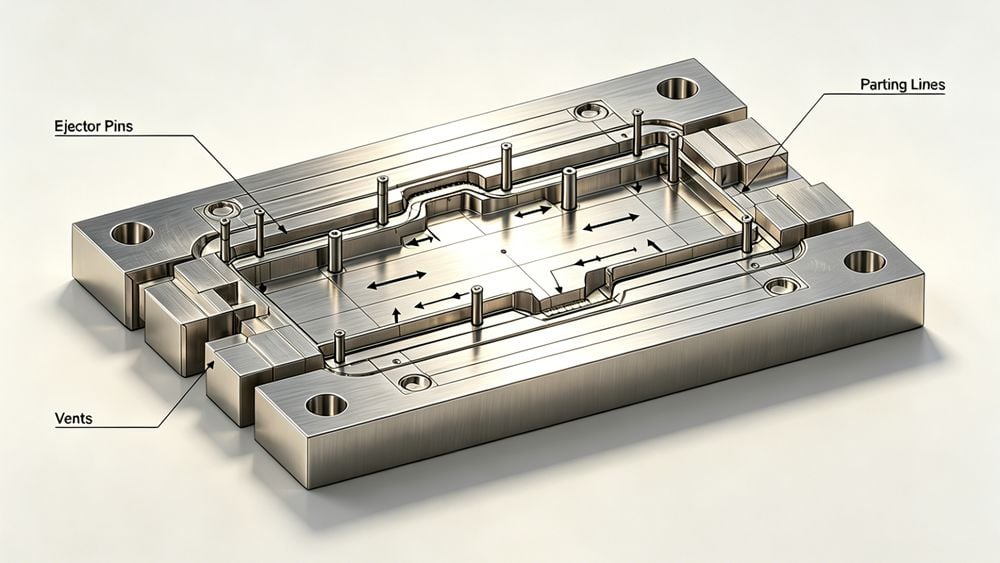
In the injection molding process, the mold cavity is initially filled with air before the plastic melt enters. Additionally, the plastic melt itself generates a significant amount of gas during injection. During mold filling, all these gases must be expelled from the…
Alex Yu English English
 French
 Dutch
 German
 Japanese
 Korean