 English



Day: <span>5 December, 2025</span>
Home
Day: <span>5 December, 2025</span>

What is injection mold surface treatment? Here, injection mold surface treatment refers to the texture of the product surface. As we all know, injection molded products are made by injecting molten plastic material into a mold to form a specific shape, and…
 Alex Yu

Composite injection molding materials combine different materials to enhance specific properties such as strength, thermal stability, and chemical resistance. These advanced composites are often used in high-performance applications but come with increased costs and production complexities. Examples include: PC-ABS (Polycarbonate-ABS Blend) Mechanical…
Alex Yu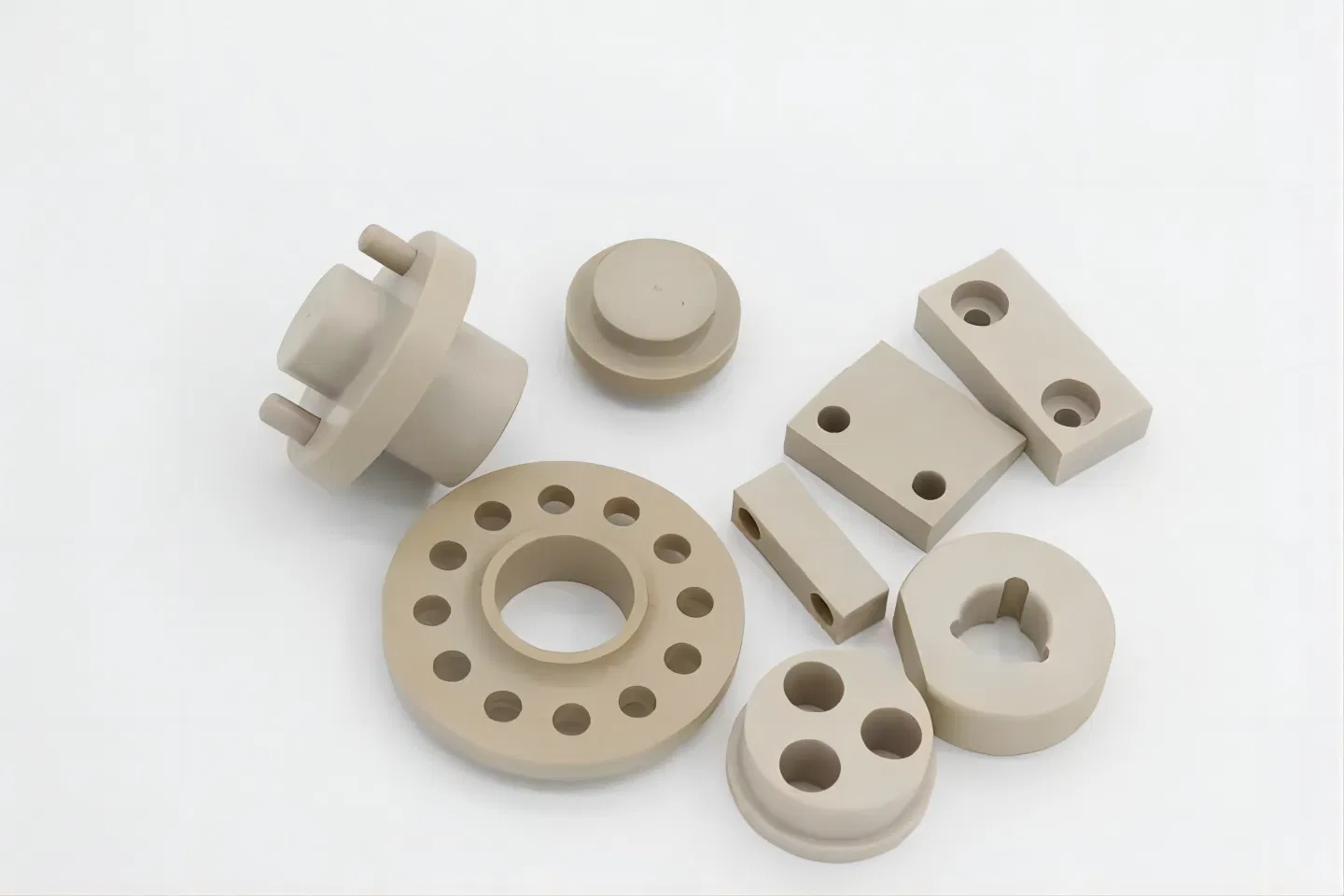
These materials are characterized by parameters such as high temperature resistance and strength, which exceed those of standard materials. However, they also come with higher costs and greater production complexity. PEEK (Polyether Ether Ketone) Mechanical Strength: High, with excellent thermal stability. Weather…
Alex Yu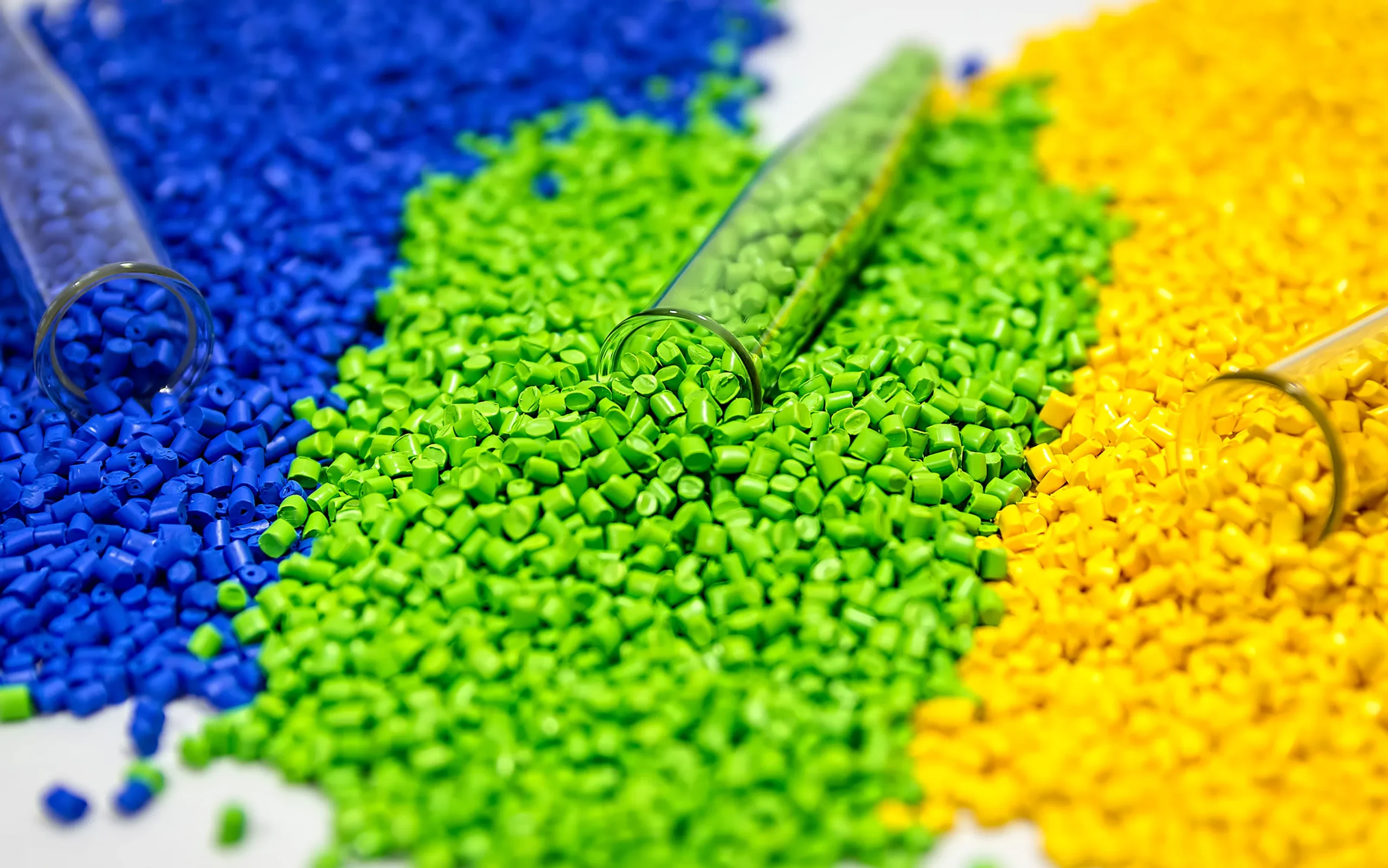
What is Thermoplastics? Thermoplastics are a category of plastics that become moldable upon heating and solidify upon cooling. This reversible process allows them to be remolded and recycled multiple times. Common thermoplastics include ABS, PP, PE, PC, and PA, each offering unique…
Alex Yu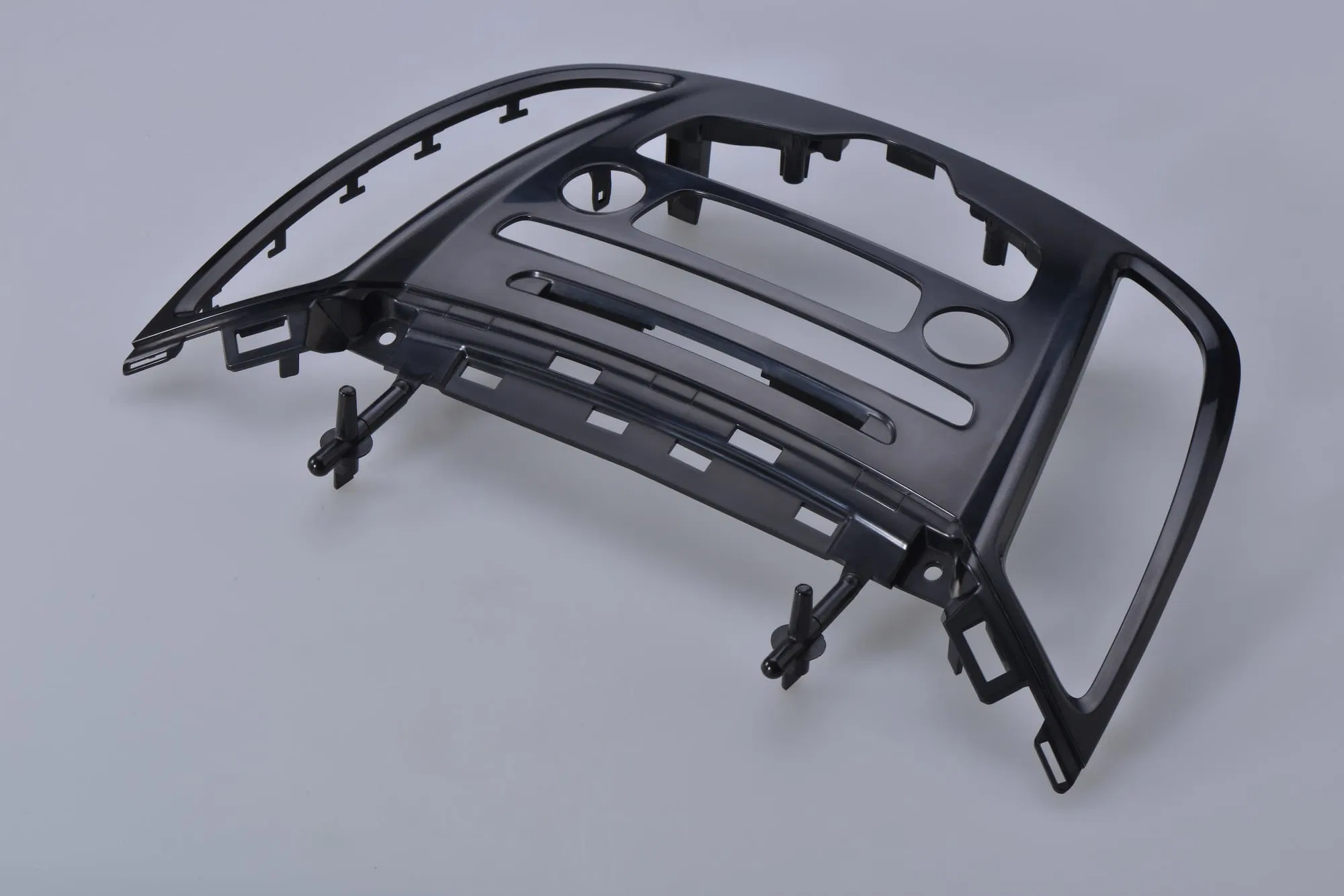
[caption id="attachment_4728" align="aligncenter" width="1024"] How to Handle Inconsistent Injection Molding Dimensions[/caption] 1.Inconsistent Molding Conditions or Improper Operation During injection molding, various process parameters such as temperature, pressure, and time must be strictly controlled according to the process requirements. Particularly, the molding cycle…
Alex Yu English English
 French
 Dutch
 German
 Japanese
 Korean