

Inleiding
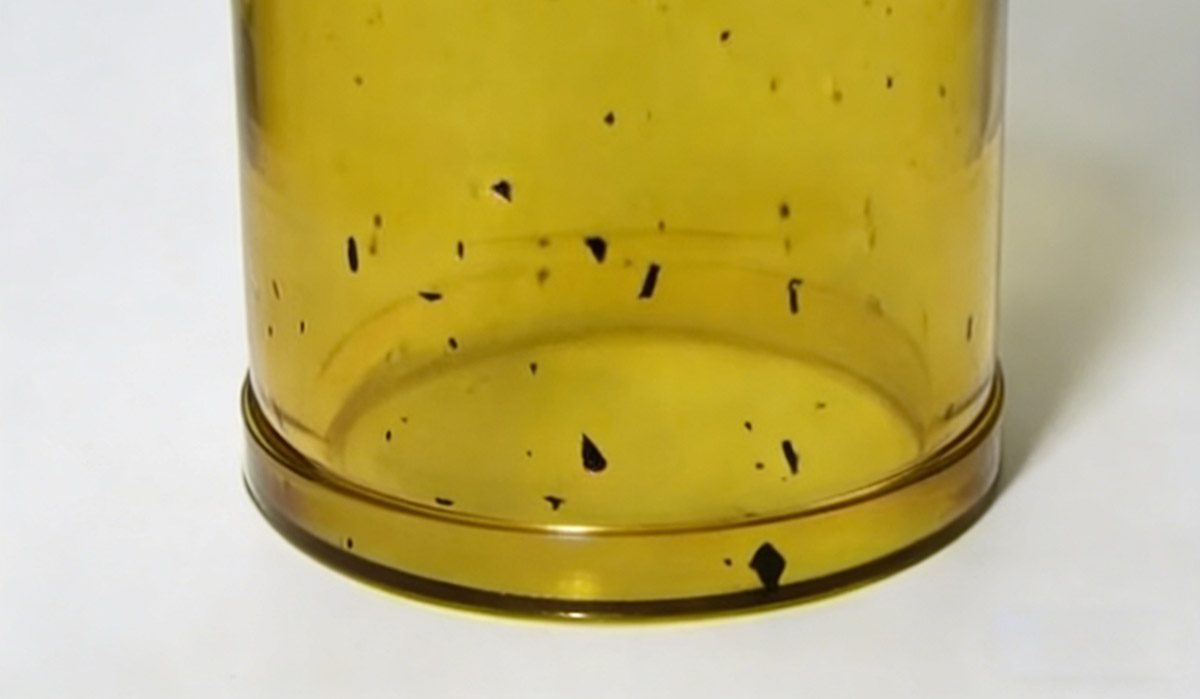
Black spots and discoloration are among the most common yet frustrating defects in spuitgieten1. They not only compromise the aesthetic appeal of the final product but can also indicate underlying mechanical or process failures that affect part integrity.
Identifying the root cause requires a systematic approach. This guide breaks down the four primary categories of failure: Machine Conditions, Vormontwerp, Materiaaleigenschappen, en Verwerkingsparameters.
1. Machine-Related Factors
The injection molding machine itself is often the first place to look when carbonization occurs.
- Heating Control Failure: If the heating control system malfunctions, it can cause the barrel to overheat, leading to thermal decomposition of the resin and turning it black.
- Screw or Barrel Defects: Wear and tear on the screw or barrel can create dead zones where molten material gets trapped. This stagnant material undergoes prolonged heating, decomposes, and is eventually pushed into the part. Action Item: Inspect the check ring (non-return valve) assembly for wear and check for any foreign metal objects inside.
- Material Degradation (e.g., ABS): Certain plastics like ABS are sensitive to high heat. They can cross-link and carbonize while retaining their original granular shape. These hard, burnt particles resist melting and are crushed by the screw, entering the final part as black specks.
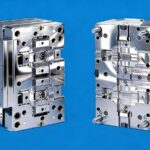
2. Mold-Related Factors
Even with perfect material and machine settings, a flawed mold design can cause burning and discoloration.
- Poor Venting: Inadequate exhaust vents trap air and gases, which compress and heat up rapidly, causing diesel effects (burn marks) on the part surface.
- Runner System Design: If the gating system or runners are too small, the molten plastic experiences excessive shear stress. This friction generates enough heat to degrade the material locally, leading to scorching.
- Contaminants: The presence of inappropriate lubricants, oils, or release agents inside the mold cavity can react with the hot plastic, causing discoloration.
3. Material-Related Factors
The quality and condition of the raw plastic play a critical role in preventing defects.
- Excessive Volatiles & Moisture2: High moisture content or excessive volatile compounds in the resin can vaporize during injection, causing bubbles and burn marks.
- Impurities & Contamination: Foreign particles, dust, or mixed incompatible materials introduce weak points and discoloration.
- Overuse of Regrind: Using too much recycled material (regrind) increases the likelihood of degraded polymer chains, which are prone to turning black under heat.
4. Processing Parameters
Incorrect machine settings can generate excessive heat through friction and pressure, degrading the plastic.
- Excessive Pressure & Speed3: Injecting too fast or with too much pressure creates high shear heat.
- High Back Pressure & Screw Speed: Setting the back pressure or screw rotation speed too high generates frictional heat within the barrel, exceeding the material's thermal stability limit.
- Additive Breakdown4: Some additives degrade at lower temperatures than the base resin. Regular cleaning of the barrel is essential to remove these degraded residues before they contaminate the next shot.
Pro Tip: Always optimize your process window to use the lowest possible temperature and pressure that still fills the mold completely.
Conclusie
Eliminating black spots and discoloration requires a holistic review of your manufacturing ecosystem. By systematically checking the machine hardware, verifying mold ventilation, ensuring material dryness and purity, and optimizing bewerkingsparameters, you can significantly reduce scrap rates and improve product quality.
Regular maintenance and operator training are key to preventing these issues from recurring.
Verken deze bron en ontdek essentiële technieken en inzichten die uw spuitgietproces en productkwaliteit kunnen verbeteren. ↩
Discover how moisture affects material quality and prevents defects in your products. ↩
Understanding these issues can help you optimize your injection molding process. ↩
Learn about additive breakdown to ensure the integrity of your molded products. ↩
 English
 French
 Dutch
Dutch German