

Spuitgieten is tegenwoordig essentieel voor de productie. Het kiezen van de juiste kunststoffen kan een project maken of breken. Inzicht in materialen is essentieel voor succes.
Deze gids helpt u uw weg te vinden in de complexe wereld van het spuitgieten van kunststoffen. U leert over verschillende factoren waarmee u rekening moet houden en hoe deze uw productieproces beïnvloeden.
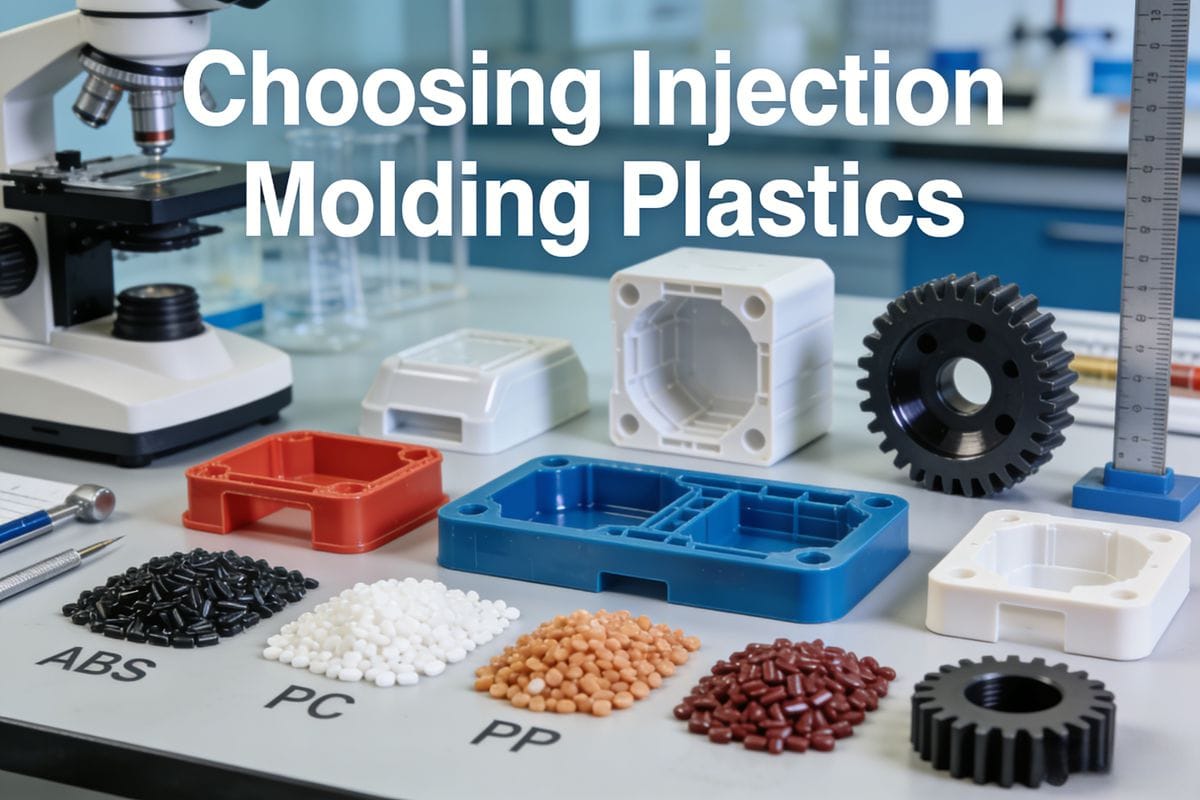
Bij het kiezen van de juiste kunststof voor spuitgieten gaat het niet alleen om het kiezen van een materiaal. Het gaat erom de nuances te begrijpen van hoe verschillende thermoplasten presteren onder verschillende omstandigheden. Mijn ervaringen in de industrie tonen aan dat kleine details tot grote veranderingen in de productkwaliteit kunnen leiden. Of u nu net begint met spuitgieten of een doorgewinterde professional bent, deze gids zal u helpen om weloverwogen beslissingen te nemen.
Verder dan treksterkte: Een beslissingskader voor de keuze van thermoplasten bij spuitgieten?
Bij het kiezen van het juiste thermoplastic gaat het niet alleen om de treksterkte. Het is cruciaal om rekening te houden met extra factoren die de prestaties en geschiktheid voor uw specifieke toepassing beïnvloeden.
Evalueer bij het kiezen van thermoplasten eigenschappen zoals hittebestendigheid, slagvastheid en chemische compatibiliteit. Deze factoren zullen u helpen bij het kiezen van het beste materiaal voor uw project.

Het is belangrijk om de eigenschappen van verschillende thermoplasten te begrijpen. Materialen zoals polypropyleen (PP) lijken misschien geweldig vanwege hun flexibiliteit en lage kosten. Ze kunnen echter hun vorm verliezen bij hoge temperaturen. Aan de andere kant kan polyethyleen (PE) broos worden in koude omstandigheden. Ik heb met eigen ogen gezien hoe temperatuurgevoeligheid de productprestaties kan beïnvloeden. U moet niet alleen de treksterkte evalueren, maar ook hoe het materiaal reageert onder verschillende omgevingsomstandigheden om duurzaamheid en functionaliteit te garanderen.
De 4 cruciale afwegingen die geen enkele ingenieur mag negeren: Kosten vs. prestatie vs. verwerkbaarheid vs. einde levensduur?
De keuze van een kunststof gaat gepaard met afwegingen. Ingenieurs moeten de kosten afwegen tegen de prestaties, verwerkbaarheid en het einde van de levensduur.
Het in evenwicht brengen van deze vier factoren is van vitaal belang voor elk succesvol project. Als u begrijpt waar u compromissen moet sluiten, kunt u betere resultaten behalen en mogelijk kosten besparen.

Laten we deze afwegingen verder uitwerken. De kosten zijn vaak het eerste waar mensen aan denken. Het is echter essentieel om naar de prestaties te kijken. Een goedkoper materiaal kan op voorhand geld besparen, maar als het in de praktijk defect raakt, kan dit leiden tot dure terugroepacties. Verwerkbaarheid verwijst naar hoe gemakkelijk het materiaal gevormd kan worden, wat een directe invloed heeft op de productiesnelheid. Houd tot slot rekening met het einde van de levensduur van uw product. Materialen die gerecycled kunnen worden of biologisch afbreekbaar zijn, kunnen op lange termijn voordelen bieden die opwegen tegen de initiële kosten. Mijn ervaring heeft me geleerd dat het maken van weloverwogen compromissen leidt tot een beter algeheel projectsucces.
Diepgaand onderzoek naar materiaalcompatibiliteit: Hoe bepalen matrijsontwerp, poortlocatie en cyclustijd uw keuze voor hars?
Inzicht in matrijsontwerp, poortlocatie en cyclustijd is cruciaal bij het selecteren van een hars.
Deze factoren beïnvloeden hoe goed verschillende materialen in uw matrijzen zullen presteren. Een mismatch kan aanzienlijke productievertragingen en kwaliteitsproblemen veroorzaken.

Vormontwerp gaat niet alleen over esthetiek of functionaliteit, maar ook over compatibiliteit met de gekozen kunststof. Een goed ontworpen matrijs kan de harsstroom verbeteren, de cyclustijd verkorten en de oppervlaktekwaliteit verbeteren. De locatie van de poort speelt ook een cruciale rol, omdat een onjuiste plaatsing kan leiden tot defecten zoals lasnaden of holtes. Ik ben voor uitdagingen komen te staan waarbij de materiaalkeuze tot mislukkingen leidde omdat ik deze factoren niet goed begreep. Ervoor zorgen dat uw matrijsontwerp1 afstemt op de eigenschappen van de gekozen hars is essentieel voor een succesvol spuitgietproces.
Van prototype tot productie: Thermoplasten afstemmen op het ontwikkelingsstadium (en dure vervangingen in een laat stadium vermijden)?
De overgang van prototype naar productie is een grote uitdaging.
Door in elke ontwikkelingsfase het juiste thermoplastic te kiezen, voorkomt u kostbare veranderingen in een later stadium. Vroegtijdige beslissingen kunnen zowel tijd als geld besparen.
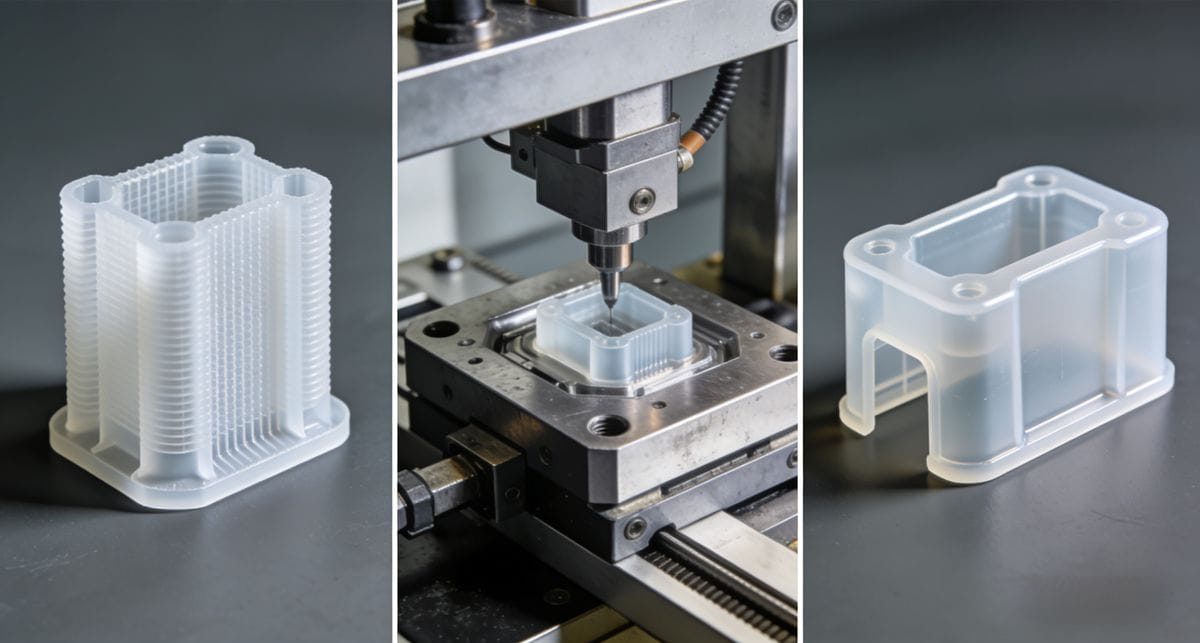
Mijn ervaring is dat het kiezen van een thermoplast tijdens de prototypefase cruciaal is. Vaak kiezen ingenieurs voor een materiaal dat geschikt lijkt om te testen, om er later achter te komen dat het niet geschikt is voor productie. Dit kan leiden tot dure wijzigingen in een laat stadium. Als er bijvoorbeeld een prototype wordt gemaakt met een materiaal dat niet de vereiste prestatiekenmerken heeft voor massaproductie, dan krijgt u te maken met vertragingen en extra kosten. Begrijpen hoe elk thermoplastic zich gedraagt en ervoor zorgen dat het overeenkomt met de productievereisten is van vitaal belang voor een soepele overgang van prototype naar productie.
Uw onderdeel klaarmaken voor de toekomst: Biogebaseerde, recyclebare en hoogpresterende hybriden (bijv. mengsels van PEEK en PLA, met LCP versterkte nylon)?
De toekomst van spuitgieten2 ligt in duurzame praktijken.
Door biogebaseerde, recyclebare materialen te kiezen, kunt u de levensduur van uw producten verlengen en tegelijkertijd aan de milieunormen voldoen. Deze vooruitdenkende aanpak is essentieel op de huidige markt.
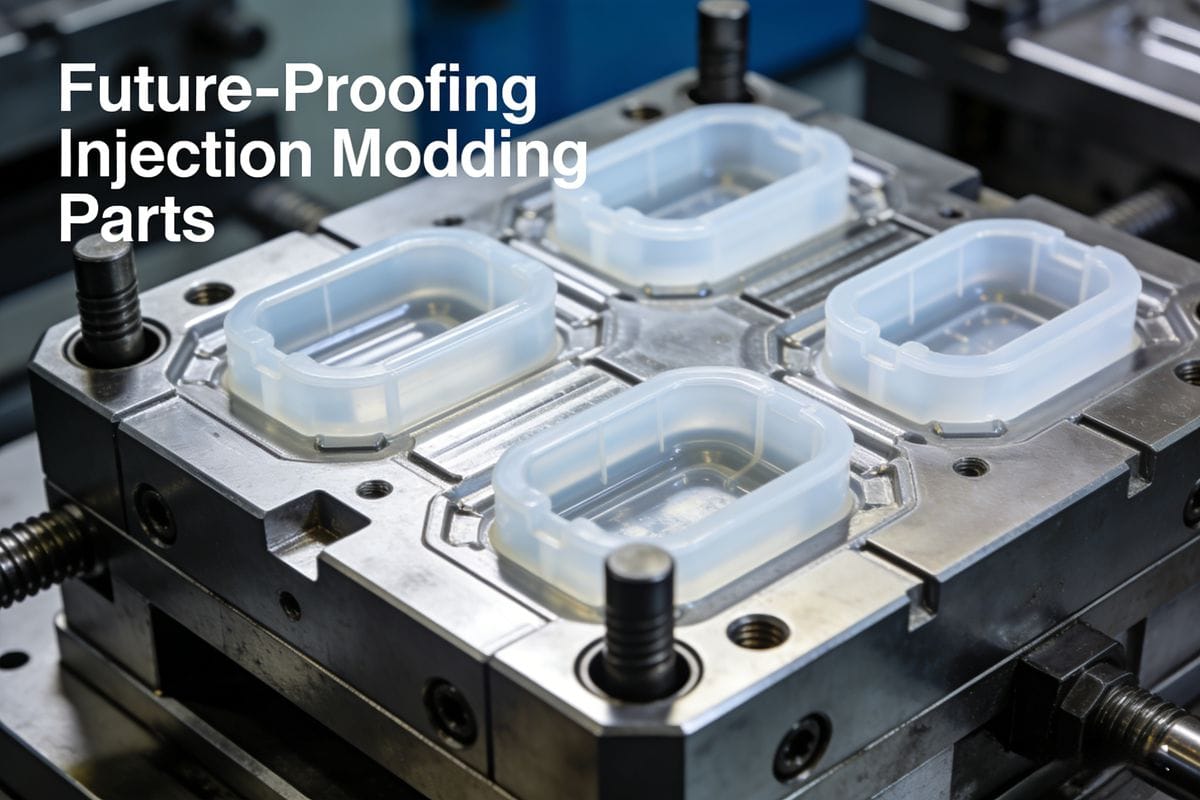
Mijn inzichten suggereren een groeiende trend naar hybriden zoals PEEK-PLA mengsels en LCP-versterkte nylons. Deze materialen combineren de voordelen van hoge prestaties met duurzaamheid. Aangezien industrieën zich steeds meer richten op het verkleinen van hun ecologische voetafdruk, is het gebruik van duurzame materialen niet alleen een keuze maar een noodzaak. Hoogpresterende hybriden kunnen de sterkte en duurzaamheid bieden die nodig zijn, terwijl ze voldoen aan strengere milieuvoorschriften. Om ervoor te zorgen dat uw producten toekomstbestendig zijn, moet u zich inzetten om deze innovatieve materialen in uw ontwerpen te integreren.
Conclusie
Bij het kiezen van spuitgietkunststoffen moeten verschillende factoren zorgvuldig overwogen worden. Het nemen van weloverwogen beslissingen leidt tot succesvolle resultaten.


 English
 French
 Dutch
Dutch German