Bij het betrekken van spuitgietmatrijzen uit China staat er veel op het spel. Veel kopers onderschatten de complexiteit, wat tot kostbare fouten leidt.
Inzicht in het proces van het kopen van spuitgietmatrijzen is cruciaal voor succes. Deze gids biedt strategische inzichten om effectief door dit complexe landschap te navigeren.
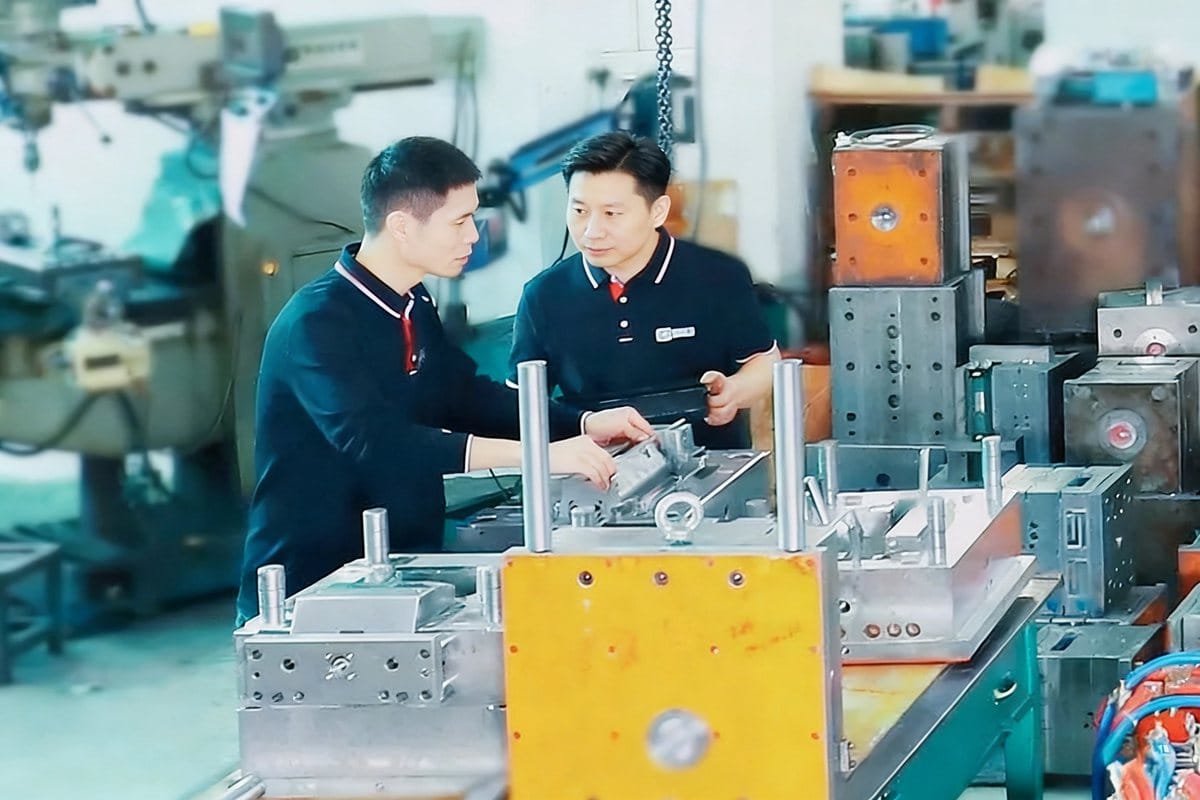
Het kan ontmoedigend zijn om in China matrijzen te kopen. Van het begrijpen van de plaatselijk ecosysteem1 om kwaliteit te garanderen, is elke stap belangrijk om een succesvolle samenwerking te garanderen.
Waarom “gewoon een schimmel kopen” een strategisch risico is?
Het kopen van een mal lijkt misschien eenvoudig, maar er komt veel meer bij kijken dan alleen een transactie. Veel kopers zien kritieke factoren over het hoofd die tot onverwachte uitdagingen kunnen leiden.
Alleen focussen op de mal zelf kan leiden tot operationele risico's, kwaliteitsproblemen en verborgen kosten die pas later aan het licht komen.
Het proces van verwerven spuitgietmatrijzen2 is niet alleen een aankoop; het vereist een strategische instelling. Toen ik me voor het eerst op deze markt waagde, leerde ik dat het essentieel is om de bredere context te begrijpen. Veel inkopers richten zich alleen op de beste prijs en houden geen rekening met de betrouwbaarheid en capaciteiten van hun leveranciers.
De gevolgen van een smalle focus
Een beperkte focus kan resulteren in een slechte selectie van leveranciers, inadequate communicatie en uiteindelijk een matrijs die niet aan de specificaties voldoet. De gevolgen kunnen aanzienlijk zijn, zoals vertragingen in de productie, hogere kosten en schade aan zakelijke relaties.
Toen ik met verschillende fabrikanten in contact kwam, realiseerde ik me al snel dat een strategische aanpak nodig was. Dit hield in dat ik potentiële partners moest onderzoeken, hun capaciteiten moest begrijpen en hun staat van dienst moest evalueren. Door dit te doen, kon ik leveranciers vinden die bij mijn langetermijndoelen pasten, in plaats van alleen op zoek te gaan naar kortetermijnbesparingen.
Het Chinese Mold Ecosysteem: Van clusters naar capaciteiten in kaart brengen?
China heeft een enorm en divers landschap voor de productie van matrijzen. Inzicht in dit ecosysteem is van vitaal belang om weloverwogen beslissingen te kunnen nemen.
De complexiteit van de spuitgietindustrie in China vereist niet alleen een beter begrip van waar de leveranciers zich bevinden, maar ook van hun unieke capaciteiten en sterke punten.
Toen ik voor het eerst de Chinese matrijzenmarkt verkende, stond ik versteld van de enorme diversiteit aan fabrikanten. Het ging echter niet alleen om het vinden van een groep matrijzenmakers. Ik ontdekte dat elk bedrijf zijn eigen specialisatie had, wat cruciaal was bij het bepalen van de juiste pasvorm voor mijn behoeften.
Mogelijkheden in kaart brengen
Om door dit enorme landschap te kunnen navigeren, heb ik een capaciteitenkaart gemaakt waarop de sterke punten van de verschillende leveranciers werden aangegeven. Deze kaart bevatte factoren zoals productiecapaciteit, technologische vooruitgang en kwaliteitscontroleprocessen. Door dit te doen, kon ik mijn vereisten afstemmen op de juiste leveranciers en zo een beter resultaat voor mijn projecten garanderen.
Engineering vóór de aanbesteding: Specs omzetten in verdedigbare vereisten?
Het definiëren van specificaties is vaak de eerste stap bij de aankoop van matrijzen, maar ook een van de meest kritieke.
Het omzetten van vage vereisten in duidelijke, verdedigbare specificaties zorgt ervoor dat beide partijen een wederzijds begrip hebben van de verwachtingen.
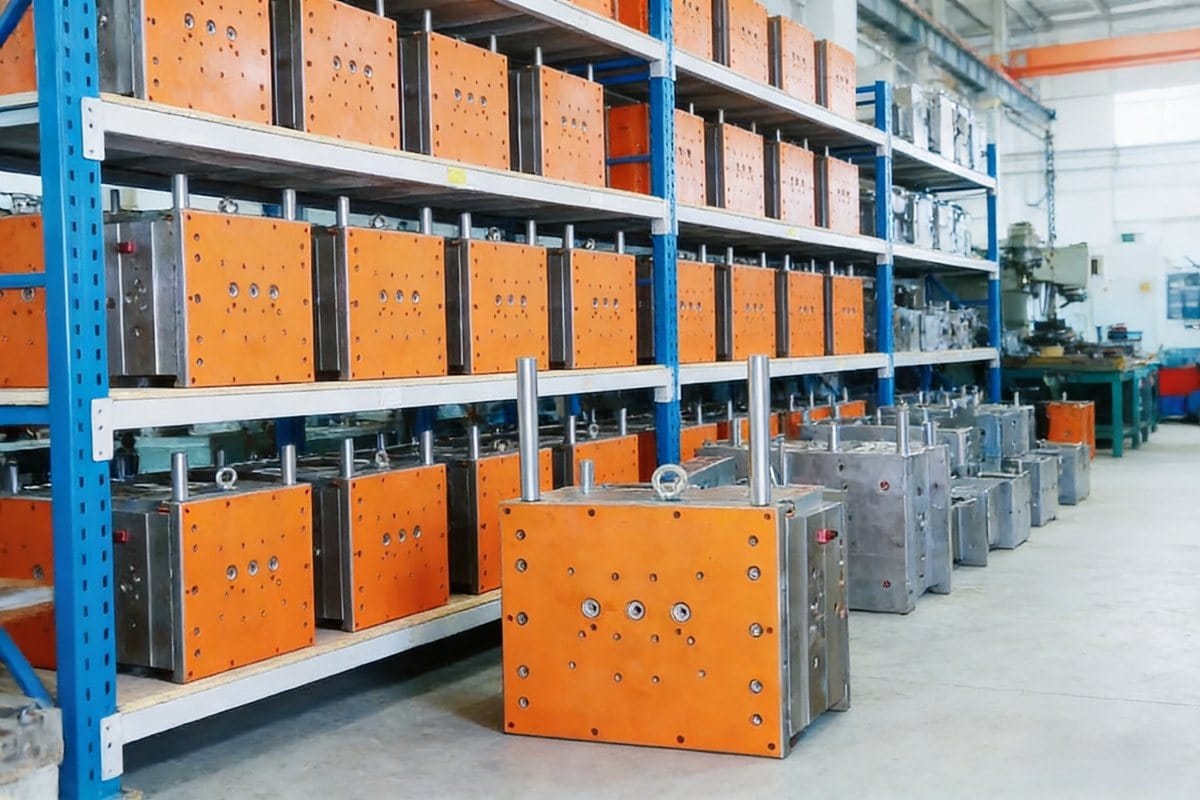
Toen ik begon met het opstellen van specificaties3 voor mijn mallen, besefte ik het belang van duidelijkheid. Aanvankelijk waren mijn specificaties breed en voor interpretatie vatbaar. Dit leidde tot verwarring en verkeerde afstemming met leveranciers.
Duidelijke vereisten ontwikkelen
Om dit proces te verbeteren, begon ik elke vereiste op te splitsen in gedetailleerde onderdelen. In plaats van te zeggen: "Ik heb een matrijs nodig voor een kunststof onderdeel", specificeerde ik materialen, afmetingen, toleranties en het beoogde gebruik. Deze duidelijkheid verkleinde de kans op misverstanden en zorgde ervoor dat leveranciers precies aan mijn behoeften konden voldoen.
Due Diligence 2.0: Voorbij certificeringen naar operationele waarheid?
Hoewel certificeringen belangrijk zijn, moeten ze niet de enige focus zijn tijdens de evaluatie van leveranciers.
Voor een grondige due diligence moet u verder kijken dan papieren kwalificaties om de werkelijke operationele capaciteiten van een leverancier te beoordelen.
In mijn eerste pogingen om met leveranciers samen te werken, legde ik te veel nadruk op hun certificeringen. Hoewel dit belangrijke kwaliteitsindicatoren zijn, leerde ik al snel dat ze niet het hele verhaal vertellen.
Operationele waarheden ontdekken
Om een duidelijker beeld te krijgen, begon ik met het bezoeken van productiefaciliteiten4 en het houden van interviews met belangrijk personeel. Deze bezoeken gaven inzicht in de werkelijke operationele processen en kwaliteitscontrolemaatregelen. Hierdoor kon ik ervoor zorgen dat de praktijken van de leverancier overeenkwamen met hun beweringen.
Van RFQ tot First Shot: De 7 cruciale handoffs?
De reis van een Offerteaanvraag5 (RFQ) tot de eerste productieopname omvat verschillende kritieke handoffs.
Elke overdracht is een potentieel risicopunt dat de kwaliteit, timing en kosten kan beïnvloeden.
Ik leerde dat het effectief managen van deze handoffs het verschil maakte in mijn projecten. Aanvankelijk behandelde ik het RFQ-proces als een eenvoudige transactie. Ik realiseerde me echter al snel dat elke overgang - van RFQ-aanvaarding tot ontwerpvalidatie - cruciaal was.
Handoffs beheren
Door controlepunten en duidelijke communicatiekanalen op te zetten, zorgde ik ervoor dat elke overdracht naadloos verliep. Dit omvatte regelmatige updates en besprekingen met de leverancier in elke fase, zodat er tijdens het hele proces afstemming en transparantie was.
Kwaliteitsborging ≠ Inspectie: Kwaliteit inbouwen vanaf dag 1?
Velen gaan ervan uit dat kwaliteitsborging het uitvoeren van inspecties aan het einde van het productieproces betekent.
Echte kwaliteitsgarantie houdt echter in dat kwaliteit vanaf het begin in het productieproces wordt ingebouwd.
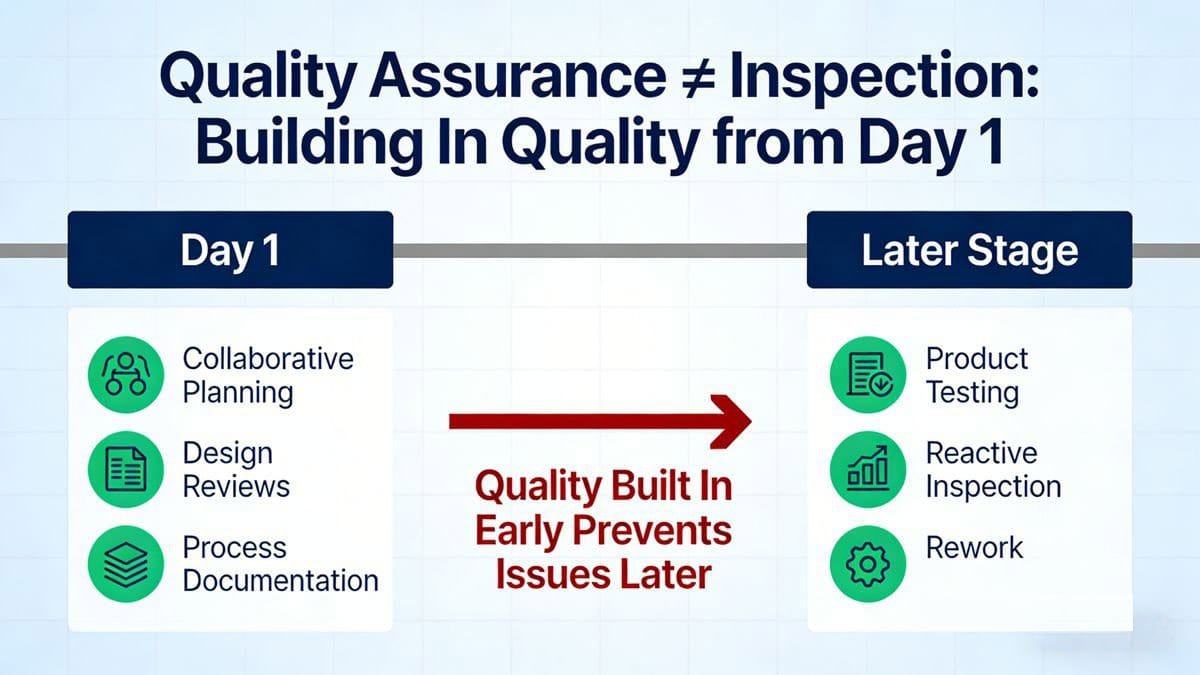
Mijn ervaring leerde me dat wachten tot het einde voor inspecties een reactieve aanpak was. Hoe eerder ik kwaliteitsborging6, hoe beter de resultaten die ik behaalde.
Kwaliteit vanaf het begin integreren
Om dit te implementeren werkte ik nauw samen met leveranciers om al tijdens de ontwerpfase kwaliteitsmaatstaven vast te stellen. Door kwaliteitseisen al in de beginfase in te bouwen, kon ik problemen beperken voordat ze zich voordeden, wat tot betere algemene resultaten leidde.
TCO (True Cost of Ownership)?
Bij de aankoop van mallen richten velen zich alleen op de initiële kosten.
Inzicht in de True Cost of Ownership (TCO) is echter essentieel om weloverwogen beslissingen te kunnen nemen.
Toen ik me in de financiële aspecten verdiepte, zag ik dat TCO veel meer omvat dan alleen de kosten van de matrijs. Het omvat ook het onderhoud, de operationele efficiëntie en de potentiële stilstandkosten die gepaard gaan met matrijzen van slechte kwaliteit.
TCO beoordelen
Ik begon deze extra kosten mee te nemen in mijn besluitvormingsproces. Door de TCO in overweging te nemen, kon ik leveranciers uitgebreider evalueren, wat leidde tot betere langetermijninvesteringen.
De-risking van wereldwijde schimmelverzending: Van krat tot inbedrijfstelling?
Het wereldwijd verzenden van mallen brengt zijn eigen risico's met zich mee.
Van de juiste verpakking tot een naadloze ingebruikname, elk detail is belangrijk.
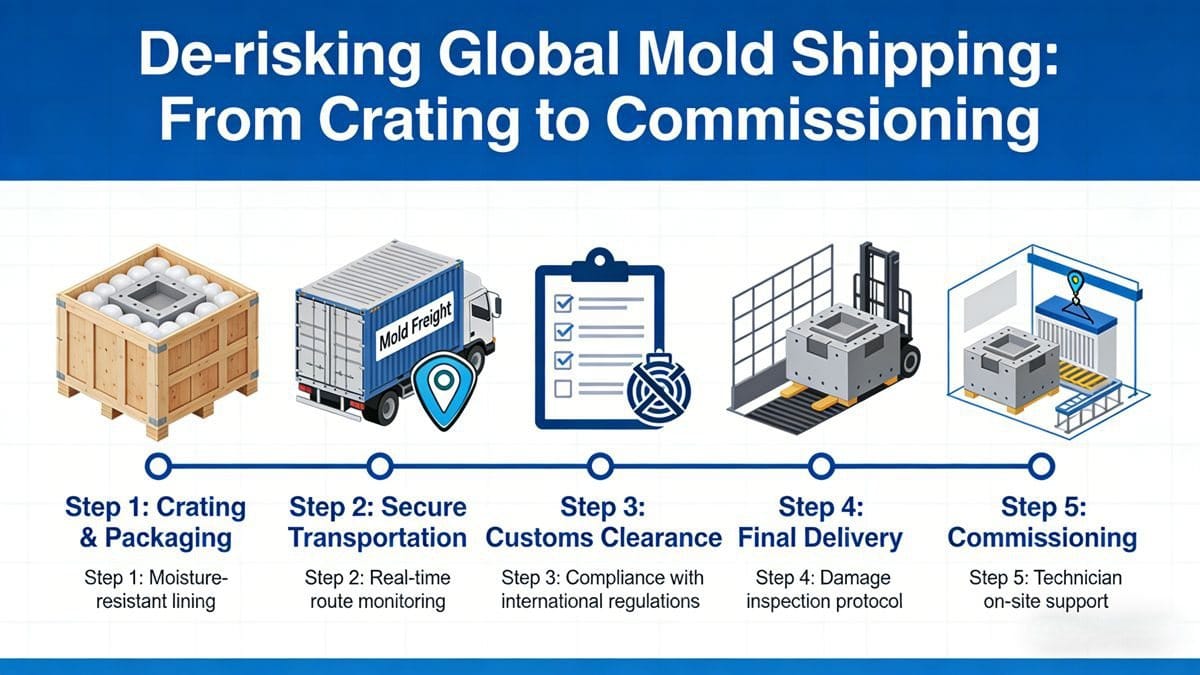
In mijn eerste zendingen kreeg ik te maken met uitdagingen door inadequate kratten en logistiek. Ik heb op de harde manier geleerd dat elke stap in het verzendproces zorgvuldig gepland moet worden.
Zorgen voor veilig transport
Om deze zorgen weg te nemen, werkte ik nauw samen met logistieke experts om een uitgebreid verzendplan te ontwikkelen. Dit omvatte gedetailleerde verpakkingsspecificaties en duidelijke instructies voor het uitpakken en in bedrijf stellen van de mallen bij aankomst.
Crossculturele techniek: Wanneer “Ja” “Ik zal het controleren” betekent?
Culturele verschillen kunnen de communicatie en projectresultaten aanzienlijk beïnvloeden.
Inzicht in deze nuances is essentieel voor effectieve samenwerking.
Toen ik voor het eerst samenwerkte met Chinese leveranciers, kwam ik communicatieproblemen tegen. Een simpel "ja" betekende vaak "Ik zal het controleren" in plaats van een bevestiging.
Navigeren door culturele nuances
Door tijd te investeren in het begrijpen van interculturele communicatie, kon ik deze uitdagingen effectiever het hoofd bieden. Duidelijke communicatie, geduld en actief luisteren werden cruciale onderdelen van mijn partnerschappen.
Partnership Engineering: Van garantie naar co-innovatie?
Een succesvol partnerschap opbouwen gaat verder dan traditionele garanties.
Echte partnerschappen bevorderen innovatie en samenwerking voor succes op lange termijn.
Toen ik relaties opbouwde met leveranciers, zag ik het potentieel voor samenwerking. In plaats van hen alleen maar als leveranciers te zien, zag ik mogelijkheden voor gezamenlijke innovatie.
Samenwerking bevorderen
Door actief samen te werken met leveranciers in brainstormsessies en inzichten te delen, ontwikkelden we samen oplossingen waar beide partijen van profiteerden. Deze samenwerkingsgeest heeft niet alleen onze samenwerking versterkt, maar ook de kwaliteit van onze producten verbeterd.
Het toekomstbestendige Sourcing Framework: AI, Digitale Tweelingen & Veerkracht?
De toekomst van inkoopmallen wordt bepaald door technologie en innovatie.
Het omarmen van ontwikkelingen zoals AI en digital twins kan de veerkracht en efficiëntie in de toeleveringsketen verbeteren.
Tijdens mijn verkenning van toekomstige trends ontdekte ik het transformerende potentieel van AI en digitale tweelingen in de matrijzenmakerij. Door gebruik te maken van deze technologieën kunnen we meer veerkrachtige toeleveringsketens creëren.
Technologische vooruitgang omarmen
De integratie van AI en digital twins in het sourcingproces maakt betere voorspellingen en real-time monitoring mogelijk. Door deze trends voor te blijven, kan ik ervoor zorgen dat mijn sourcingstrategieën concurrerend en toekomstbestendig blijven.
Conclusie
De complexiteit van het kopen van spuitgietmatrijzen in China vereist zorgvuldige planning, strategisch denken en de bereidheid om nieuwe technologieën te omarmen.
Leer meer over de invloed van het plaatselijke ecosysteem op de productie van matrijzen om weloverwogen beslissingen te kunnen nemen. ↩
Verken deze bron om de essentiële praktijken voor het effectief inkopen van spuitgietmatrijzen te begrijpen. ↩
Leer hoe u duidelijke specificaties kunt opstellen om ervoor te zorgen dat leveranciers op één lijn zitten en kwaliteit leveren. ↩
Deze link geeft tips voor het evalueren van productiefaciliteiten voor kwaliteitsborging. ↩
Het RFQ-proces begrijpen om interacties met leveranciers effectief te beheren. ↩
Ontdek de beste praktijken om kwaliteitsborging vanaf het begin te integreren. ↩