

Sourcing injection molds in China can feel overwhelming. Between navigating the market, vetting suppliers, and ensuring quality control, it’s easy to overlook critical steps. Here’s how to simplify it.
To source injection molds from China successfully, understand the market, prepare detailed specifications, vet suppliers rigorously, and maintain strict quality and cost control throughout the process.
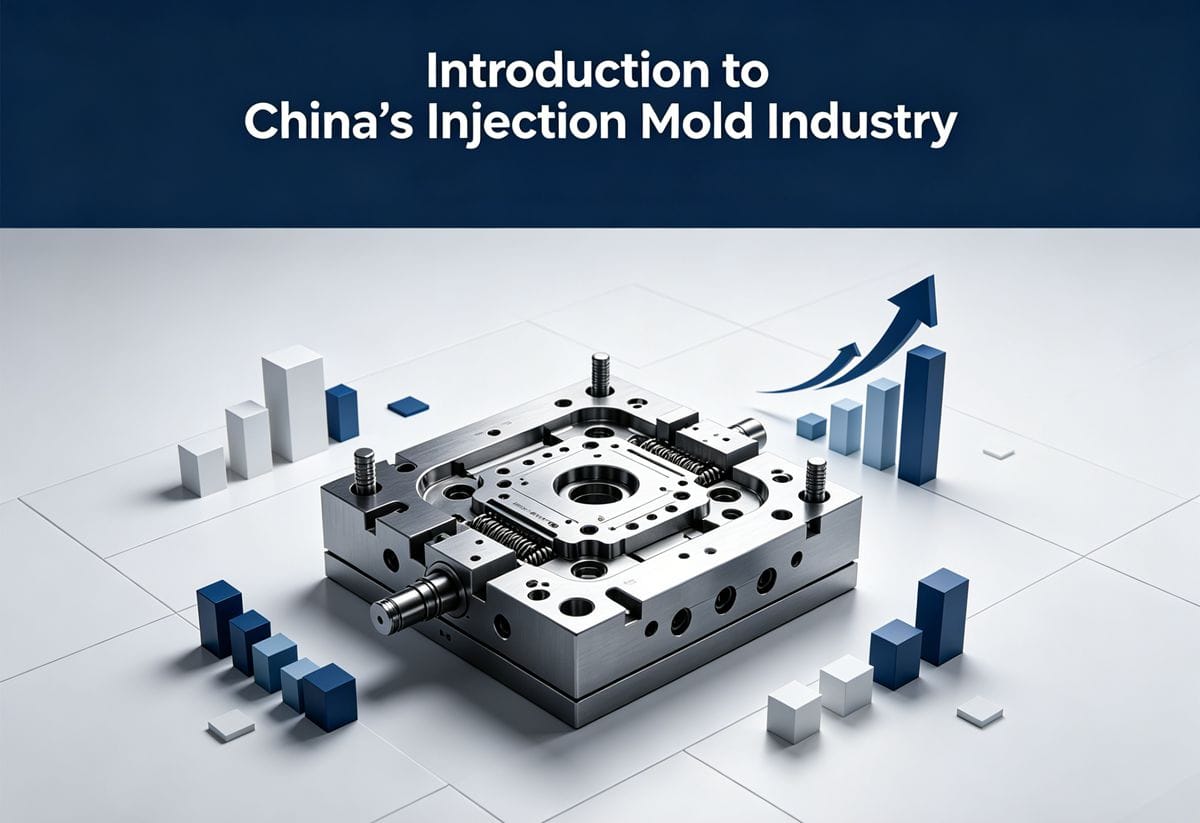
China’s mold industry is evolving rapidly. With advancements in automation and digital technology, buyers must adapt their strategies for smarter, faster, and more precise manufacturing solutions.
Inleiding
Sourcing spuitgietmatrijzen can be daunting. China offers competitive pricing, but it also comes with unique challenges. Understanding these is crucial to avoid costly mistakes.
China is a leading hub for injection mold manufacturing due to its competitive pricing, advanced production processes, and ability to handle custom orders efficiently.
I’ve spent years working with Chinese suppliers, and I’ve seen firsthand how preparation and clear communication can make or break a deal. Let’s explore this step by step.
How is the Injection Mold Market in China?
China is home to thousands of injection mold manufacturers. The market is competitive, but it’s also diverse, with suppliers catering to various industries and quality levels.
China’s injection mold market stands out for its blend of affordability, advanced technology, and scalability, making it ideal for industries seeking high-volume production.
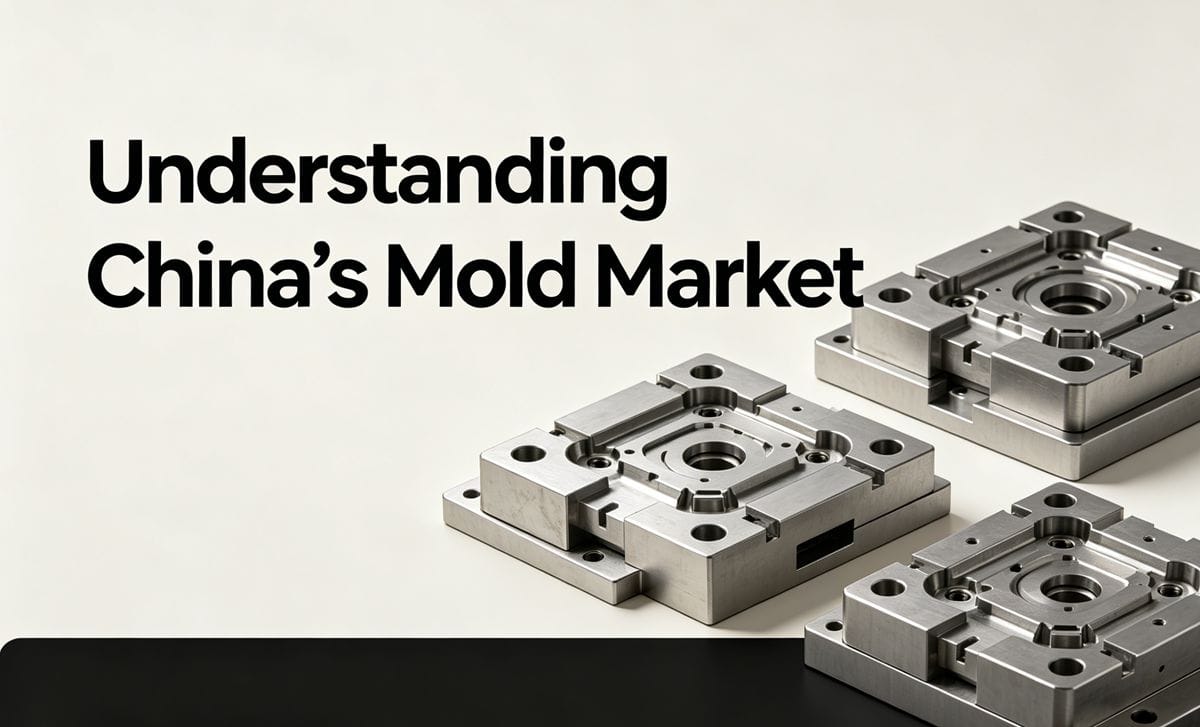
The industry is shifting toward smarter manufacturing. Automation and digital tools are enabling faster turnaround times and better precision. This evolution means buyers must stay informed to remain competitive.
| Key Features of China’s Mold Market | Uitleg |
|---|---|
| Affordability | Low labor and production costs |
| Advanced Processes | Automation and digital tech |
| Scalability | High-volume production |
| Customization | Tailored solutions for clients |
What Preparations are Needed Before Buying Injection Molds?
Preparation is the foundation of successful sourcing. Without it, mistakes can lead to wasted money and time.
To prepare for sourcing molds, define specifications clearly, research industry standards, and align your needs with potential manufacturing capabilities.
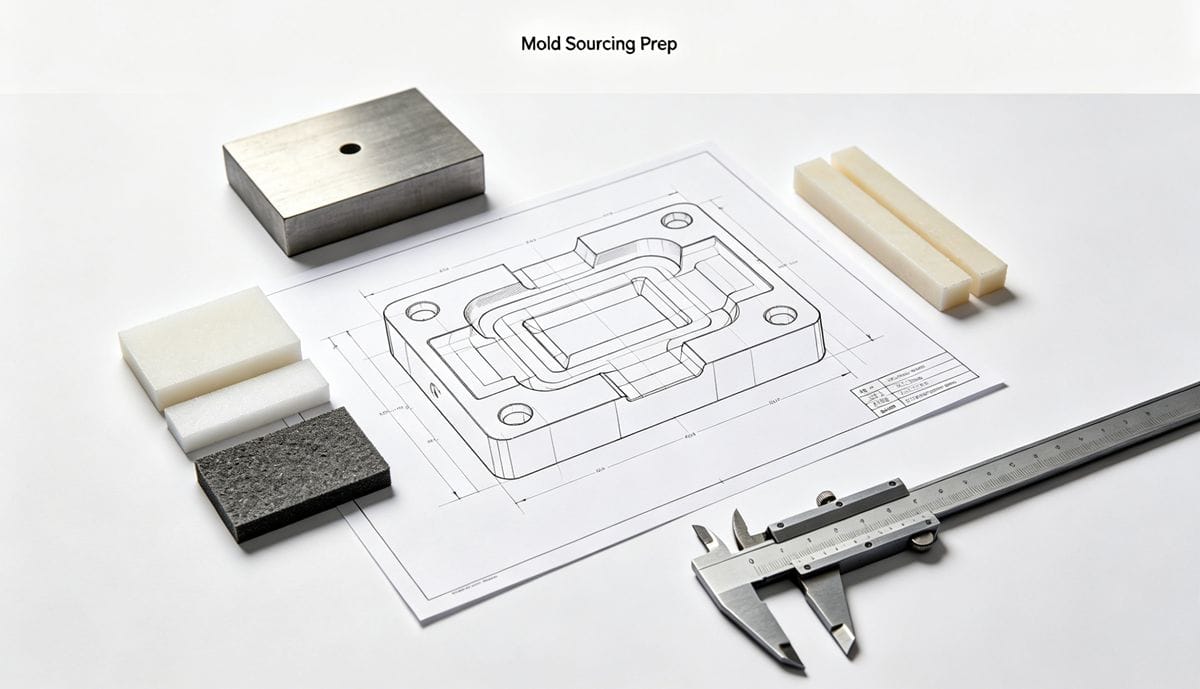
Before approaching suppliers, list out your product requirements—dimensions, materials, and production volume. Ensure your team is aligned on these specifics, as miscommunication can lead to errors later.
How to Find a Suitable Injection Mold Supplier?
Finding the right supplier isn’t just about price. It’s about quality, communication, and reliability.
Seek suppliers with proven expertise, certifications, and a strong track record in your industry to ensure long-term success.
Use online platforms like Alibaba or Made-In-China, but don’t stop there. Visit factories, request samples, and check references. Building trust upfront can save headaches down the line.
What is the Injection Mold Purchasing Process Like?
The buying process involves multiple stages, each requiring attention to detail to avoid delays or missteps.
The injection mold purchasing process includes design approval, prototyping, production, and final quality checks. Clear communication ensures smooth transitions between stages.
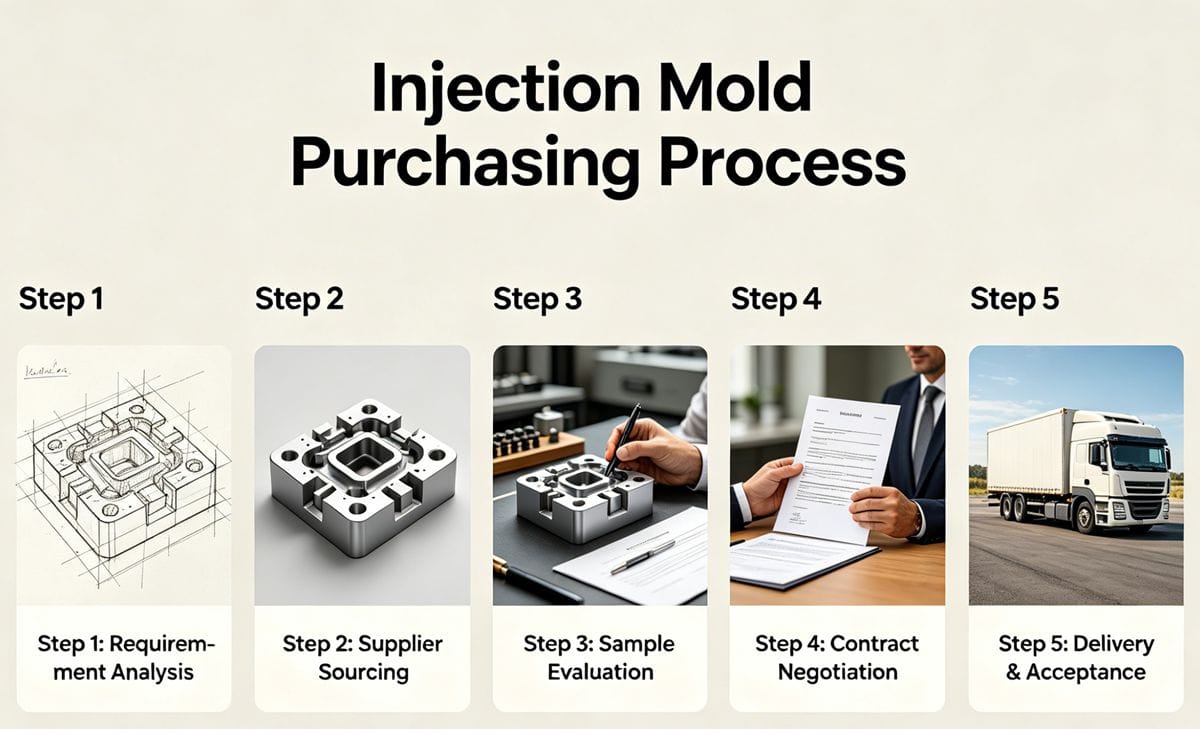
Start by approving initial designs and prototypes. Once satisfied, proceed to production. Throughout, maintain regular communication with the supplier to address issues promptly.
| Stage | Key Actions |
|---|---|
| Design Approval | Confirm specifications |
| Prototyping | Request sample molds |
| Production | Monitor progress |
| Final Quality Check | Ensure specifications are met |
How to Conduct Injection Mold Quality Control?
Quality control is non-negotiable. It’s where many buyers fall short, leading to costly mistakes.
Effective quality control involves inspecting molds at every production stage, using third-party auditors if necessary to guarantee standards.
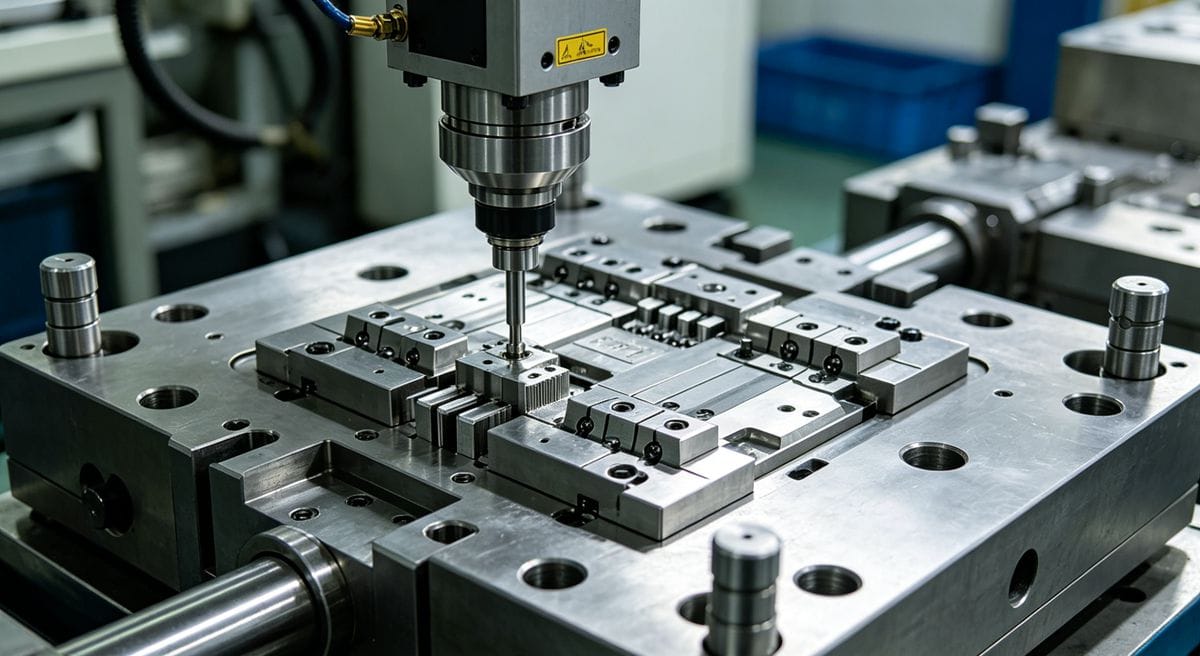
Implement a detailed quality control checklist. Use third-party inspection services to verify compliance with your requirements. Catching issues early saves time and money.
How to Conduct Injection Mold Price Negotiation and Cost Control?
Price negotiation is an art. It requires balancing affordability with quality.
Negotiate prices based on detailed cost breakdowns while ensuring manufacturers don’t compromise on quality during production.
Ask for itemized quotes and compare them. Discuss costs openly with suppliers to understand their pricing model. This transparency fosters trust and ensures a fair deal.
How to Arrange Logistics and Transportation?
Shipping molds from China involves several logistical challenges, from customs clearance to transportation costs.
Coordinate with freight forwarders to streamline customs, ensure safe packaging, and optimize shipping costs for injection mold delivery.

Work with experienced freight companies familiar with international shipments. Discuss packaging methods to prevent damage during transit. Plan for potential delays to avoid surprises.
What are the Cultural and Business Practice Differences?
Understanding cultural nuances is critical for building strong relationships.
Respect local customs, business etiquette, and communication styles to foster trust and long-term partnerships with Chinese suppliers.

In China, relationships matter. Take time to build rapport, understand their priorities, and show respect. This approach often leads to smoother negotiations and cooperation.
How to Handle After-sales Service and Cooperative Maintenance?
After-sales service ensures the molds work efficiently long after delivery. It’s often overlooked but crucial for sustained success.
Collaborate with suppliers for maintenance schedules, spare parts, and ongoing support to maximize mold longevity.
Discuss maintenance contracts upfront. Ensure suppliers are available for troubleshooting. Long-term cooperation often leads to better results and a more productive relationship.
Conclusie
Sourcing injection molds in China requires planning, preparation, and persistence. By understanding the market, vetting suppliers, and respecting cultural nuances, you can achieve sustained success.

 English
 French
 Dutch
Dutch German
 Japanese
 Korean