

Polystyreen (PS) is een algemeen erkend materiaal in de productie-industrie. Maar wat maakt het precies zo speciaal als het gaat om spuitgieten?
Polystyreen (PS) is een synthetisch thermoplastisch polymeer afgeleid van styreen. Het staat bekend om zijn lichte, rendabele en veelzijdige eigenschappen, waardoor het geschikt is voor verschillende toepassingen.
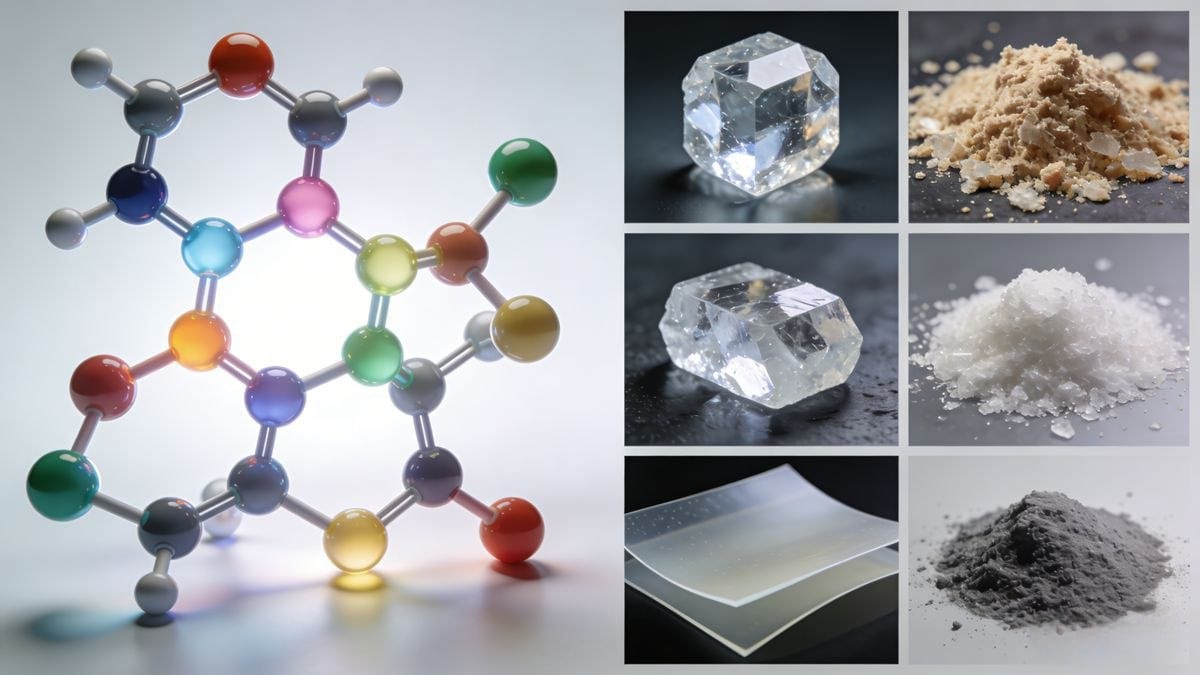
Polystyreen is een materiaal dat we in ons dagelijks leven vaak over het hoofd zien. Van verpakkingen tot onderdelen in elektronica, het speelt een belangrijke rol in veel producten. Toch moet er goed worden nagedacht over de impact ervan op het milieu, wat ons ertoe brengt om de verschillende soorten en kenmerken ervan te onderzoeken.
Wat is polystyreen (PS)?
Polystyreen (PS) is een synthetisch thermoplastisch polymeer gemaakt van het monomeer styreen, een vloeibare koolwaterstof uit aardolie. Het wordt veel gebruikt in verschillende industrieën vanwege zijn lichte gewicht, kosteneffectiviteit en veelzijdige eigenschappen. PS is verkrijgbaar in verschillende vormen en wordt gebruikt in toepassingen variërend van verpakkingsmateriaal tot isolatie en wegwerp consumptiegoederen.
Polystyreen is een veelzijdig en economisch materiaal met toepassingen in verpakking, bouw en consumptiegoederen. De impact op het milieu vereist echter een zorgvuldige behandeling, recyclinginitiatieven en duurzame alternatieven voor een groenere toekomst.
PS Onderdelen
- PS Geval
- PS Box
- PS Transparant Product
Wat zijn de verschillende soorten PS-materialen?
Polystyreen (PS) is een veelzijdig synthetisch polymeer met verschillende vormen die op maat gemaakt zijn voor specifieke toepassingen. Deze soorten verschillen in eigenschappen, verwerkingsmethoden en gebruik.
1. Soorten massief polystyreen:
① Polystyreen voor algemene doeleinden (GPPS):
GPPS is helder, stijf, bros en licht. Het biedt een hoge transparantie, goede elektrische isolatie en een glanzende afwerking. Het wordt vaak gebruikt voor voedselcontainers, wegwerpbestek, CD/DVD-hoesjes en transparante elektronische behuizingen.
② Hoog Impact Polystyreen (HIPS):
HIPS is gemodificeerd met rubberachtig polybutadieen, waardoor het minder broos en slagvaster is. Het is ideaal voor koelkastvoeringen, speelgoed, medische trays en elektronische behuizingen waar duurzaamheid belangrijk is.
Syndiotactisch polystyreen (SPS):
SPS heeft een kristallijne structuur met een hogere hittebestendigheid en chemische stabiliteit in vergelijking met GPPS en HIPS. Het wordt veel gebruikt in technische toepassingen zoals tandwielen, lagers en onderdelen die op hoge temperatuur of chemisch worden blootgesteld.
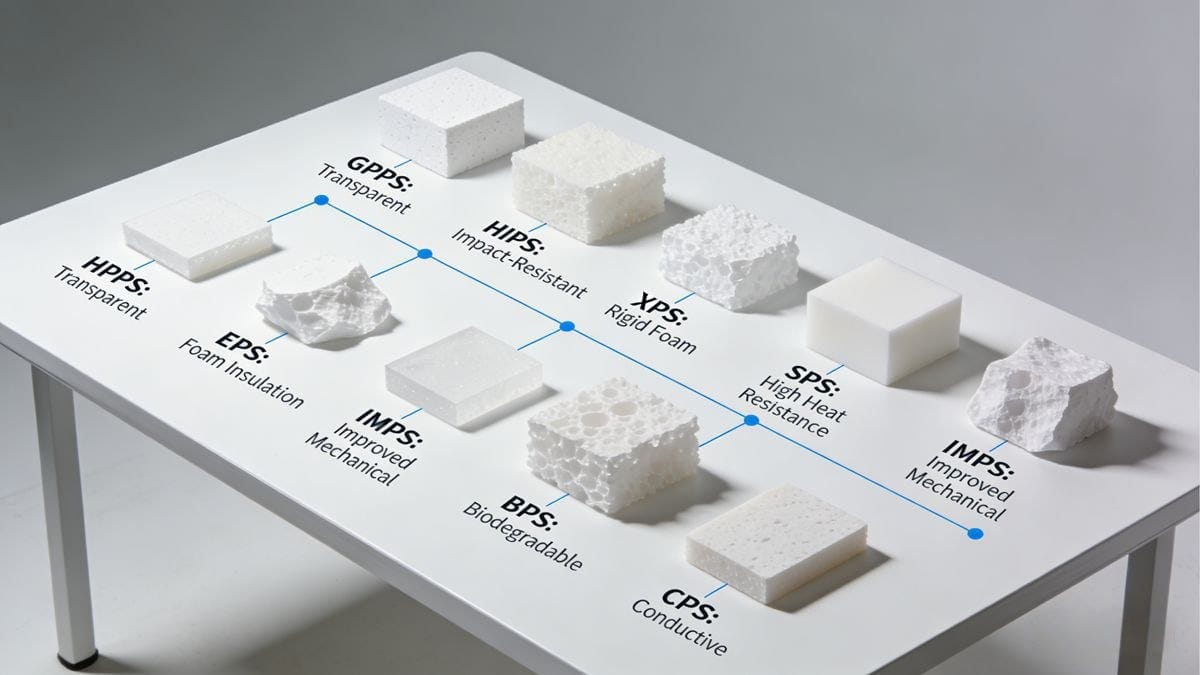
2. Geschuimd polystyreen Soorten:
① Geëxpandeerd polystyreen (EPS):
EPS is licht van gewicht en heeft uitstekende thermische isolatie- en dempingseigenschappen. Het wordt vaak gebruikt voor verpakkingsmateriaal, isolatie van gebouwen en wegwerpbekers van schuim.
② Geëxtrudeerd polystyreen (XPS):
XPS is dichter dan EPS en biedt een betere thermische weerstand. Het wordt gebruikt in isolatieplaten voor de bouw en architecturale modellen.
③ Polystyreen schuimplaten (PSFB):
PSFB is een lichtgewicht schuimmateriaal met goede thermische en akoestische isolatie-eigenschappen, geschikt voor muur- en dakisolatie.
3. Speciale polystyreentypes:
① Spuitgegoten polystyreen (IMPS):
IMPS staat bekend om zijn hoge precisie en sterkte, waardoor het ideaal is voor auto-onderdelen, medische apparatuur en precisiegereedschap.
② Geblazen polystyreen (BPS):
BPS is een lichtgewicht schuimmateriaal dat via een blaasmethode wordt verwerkt en vaak wordt gebruikt voor schuimrubberen bekers.
③ Gegoten polystyreen (CPS):
CPS is een materiaal met een hoge sterkte dat door gieten wordt verwerkt, waardoor het geschikt is voor optische onderdelen.
4. Samenvattende tabel:
| Type | Eigenschappen | Toepassingen |
|---|---|---|
| PS voor algemeen gebruik (GPPS) | Helder, bros en glanzend | Transparante verpakkingen, wegwerpservies |
| PS met hoge impact (HIPS) | Slagvast, ondoorzichtig | Behuizingen van apparaten, speelgoed, medische trays |
| Uitgebreid PS (EPS) | Lichtgewicht, goede isolatie | Verpakkingsmateriaal, isolatie voor gebouwen |
| Geëxtrudeerd PS (XPS) | Dicht, glad, betere thermische weerstand | Isolatieplaten, bouwkundige modellen |
| Syndiotactisch PS (SPS) | Hittebestendig, chemisch stabiel | Technische kunststoffen, gebruik bij hoge temperaturen |
| Spuitgegoten PS (IMPS) | Sterk, precies | Auto's, medische apparatuur |
| Opgeblazen PS (BPS) | Lichtgewicht, schuimachtig | Schuimrubberen bekers, verpakkingscontainers |
| Gegoten PS (CPS) | Hoge sterkte, precisie | Optische onderdelen, precisiegereedschap |
| Pellets van polystyreen (PSP) | Grondstof, veelzijdig | Productie van verpakkingen, productie van isolatie |
| PSMMA | UV-bestendig, hoge helderheid | Optische lenzen, bewegwijzering voor buiten |
Wat zijn de kenmerken van PS?
Polystyreen (PS) is een thermoplastisch polymeer dat bekend staat om zijn veelzijdigheid en toepasbaarheid in verschillende industrieën. Hieronder vindt u een gedetailleerd overzicht van de eigenschappen, waarbij de belangrijkste aspecten van de fysische, mechanische, chemische en verwerkingseigenschappen worden gecombineerd om het materiaal volledig te begrijpen.
1. Fysische eigenschappen:
- Dichtheid: Lichtgewicht met een dichtheid van ongeveer 1,05-1,10 g/cm³.
- Transparantie: GPPS is van nature transparant en biedt een hoge lichtdoorlatendheid.
- Stijfheid en broosheid: PS is stijf en bros onder spanning.
- Oppervlakteafwerking: Natuurlijk glanzend.
- Thermische Kenmerken: Glasovergangstemperatuur (Tg) rond 100°C.
2. Mechanische eigenschappen:
- Sterkte: Matige treksterkte (~28 MPa).
- Schokbestendigheid: Standaard PS is bros, maar HIPS verbetert dit aanzienlijk.
- Flexuraliteitsmodulus: ~1930 MPa, wat wijst op een goede stijfheid.
- Schuurweerstand: Matig.

3. Thermische eigenschappen:
- Hittebestendigheid: Bestand tegen matige hitte.
- Thermische isolatie: EPS is een uitstekende isolator.
- UV-bestendigheid: Biedt goede weerstand tegen UV-licht.
4. Chemische eigenschappen:
- Chemische weerstand: Bestand tegen veel zuren en logen, maar kwetsbaar voor organische oplosmiddelen.
- Lage vochtopname: Ideaal voor vochtige omgevingen.
- Chemische stabiliteit: Bestand tegen afbraak.
5. Elektrische eigenschappen:
- Uitstekende isolatie: Een diëlektrische constante van 3,0-3,2.
- Vochttolerantie: Handhaaft de prestaties in omgevingen met een hoge vochtigheidsgraad.
6. Verwerkingskenmerken:
- Verwerkingsgemak: PS kan gemakkelijk worden gevormd, geëxtrudeerd en gethermoformeerd.
- Dimensionale stabiliteit: Minimale krimp (0,6%-0,8%).
- Recycleerbaarheid: PS is recyclebaar, maar het moet wel zorgvuldig gesorteerd worden.
Kunnen PS-materialen spuitgegoten worden?
Ja, polystyreen (PS) materialen kunnen inderdaad spuitgegoten worden, en dit proces wordt vaak gebruikt vanwege de gunstige eigenschappen en verwerkingskenmerken van PS. Spuitgieten houdt in dat gesmolten plastic in een mal wordt gespoten om specifieke vormen te maken, en als thermoplast kan PS meerdere keren worden gesmolten en hervormd, waardoor het zeer geschikt is voor dit proces.

PS staat bekend om zijn goede vloeibaarheid en uitstekende verwerkingseigenschappen, waardoor het ideaal is voor spuitgieten. Bovendien is het gemakkelijk te kleuren en vertoont het een goede dimensionale stabiliteit, wat cruciaal is voor het maken van hoogwaardige spuitgietproducten.
Verwerkingsvoorwaarden:
- Smelttemperatuur: PS smelt tussen 180°C en 270°C.
- Schimmeltemperatuur: Ideale matrijstemperaturen liggen tussen 20°C en 70°C.
- Injectiedruk: Typische injectiedrukken variëren van 20 tot 150 MPa.
- Drogen: PS hoeft meestal niet gedroogd te worden voordat het gevormd wordt, maar kan indien nodig 2-3 uur bij 80°C gedroogd worden.
Wat zijn de belangrijkste overwegingen voor het spuitgieten van PS?
Bij het spuitgieten van polystyreen (PS) moeten verschillende sleutelfactoren zorgvuldig overwogen worden om een succesvolle productie van hoogwaardige onderdelen te garanderen. Hier vindt u een uitgebreid overzicht van belangrijke aspecten van materiaaleigenschappen, matrijsontwerp, verwerkingsparameters en kwaliteitscontrole.

1. Materiaaleigenschappen en selectie:
- Smelttemperatuur: PS smelt bij temperaturen tussen 180°C en 280°C.
- Viscositeit en vloeibaarheid: PS heeft een lage viscositeit en een uitstekende vloeibaarheid.
- Krimppercentage: Polystyreen ondervindt een krimpsnelheid van ongeveer 0,2% tot 0,8%.
2. Vormontwerp:
- Schimmeltemperatuur: De ideale matrijstemperatuur voor PS ligt tussen 20°C en 70°C.
- Afsluiting en ontluchting: De mal moet een goed ontworpen afsluitsysteem bevatten.
- Opzethoeken: Dankzij de trekhoeken kan het werkstuk gemakkelijk worden uitgeworpen.
- Koelsysteem: Efficiënte koeling is cruciaal om kromtrekken te voorkomen.
3. Injectieparameters:
- Injectiedruk: Normaal gesproken tussen 70 en 150 MPa.
- Injectiesnelheid: Voor snel vullen worden hoge injectiesnelheden aanbevolen.
4. Deelontwerp:
- Wanddikte: Een uniforme wanddikte is cruciaal om kromtrekken te voorkomen.
- Ribben en Kenmerken: Ribben moeten zo worden ontworpen dat spanningsconcentraties worden vermeden.
5. Vervorming en vervorming:
- Vervorming minimaliseren: Door ongelijkmatige afkoeling kan vervorming optreden.
- Verlichting van stress: PS kunnen behandelingen nodig hebben om interne spanningen te verlichten.
6. Koeling en cyclustijd:
- Koeltijd: Kritisch voor kwaliteit; onvoldoende koeling kan leiden tot defecten.
- Cyclustijdoptimalisatie: Snelle koelsnelheden resulteren over het algemeen in kortere cyclustijden.
7. Verwerking na het gieten:
- Bijwerken en ontbramen: Noodzakelijk voor esthetische doeleinden.
- Afwerkingstechnieken: De processen kunnen polijsten en coaten omvatten.
8. Kwaliteitscontrole en toezicht:
- Parameterbewaking: Voortdurende bewaking is van cruciaal belang.
- Routinematig onderhoud: Regelmatig onderhoud van matrijzen en machines garandeert efficiëntie.
Conclusie
Als u de verschillende aspecten van het spuitgieten van PS op maat begrijpt, kunt u de productie-efficiëntie en de kwaliteit van de onderdelen enorm verbeteren, wat op de lange termijn gunstig is voor meerdere industrieën.

 English
 French
 Dutch
Dutch German
 Japanese
 Korean