 한국어



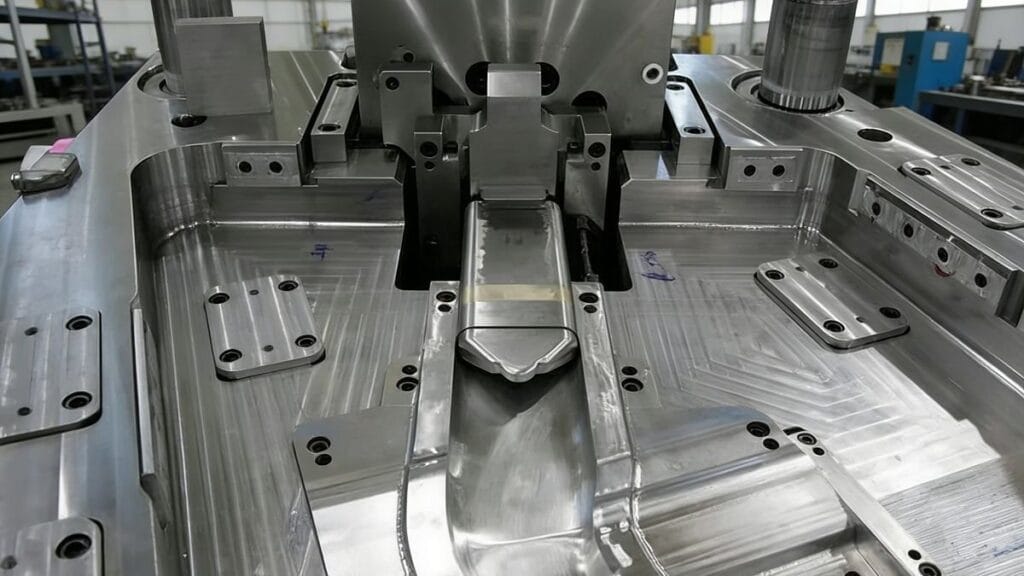
In 사출 성형[^1], mold design directly determines product quality, production efficiency, and manufacturing costs. Below is a comprehensive breakdown of the core design principles, procedures, and key systems that guide professional injection mold development.
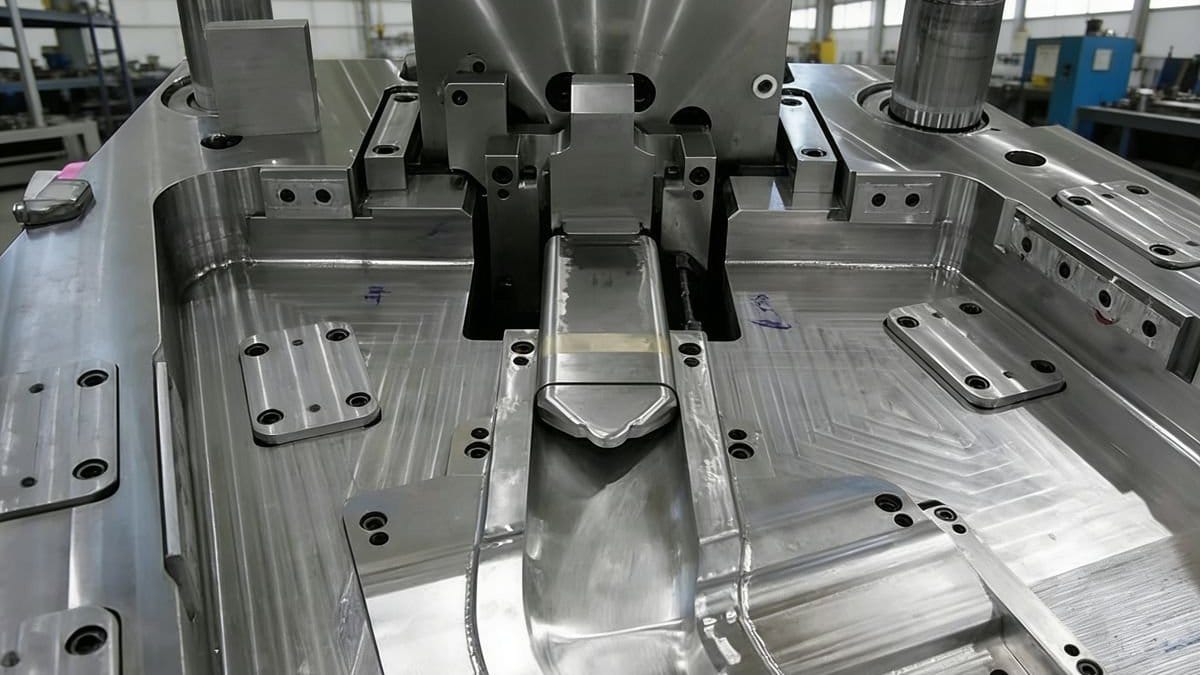
Core Design Basis
1. Dimensional Accuracy & Correctness of Related Dimensions
The external quality and specific dimensions of plastic products are defined by their functional requirements:
- Appearance-focused products (e.g., toys): High aesthetic standards but moderate dimensional precision.
- Functional products: Strict dimensional tolerances to ensure performance.
- High-precision products (e.g., cameras): Stringent requirements for both appearance and dimensions.
2. Rationality of Draft Angle[^2]
The draft angle is critical for smooth demolding and product integrity:
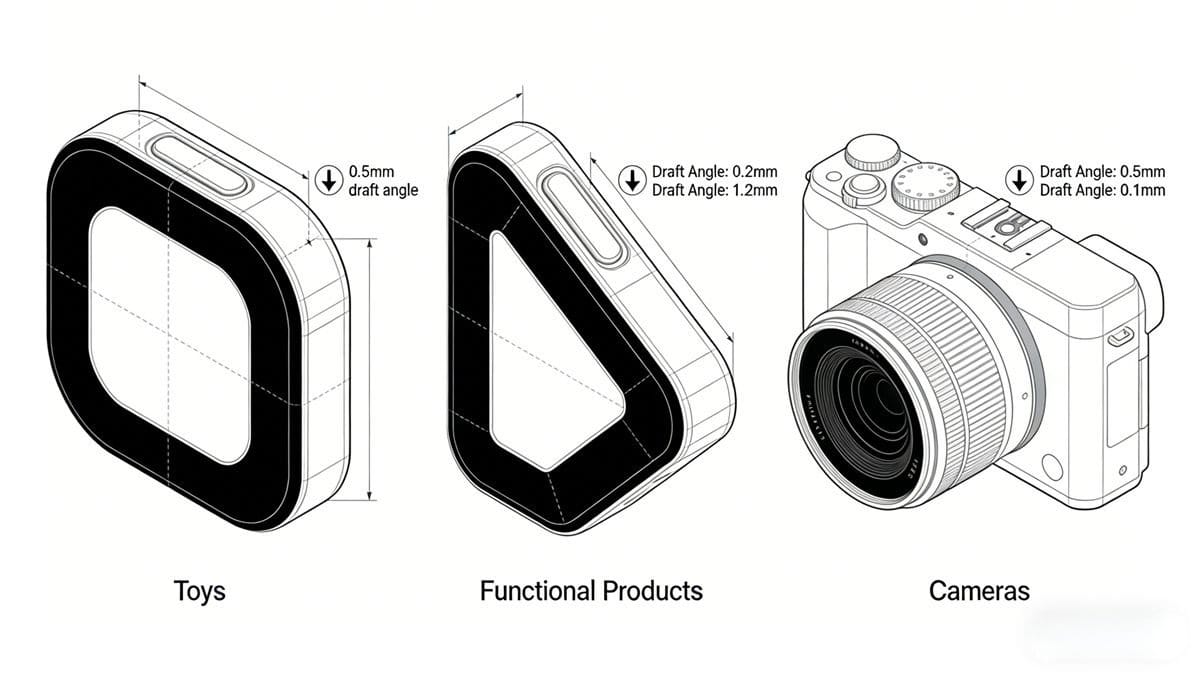
- Ensure sufficient draft to prevent sticking during ejection.
- Align the angle with the parting/split mold surface.
- Avoid compromising appearance or wall thickness accuracy.
- Prevent weakening of critical structural areas.
Standard Design Procedure
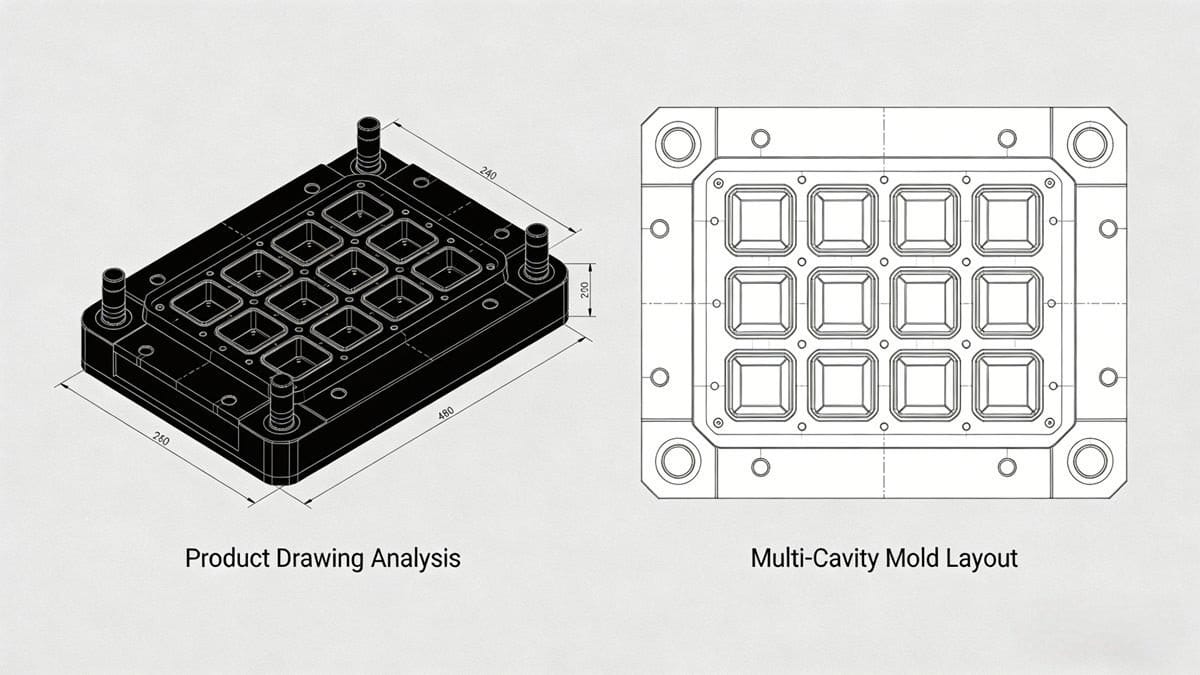
1. Analysis of Product Drawings & Physical Samples
Thoroughly evaluate the product to establish design constraints:
- Geometric shape and structural complexity.
- Dimensional specifications, tolerances, and design datums.
- Technical requirements (e.g., strength, flexibility).
- Plastic material grade and surface finish demands.
2. Cavity Quantity & Layout
Determine the number of cavities based on:
- Product weight vs. injection machine capacity.
- Projected area vs. clamping force.
- Mold size vs. machine’s tie-bar spacing.
- Product precision, color, and production volume.
- Economic efficiency (output value per mold).
Cavity Layout Considerations:
- Optimize mold size and gating system balance.
- Coordinate with core-pulling mechanisms, inserts, and cooling systems.
- Adjust based on parting surface and gate position selection.
Key Design Elements
1. Parting Surface Selection
The parting surface should:
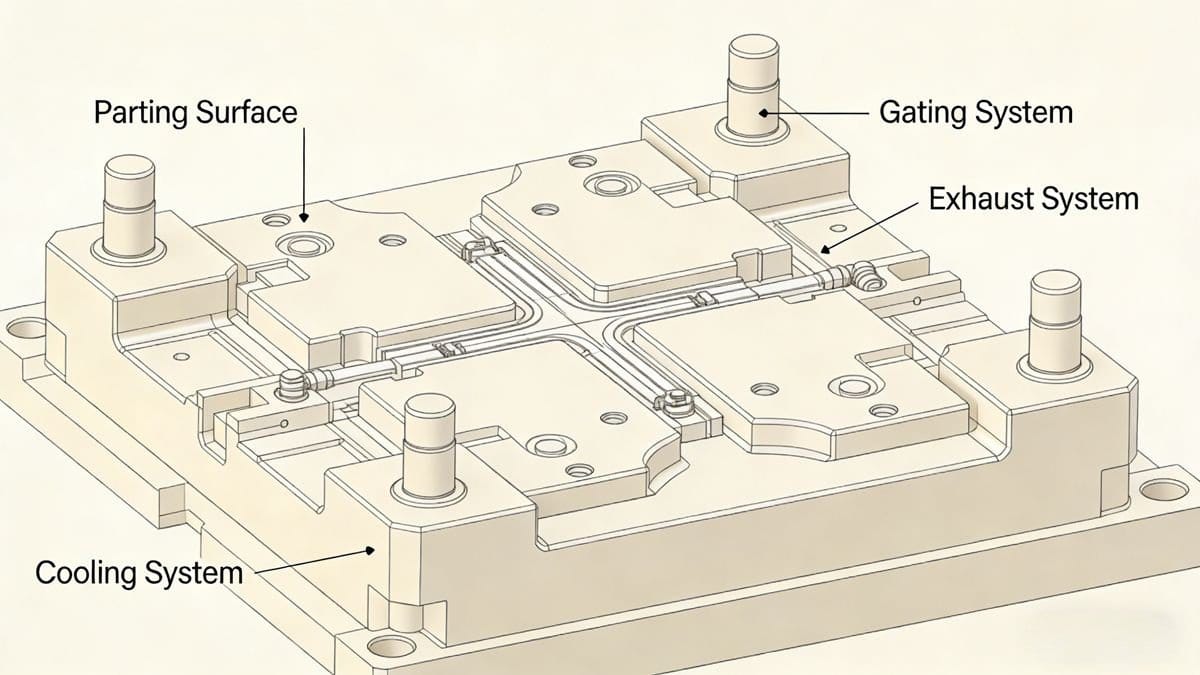
- Preserve product appearance and precision.
- Simplify mold machining (especially cavity fabrication).
- Facilitate gating, exhaust, and cooling system integration.
- Ensure the product remains on the 움직이는 금형 during demolding.
- Accommodate metal inserts easily.
2. Gating System Design
The gating system controls plastic flow into the cavity. Key steps:
- Gate Position Selection (follow these principles):
- Locate on the parting surface for easy cleaning.
- Ensure equal distance to all cavity areas (shortest flow path).
- Direct flow toward thick-walled sections for smooth filling.
- Avoid impinging on cores/inserts (prevents deformation).
- Minimize weld lines or place them in non-critical areas.
- Enable uniform filling and efficient gas evacuation.
- Position for easy post-processing without affecting appearance.
- System Components:
- Sprue: Main channel connecting the injection machine to the mold.
- Runner: Distributes plastic to multiple cavities (optimize cross-section for flow).
- Gate: Controls flow rate and pressure (e.g., pin-point, edge, or sub-gates).
- Degating Mechanism: For pin-point gates, ensure runner separation during ejection.
3. Exhaust System Design
Effective venting prevents defects like air traps and burn marks:
- Vent Grooves: Position at the last-filled cavity areas. Depth varies by material:
- ABS: ≤0.04 mm
- Putty: ≤0.02 mm
- POM (Delrin): ≤0.02 mm
- Clearance Venting: Use gaps between cores, ejector pins, or special exhaust plugs.
- Air Pins: Prevent vacuum deformation during product ejection.
- Anti-Vacuum Components: Avoid product adhesion to the mold surface.
4. Cooling System Design[^3]
Uniform cooling ensures consistent product quality and cycle time reduction. Design considerations:
- Cooling channel layout (e.g., parallel, series, or spiral).
- Position and size of channels (avoid interfering with other mold components).
- Targeted cooling for high-heat areas (e.g., cores, inserts, sliders).
- Selection of standard cooling components (pipes, baffles, O-rings).
- Sealing structure to prevent water leakage.
> Note > > Injection mold design is a iterative process—each system interacts with others. Balancing functionality, manufacturability, and cost requires careful adjustment based on specific product requirements.
[^1]: Explore this resource to gain in-depth knowledge about injection molding, enhancing your design and production efficiency. [^2]: Exploring this will help you grasp how draft angles influence product integrity and demolding efficiency. [^3]: Effective cooling design is crucial for maintaining product quality and reducing cycle times.
저자 소개

Alex Yu
아이디얼 프로 매뉴팩처링
알렉스는 Ideal Pro의 공동 창립자이지만, 주요 프로젝트를 총괄하거나 기술 팀을 이끌지 않을 때는 장거리 자전거 타기를 즐기거나, 동네에서 가장 맛있는 커피를 찾아다니거나, 다음 여행 계획을 세우는 모습을 볼 수 있습니다. 국제 무역 영업과 프로젝트 관리 분야에서 20년 이상의 경력을 쌓아온 그는 촉박한 마감 기한부터 까다로운 엔지니어링 문제까지, 그 사이의 모든 상황을 다 겪어보았습니다. 그는 훌륭한 성과는 충분한 휴식을 취한 마음과 맛있는 커피에서 나온다고 믿으며, 맡은 모든 프로젝트에 그와 같은 호기심과 세심한 주의를 기울입니다. 사무실에 있지 않을 때는 대개 야외 어딘가에서 새로운 장소를 탐험하며, 나중에 나눌 이야기를 수집하곤 합니다.
 English
 French
 Dutch
 German
 Japanese
 Korean