 한국어



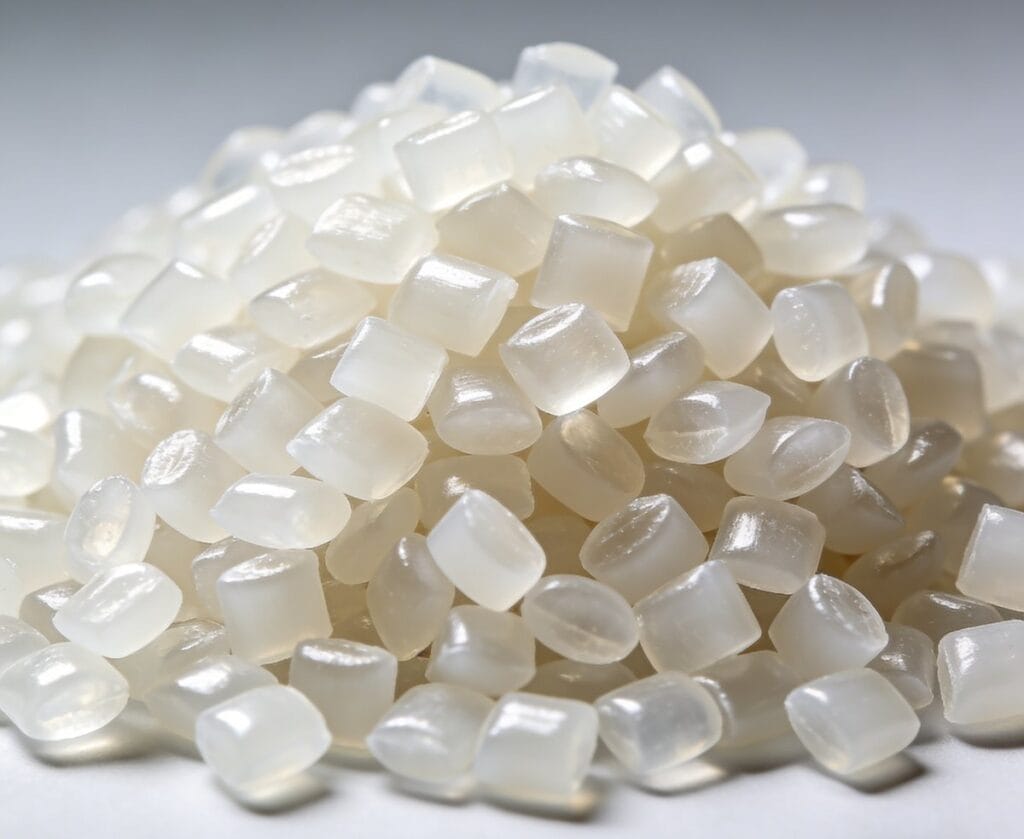
The world of ABS injection molding is changing. Are you ready to dive into its complexities?
ABS (Acrylonitrile-Butadiene-Styrene) is widely used in various industries for its mechanical properties and cost-effectiveness. This guide offers insights into material properties, process optimization, and mold design to enhance your production efficiency.
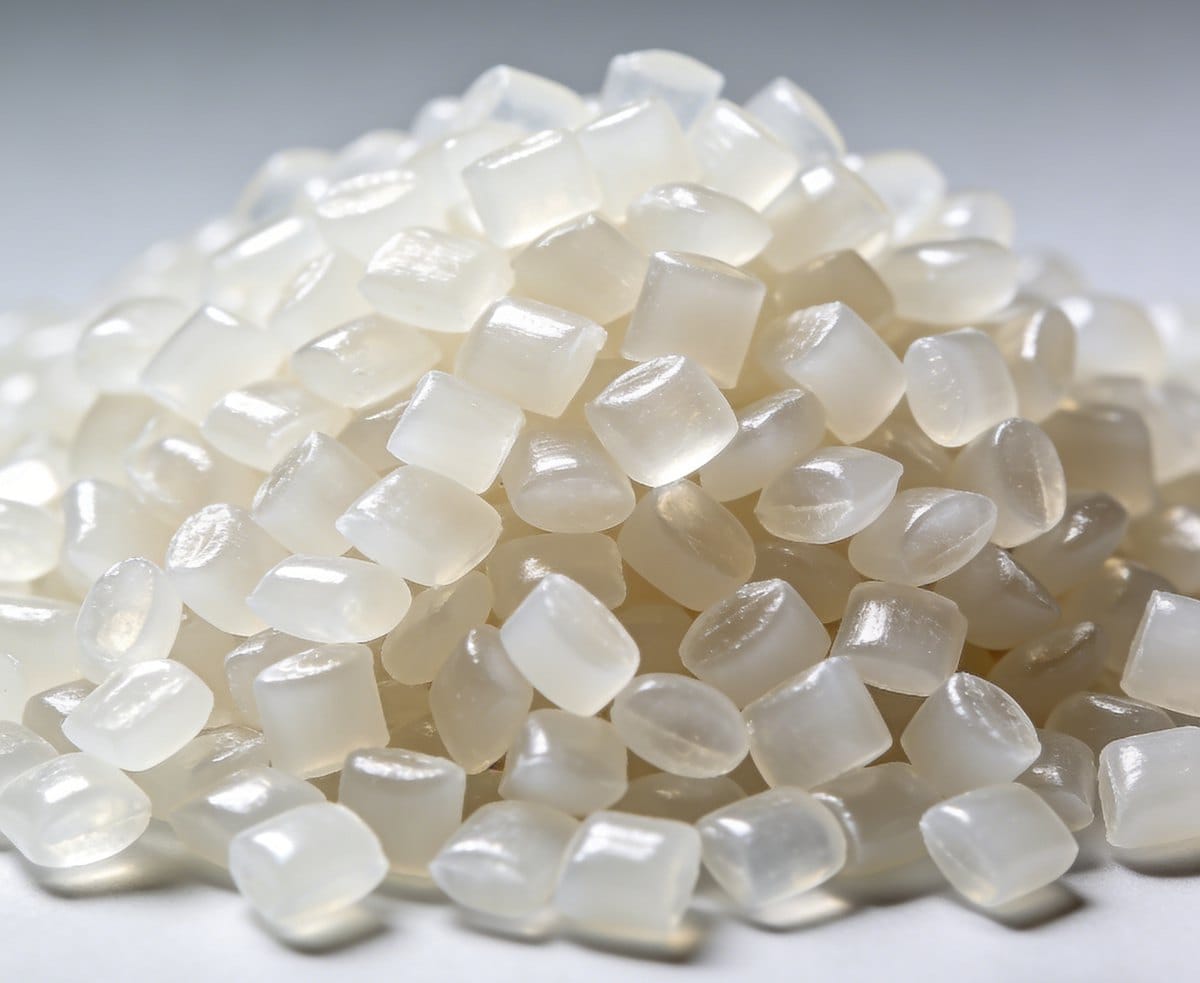
To understand ABS injection molding better, it’s essential to grasp the core aspects of this process. From selecting the right material to troubleshooting common issues, the journey through ABS molding can be daunting. However, with the right knowledge, you can streamline your production and elevate your product quality.
I. Core Properties and Material Selection Guide for ABS?
ABS is more than just a plastic; it’s a versatile material that is pivotal in many applications. Understanding its basic performance advantages is crucial.
Basic Performance Advantages
ABS is a unique copolymer made from three monomers. Each contributes distinct properties:
- Acrylonitrile (A): Confers rigidity and heat resistance.
- Butadiene (B): Provides impact resistance and elasticity, making ABS less brittle.
- Styrene (S): Ensures excellent fluidity and surface gloss, aiding in complex moldings.
Here are some key performance parameters for general-purpose ABS:
| Property | Value |
|---|---|
| 밀도 | 1.02-1.05 g/cm³ |
| Melt Flow Rate (220℃/10kg) | 1.5-30 g/10min |
| Tensile Strength | 30-50 MPa |
| Impact Strength (Notched) | 10-50 kJ/m² |
| Heat Distortion Temperature | 85-100℃ |
| Mold Shrinkage Rate | 0.4%-0.8% |
Common ABS Grades and Selection Principles
ABS comes in various grades tailored for specific applications. Knowing which grade to choose can make a significant difference in performance:
| Application Scenario | Recommended Grade Type | Key Requirements |
|---|---|---|
| Home Appliance Casings (Refrigerators, Washing Machines) | General-Purpose/High-Gloss | Flat surface, scratch-resistant, moderate fluidity |
| Automotive Interior Parts (Dashboards, Door Panels) | High-Impact/Heat-Resistant | Low-temperature impact strength ≥20 kJ/m², heat distortion temperature ≥90℃ |
| Electronic Device Casings (Computers, Routers) | Flame-Retardant (UL94 V0) | Compliant with flame retardancy standards, good dimensional stability |
| Structural Parts (Gears, Brackets) | Reinforced (Glass Fiber Reinforced) | Tensile strength ≥60 MPa, high rigidity, low deformation |
| Medical Devices (Casings, Accessories) | Medical-Grade (Compliant with ISO 10993) | Odorless, disinfection-resistant, good biocompatibility |
When selecting ABS grades, assess the product's mechanical and environmental requirements. Also, always verify compatibility through small-batch trials.
II. Optimization of Key Process Parameters for ABS Injection Molding?
Optimizing the process parameters is essential. The right settings can lead to more efficient production and higher quality products.
Preprocessing Technology
ABS can absorb moisture, which can lead to defects. Here are core preprocessing parameters:
- Drying Temperature: 80-90℃
- Drying Time: 2-4 hours
- Moisture Content After Drying: ≤0.1%
It's vital to store dried materials properly. If stored for over 72 hours, re-drying is a must.
Injection Molding Temperature Parameters
Temperature affects ABS fluidity. Adjust temperatures based on fluidity:
| Temperature Zone | Recommended Temperature Range (℃) | Adjustment Principles |
|---|---|---|
| Front Barrel | 180-200 | Slightly lower than middle section to prevent degradation |
| Middle Barrel | 200-220 | Ensures complete melting of raw materials |
| Rear Barrel | 160-180 | Preheats raw materials, reducing screw torque |
| Nozzle Temperature | 200-210 | Higher than middle section to prevent solidification |
| 금형 온도 | 40-80℃ | 60-80℃ for high-gloss products, 40-60℃ for rigidity |
Adjust temperatures based on product issues. For instance, if there are poor gloss or weld lines, increase the middle section temperature.
Injection Pressure and Speed
- 사출 압력: Recommended 80-120 MPa. Adjust for part thickness.
- 사출 속도: Recommended 30-80 mm/s with stage control to reduce bubbles and stress.
Holding Pressure and Cooling Process
- Holding Pressure: 50%-70% of injection pressure.
- 냉각 시간: 15-30 seconds, adjust for wall thickness.

III. Key Points for ABS Injection Mold Design?
Designing the mold correctly is crucial for successful production. Let’s break down the essential elements.
Cavity and Core Design
- Mold Shrinkage Rate: Design at 0.5%-0.7%.
- Draft Angle: Recommended 1°-3°.
- Fillet Design: Set R0.5-R2.0mm fillets to reduce stress.
Gate Design
Choosing the right gate type is crucial for filling:
- Small products: Pin gates for minimal marks.
- Large products: Edge or fan gates for uniform filling.
Venting System Design
Proper venting prevents defects. Here's what to consider:
- Set vents where melt fills last.
- Ensure dimensions are appropriate for smooth venting.
Cooling System Design
Adequate cooling is vital for product integrity:
- Distribute water channels evenly.
- Use conformal cooling channels for irregular shapes.
IV. Common Defects and Solutions in ABS Injection Molding?
Identifying defects early can save time and resources. Here's a table summarizing common issues and their solutions:
| Defect Type | Causes | 솔루션 |
|---|---|---|
| Surface Silver Streaks/Bubbles | Excessive moisture in raw materials, overly fast injection speed | 1. Extend drying time; 2. Reduce barrel temperature; 3. Slow down injection speed |
| Obvious Weld Lines | Insufficient fluidity, low mold temperature | 1. Increase barrel and mold temperatures; 2. Optimize gate position; 3. Set vent grooves at weld line locations |
| Product Shrinkage Marks | Insufficient holding pressure, uneven cooling | 1. Increase holding pressure; 2. Optimize cooling system; 3. Adjust mold temperature |
| Surface Scratches/Demolding Difficulties | Insufficient draft angle, rough mold surface | 1. Increase draft angle; 2. Polish mold cavity; 3. Use ABS-specific release agent |
| Excessive Dimensional Deviation | Incorrect mold shrinkage rate setting, unstable holding pressure | 1. Adjust shrinkage rate; 2. Stabilize mold temperature; 3. Inspect pressure control system |
| Product Yellowing/Degradation | Excessively high temperature, contaminated raw materials | 1. Reduce temperature; 2. Clean barrel and nozzle; 3. Replace raw materials |
V. Post-Processing Technology for ABS Injection Molding?
Once the molding is complete, some post-processing steps enhance the product.
Stress Relief Treatment
To prevent cracking, use stress relief treatment:
- Temperature: 60-80℃
- Time: 2-4 hours.
Surface Treatment
Choose surface treatments based on the product’s needs:
- Painting: For gloss and corrosion resistance.
- 전기 도금: For aesthetics.
- Silk Screen Printing: For branding.
- Ultrasonic Welding: For assembly.

VI. Application Scenarios and Cases of ABS Injection Molding?
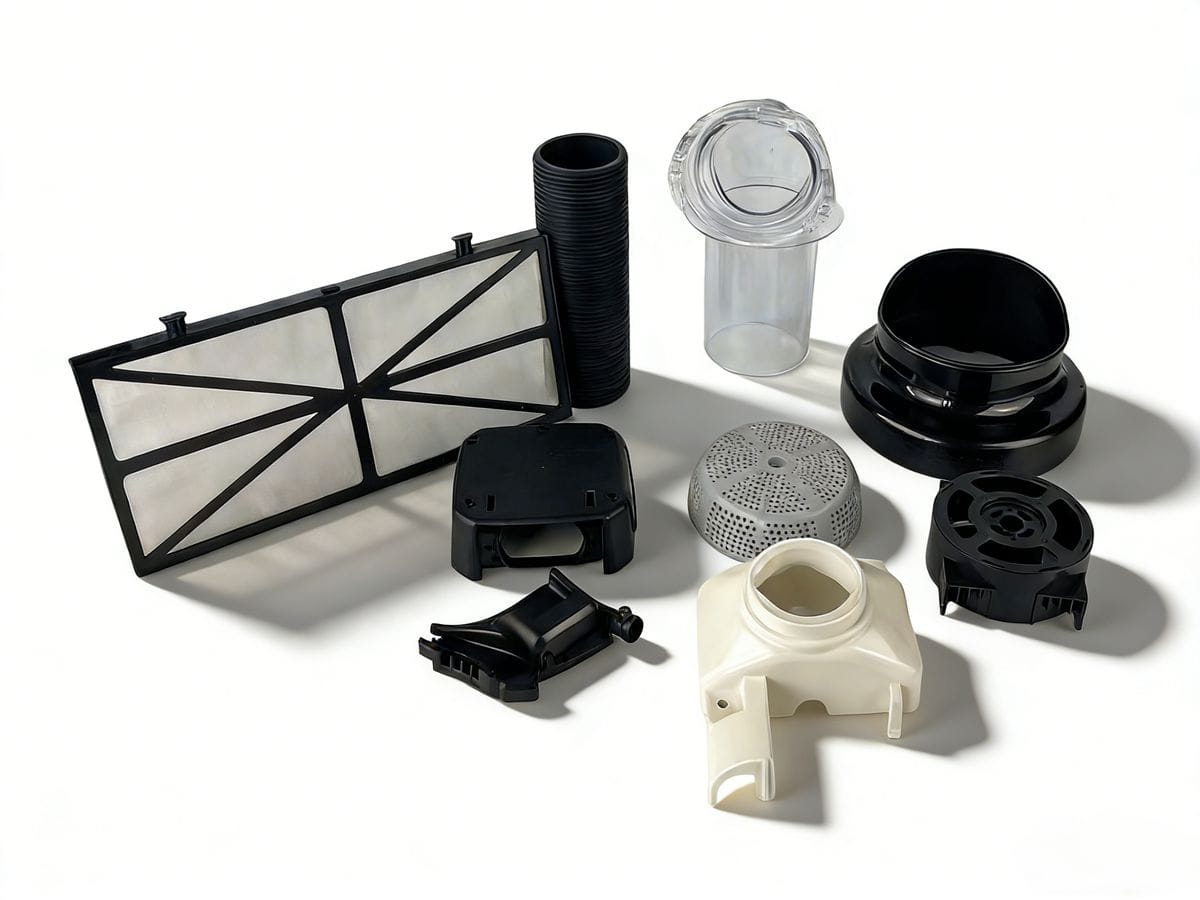
ABS's versatility means it's used in many industries. Here are some key fields and a typical case study.
Main Application Fields
- Home Appliances: Casings that require flat surfaces and durability.
- Automotive Industry: Parts needing high impact resistance.
- 전자제품: Cases with high dimensional accuracy.
- 의료기기: Non-toxic and disinfectant-resistant products.
- Toy Industry: Safe, durable materials.
Typical Case: Automotive Door Panel Interior Parts
- Requirements: High impact strength and no visible defects.
- 재료: High-impact heat-resistant ABS.
- 프로세스: Specific temperatures and pressures for optimal performance.
- Production Effect: High qualification rate and efficient cycle times.
VII. Precautions and Safety Specifications for ABS Injection Molding?
Understanding safety is crucial in ABS processing. Here are important points to consider:
- Raw Material Storage: Keep in a cool, dry place.
- Process Safety: Monitor temperatures to prevent degradation.
- Environmental Compliance: Limit recycled material ratios.
- Equipment Maintenance: Regularly clean and inspect machinery.
결론
ABS injection molding is a complex yet rewarding process. With the right knowledge and practices, you can enhance product quality and production efficiency.
저자 소개

Alex Yu
아이디얼 프로 매뉴팩처링
알렉스는 Ideal Pro의 공동 창립자이지만, 주요 프로젝트를 총괄하거나 기술 팀을 이끌지 않을 때는 장거리 자전거 타기를 즐기거나, 동네에서 가장 맛있는 커피를 찾아다니거나, 다음 여행 계획을 세우는 모습을 볼 수 있습니다. 국제 무역 영업과 프로젝트 관리 분야에서 20년 이상의 경력을 쌓아온 그는 촉박한 마감 기한부터 까다로운 엔지니어링 문제까지, 그 사이의 모든 상황을 다 겪어보았습니다. 그는 훌륭한 성과는 충분한 휴식을 취한 마음과 맛있는 커피에서 나온다고 믿으며, 맡은 모든 프로젝트에 그와 같은 호기심과 세심한 주의를 기울입니다. 사무실에 있지 않을 때는 대개 야외 어딘가에서 새로운 장소를 탐험하며, 나중에 나눌 이야기를 수집하곤 합니다.
 English
 French
 Dutch
 German
 Japanese
 Korean