

Precision Injection Molding vs. Standard Injection Molding: A Comprehensive Comparison
In the world of plastic manufacturing, not all moulage par injection processes are created equal. While standard injection molding serves the vast majority of consumer needs, high-tech industries demand a higher tier of accuracy. This is where precision injection molding comes into play.
Understanding the differences between these two processes is crucial for engineers, product designers, and manufacturers aiming to balance cost, quality, and functionality.
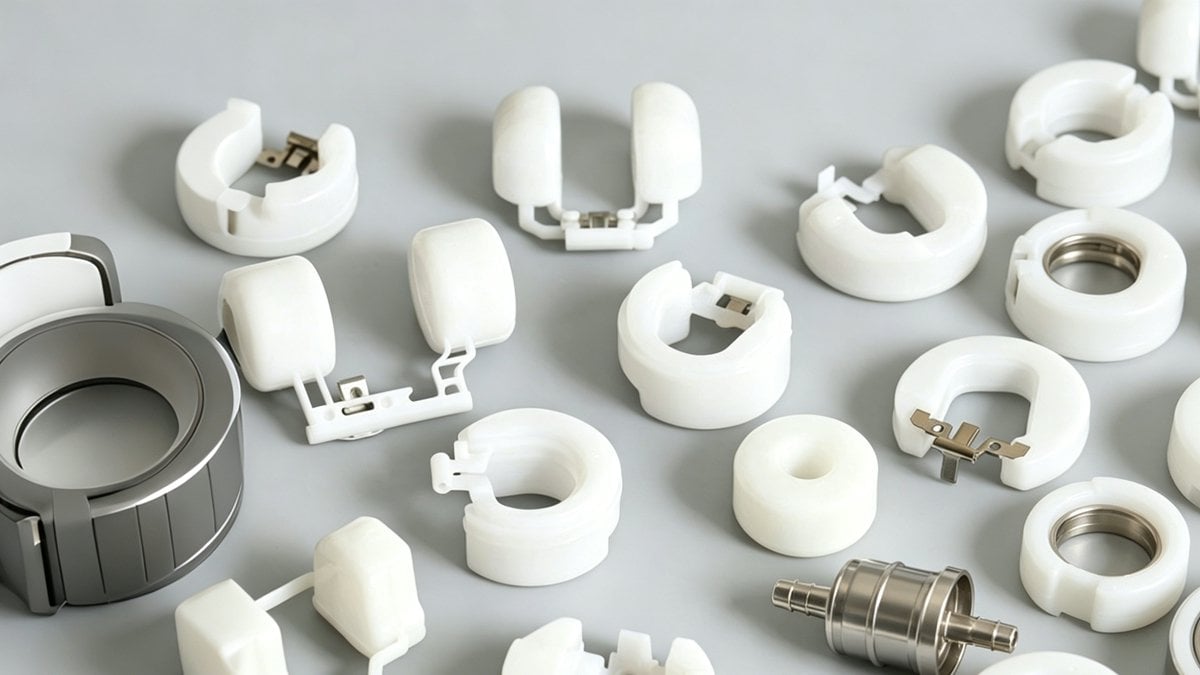
What is Precision Injection Molding?
Precision injection molding is a specialized manufacturing process designed to produce plastic parts with extremely high dimensional accuracy and tight tolerances. Unlike standard molding, where slight variances are acceptable, precision molding aims for near-perfect replication.
Key Characteristics:
- High Dimensional Accuracy: The primary focus is on maintaining strict tolerances.
- Complex Requirements: To achieve this, four critical conditions must be met:
- High-Quality Tooling: The mold must be made from superior materials with high rigidity. The cavity requires exceptional dimensional accuracy, surface finish, and precise positioning between template plates.
- Specialized Machinery: The use of dedicated precision injection molding machines is mandatory.
- Advanced Process Control: A highly controlled molding process is required to maintain stability.
- Specific Materials: Only materials suitable for precision stability are used.
Common Materials for Precision Molding:
- POM (Polyoxymethylene/Acetal)
- POM + CF (Carbon Fiber Reinforced)
- POM + GF (Glass Fiber Reinforced)
- PA (Polyamide/Nylon)
- FR PA66 (Flame Retardant/Glass Fiber Reinforced Nylon 66)
- PC (Polycarbonate)
The Challenge of Shrinkage: The most critical aspect of precision molding is controlling shrinkage to ensure dimensional accuracy. Engineers must account for and manage several types of shrinkage:
- Thermal Shrinkage
- Phase Change Shrinkage
- Orientation Shrinkage
- Compression Shrinkage
- Elastic Recovery
Note : Precision molding is often used for gears, medical components, and optical parts where a fraction of a millimeter can cause failure.
What is Standard Injection Molding?
Standard (or conventional) injection molding is the workhorse of the plastics industry. It is versatile, cost-effective, and suitable for a vast array of applications where ultra-high precision is not the primary concern.
Key Characteristics:
- Functional Tolerances: Dimensional accuracy is generally sufficient for assembly purposes but is not held to tight scientific standards.
- Aesthetic Focus: The primary requirement is often a high-quality appearance. Surface defects can often be rectified through secondary processes, such as spray painting (coating) or texturing.
- Equipment & Material Flexibility: This process does not require specialized precision machines. It can utilize a wide range of standard thermoplastic materials.
Due to its flexibility and lower cost, standard injection molding is widely used in modern plastic manufacturing for products like household appliances, toys, and general enclosures.
Quick Comparison: Precision vs. Standard
| Feature | Precision Injection Molding | Standard Injection Molding |
|---|---|---|
| Tolerance | Extremely Tight (Micron level) | General (Standard assembly fit) |
| Mold Quality | High Rigidity, High Polish, Precision Steel | Standard Steel, Focus on Surface Finish |
| Machinery | Specialized Precision Machines | Standard Injection Molding Machines |
| Key Challenge | Controlling Shrinkage & Warpage | Aesthetics & Cycle Time |
| Matériaux | POM, PA, PC, Reinforced Plastics | General Thermoplastics (PP, PE, ABS, etc.) |


 English
 French
 Dutch
Dutch German
 Japanese
 Korean