

Le monde du moulage par injection d'ABS est en pleine évolution. Êtes-vous prêt à vous plonger dans ses complexités ?
L'ABS (Acrylonitrile-Butadiène-Styrène) est largement utilisé dans diverses industries pour ses propriétés mécaniques et sa rentabilité. Ce guide donne un aperçu des propriétés des matériaux, de l'optimisation des processus et de la conception des moules afin d'améliorer l'efficacité de votre production.
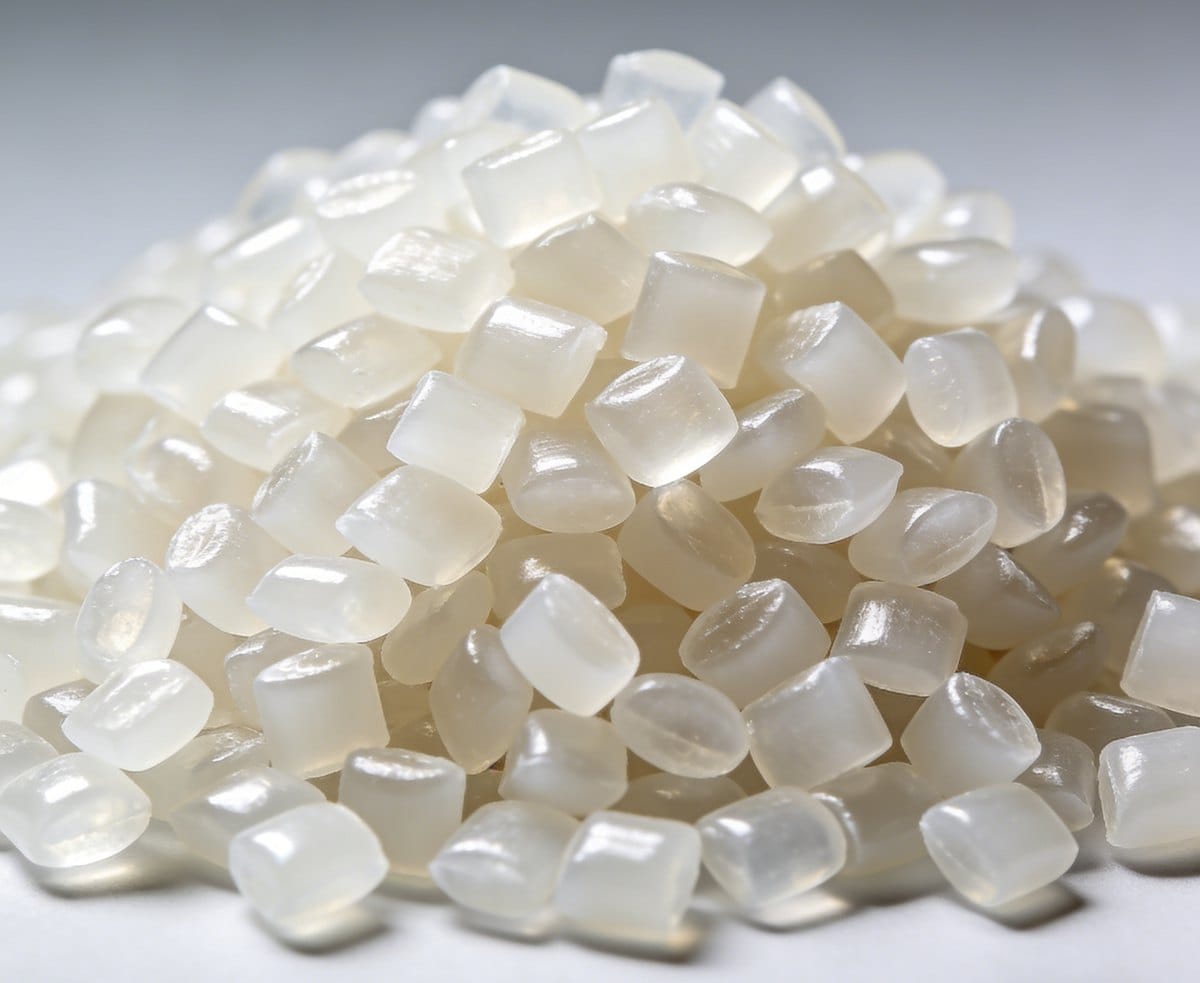
Pour mieux comprendre le moulage par injection d'ABS, il est essentiel de saisir les aspects fondamentaux de ce processus. De la sélection du bon matériau à la résolution des problèmes courants, le parcours du moulage en ABS peut être décourageant. Cependant, avec les bonnes connaissances, vous pouvez rationaliser votre production et améliorer la qualité de vos produits.
I. Propriétés du noyau et guide de sélection des matériaux pour l'ABS ?
L'ABS est plus qu'un simple plastique ; c'est un matériau polyvalent qui joue un rôle essentiel dans de nombreuses applications. Il est essentiel de comprendre ses avantages en termes de performances de base.
Avantages des performances de base
L'ABS est un copolymère unique composé de trois monomères. Chacun d'entre eux apporte des propriétés distinctes :
- Acrylonitrile (A): Confère rigidité et résistance à la chaleur.
- Butadiène (B): Il offre une résistance aux chocs et une élasticité qui rendent l'ABS moins cassant.
- Styrène (S): Garantit une excellente fluidité et un brillant de surface, facilitant la réalisation de moulages complexes.
Voici quelques paramètres clés de performance pour les ABS à usage général :
| Propriété | Valeur |
|---|---|
| Densité | 1,02-1,05 g/cm³ |
| Débit de fusion (220℃/10kg) | 1,5-30 g/10min |
| Résistance à la traction | 30-50 MPa |
| Résistance à l'impact (entaillé) | 10-50 kJ/m² |
| Température de distorsion thermique | 85-100℃ |
| Taux de rétraction du moule | 0.4%-0.8% |
Grades ABS communs et principes de sélection
L'ABS se décline en plusieurs qualités adaptées à des applications spécifiques. Le fait de savoir quel grade choisir peut faire une différence significative en termes de performances :
| Scénario d'application | Type de grade recommandé | Exigences clés |
|---|---|---|
| Boîtiers d'appareils ménagers (réfrigérateurs, machines à laver) | Usage général/brillant | Surface plane, résistante aux rayures, fluidité modérée |
| Pièces d'intérieur automobile (tableaux de bord, panneaux de porte) | Haute résistance aux chocs et à la chaleur | Résistance aux chocs à basse température ≥20 kJ/m², température de déformation thermique ≥90℃. |
| Boîtiers d'appareils électroniques (ordinateurs, routeurs) | Ignifugé (UL94 V0) | Conforme aux normes d'ignifugation, bonne stabilité dimensionnelle |
| Pièces structurelles (engrenages, supports) | Renforcé (renforcé de fibres de verre) | Résistance à la traction ≥60 MPa, grande rigidité, faible déformation |
| Dispositifs médicaux (boîtiers, accessoires) | Qualité médicale (conforme à la norme ISO 10993) | Sans odeur, résistant à la désinfection, bonne biocompatibilité |
Lors de la sélection des qualités d'ABS, évaluez les exigences mécaniques et environnementales du produit. En outre, vérifiez toujours la compatibilité en procédant à des essais en petites séries.
II. Optimisation des paramètres clés du processus de moulage par injection de l'ABS ?
L'optimisation des paramètres du processus est essentielle. Les bons réglages peuvent conduire à une production plus efficace et à des produits de meilleure qualité.
Technologie de prétraitement
L'ABS peut absorber l'humidité, ce qui peut entraîner des défauts. Voici les principaux paramètres de prétraitement :
- Température de séchage: 80-90℃
- Temps de séchageDurée de l'intervention : 2-4 heures
- Teneur en eau après séchage: ≤0.1%
Il est essentiel de stocker correctement les matériaux séchés. S'ils sont stockés pendant plus de 72 heures, il est indispensable de les sécher à nouveau.
Paramètres de température du moulage par injection
La température influe sur la fluidité de l'ABS. Ajustez les températures en fonction de la fluidité :
| Zone de température | Plage de température recommandée (℃) | Principes d'ajustement |
|---|---|---|
| Baril avant | 180-200 | Légèrement plus bas que la partie centrale pour éviter la dégradation |
| Tonneau du milieu | 200-220 | Assurer la fonte complète des matières premières |
| Tonneau arrière | 160-180 | Préchauffe les matières premières, réduisant le couple de la vis |
| Température de la buse | 200-210 | Plus haut que la partie centrale pour éviter la solidification |
| Température du moule | 40-80℃ | 60-80℃ pour les produits très brillants, 40-60℃ pour la rigidité. |
Ajustez les températures en fonction des problèmes liés au produit. Par exemple, si le produit est peu brillant ou présente des lignes de soudure, augmentez la température de la partie centrale.
Pression et vitesse d'injection
- Pression d'injection: Recommandé 80-120 MPa. Ajustez en fonction de l'épaisseur de la pièce.
- Vitesse d'injection: Recommandé 30-80 mm/s avec contrôle de l'étape pour réduire les bulles et le stress.
Pression de maintien et processus de refroidissement
- Pression de maintien: 50%-70% de la pression d'injection.
- Temps de refroidissement: 15-30 secondes, à ajuster en fonction de l'épaisseur de la paroi.

III. Points clés pour la conception d'un moule d'injection d'ABS ?
La conception correcte du moule est cruciale pour une production réussie. Passons en revue les éléments essentiels.
Conception de la cavité et du noyau
- Taux de rétraction du moule: Conception à 0,5%-0,7%.
- Angle de tirant d'eau: Recommandé 1°-3°.
- Conception des congés: Définissez des congés de R0,5 à R2,0 mm pour réduire les contraintes.
Conception de la porte
Le choix du bon type de portail est crucial pour le remplissage :
- Petits produits : Les barrières à broches pour des marques minimales.
- Produits de grande taille : Portes de bord ou en éventail pour un remplissage uniforme.
Conception du système de ventilation
Une bonne ventilation permet d'éviter les défauts. Voici ce qu'il faut prendre en compte :
- Placez les évents là où la fonte se remplit en dernier.
- Veillez à ce que les dimensions soient appropriées pour une ventilation en douceur.
Conception du système de refroidissement
Un refroidissement adéquat est vital pour l'intégrité du produit :
- Répartissez uniformément les canaux d'eau.
- Utilisez des canaux de refroidissement conformes pour les formes irrégulières.
IV. Défauts courants et solutions dans le moulage par injection de l'ABS ?
L'identification précoce des défauts permet de gagner du temps et d'économiser des ressources. Voici un tableau résumant les problèmes les plus courants et leurs solutions :
| Type de défaut | Causes | Solutions |
|---|---|---|
| Traces et bulles d'argent en surface | Humidité excessive dans les matières premières, vitesse d'injection trop rapide | 1. Prolonger le temps de séchage ; 2. réduire la température du tonneau ; 3. ralentir la vitesse d'injection. |
| Lignes de soudure évidentes | Fluidité insuffisante, température de moulage basse | 1. Augmenter les températures du tonneau et du moule ; 2. optimiser la position de l'opercule ; 3. placer des rainures d'aération à l'emplacement des lignes de soudure. |
| Marques de rétrécissement du produit | Pression de maintien insuffisante, refroidissement inégal | 1. Augmenter la pression de maintien ; 2. optimiser le système de refroidissement ; 3. ajuster la température du moule. |
| Rayures de surface/Difficultés de démoulage | Angle de dépouille insuffisant, surface du moule rugueuse | 1. Augmenter l'angle de dépouille ; 2. polir la cavité du moule ; 3. utiliser un agent de démoulage spécifique à l'ABS. |
| Écart dimensionnel excessif | Réglage incorrect du taux de retrait du moule, pression de maintien instable | 1. Régler le taux de rétraction ; 2. stabiliser la température du moule ; 3. inspecter le système de contrôle de la pression. |
| Jaunissement/dégradation du produit | Température excessivement élevée, matières premières contaminées | 1. Réduire la température ; 2. nettoyer le cylindre et la buse ; 3. remplacer les matières premières. |
V. Technologie de post-traitement pour le moulage par injection de l'ABS ?
Une fois le moulage terminé, certaines étapes de post-traitement permettent d'améliorer le produit.
Traitement anti-stress
Pour éviter les fissures, utilisez un traitement anti-stress :
- Température: 60-80℃
- L'heureLes heures d'ouverture sont de 2 à 4 heures.
Traitement de surface
Choisissez les traitements de surface en fonction des besoins du produit :
- Peinture: Pour la brillance et la résistance à la corrosion.
- Placage électrolytique: Pour l'esthétique.
- Sérigraphie: Pour l'image de marque.
- Soudage par ultrasons: Pour l'assemblage.

VI. Scénarios et cas d'application du moulage par injection de l'ABS ?
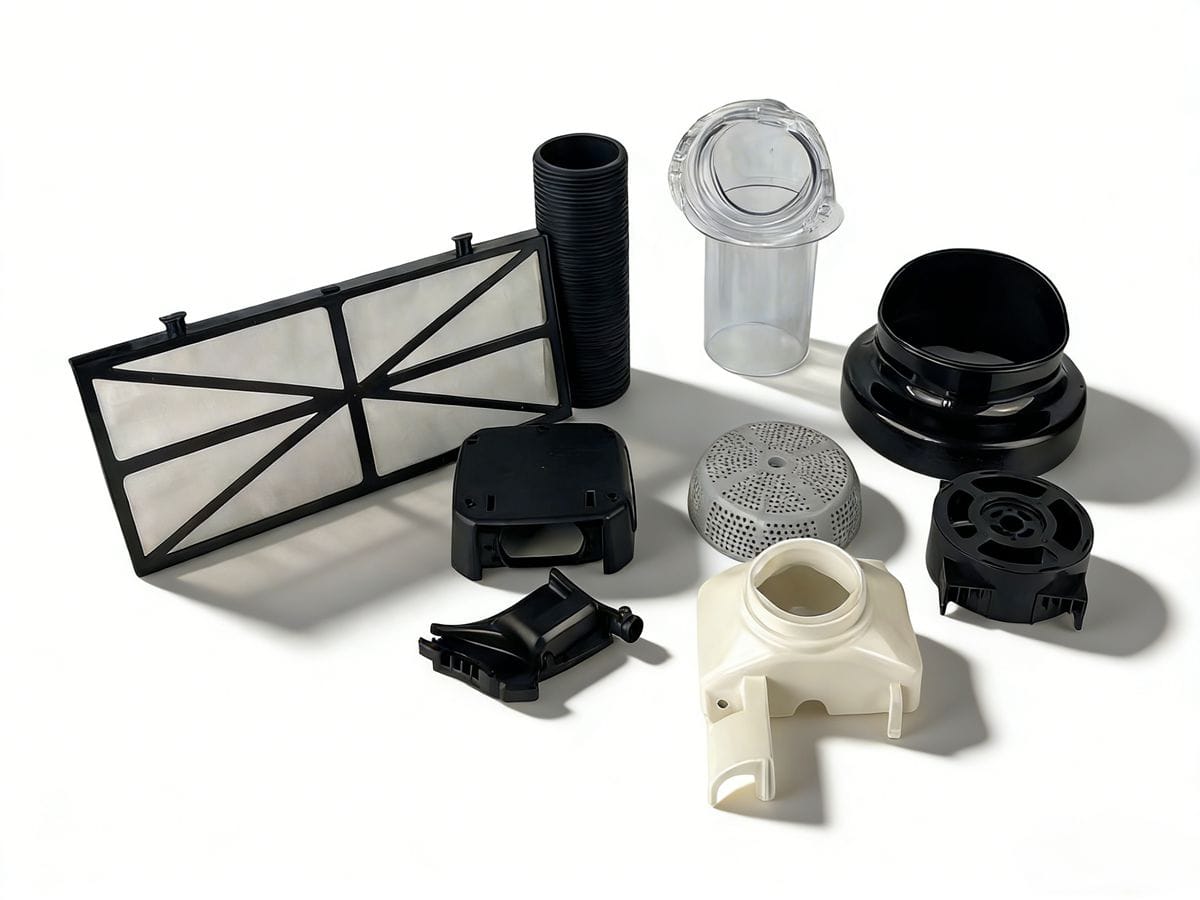
La polyvalence de l'ABS lui permet d'être utilisé dans de nombreuses industries. Voici quelques domaines clés et une étude de cas typique.
Principaux domaines d'application
- Appareils ménagers: Les boîtiers qui nécessitent des surfaces planes et de la durabilité.
- Industrie automobile: Pièces nécessitant une résistance élevée aux chocs.
- Électronique: Cas avec une grande précision dimensionnelle.
- Dispositifs médicaux: Produits non toxiques et résistants aux désinfectants.
- Industrie du jouet: Matériaux sûrs et durables.
Cas typique : Pièces intérieures de panneaux de portes d'automobiles
- Exigences: Grande résistance aux chocs et absence de défauts visibles.
- Matériau: ABS résistant à la chaleur et à l'impact.
- Processus: Des températures et des pressions spécifiques pour des performances optimales.
- Effet de production: Taux de qualification élevé et temps de cycle efficaces.
VII. Précautions et spécifications de sécurité pour le moulage par injection de l'ABS ?
La compréhension de la sécurité est cruciale dans le traitement de l'APA. Voici quelques points importants à prendre en compte :
- Stockage des matières premières: Conserver dans un endroit frais et sec.
- Sécurité des procédés: Surveillez les températures pour éviter toute dégradation.
- Conformité environnementale: Limiter les ratios de matériaux recyclés.
- Maintenance des équipements: Nettoyer et inspecter régulièrement les machines.
Conclusion
Le moulage par injection d'ABS est un processus complexe mais gratifiant. Avec les connaissances et les pratiques adéquates, vous pouvez améliorer la qualité du produit et l'efficacité de la production.

 English
 French
 Dutch
Dutch German