 Français



Moulage par injection
Accueil
Moulage par injection

Struggling with PVDF molding defects? High costs and failed parts are frustrating. Master the right parameters and design to ensure success from the very first trial. PVDF injection molding requires high temperatures (220-260°C melt, 80-120°C mold), high pressure, and specific mold designs…
 Alex Yu
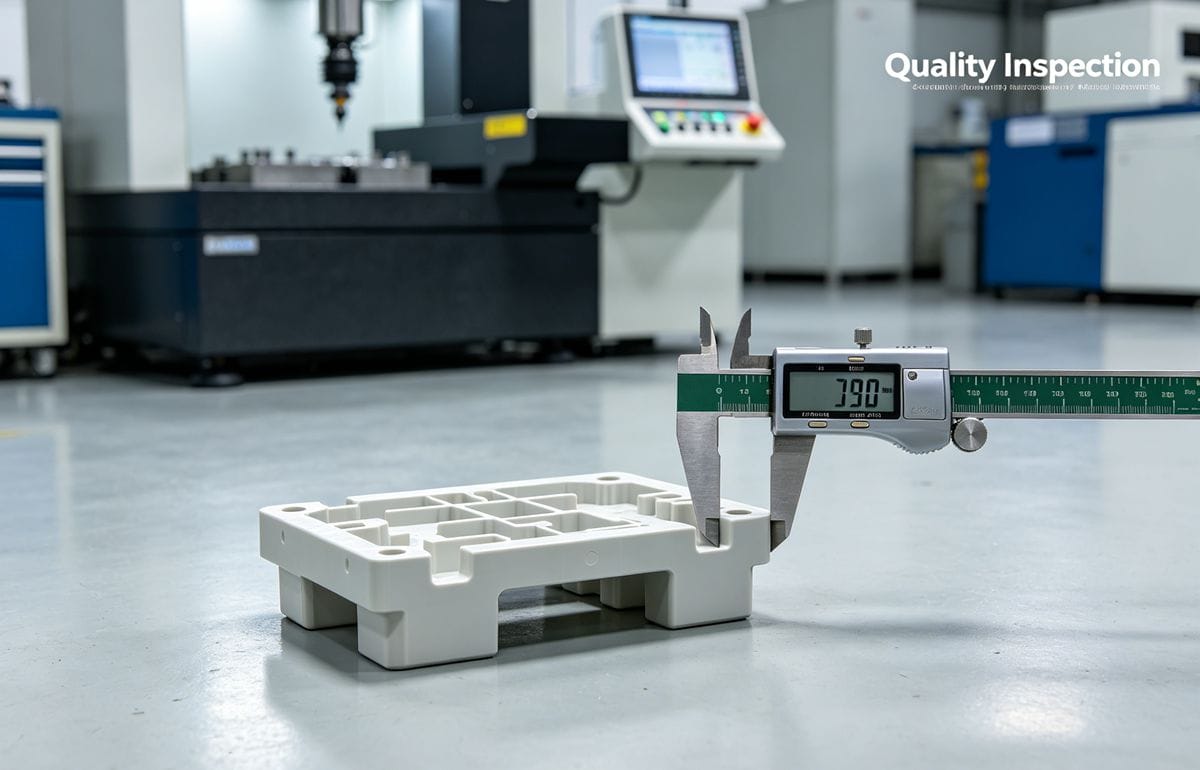
Dimensional inconsistency is the most persistent headache in injection molding. Whether it’s undersized shrinkage, oversized flash, batch-to-batch drift, or post-molding warpage, many workshops find themselves constantly tweaking machines and testing molds without ever achieving true stability. The biggest mistake operators make? Chasing…
Alex Yu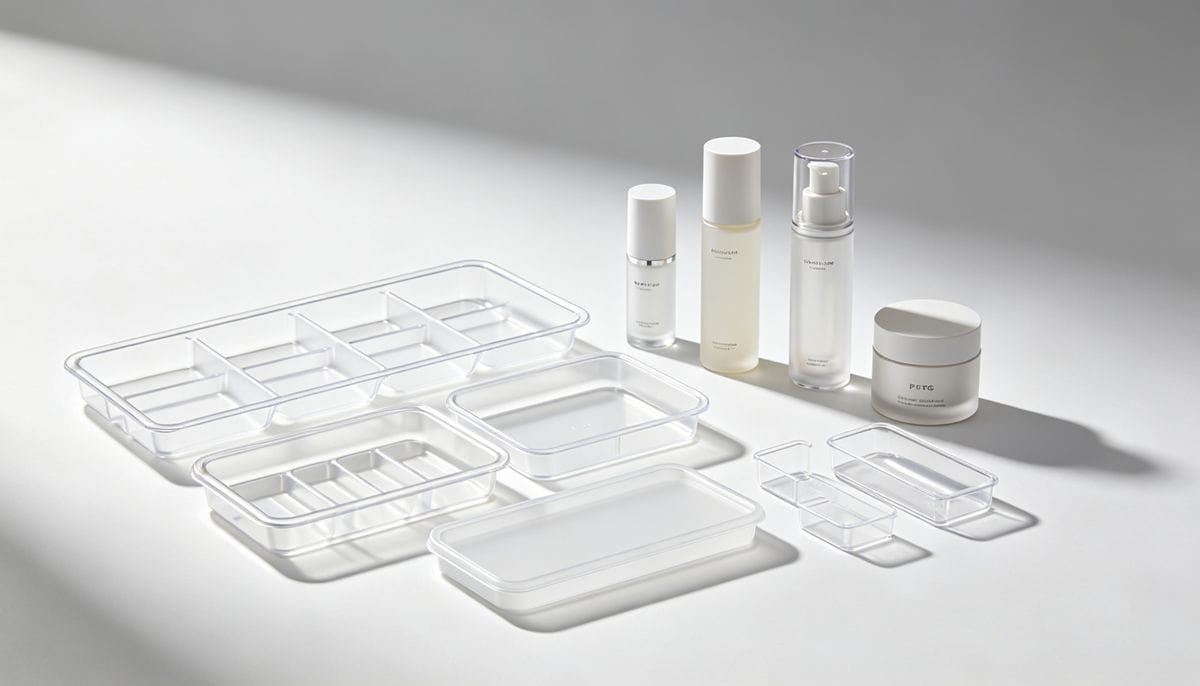
Struggling with PETG defects like flash and bubbles? You keep adjusting parameters, but nothing seems to work. This guide reveals the real culprits and how to finally fix them. Mastering PETG involves strict moisture control (drying below 0.04%), precise temperature management (220-260°C…
Alex Yu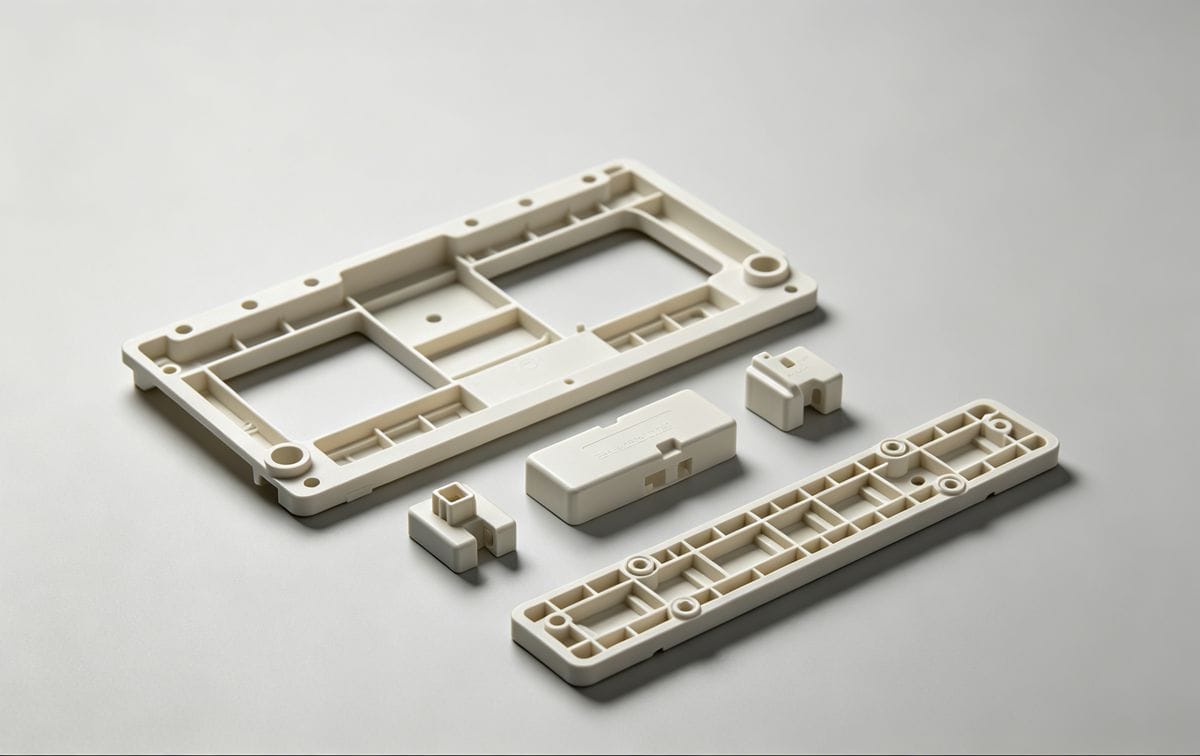
Struggling with outdoor plastic parts that yellow and crack? You need a material that lasts, but finding one that is also easy to process can be a major headache. Acrylonitrile Styrene Acrylate (ASA) is a weather-resistant thermoplastic ideal for outdoor applications, replacing…
Alex Yu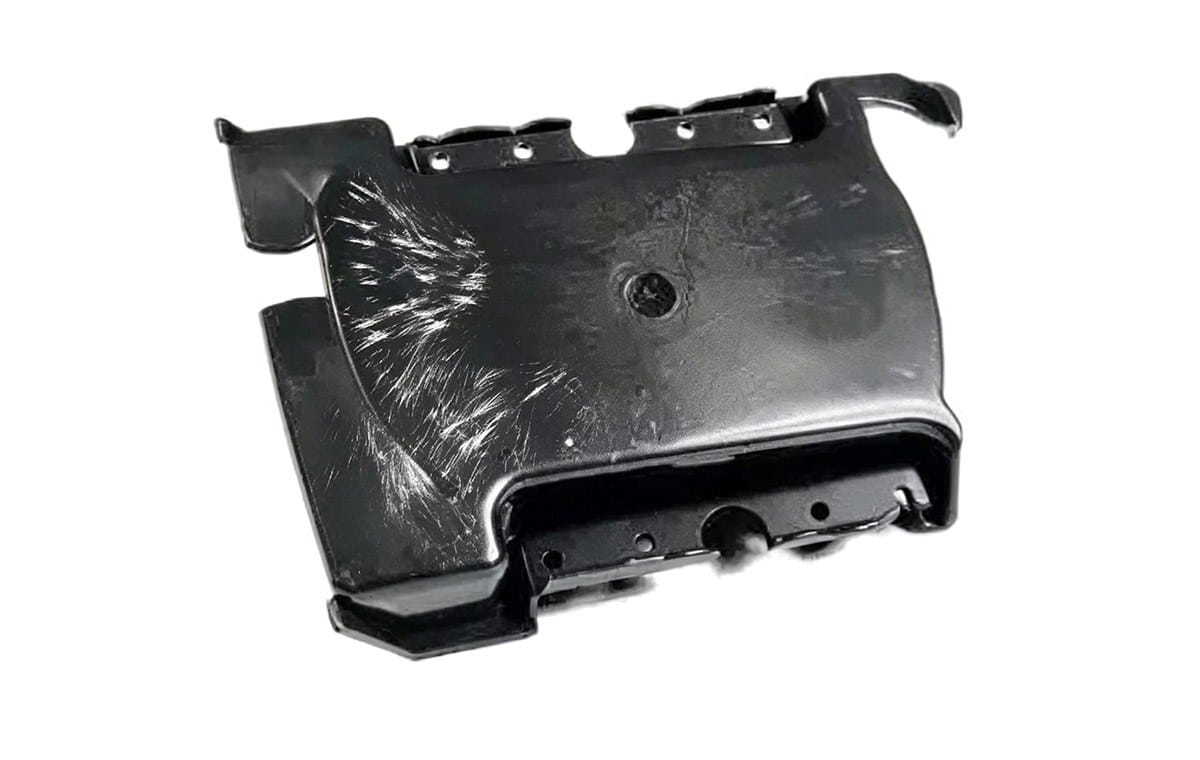
Introduction Silver streaks – also known as silver lines or splay marks – are among the most common surface defects in injection molding. They typically appear as shiny, silvery streaks along the flow direction, indicating gas entrapment or material degradation. The primary…
Alex Yu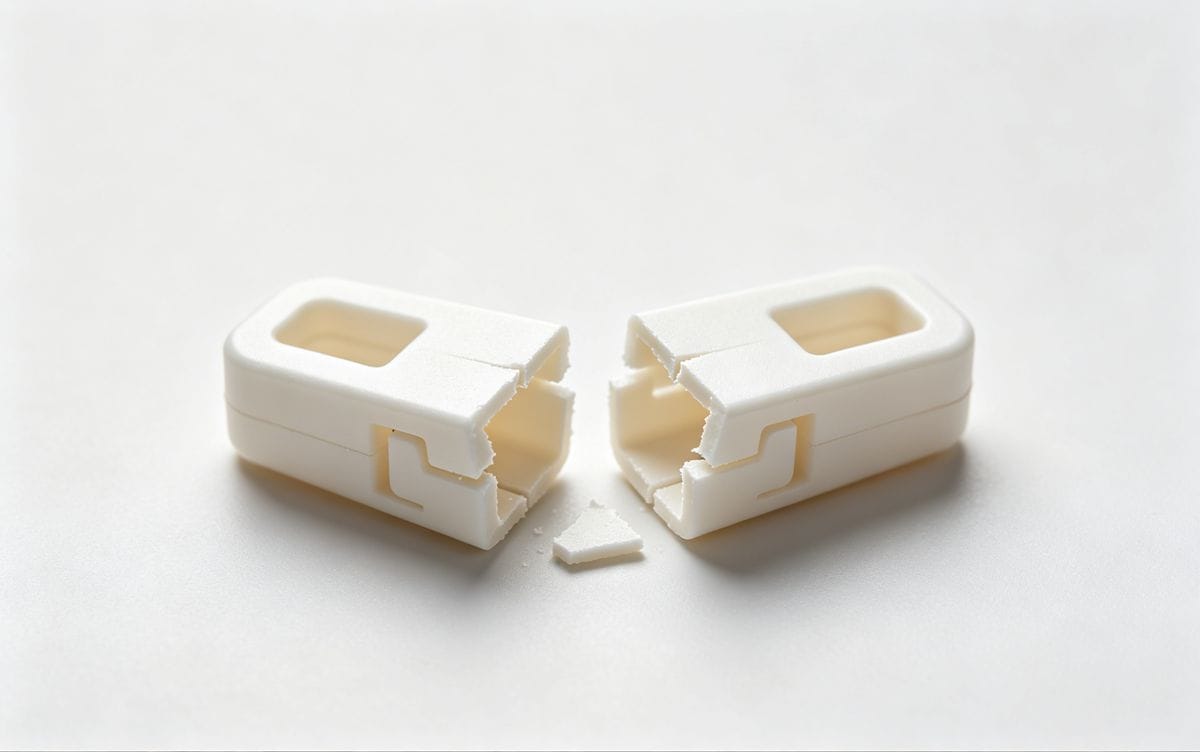
Introduction: When Toughness Fails In injection molding production, brittleness is a critical failure mode where the polymer chains lose their ability to absorb energy, leading to catastrophic fractures under low stress. Unlike standard cracking, brittle parts often snap cleanly during assembly (snap-fits),…
Alex Yu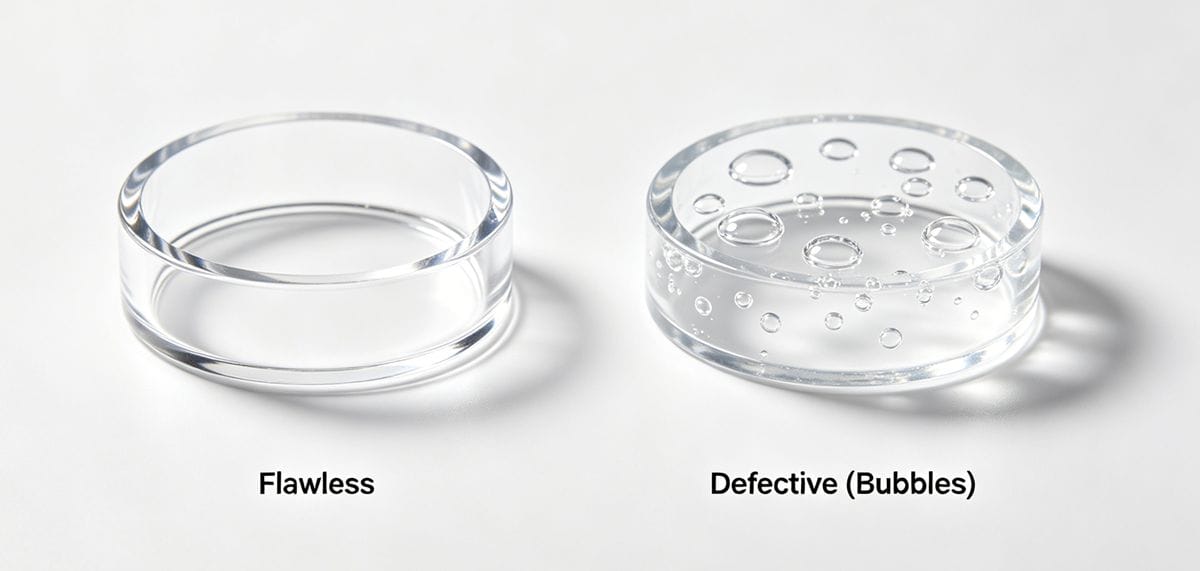
Introduction Bubble formation is one of the most severe and common defects in Polycarbonate (PC) plastic injection molding. Because PC is widely used for transparent applications, any surface defect—such as bubbles, fogging, or black spots—is unacceptable. Achieving a flawless finish requires strict…
Alex Yu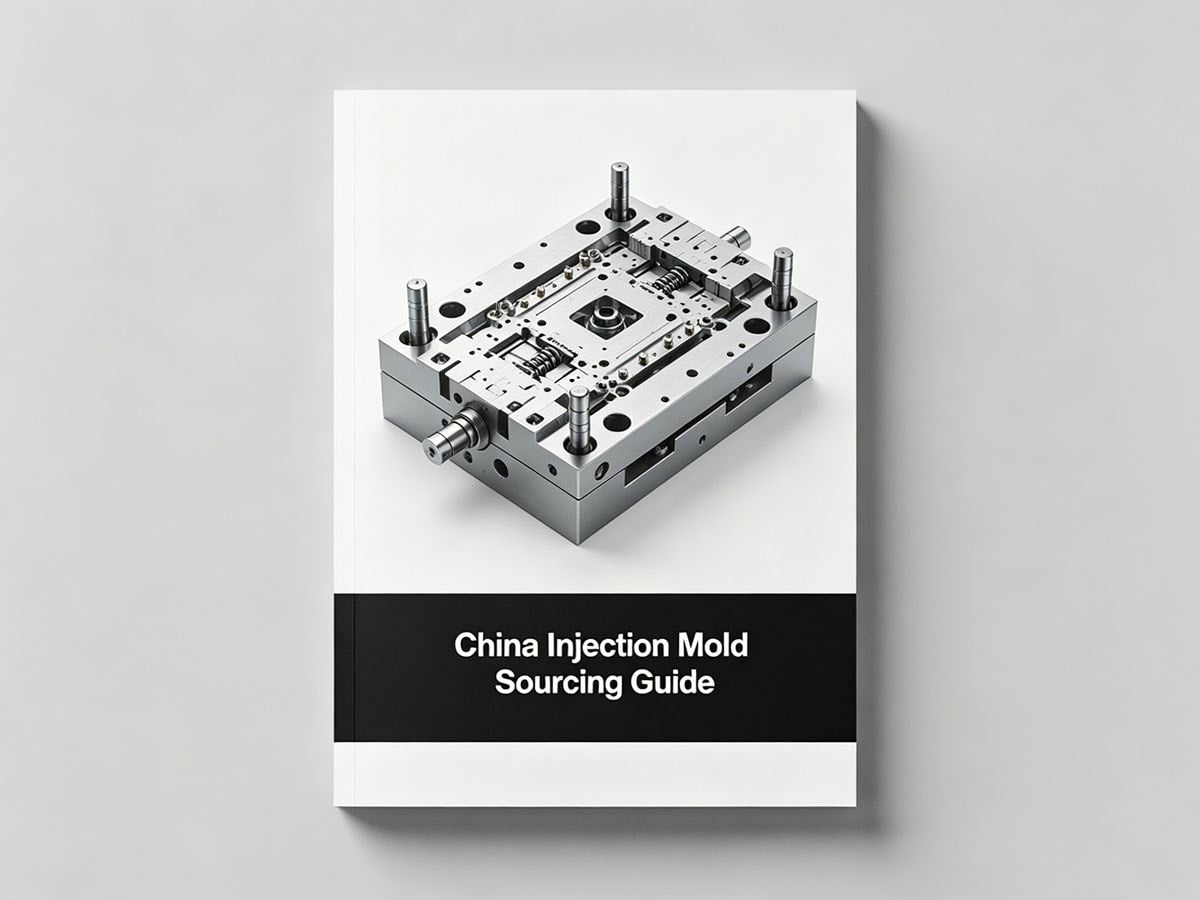
Sourcing injection molds in China can feel overwhelming. Between navigating the market, vetting suppliers, and ensuring quality control, it’s easy to overlook critical steps. Here’s how to simplify it. To source injection molds from China successfully, understand the market, prepare detailed specifications,…
Alex Yu
Gas-Assisted Injection Molding (GAIM) is a revolutionary manufacturing process that offers superior aesthetics, significant material savings, shorter cycle times, and reduced internal stress. However, because GAIM is a relatively advanced technology, it can be challenging to master. Inexperienced operators often face a…
Alex Yu English English
 French
 Dutch
 German
 Japanese
 Korean