Français




Outillage de moulage par injection
Build the foundation for flawless parts. Custom aluminium or steel molds with tight tolerances (±0.02 mm) and free mold flow analysis, engineered so a soft tool can later grow into a production tool.
Prove the design before you commit to it. Get production-grade molded parts in runs of 100 to 10,000 from rapid aluminium and soft-steel tooling—no minimum order quantity, no hardened steel tooling budget, and no guesswork.


Instant pricing for short-run molded parts
Déposez votre fichier CAO ici, ou Cliquez ici pour parcourir ÉTAPESTPIGESSTLOBJ3MFSATSLDPRTX_T Téléchargez vos fichiers CAO pour obtenir un devis immédiatReconnu par les ingénieurs et les responsables des achats du monde entier







Depuis plus de 20 ans, IDEAL PRO Manufacturing a mené à bien plus de 3 000 projets de moulage par injection avec un taux de respect des délais de 99,81 %, transformant ainsi des concepts complexes en produits prêts à la production pour plus de 1 000 clients à travers le monde.

Low-volume injection molding is the short-run side of the process: production-grade plastic parts molded in quantities from roughly 100 to 10,000 using rapid tooling—usually aluminium or soft steel—instead of a hardened, multi-cavity production mold. Because the tool is faster and far cheaper to build, the upfront investment drops and the lead time collapses, while the parts still come off a real injection molding press in the resin you specified.
At IDEAL PRO Manufacturing we treat low volume as a deliberate stage rather than a compromise. The same DFM discipline, process monitoring and metrology we apply to million-part programs are applied to your pilot run, so the parts you validate today are the parts you scale tomorrow—same material, same tooling strategy, no re-qualification cliff between prototype and production.
Low-volume molding earns its place whenever the cost of tooling would otherwise outrun the value of the order. These are the three situations where it pays for itself fastest.
Put real molded parts in front of real customers, distributors or certification bodies before you commit to production tooling. You validate fit, feel and function in the actual material, then scale the same design into a hardened mold only once the demand is proven.
Aluminium and P20 tools remove the biggest line item in a molding quote. You avoid hardened multi-cavity tooling, shorten the path to first parts, and keep the budget available for the design and market work that actually de-risks the launch.
When the mass-production mold is still being cut but the order book is already moving, a soft tool keeps shipments flowing. The same CAD, the same resin and the same quality gates carry into your hard tool, so nothing has to be re-approved.
Our low-volume network runs presses from 90 to 830 tons with dedicated project engineers, so a pilot order, a bridge batch and a small production run all move through the same controlled process—one point of contact, one quality standard, from the first article to the last carton.
Low volume is rarely the whole story. Most programs pair a short-run molding order with tooling work or with a second molding technique, so we keep those capabilities under one roof and one project manager—no hand-offs, no re-quoting, no re-learning your part.
Build the foundation for flawless parts. Custom aluminium or steel molds with tight tolerances (±0.02 mm) and free mold flow analysis, engineered so a soft tool can later grow into a production tool.

Create integrated, multi-material assemblies. Bond a soft or coloured polymer over a substrate to add grip, sealing or visual contrast, and remove secondary assembly steps from a short-run build.
Encapsulate and protect critical components. Embed metal inserts, fasteners or electronics during the molding cycle so a low-volume part arrives ready to assemble, with no post-molding fastening.
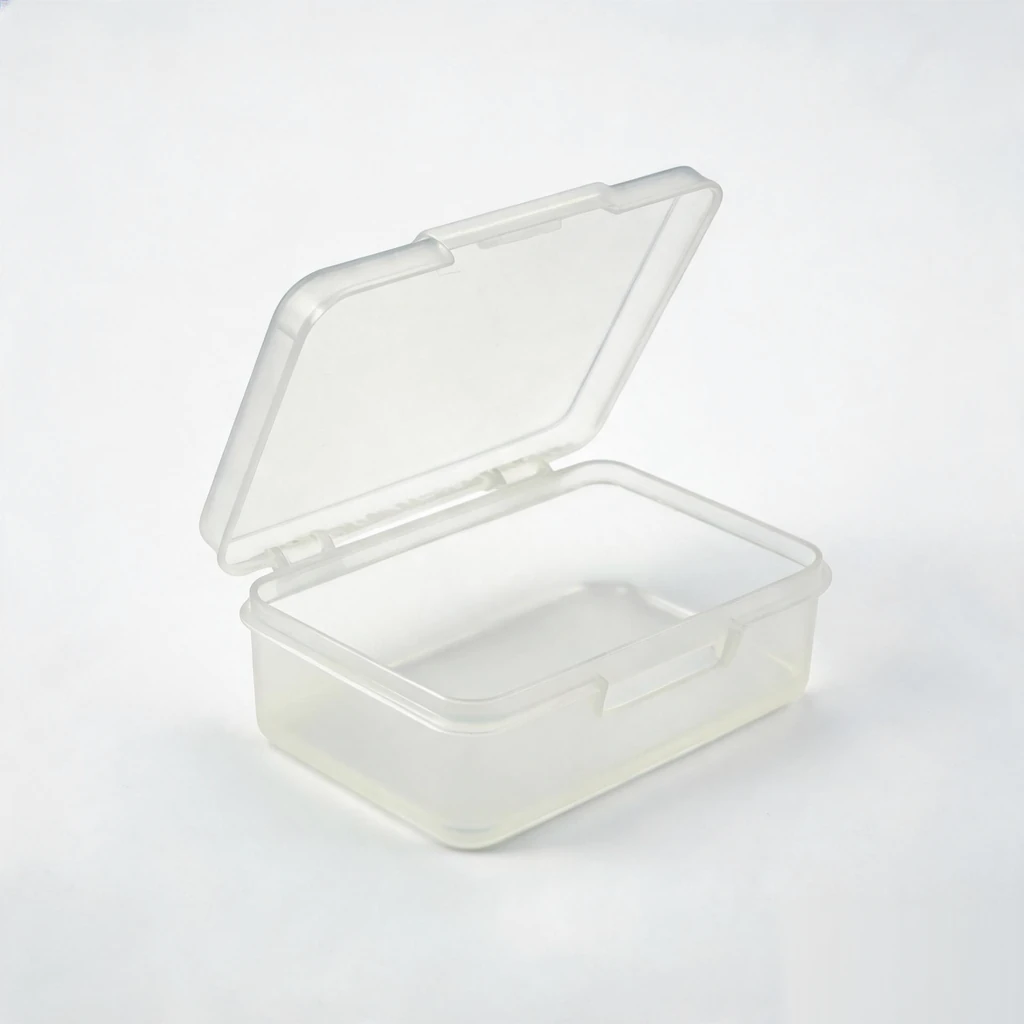
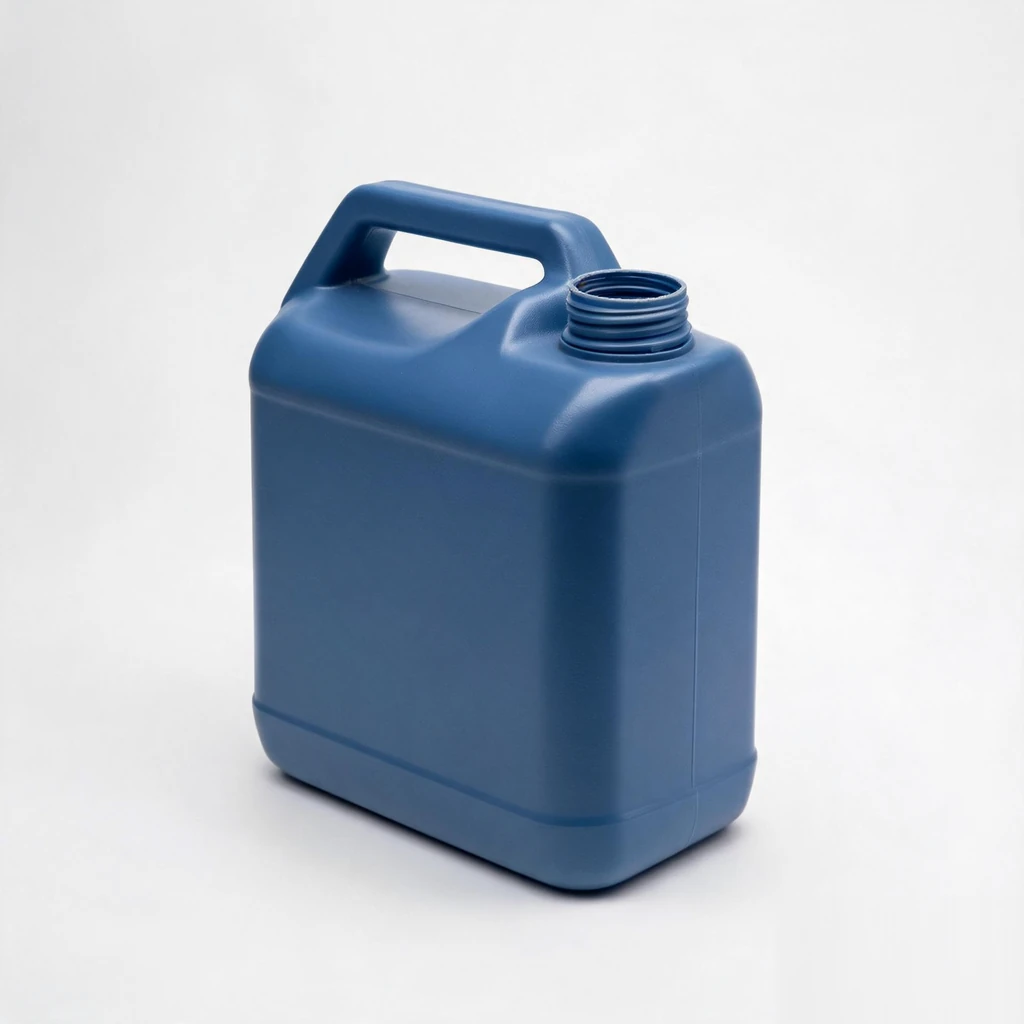
Production-grade components we routinely mold in short runs—from functional brackets and housings to moulded connectors and medical-grade parts. Every one of them started as a customer CAD file and a DFM review.
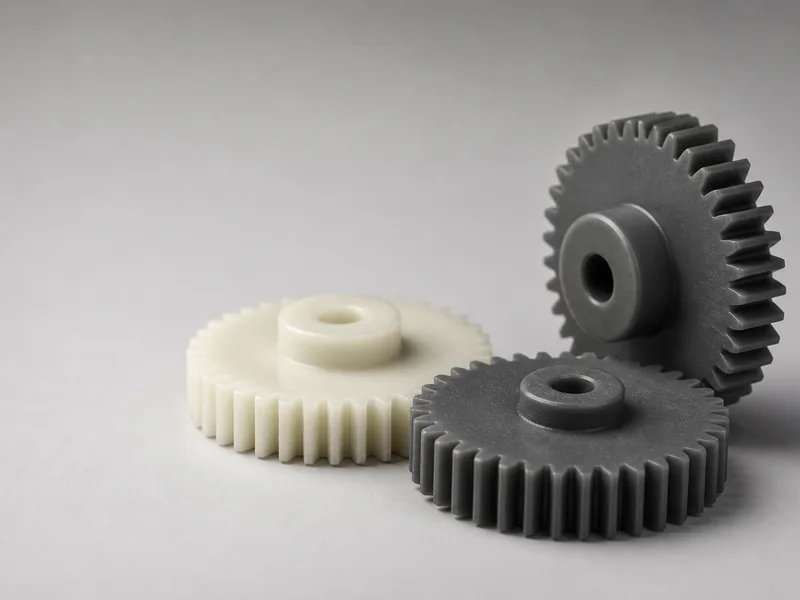
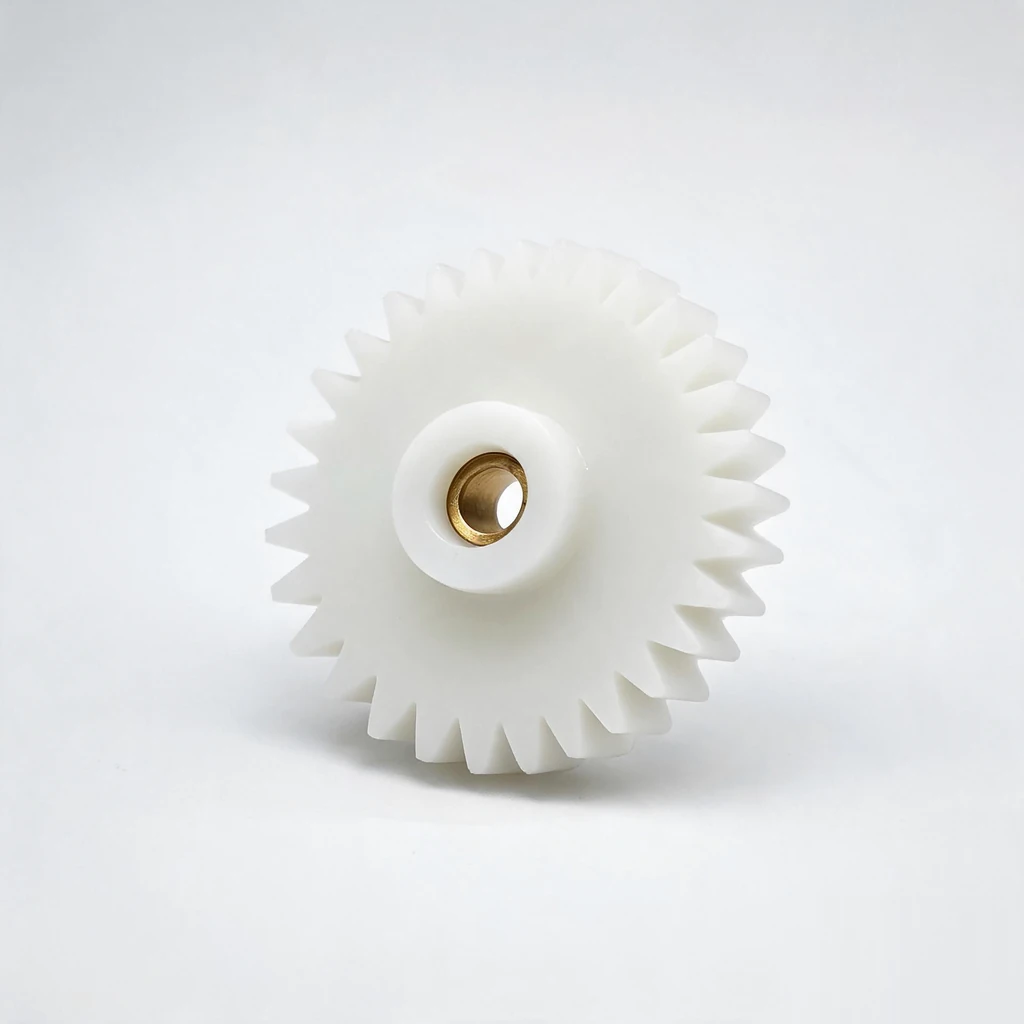
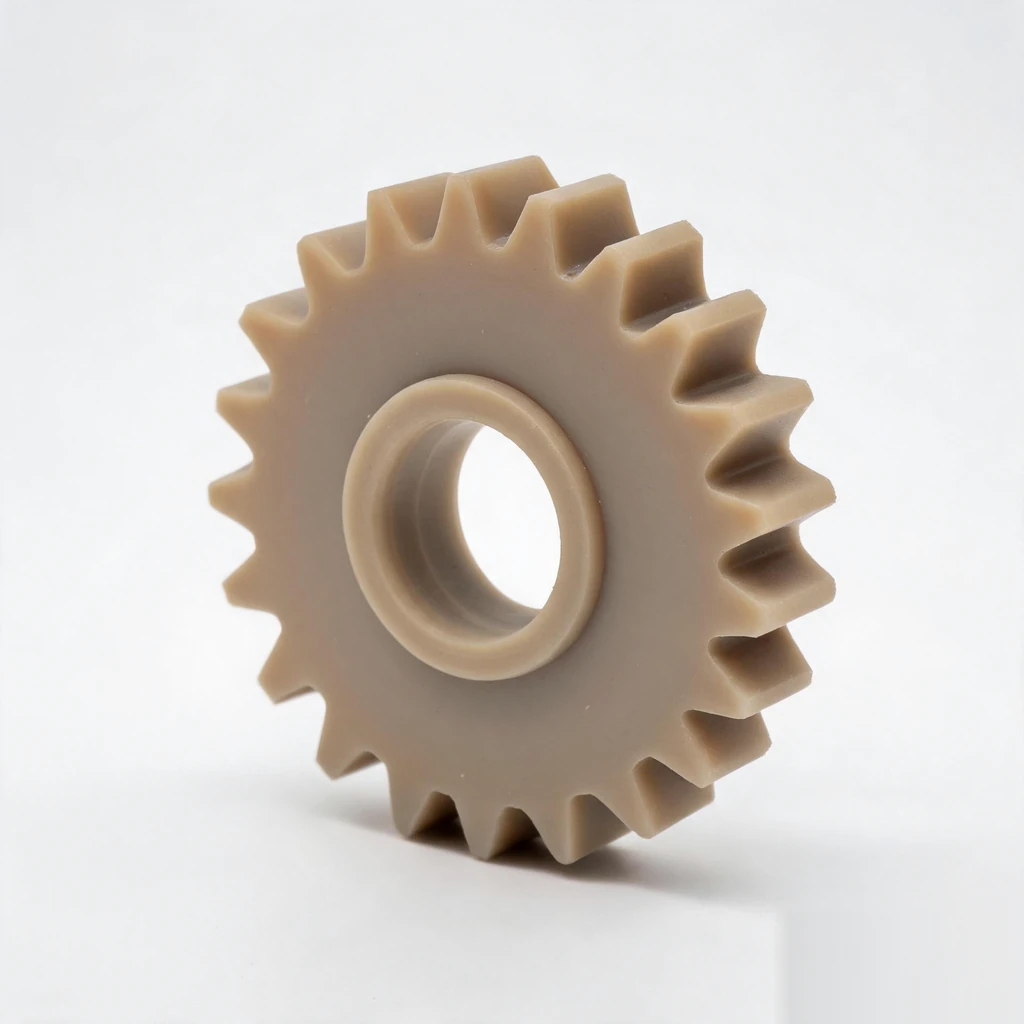
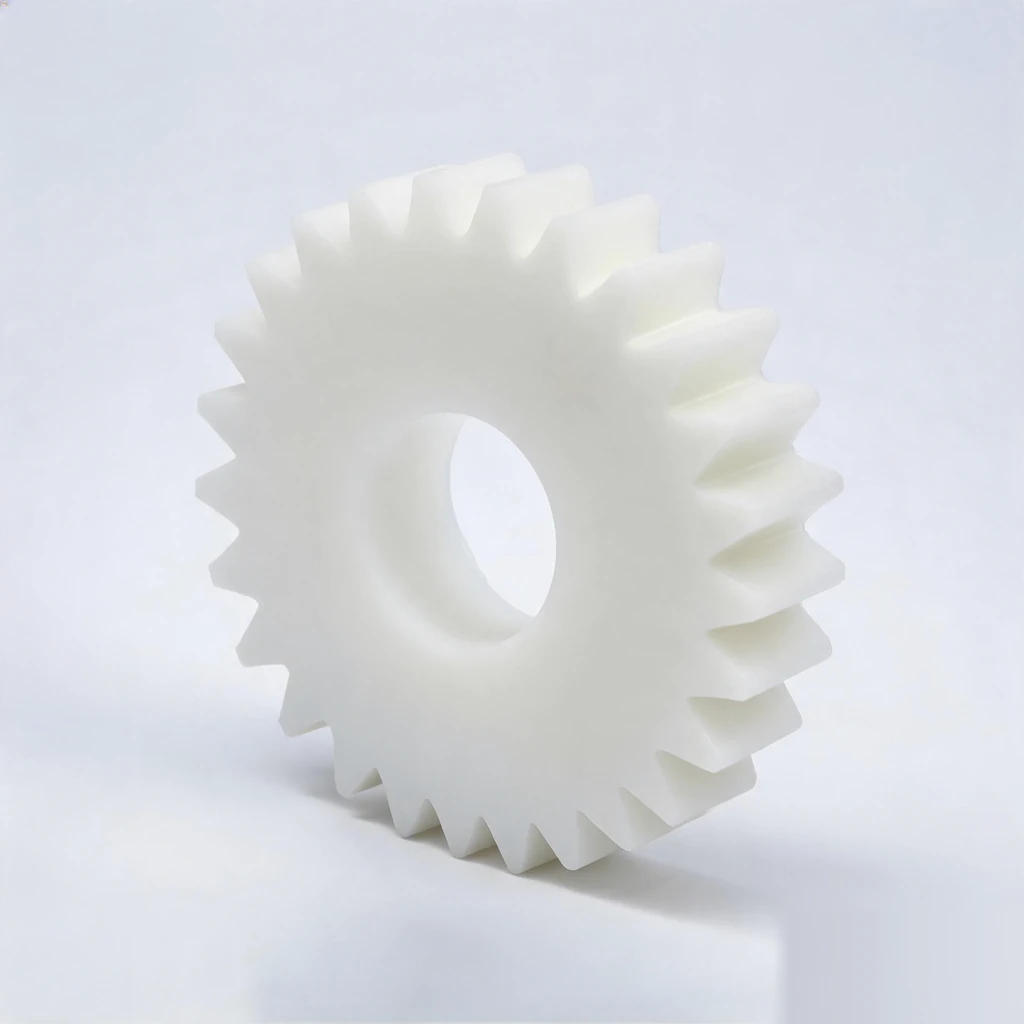
POM and glass-filled nylon gears molded with tooth geometry and bore accuracy held across the run.
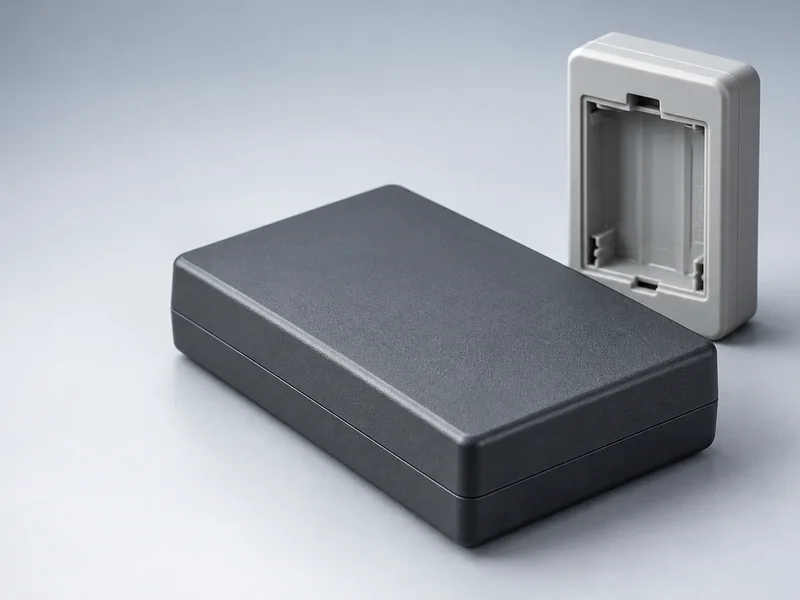
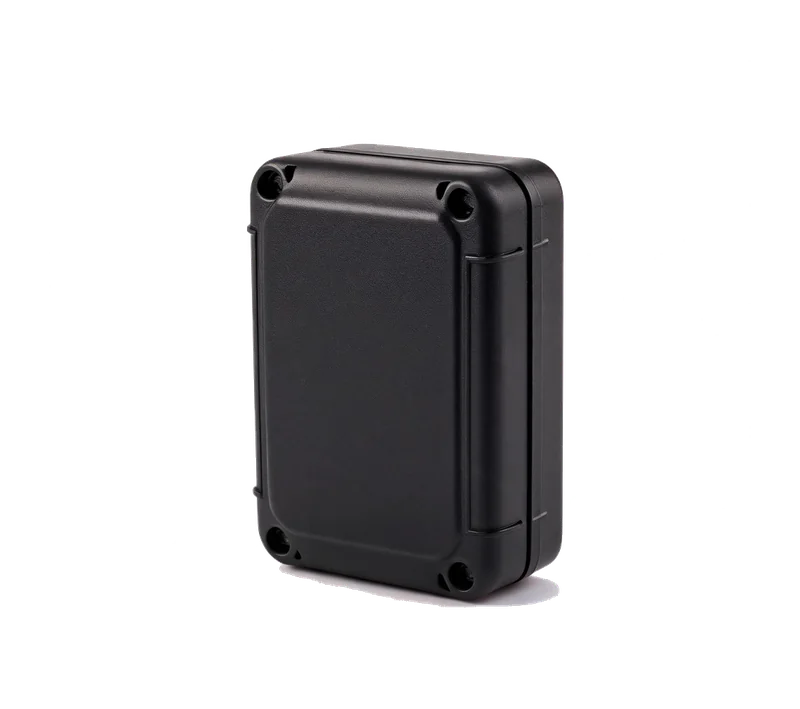
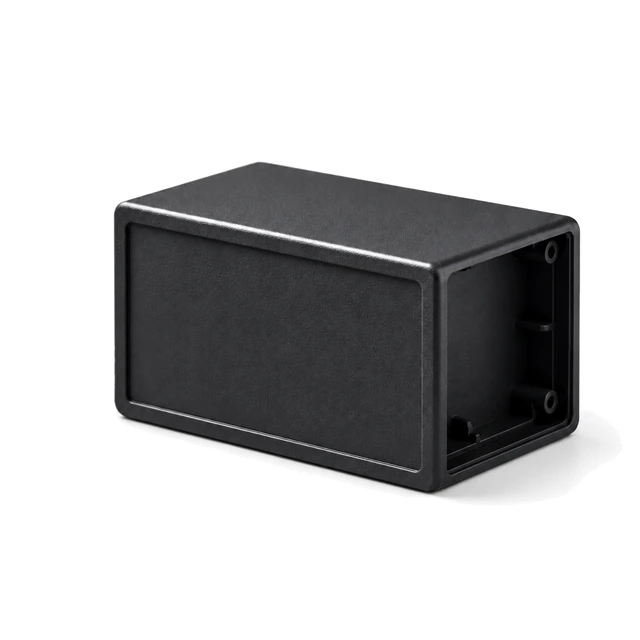
ABS and PC-ABS enclosures with molded texture, snap features and consistent wall stock for pilot builds.
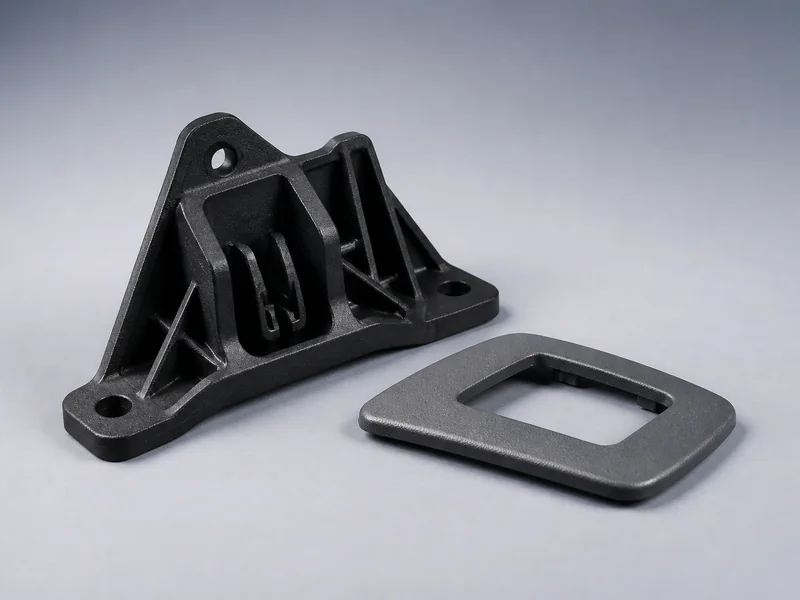
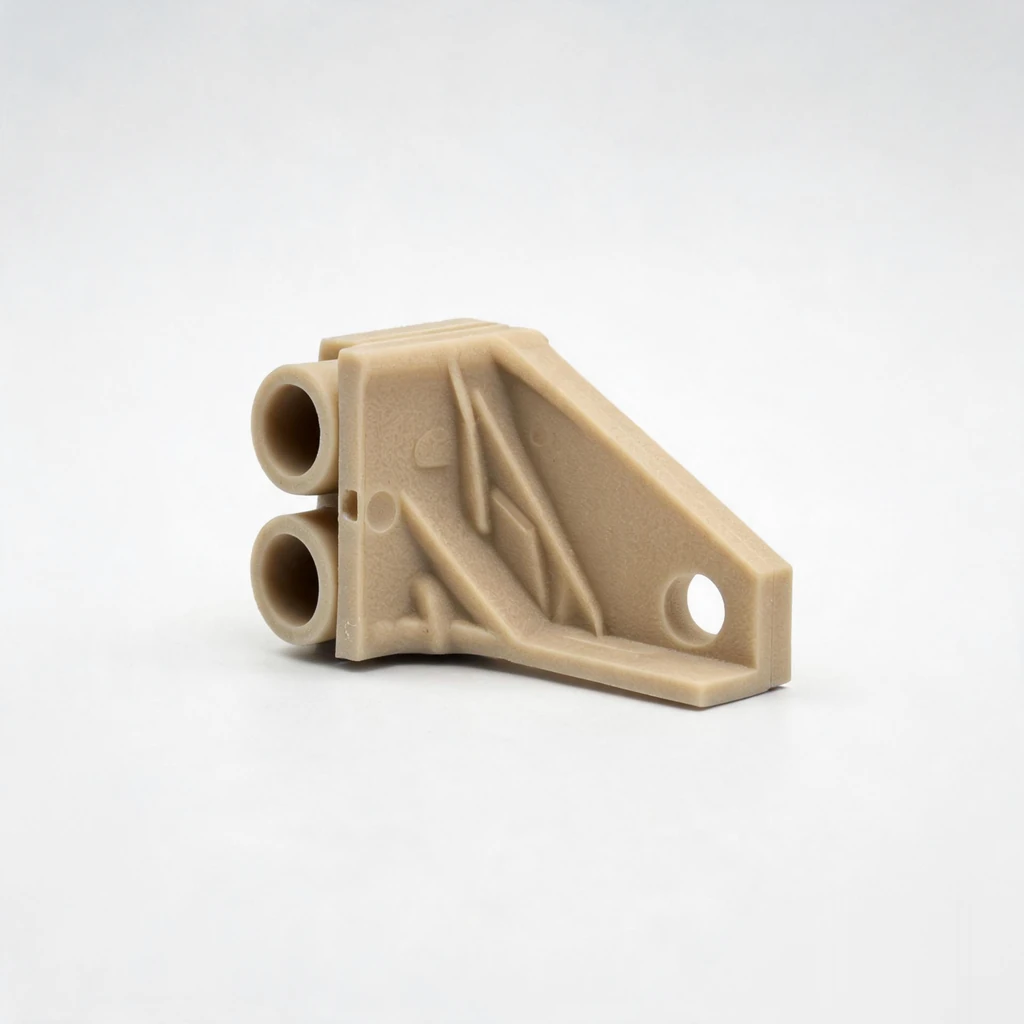
Ribbed brackets and grained trim parts for prototype vehicles and validation fleets.
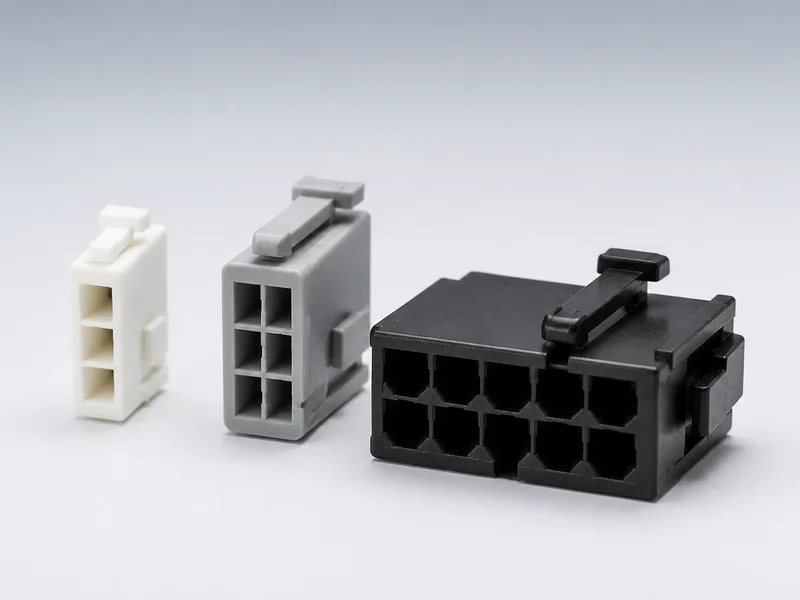
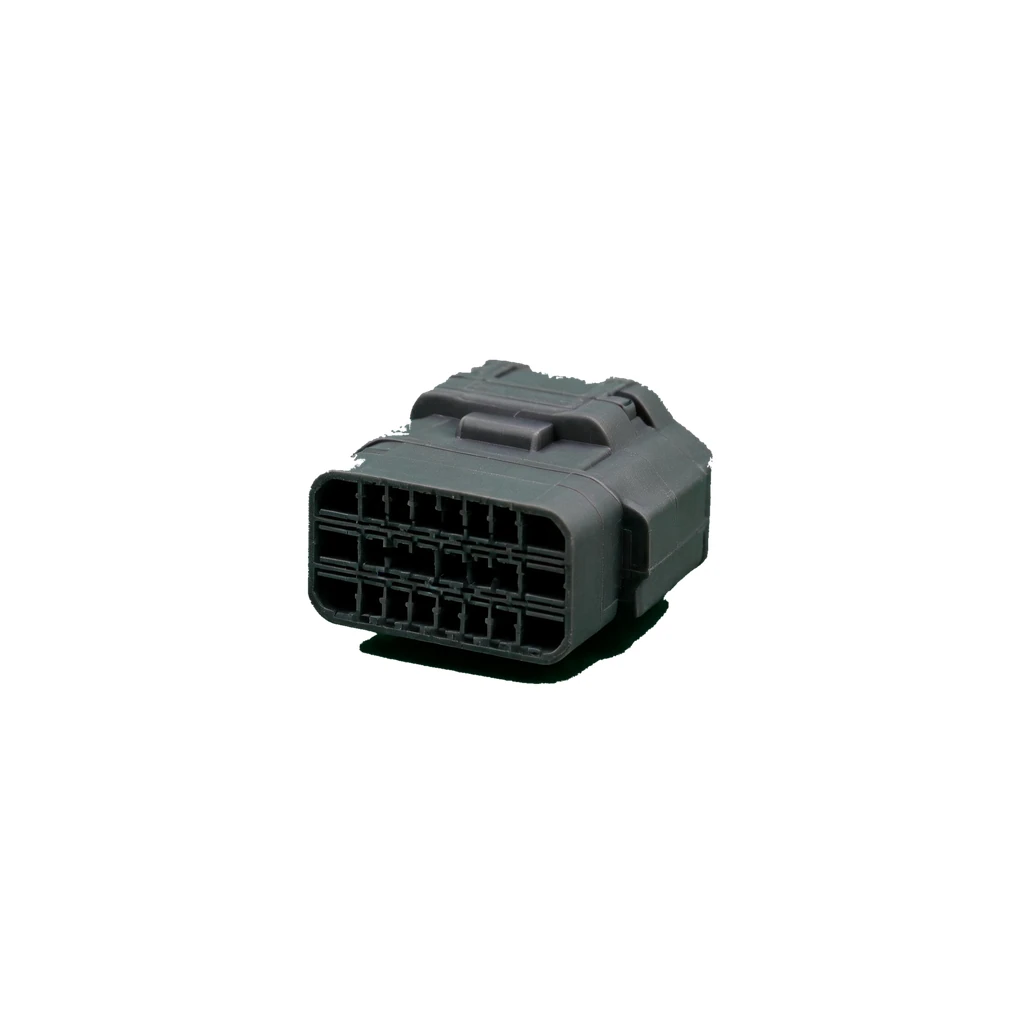
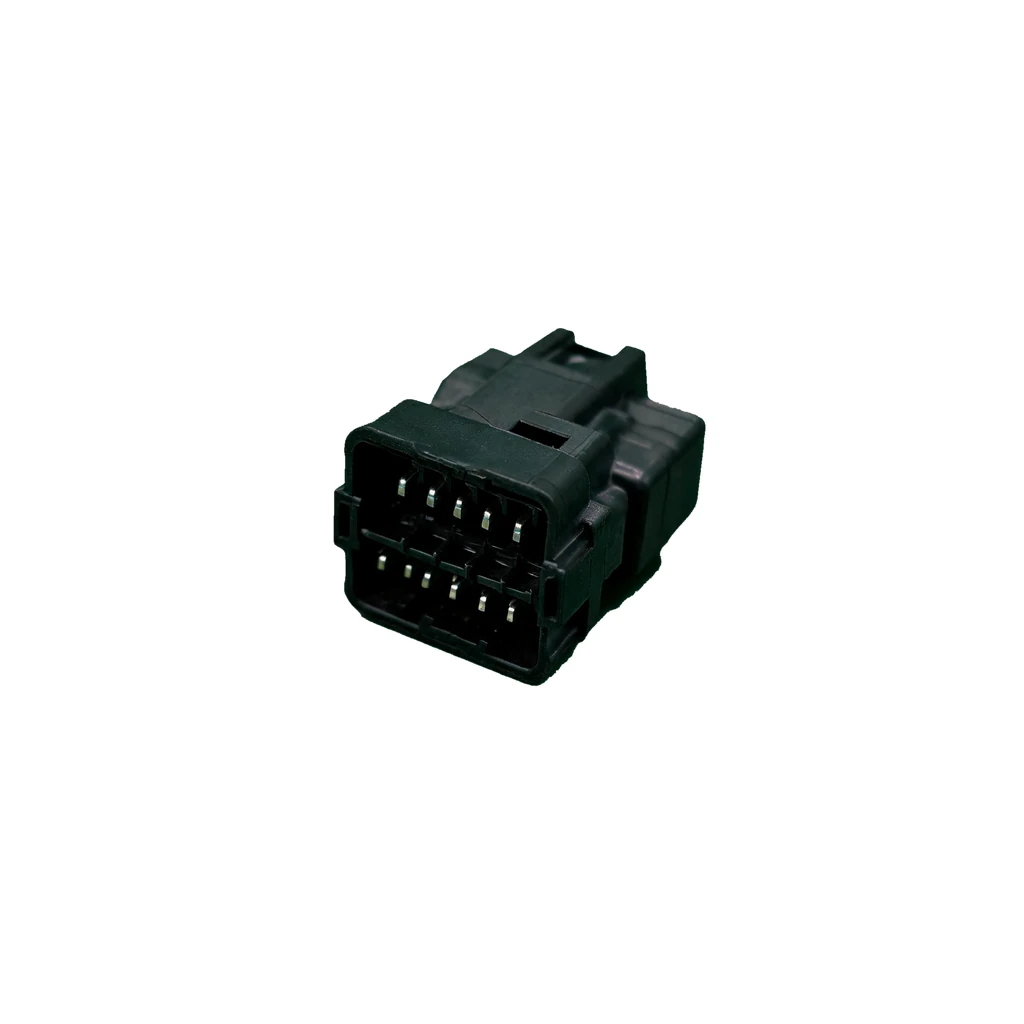
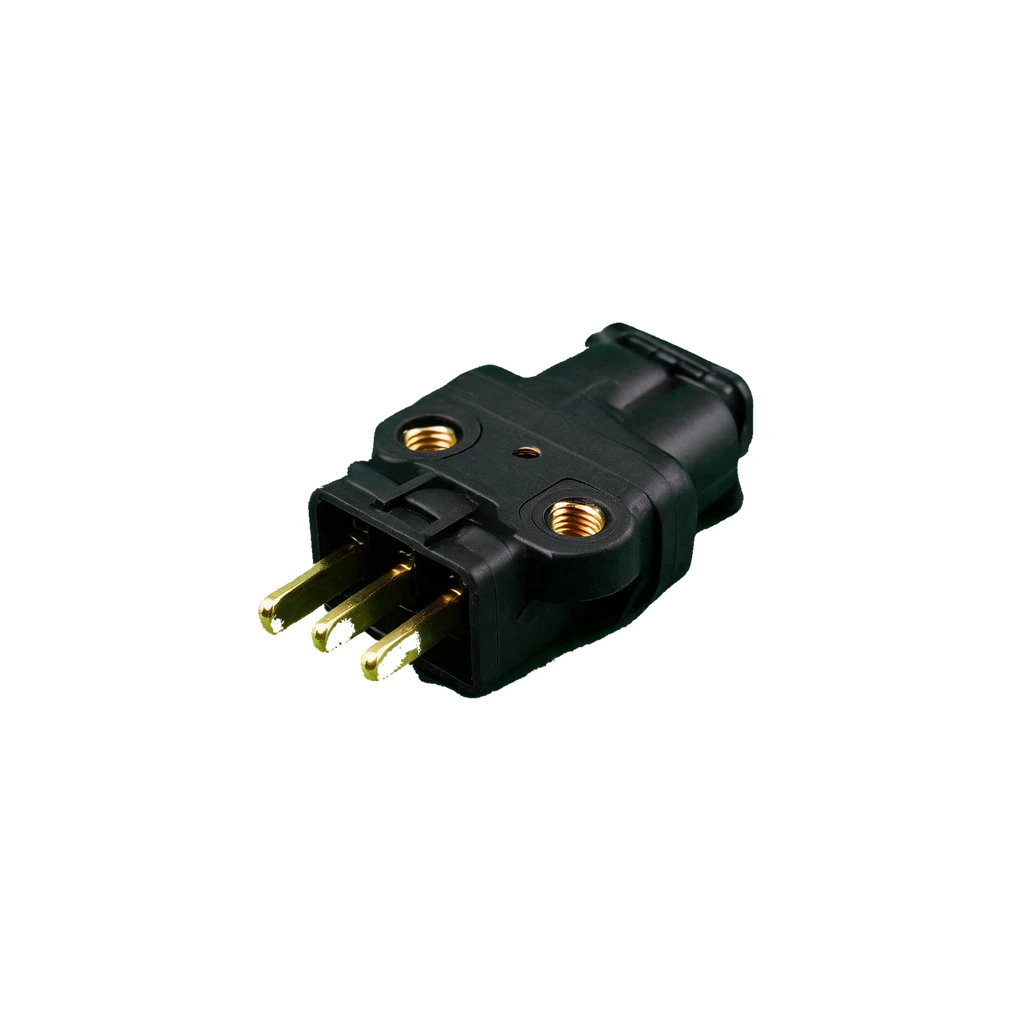
Polarised connector bodies with molded latch arms and clean contact cavities, 500 to 5,000 pieces.
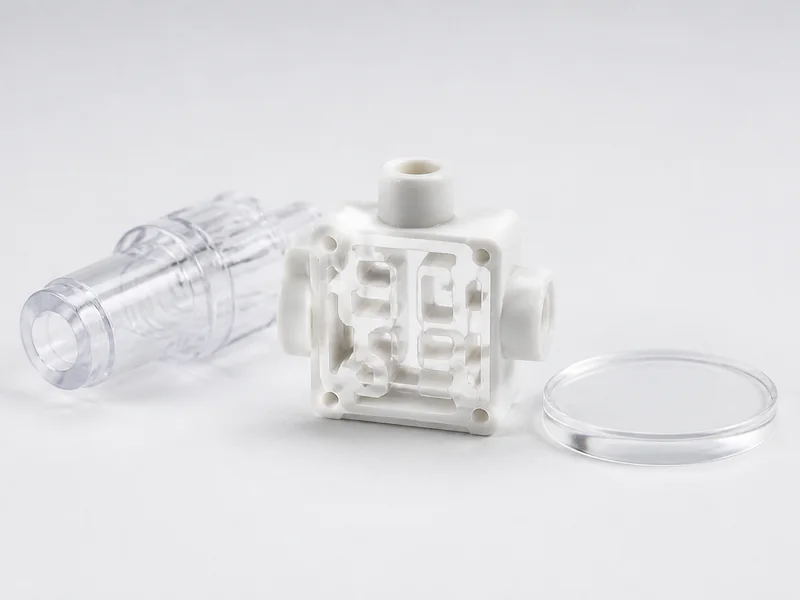
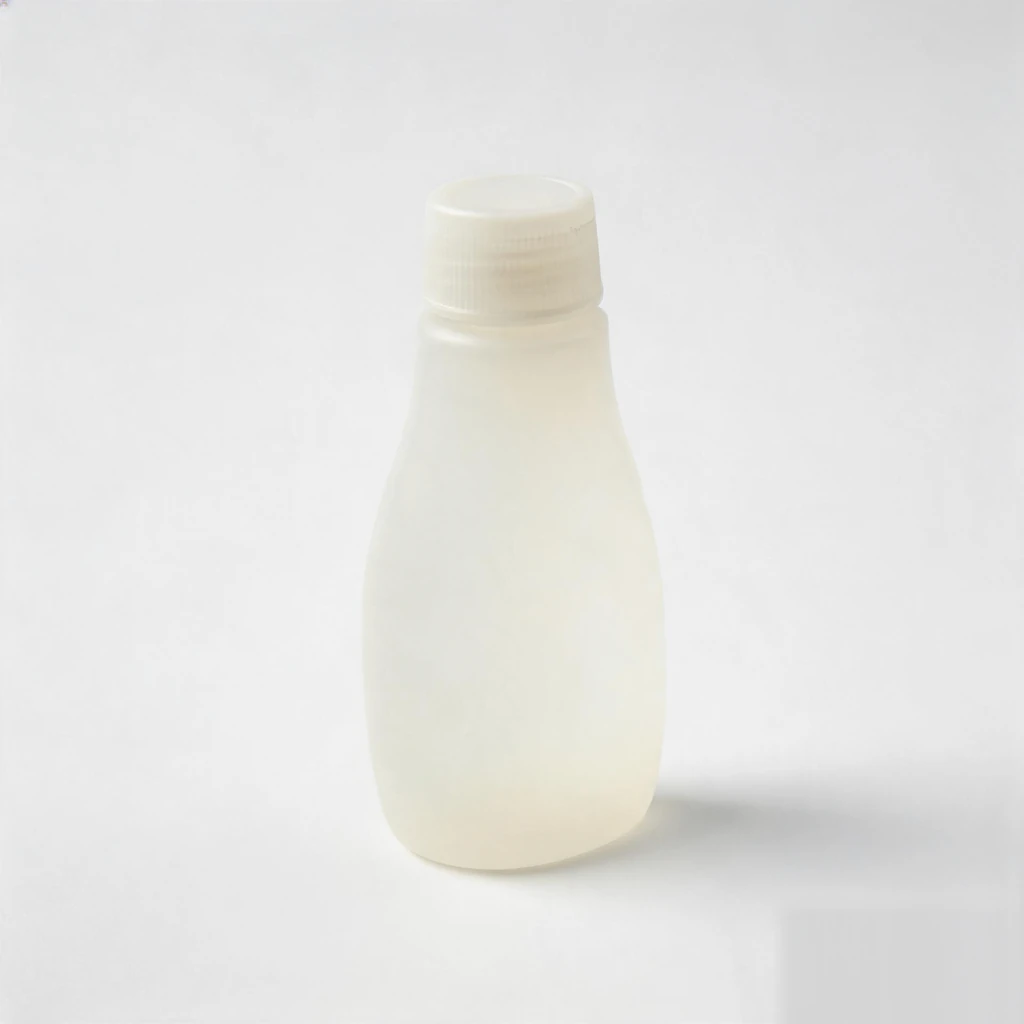
Clean PC and PP fluidic and device components for verification builds and clinical trials.

Actuator housings, chain links and pulleys molded in engineering resins for machine builders.

A CNC-machined aluminium tool, typically good for 100–5,000 shots at the lowest tooling cost.
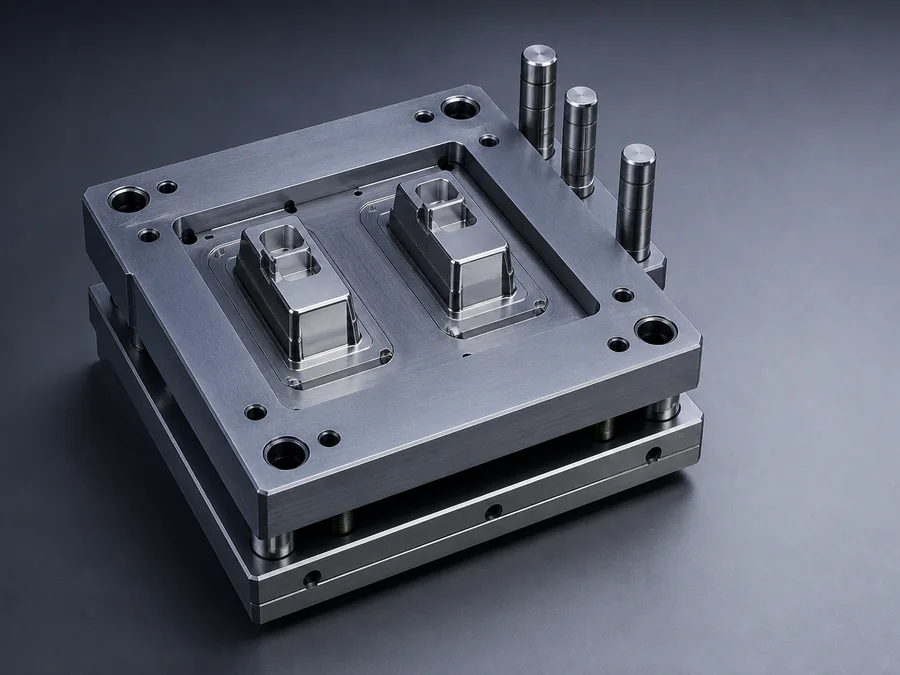
A P20 or 4140 soft-steel tool that holds tighter tolerances over longer runs of engineering resin.
Four controlled stages take your file from engineering review to shipped parts. Each one has a defined deliverable and an owner, so you always know what happens next and what it costs.
An automated and engineer-reviewed DFM check confirms wall stock, draft, radii and gate positions, so your part is mold-ready before any metal is cut.
Your aluminium or P20 steel mold is built in-house in 7–15 days, with modular inserts chosen so design changes stay cheap and fast.
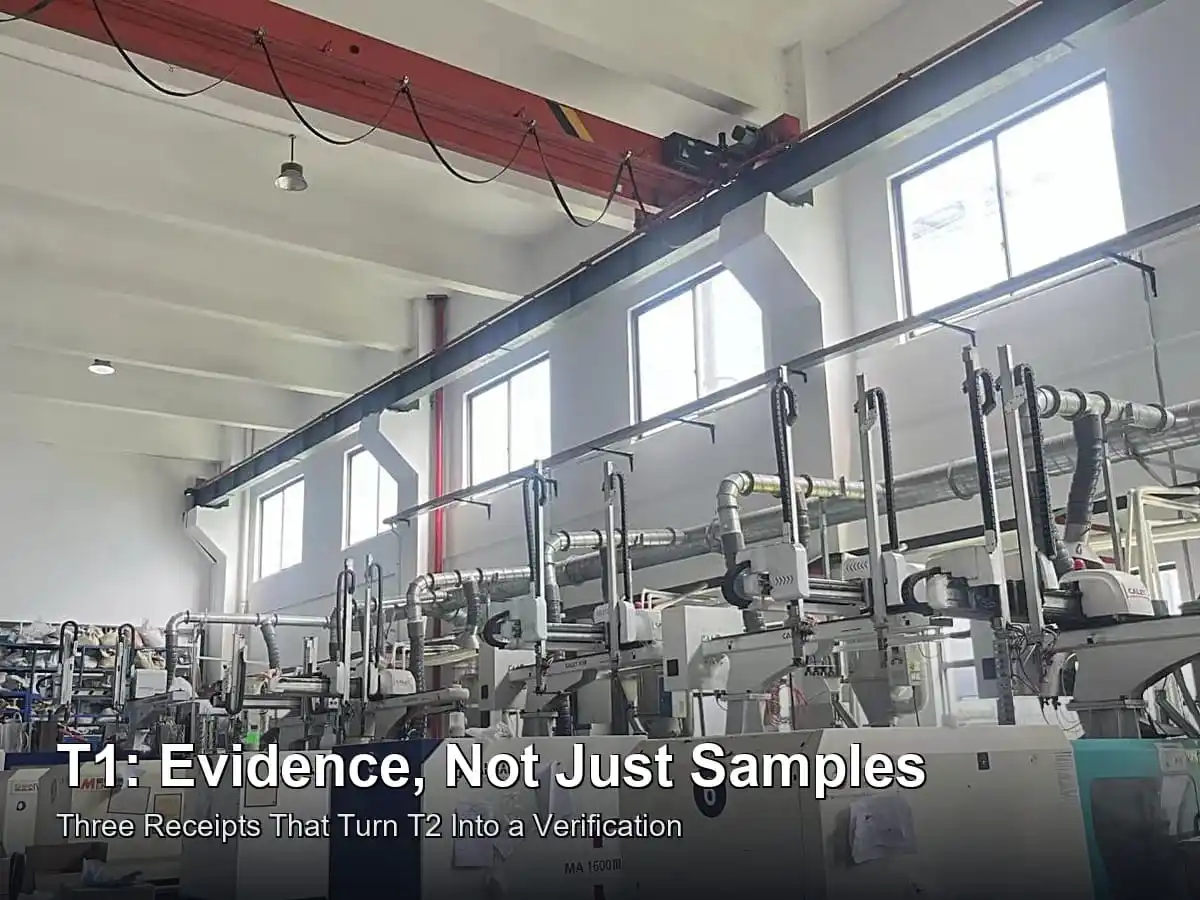
First-shot samples are molded, measured and sent for your approval, together with a dimensional report and a documented tooling log.
Approved parts go into controlled batch molding with in-process monitoring, then final inspection and packaging before they ship.
The tool decides what a short run can cost and how long it takes. We recommend the option that matches your quantity, resin and tolerance—and we tell you when a cheaper tool would do the job just as well.
The quickest and cheapest way to get real molded parts. Ideal for pilot runs, market testing and design verification, with tooling in 7–15 days and low-cost, fast design changes.
When the run is longer or the resin is abrasive, a soft-steel tool holds better wear resistance and tighter tolerances than aluminium, and suits harder engineering plastics.

Combine several different parts in one tool, or increase the number of identical cavities to raise output per cycle—without jumping to a full production mold.
The tool decides the cost of a short run; the material decides whether the part works. We help you match each project to the right engineering-grade thermoplastic or elastomer, so a low-volume batch performs exactly like the production part it precedes—durable, stable, and compliant with your application's requirements.
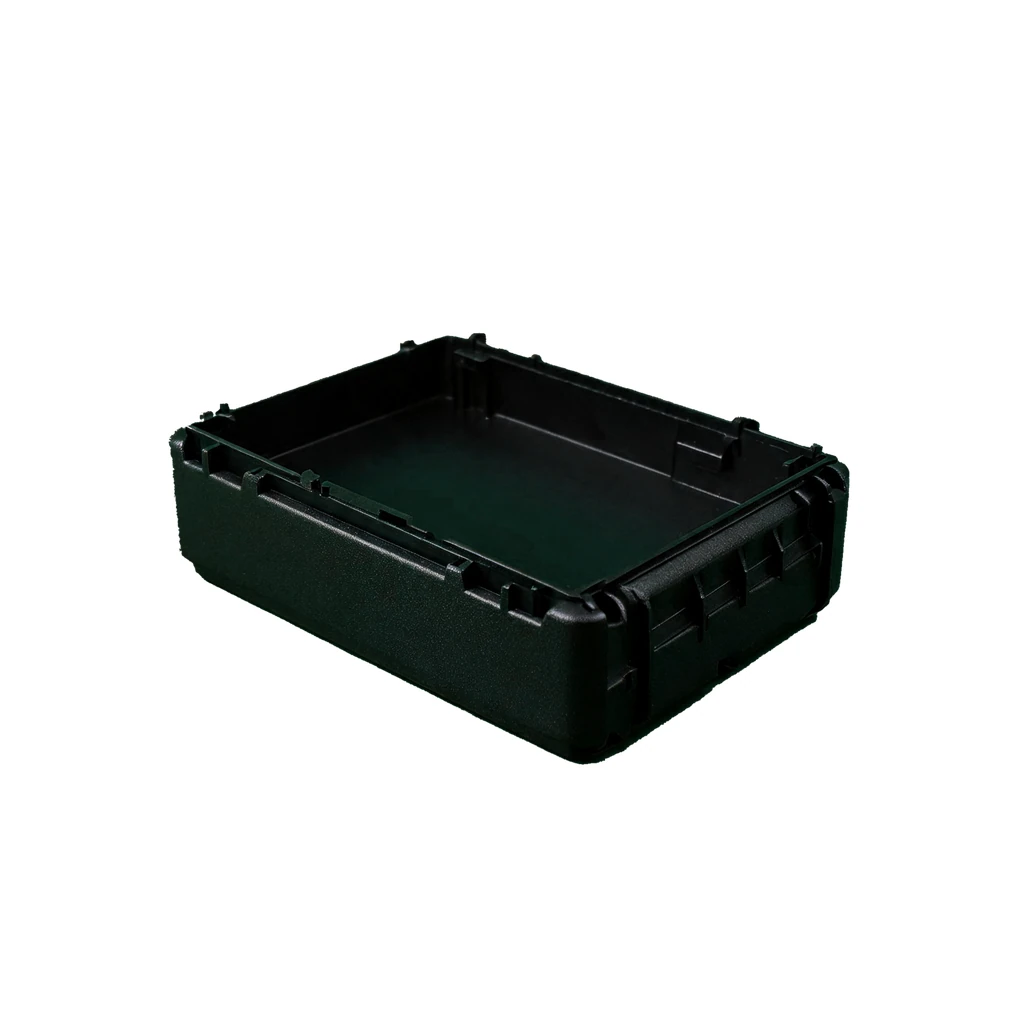
L'ABS offre une résistance aux chocs, une solidité structurelle et une grande facilité de transformation, ce qui en fait un matériau idéal pour les boîtiers, les prototypes et les composants fonctionnels qui exigent à la fois durabilité et rapport qualité-prix.
Get Expert Material Guidance!
Téléchargez vos fichiersSurface quality does most of the selling during product validation, and it is decided at the tool. We offer the full SPI range from mirror polish to heavy matte so your sample parts look like the product you intend to ship—not like a prototype.
The highest grade in the SPI range: a diamond-polished cavity that reproduces a near-mirror surface with maximum gloss and reflectivity. Chosen when the part has to look like a finished consumer product on the day of the customer trial.
Best for: Optical parts, appliance and consumer-product shells, anything where gloss sells the product.
Compromis : The most polishing time, so expect a longer tooling schedule and careful handling to protect the cavity.
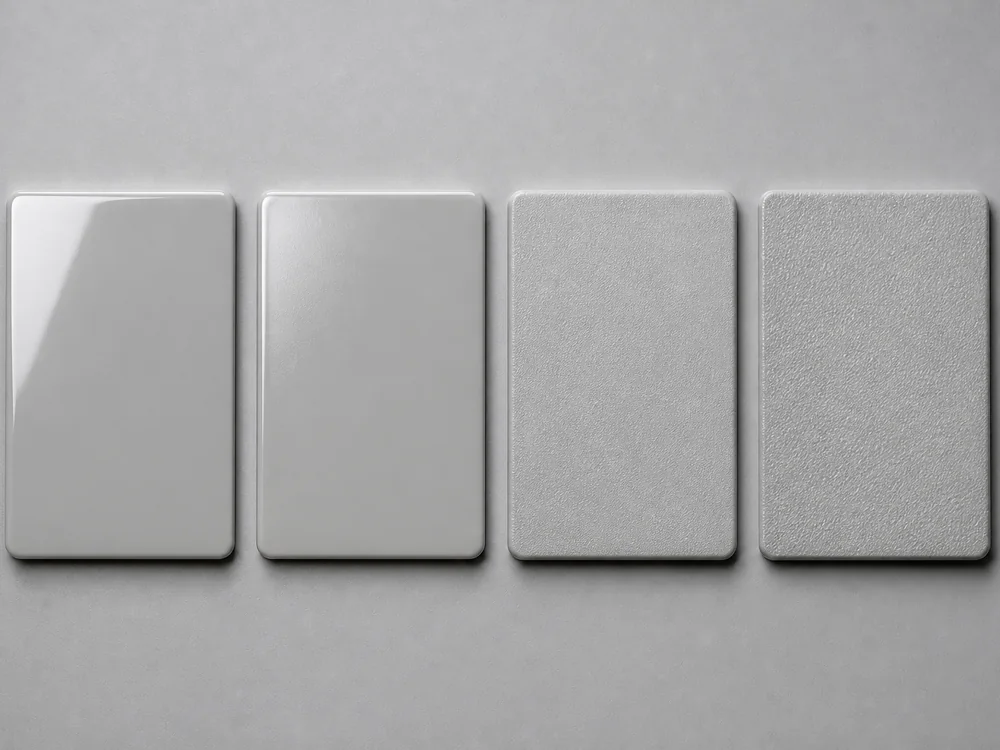
SPI A to SPI D finishes, left to right
Short runs get the same inspection discipline as long ones. Material is verified on arrival, the process is monitored shot to shot, first articles are measured and reported, and every batch is cleared by a final metrology check before it leaves the building.
Incoming Quality Control
In-Process Quality Control
First Article Inspection
Outgoing Quality Control
Where a program sits on the volume curve decides its tooling, its lead time and its unit cost. Use this comparison to see which bracket your project currently belongs in—and what changes when demand grows.
Aluminium or soft steel (P20)
Hardened steel (P20, H13)
Multi-cavity hardened tooling
7–15 days
2–4 weeks
4–8 weeks
Moyen
Faible
Lowest
Faible
Moyen
Haut
Easy — inserts can be re-cut
Difficult — welded or re-cut steel
Very difficult — new tool usually required
Prototypes, pilot runs, bridge production
Established products, regional launches
Mass production, consumer goods
Low-volume molding is one option among several. If your geometry, material or quantity points somewhere else, we can quote the alternative that gets you to a validated part faster or cheaper.
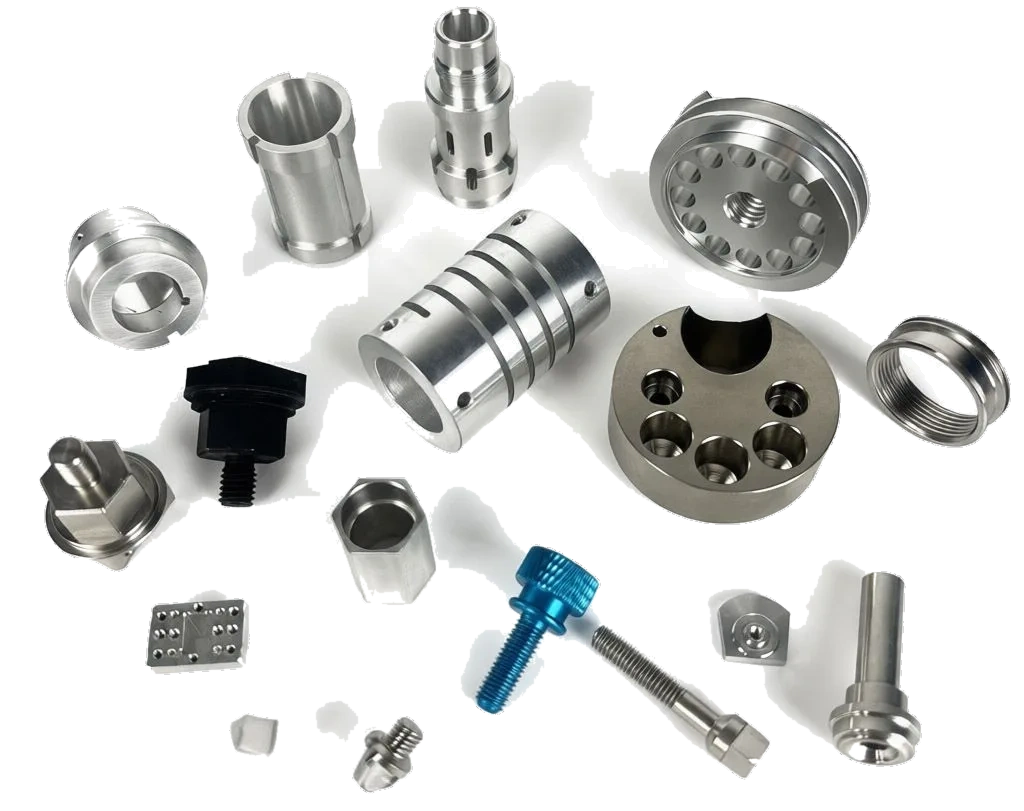
Metal or plastic parts cut directly from solid stock, with no tooling at all.
En savoir plus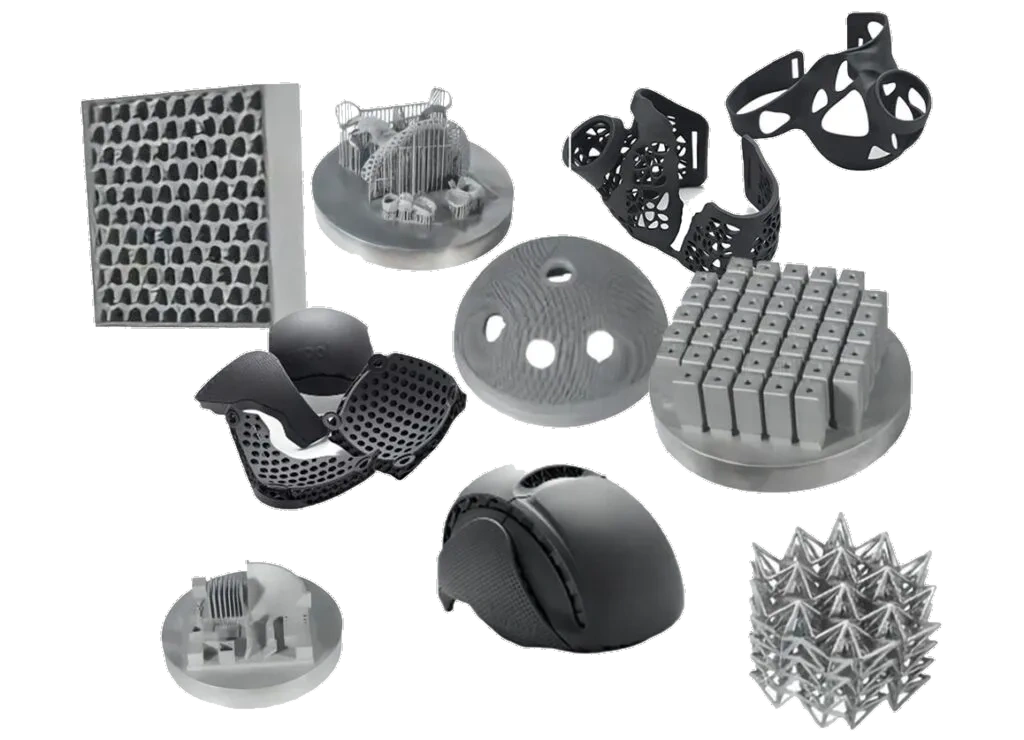
Rapid prototyping without tooling, ideal for form and fit checks and functional testing.
En savoir plus
Cutting, bending and forming metal enclosures, brackets and panels in low volumes.
En savoir plus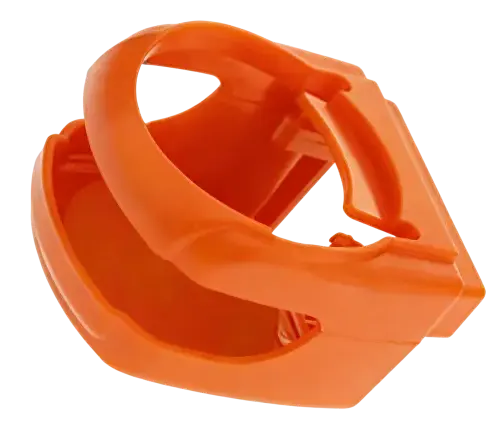
Silicone-tool castings in polyurethane resin for 5–20 near-production-quality parts.
En savoir plusDocumented quality system
100%
CMM inspection on critical dimensions
Short runs fail for predictable reasons: tooling that arrives late, parts that do not match the prototype, and suppliers who lose interest once the volume drops. We built our low-volume program to remove all three, and to keep the same engineering team with you as the volume grows.
Order the quantity the build actually needs. Because the tool is aluminium or soft steel, a 500-piece order carries a tooling cost that scales with it instead of a hardened-steel invoice that only makes sense at a hundred thousand parts.
In-house tooling means the mold is machined in 7–15 days instead of being queued behind someone else's production work. You get T1 samples early, so the schedule you set with your own customer is a schedule you can keep.
Your parts are molded in the resin you specified, on a real press, with real cooling and real process control. No machined stand-ins, no cast urethane look-alikes—so the validation you do on them still holds at volume.
Short runs usually mean the design is still moving. Modular inserts, free DFM feedback on every revision and one named project engineer keep the tool usable as the part evolves, rather than turning each change into a new purchase order.
A snapshot of recent low-volume molding programs. Details have been generalised; tell us your application and we will talk through the comparable work we have done.
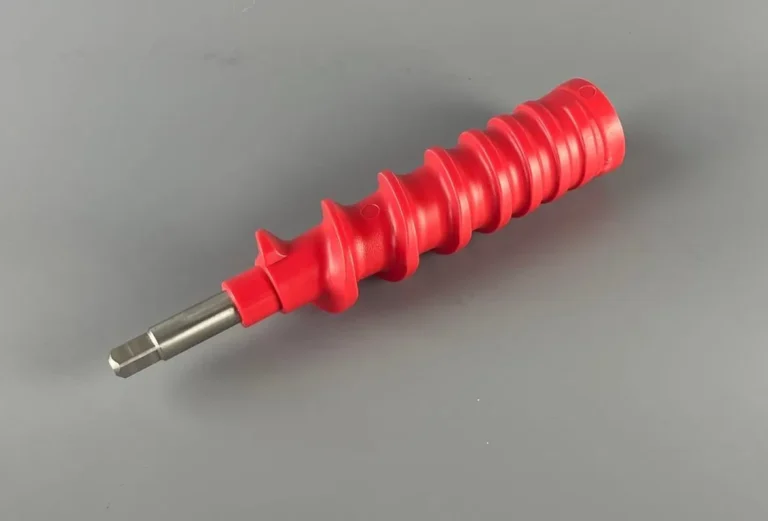
A juicer manufacturer asked IDEAL PRO to prove out a plastic-and-steel overmolded spiral screw design without the full investment in a hardened production mold. We cut an aluminium low-volume tool, inserted pre-cut steel cores, and ran the first validation batch — catching severe wobble from center-of-gravity eccentricity before any hard steel was cut. After mold adjustments in the aluminium tool, end shake was brought within 2 degrees, and the validated design carried straight into the production tool.
50%
Cost Cut
2° Max
End Shake
Aluminium
Low-Volume Tool
Validated
Before Hard Tool
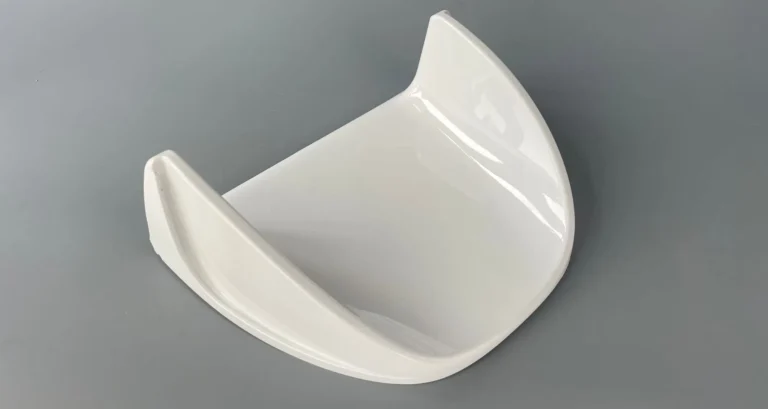
A client with an existing low-volume mold struggled with faint weld lines and dimensional drift on a consumer-electronics housing. IDEAL PRO Manufacturing redesigned the gating on the aluminium tool, added a hot-runner insert, switched to PC-ABS, and installed a mold temperature machine — turning a marginal tool into one that produced smooth, dimensionally accurate parts ready for market without re-cutting a hard steel mold.
Eliminated
Weld Lines
PC-ABS
Matériau
Hot Runner
Insert Added
Aluminium
Tool Retained
A device developer needed a small, fully documented batch of clear polycarbonate fluidic components for verification testing. We molded the run with controlled drying, supplied a first-article dimensional report with the samples, and packaged them for clean handling.
Clear PC
Matériau
FAI
Report Supplied
SPI A
Cavity Polish
1 Batch
Trial Run
Restez informé des dernières actualités et annonces d'IDEAL PRO Manufacturing. Découvrez ci-dessous nos derniers articles.
Most programs fall between 100 and 10,000 parts per year or per order. Below roughly 100 pieces, 3D printing or vacuum casting is usually the better value; above about 25,000, a hardened multi-cavity tool starts to pay for itself. We will tell you honestly when your quantity sits on the other side of that line.
No. The resin is the same—the difference is the tool. We mold commodity and engineering thermoplastics from PP and ABS through to PC, PBT, PEEK and glass-filled grades, and we will flag any material where a soft tool needs extra care, such as abrasive fillers or high processing temperatures.
As a planning guide, an aluminium tool typically covers around 100–5,000 shots and a P20 soft-steel tool roughly 5,000–25,000. The real figure depends on the resin, the geometry and how the tool is maintained, so we give you a specific expected tool life with every quote.
Yes, and this is one of the strongest reasons to start with soft tooling. We design low-volume molds with modular inserts so a local detail can be re-cut or replaced instead of welding and re-machining the whole cavity, which keeps revision cost and downtime low while your design settles.
Tooling normally takes 7–15 days, with T1 samples following shortly after. Add a few days for dimensional inspection and your approval, and most programs hold their first approved parts about four weeks after the CAD file is frozen. Because the tool is built in-house, the schedule does not depend on an outside tool shop's loading.
That is the intended path. Where the geometry allows, we start with a single or family cavity and add cavities later; where it does not, the validated CAD and process window carry directly into a hardened production tool. Either way your approved part specification does not change when the volume does.
 English English
 French
 Dutch
 German
 Japanese
 Korean