 Français



moulage par injection
Accueil
moulage par injection

Introduction: Why HDPE Matters in Modern Manufacturing High-Density Polyethylene (HDPE) is one of the most versatile and widely used thermoplastics in the world today. Recognized by its resin identification code "2", HDPE is celebrated for its exceptional strength-to-density ratio, outstanding chemical resistance,…
 Alex Yu

POM injection molding can seem daunting. Understanding its unique characteristics is essential for successful production. Ignoring these details can lead to costly mistakes. POM, or polyoxymethylene, offers excellent mechanical properties and can be a game-changer for your projects. This guide will explore…
Alex Yu
Understanding Common Plastic Alloys: Properties, Applications, and Processing Data In the world of polymer engineering, plastic alloys (or polymer blends) are revolutionizing material science. A plastic alloy is not a simple mixture of two or more plastics; it is a highly engineered…
Alex Yu
The first step towards successful sourcing in China is to ensure that your injection molding supplier meets your standards. A standardized audit checklist is essential for overseas buyers to assess the reliability and capabilities of Chinese injection molding suppliers effectively. alt with…
Alex Yu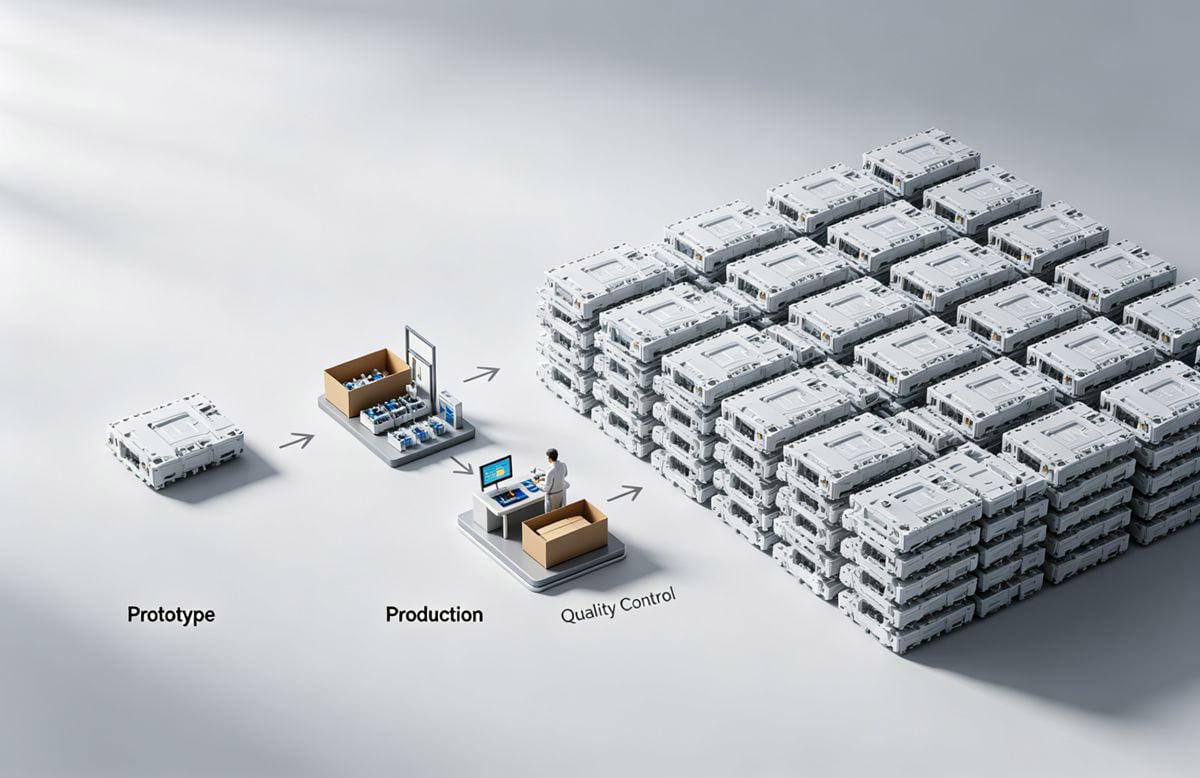
Turning a great idea into a physical product can feel overwhelming. The path from a single prototype to mass production in China is often unclear, risking costly mistakes and delays. The process moves from prototyping and design validation through a critical DFM…
Alex Yu
Struggling with PVDF molding defects? High costs and failed parts are frustrating. Master the right parameters and design to ensure success from the very first trial. PVDF injection molding requires high temperatures (220-260°C melt, 80-120°C mold), high pressure, and specific mold designs…
Alex Yu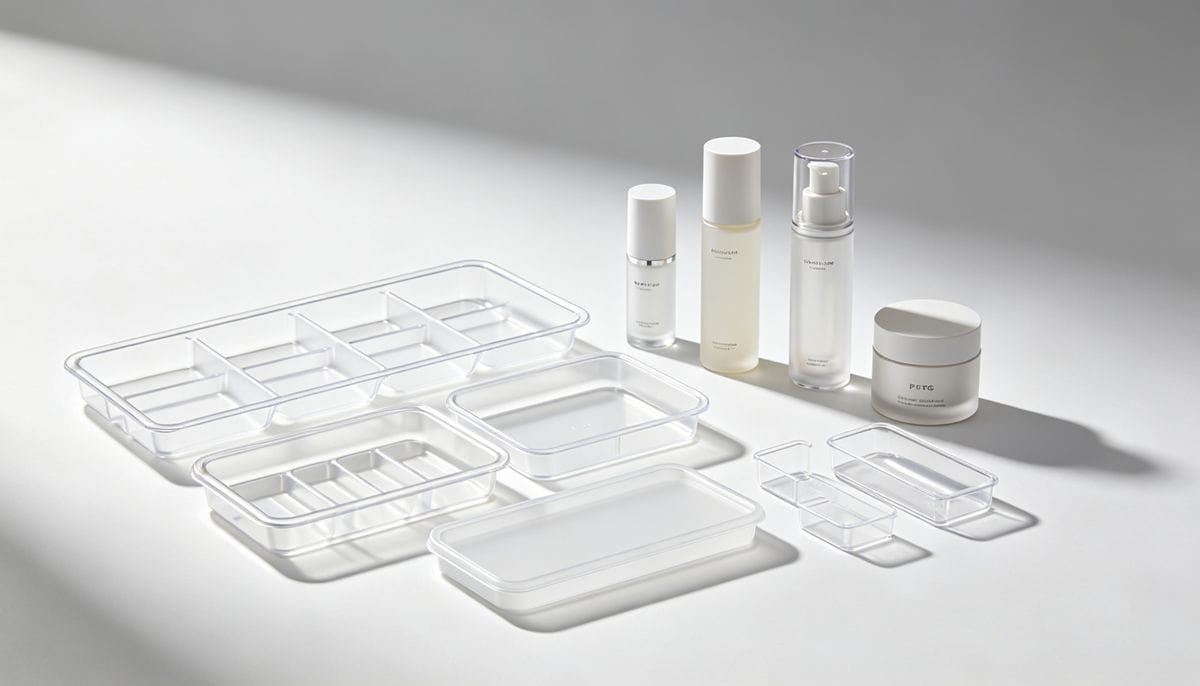
Struggling with PETG defects like flash and bubbles? You keep adjusting parameters, but nothing seems to work. This guide reveals the real culprits and how to finally fix them. Mastering PETG involves strict moisture control (drying below 0.04%), precise temperature management (220-260°C…
Alex Yu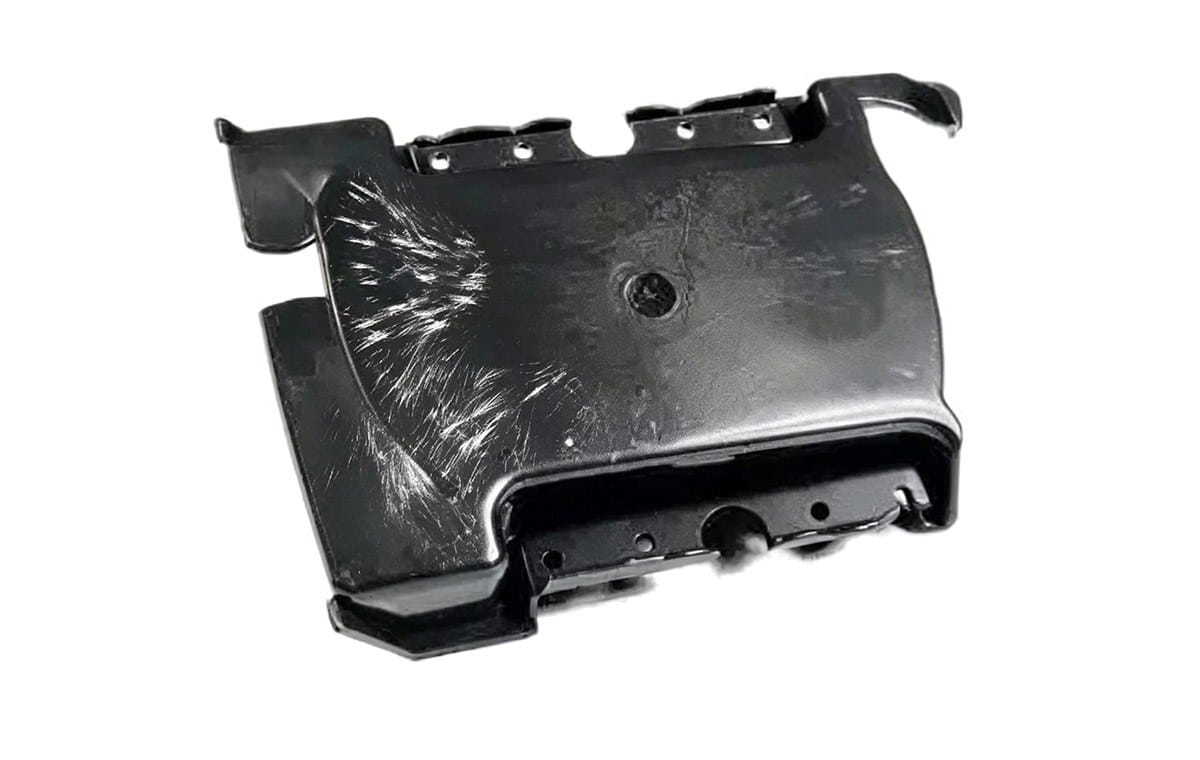
Introduction Silver streaks – also known as silver lines or splay marks – are among the most common surface defects in injection molding. They typically appear as shiny, silvery streaks along the flow direction, indicating gas entrapment or material degradation. The primary…
Alex Yu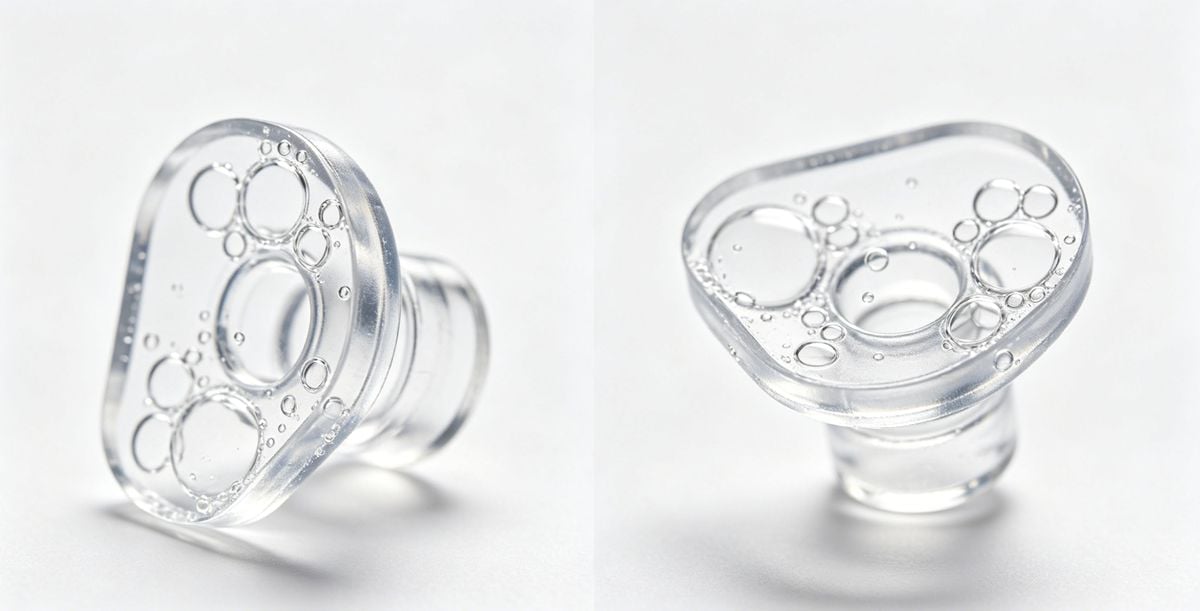
Injection Molding Bubbles: Causes, Identification, and Solutions Bubbles in injection molded parts are a common yet critical defect. Unless intentionally designed for aesthetic purposes, trapped air is strictly unacceptable in transparent products. More importantly, bubbles compromise the mechanical strength of the part…
Alex Yu English English
 French
 Dutch
 German
 Japanese
 Korean