

Introduction: The Power of PVD in Modern Manufacturing1
Physical Vapor Deposition (PVD) is currently one of the most advanced surface treatment technologies widely used internationally. As the demand for high-quality plastic products grows, PVD has become a game-changer for the injection molding industry.
But what exactly is it? Simply put, PVD is a process where material is vaporized in a vacuum environment and deposited onto a substrate. This creates a thin film with exceptional properties.
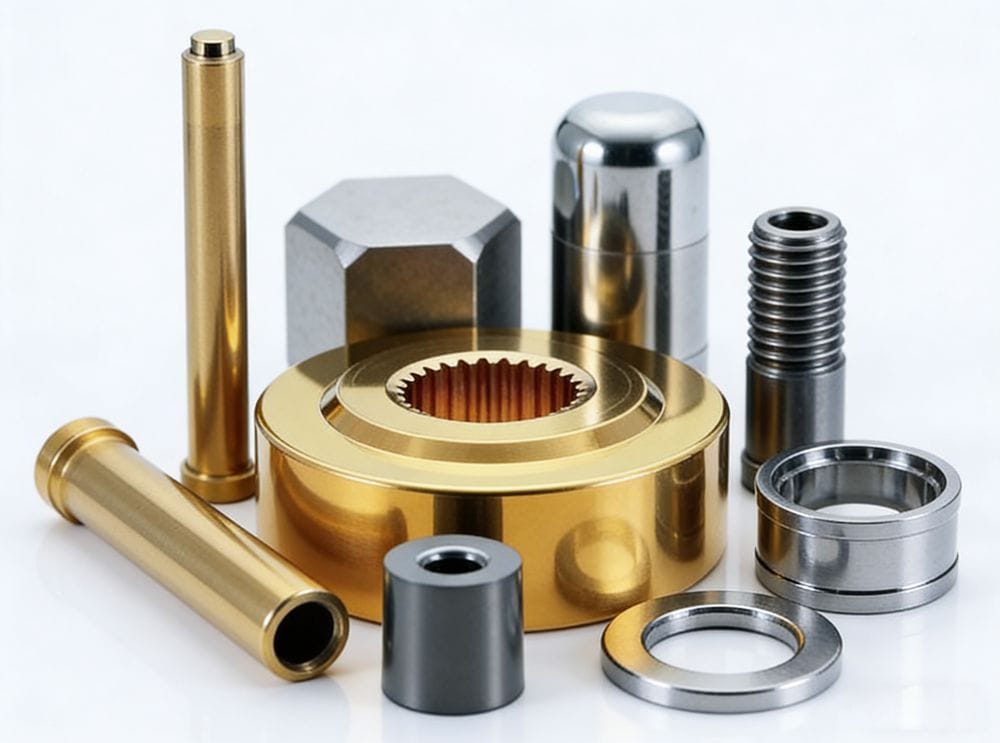
Key Takeaway: PVD technology offers fast deposition, strong adhesion, and excellent versatility, making it essential for modern green manufacturing.
How PVD Technology Works
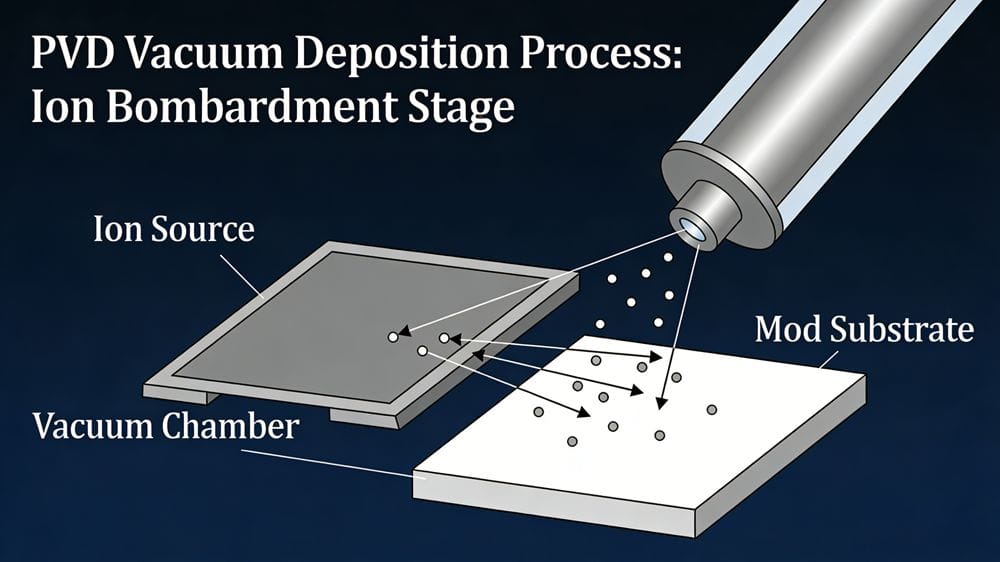
The working principle involves utilizing gas discharge under vacuum conditions. This process partially ionizes the gas or evaporated material. Under the bombardment of gas ions or evaporated material ions, the evaporant or its reaction products are deposited onto the substrate (the mold).
Originating in the late 1970s, PVD technology was initially celebrated for its success with high-speed steel tools. Today, it has evolved to serve the injection molding industry with films that boast:
- High Hardness: Resistant to wear and tear.
- Low Friction Coefficient: Improves sliding properties.
- Chemical Stability: Resistant to corrosion.
Why Apply PVD Coating to Injection Molds?
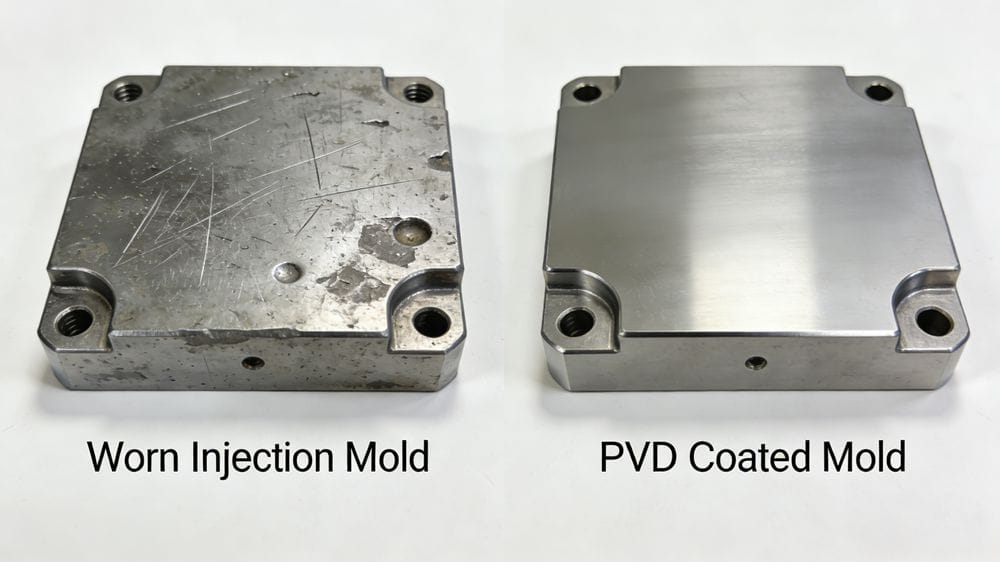
Plastic products are ubiquitous in our daily lives. However, producing them takes a toll on molds. Applying PVD coatings effectively solves critical production issues such as poor demolding, short mold life, and frequent repairs.
Here are the core advantages of coating your injection molds:
1. Reduced Maintenance Costs Coatings significantly increase mold hardness and corrosion resistance. This extends the maintenance cycle, reduces machine downtime, and turns complex maintenance into simple cleaning tasks.
2. Superior Surface Quality The coating protects the molding surface2 from damage. This ensures that expensive polished or EDM (Electrical Discharge Machining) finishes last longer. Furthermore, plastic materials flow more smoothly in the coated cavity, leading to higher yields of qualified products.
3. Handling Difficult Materials Are you molding high-hardness plastics or materials with high glass fiber content? These materials can severely damage key mold parts. PVD coatings provide outstanding protection against such abrasive wear.
4. Smoother Mold Movement Components like ejector pins, valve pins, and lifters rely on coatings to achieve oil-free lubrication. This prevents parts from seizing and reduces oil contamination on the final plastic products.
5. Visual Indicators for Maintenance Unlike standard metals, PVD coatings come in distinct colors. When the coating wears off, technicians can clearly see it. This serves as a visual warning for replacement or maintenance, preventing (precision) loss and material waste.
Types of PVD Coatings and Applications
Different coating materials offer different benefits. Choosing the right one depends on your specific mold requirements. Below is a guide to common PVD coatings used in the industry:
| Coating Type | Color | Primary Application |
|---|---|---|
| DLC Series | Black | Mold Cavities (High wear resistance) |
| Cromastar (CrN) | Silver-Gray | Mold Cores (Corrosion resistance) |
| Alastar (TiAlN) | Purple-Red | Ejection Mechanisms (Pins, Lifters) |
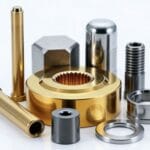
| Tinastar (TiN) | Gold | Hot Runner Systems (Thermal stability) |

Conclusion: A Green Future for Manufacturing
PVD technology aligns perfectly with the direction of modern green manufacturing. It has no adverse impact on the environment and offers high resource utilization.
By integrating PVD vacuum coating into your injection molding process3, you are not just protecting a tool; you are investing in higher efficiency, better product quality, and significant cost savings.
Explore this resource to discover innovative practices shaping the future of manufacturing, including sustainability and technology advancements. ↩
Explore this resource to discover expert insights on enhancing molding surface quality, crucial for maximizing production efficiency. ↩
Explore this resource to discover expert insights and techniques that can enhance your injection molding efficiency and product quality. ↩

 English
 French
 Dutch
Dutch German
 Japanese
 Korean