

The injection molding process can be tricky. One key factor that many overlook is back pressure. It plays a crucial role in production efficiency and product quality.
Back pressure is vital in ensuring consistent product quality and reducing defects in the injection molding process. It directly affects the density of the melted material and the overall performance of the injection.
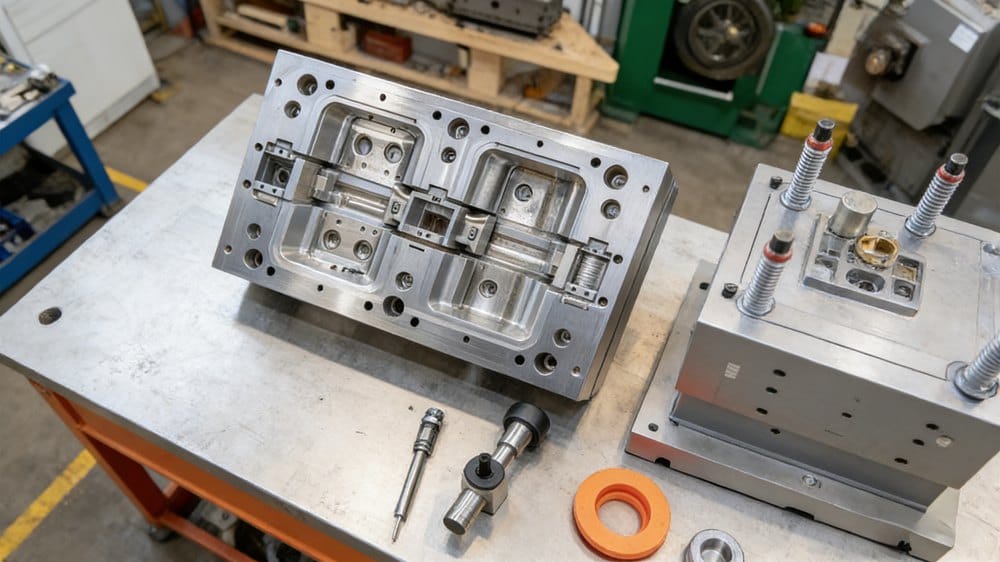
Back pressure is often misunderstood. Many believe it’s a simple setting to adjust. However, it can make or break your production process. If you want to produce high-quality products, understanding back pressure is essential.
Setting Back Pressure? You've Got It Wrong from the Start: The Complete Decision Tree for Back Pressure from an Injection Molding Expert?
Every injection molding setup is unique. The back pressure settings can vary depending on several factors, including the type of material, product design, and specific machine configurations. It’s not as simple as following a preset guideline.
Determining the right back pressure is a decision-making process that requires thoughtful consideration of the material properties and machine performance. Each adjustment can profoundly affect the production outcome.
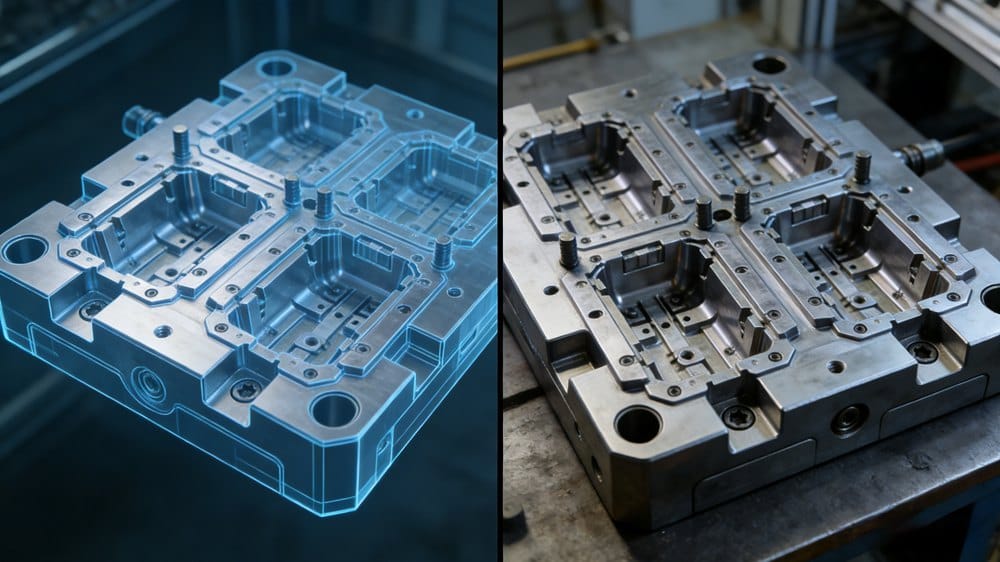
Many people make mistakes when setting back pressure. They often do not consider all variables. I remember an instance where a simple change in material type threw off the entire process due to improper back pressure settings. It cost time and resources. This is why I emphasize a systematic approach to back pressure adjustments.
Understanding the Variables
When deciding on back pressure, consider these factors:
| Factors | Beschreibung |
|---|---|
| Material Typ | Different materials have unique properties; they behave differently under pressure. |
| Machine Settings | Each machine has its own capabilities; knowing these can optimize performance. |
| Produktdesign | Complex designs may require different pressure settings to ensure quality. |
Every aspect must align before you finalize the back pressure settings. It’s not just about following industry standards.
Stop blindly following "500-1000 psi": Why is dynamic back pressure replacing static settings in modern injection molding?
Static settings can lead to severe issues. The industry is moving toward dynamic back pressure adjustments. This shift is significant. I’ve seen the difference it makes in production quality firsthand.
Dynamic back pressure allows for real-time adjustments based on the conditions within the injection process. This adaptation improves the overall efficiency and quality of the injection molding process.
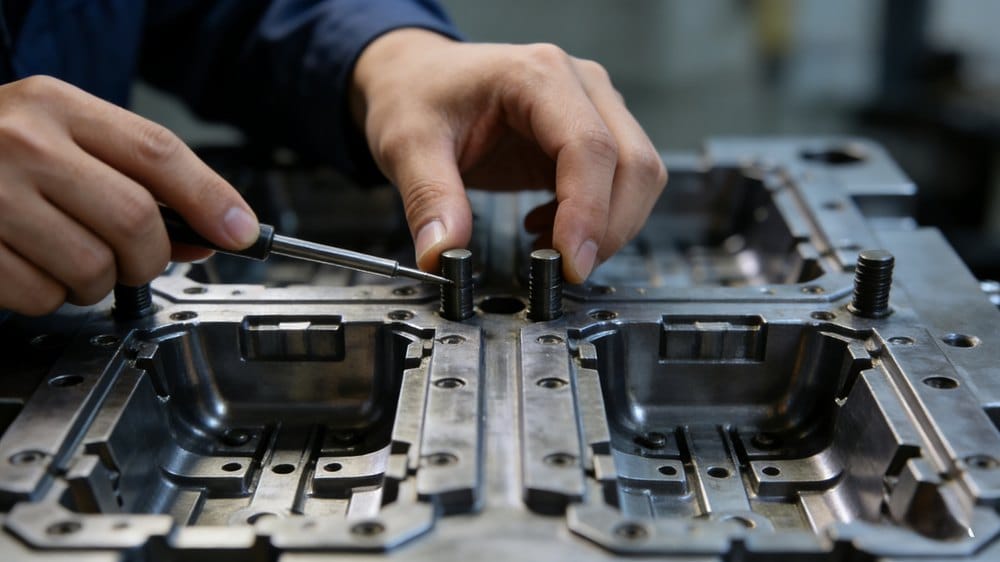
With static settings, you might miss critical changes in melting conditions. This can lead to defects in the final products. For example, when I switched to dynamic settings, I noticed a marked improvement in product consistency. The ability to adjust on-the-fly proved invaluable.
The Benefits of Dynamic Adjustments
Dynamic adjustments help resolve issues that static settings can’t. Here are some advantages:
| Advantages | Explanation |
|---|---|
| Real-time Adjustments | Immediate changes can be made based on material flow and quality checks. |
| Improved Production Rates | Faster cycles lead to higher output and efficiency. |
| Enhanced Quality Control | Better control of density and material flow reduces defects. |
The transition to dynamic back pressure significantly raises the production bar. It's not just about following traditional guidelines anymore.
Misalignment in back pressure settings can cause serious problems. In my experience, I’ve observed three main defect chains that arise from improper back pressure.
Incorrect back pressure can lead to significant issues, such as poor melt quality, inconsistent product dimensions, and surface defects. Addressing these defects starts with a systematic approach to resetting back pressure.
Let’s break down these defect chains:
Melt Quality Issues: Low back pressure can lead to insufficient density, resulting in weak products. High back pressure can cause thermal degradation. Both scenarios need immediate intervention.
Dimensional Inconsistencies: Variations in pressure can lead to inconsistent weight and size across batches. This is detrimental to maintaining quality standards.
Surface Defects: Problems like air bubbles and uneven surfaces arise from mismanaged back pressure. These defects can heavily impact a product's visual quality.
Resetting Back Pressure Systematically
To reset back pressure effectively, follow these steps:
| Steps | Actions to Take |
|---|---|
| Assess Initial Settings | Understand current settings and material conditions. |
| Adjust Gradually | Make small changes and observe effects on quality and output. |
| Monitor Performance | Keep track of product quality and cycle times for adjustments. |
Taking a systematic approach ensures that you align your back pressure settings with the production goals.
Recalculating back pressure is often overlooked. However, it has profound implications on costs. Adjusting back pressure can reduce cycle times significantly.
By recalibrating back pressure, manufacturers can decrease energy consumption and minimize material waste, leading to substantial long-term savings.
When I analyzed energy consumption in our processes, I noticed that even small adjustments in back pressure led to lower energy use. This not only cut costs but also made our operations more sustainable.
The Financial Impact of Back Pressure
The costs associated with improper back pressure include:
| Cost Factors | Financial Impact |
|---|---|
| Increased Cycle Times | Longer cycles result in less production efficiency and higher costs. |
| Higher Energy Consumption | Overuse of energy affects the bottom line significantly. |
| Material Waste | Inconsistent quality leads to increased scrap and waste. |
By proactively managing back pressure, businesses can realize significant cost savings.
Engaging with Melt Density: Unlocking the Practical Philosophy of Back Pressure as a Core Process Lever
Melt density is at the core of the injection molding process. Engaging with it effectively can transform production quality.
Understanding the relationship between back pressure and melt density is essential for optimizing the injection process. This involves a philosophical approach to how these factors interact.
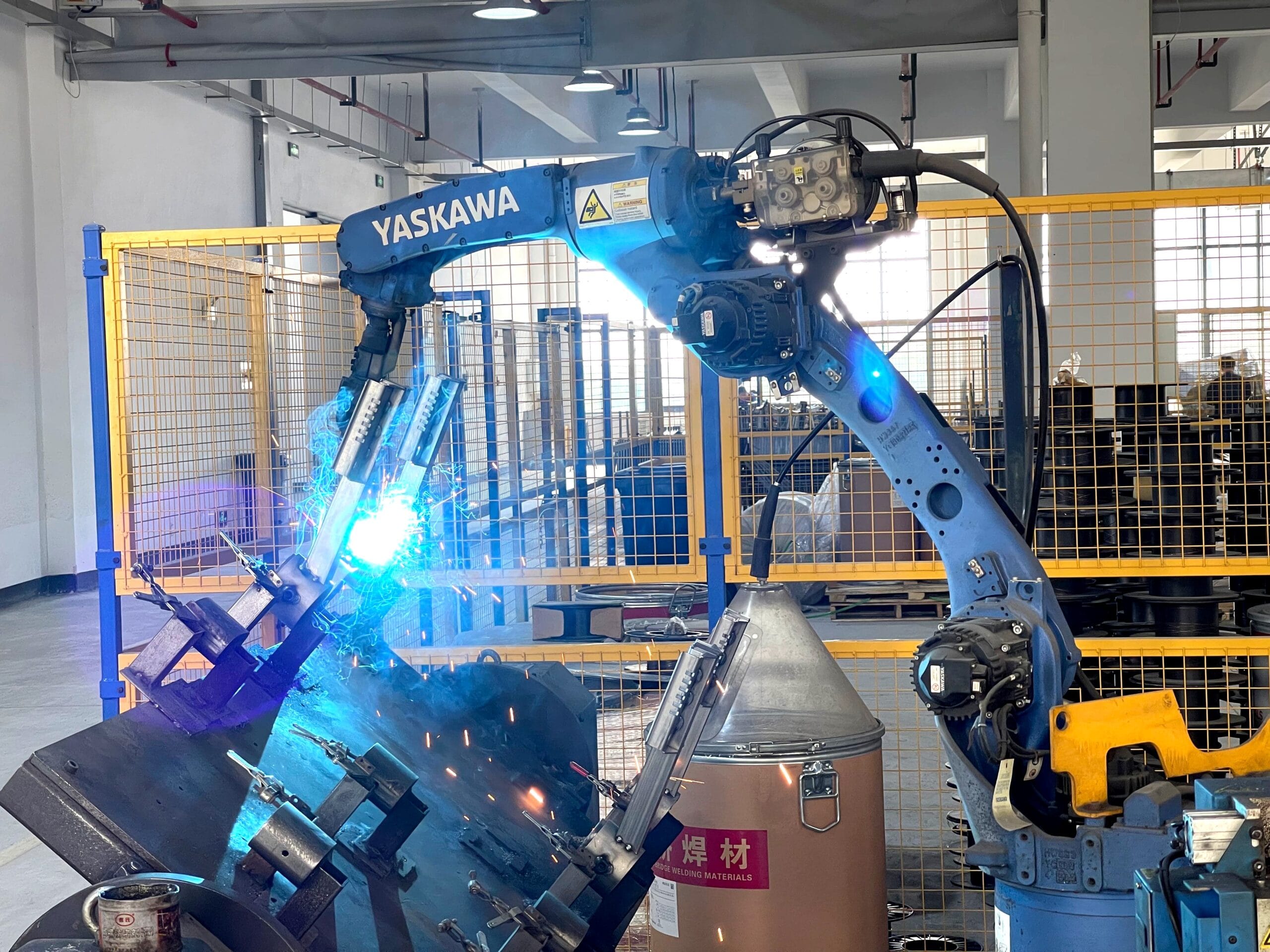
I learned the importance of this interaction through trial and error in my early days. Knowing how to manipulate back pressure to achieve desired melt density results made a substantial difference in my production outcomes.
The Philosophy Behind Back Pressure
To engage effectively with melt density, consider the following aspects:
| Aspects | Importance |
|---|---|
| Material Characteristics | Different materials have unique behaviors that affect density. |
| Processing Conditions | Temperature and pressure changes need continuous assessment. |
| Quality Assurance | Consistent monitoring of melt density ensures product quality. |
By understanding these factors, one can harness back pressure as a core lever in the injection molding process.
Fazit
Back pressure is crucial in injection molding. Proper management leads to better quality, efficiency, and cost savings.


 English
 French
 Dutch
Dutch German
 Japanese
 Korean