

Struggling with outdoor plastic parts that yellow and crack? You need a material that lasts, but finding one that is also easy to process can be a major headache.
Acrylonitrile Styrene Acrylate (ASA) is a weather-resistant thermoplastic ideal for outdoor applications, replacing traditional ABS. Its success hinges on precise process control, especially in drying and mold temperature management, to maintain its superior UV stability and impact strength, preventing defects and ensuring part longevity.
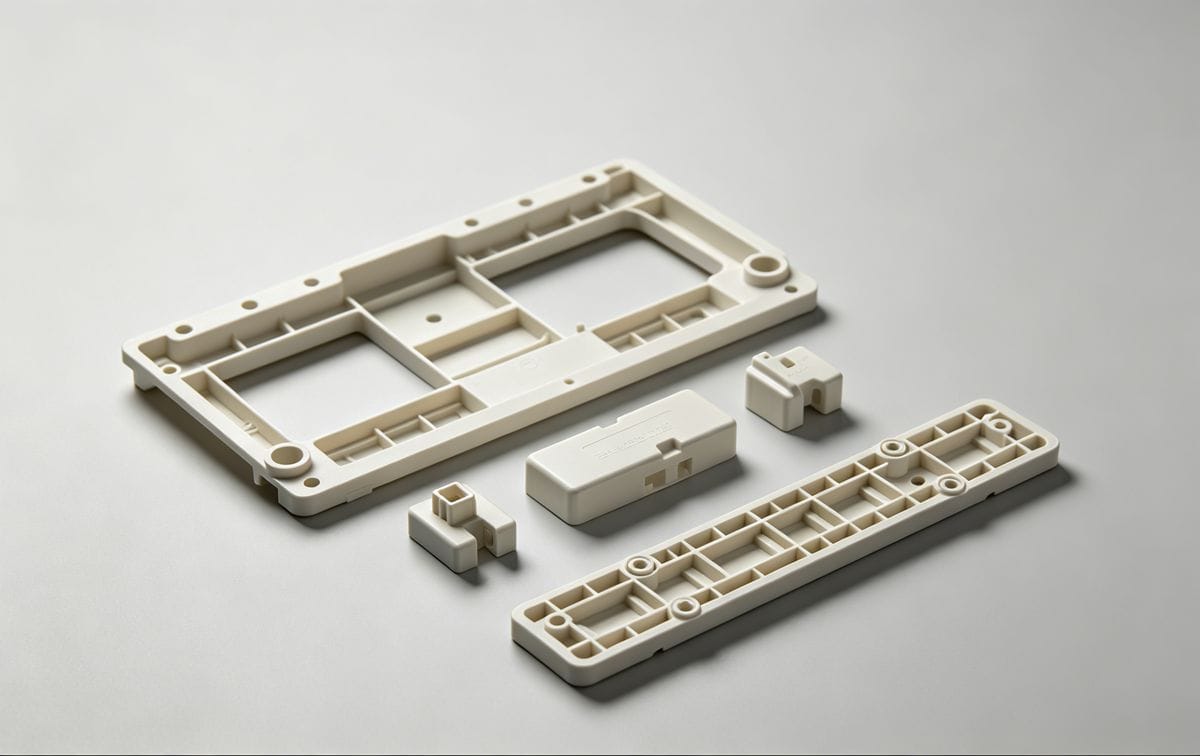
Having spent years in the injection molding industry, I've seen many materials come and go. ASA, however, holds a special place. It's not as demanding as PC, nor as simple as PP. It occupies a perfect middle ground, offering high performance for tough jobs while demanding a deep respect for the nuances of its processing. This isn't just about swapping one plastic for another; it's about mastering a material that can truly elevate a product's quality and lifespan. Let's dig into the details that separate a successful ASA project from a failed one.
How Does ASA's Science Define Its Performance?
Your product needs to survive the outdoors, but ABS just can't handle the sun. You need a better material, but don't want to compromise on strength or appearance.
The key is in the chemistry. ASA replaces the weak link in ABS—the butadiene rubber—with a more stable acrylate rubber. This simple change dramatically boosts weatherability, giving you parts that won't yellow or become brittle when exposed to UV light and the elements.
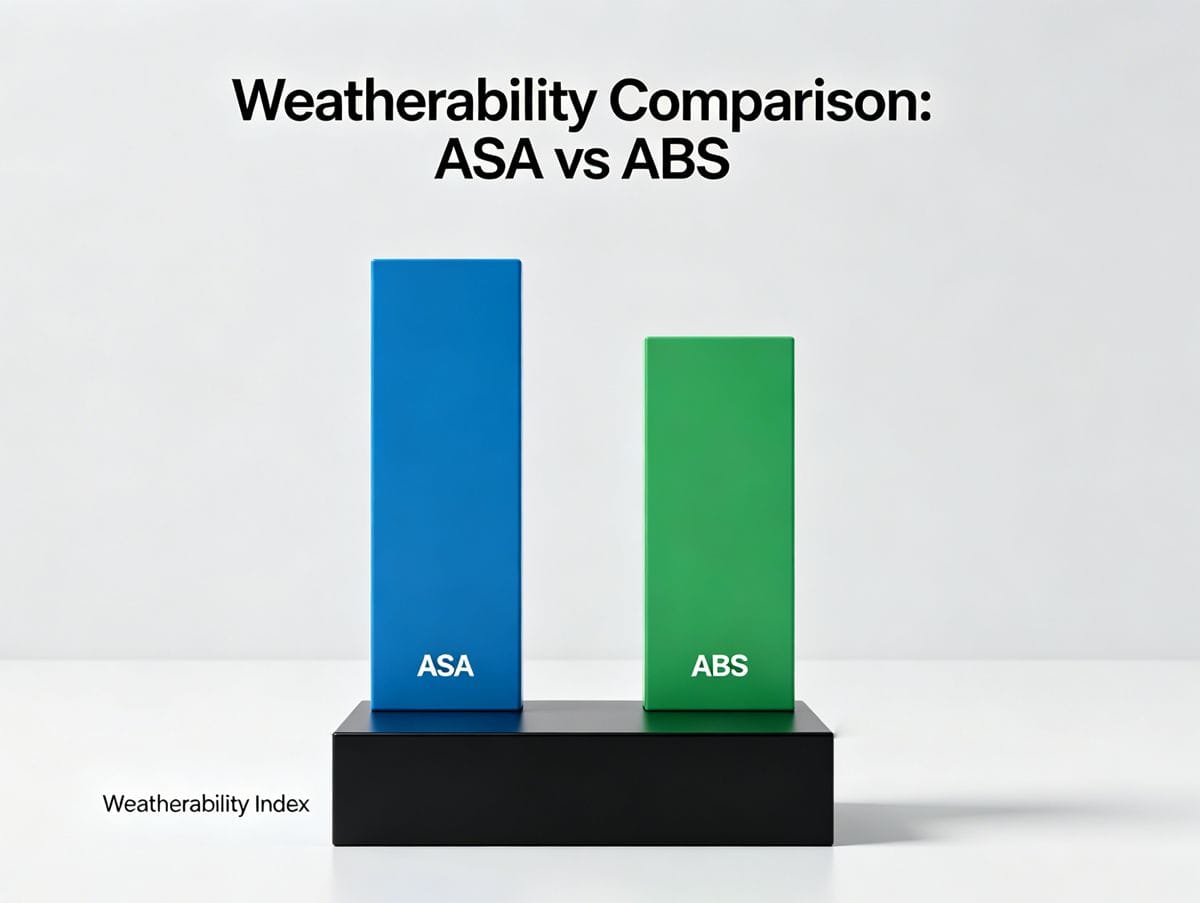
The core difference between ASA and its predecessor, ABS, lies in its molecular structure. ABS contains butadiene rubber, which has double bonds in its polymer chain. These double bonds are highly susceptible to attack by UV radiation and oxygen, causing the material to degrade, yellow, and lose its impact strength over time. I've seen countless outdoor products made from ABS fail within a year for this exact reason.
ASA solves this problem at the chemical level. It uses an acrylate rubber phase instead, which has a saturated polymer backbone—meaning no vulnerable double bonds. This fundamental change increases its weather resistance by as much as ten times compared to ABS. This isn't just an incremental improvement; it's a game-changer for any application that lives outdoors.
Key Performance Characteristics
| Property | ASA (Acrylonitrile Styrene Acrylate) | ABS (Acrylonitrile Butadiene Styrene) | Why It Matters |
|---|---|---|---|
| UV Resistance | Excellent | Poor | Prevents yellowing and embrittlement in sunlight. |
| Long-Term Heat Aging | Good | Moderate | Maintains properties at elevated temperatures. |
| Impact Strength | Good to High | High | Resists cracking from physical shocks. |
| Chemical Resistance | Good | Moderate | Withstands exposure to oils, greases, and salts. |
For products like automotive exterior trim, electrical enclosures, or garden furniture, this superior weatherability is not a luxury. It's a basic requirement for the product to be viable at all.
How Do You Define a Stable Process Window for ASA?
You think you can use your old ABS settings for ASA and just tweak them slightly. This often leads to unexpected defects, wasted time, and scrapped parts.
You must establish a new, specific process window for ASA. It is far more sensitive to processing parameters. A stable process requires precise control over melt temperature, mold temperature, and injection speed to prevent defects and ensure consistent part quality.
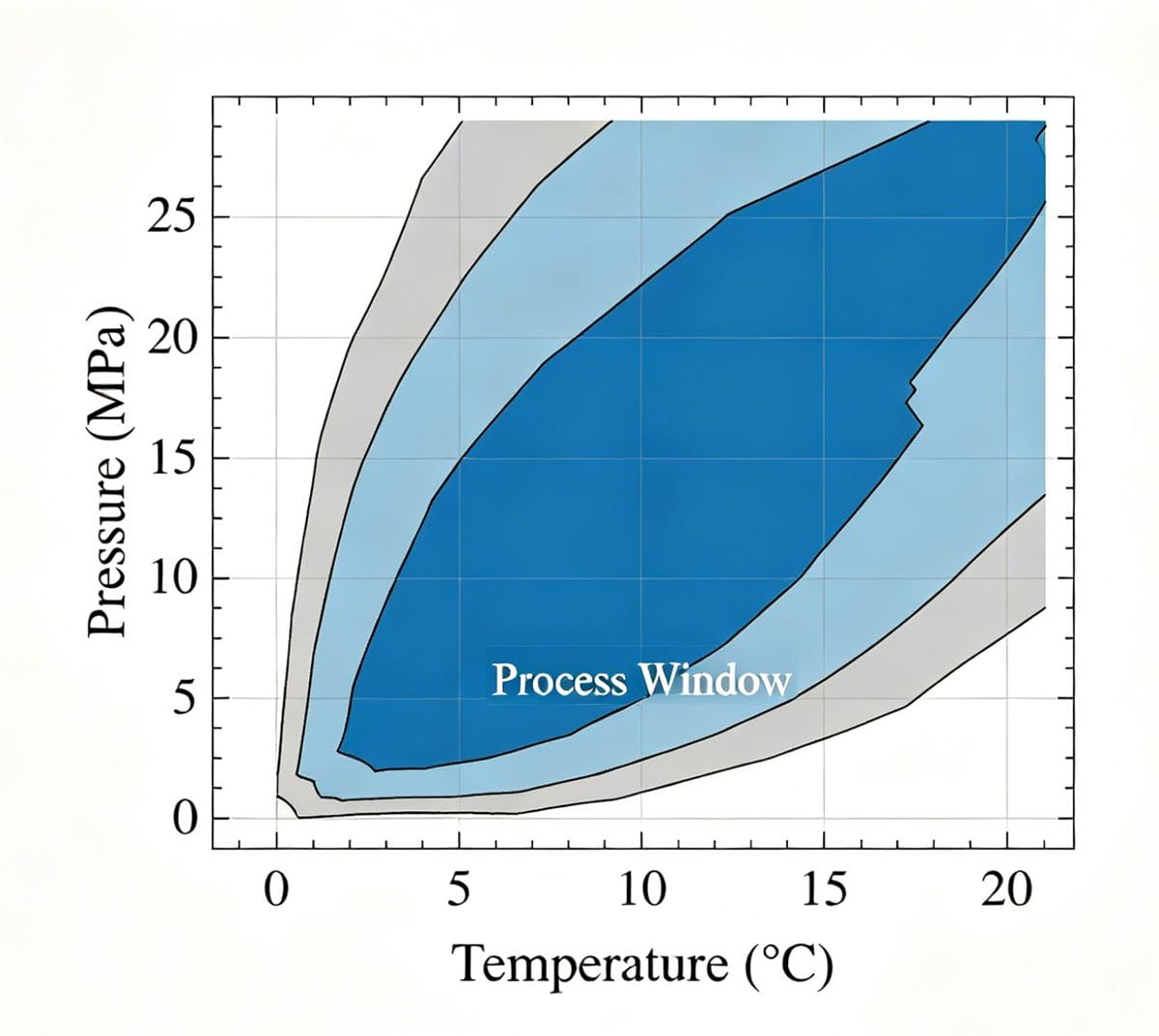
One of the biggest mistakes I see engineers make is underestimating ASA's sensitivity. You can't just treat it like a slightly modified ABS. A case I remember clearly involved persistent "white spots" appearing near the gate on a batch of high-gloss parts. After much trial and error, we discovered the root cause was excessive shear stress during injection.
Research from experts has confirmed this, showing a strong link between these white spots and high Von Mises stress in the material as it flows into the mold. ASA's rheology, or flow behavior, is simply different. It requires a more delicate touch. To solve our problem, we had to systematically optimize the entire process, not just one variable. This experience taught me that establishing a robust process window from the start is non-negotiable for ASA.
Defining Your Process Window
- Melt Temperature: Typically between 230°C and 260°C. Too low, and you get high stress and poor filling. Too high, and you risk thermal degradation, which can affect color and long-term weatherability.
- Mold Temperature: A higher mold temperature (60°C to 90°C) is crucial. It reduces internal stress, improves surface gloss, and helps weld lines become less visible. An improperly heated mold is a primary cause of warpage and surface defects.
- Injection Speed: Moderate speeds are usually best. Too fast, and you generate excessive shear stress (causing white spots). Too slow, and you risk premature freezing or poor surface replication.
Ultimately, you have to map out these parameters to find the sweet spot where you achieve a full part with minimal stress and a perfect finish.
Why is Mold Temperature So Critical for ASA Parts?
Your ASA parts are warping or showing surface flaws, even with the right melt temperature. You suspect the mold, but aren't sure what to fix.
The problem is almost certainly your thermal management. ASA is highly sensitive to uneven cooling, which creates internal stress. Maintaining a consistent and elevated mold temperature is essential for dimensional stability and a high-quality surface finish.
I can't stress this enough: for ASA, mold temperature is not just a parameter, it's a core pillar of quality. The material's final properties are locked in as it cools in the mold. If that cooling is uneven, you're essentially building stress directly into the part. Think of it like trying to build a straight wall on a crooked foundation. The part might look okay coming out of the machine, but that stored stress will cause it to warp over time or crack under load.
We once had a project for a large exterior panel that kept warping days after it was molded. We checked everything—pressure, speed, material—but the problem persisted. The breakthrough came when we used thermal imaging on the mold itself. We discovered "cold spots" where the cooling channels were less effective. By re-engineering the cooling layout to achieve a uniform surface temperature of 85°C, the warpage issue vanished completely. This demonstrates that deep thermal management, considering both the overall heat balance and the transient heat transfer as the plastic fills the cavity, is absolutely vital.
Key Aspects of Thermal Management
- Uniformity: The goal is an even temperature across the entire mold surface. This requires careful design of cooling channels, ensuring they are not too far from the cavity surface and are spaced evenly.
- Temperature Level: ASA requires a relatively high mold temperature, often in the 60-90°C range. This allows the polymer chains to relax before solidifying, drastically reducing molded-in stress and improving surface gloss.
- Cycle Time Impact: While a higher mold temperature can extend the cooling time, the resulting improvement in part quality and reduction in scrap rate almost always justifies it.
How Do You Systematically Troubleshoot ASA Molding Defects?
You're seeing defects like silver streaks or blotches on your ASA parts. You try adjusting random parameters, but the problem keeps coming back, wasting material and time.
Stop guessing and start diagnosing. Every ASA defect has a physical root cause. By understanding the physics behind issues like moisture-induced streaks or stress-related marks, you can implement targeted and effective countermeasures.
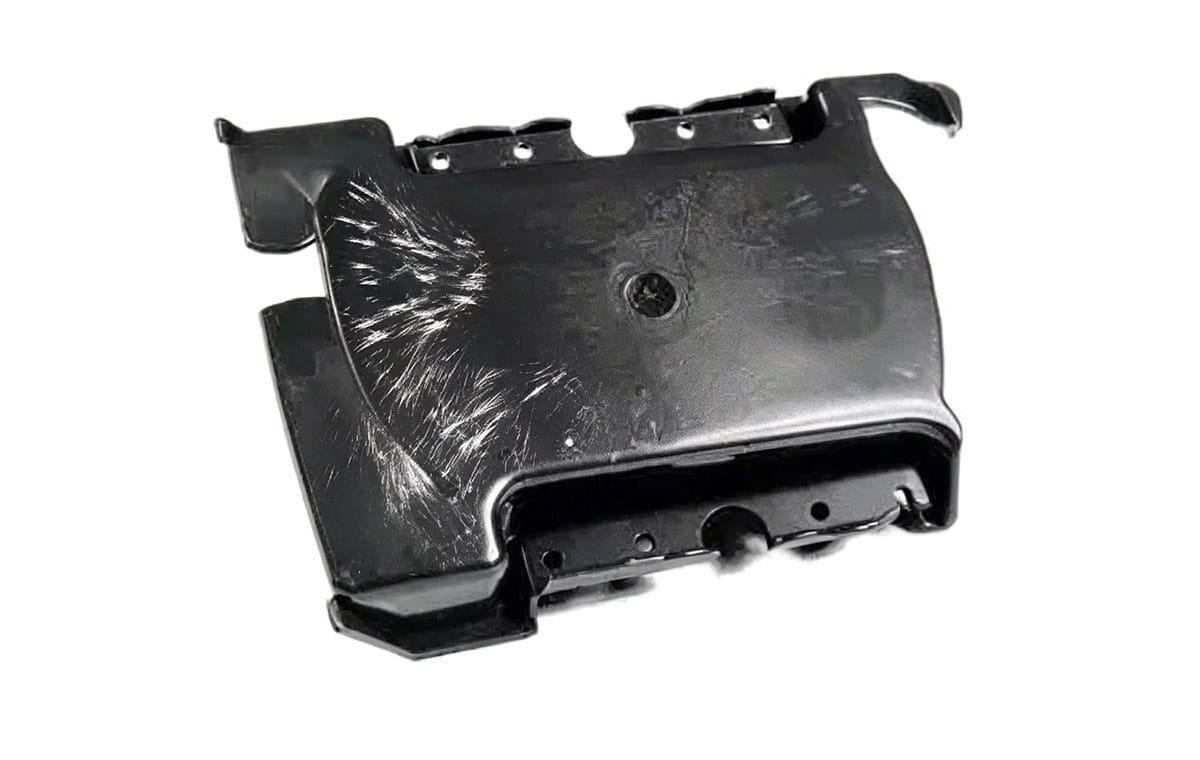
In my experience, the most "invisible killer" in ASA molding is moisture. ASA is hygroscopic, meaning it absorbs moisture from the air. Before molding, the moisture content absolutely must be below 0.05%. I've seen teams overlook this, and the results are disastrous. The moisture turns to steam at high processing temperatures, causing tell-tale silver streaks on the part surface.
But the damage is more than skin deep. That moisture also causes hydrolysis, a chemical reaction that breaks the molecular chains of the polymer. This permanently ruins the material's impact strength and weatherability—the very reasons you chose ASA in the first place. I've traced major field failures back to nothing more than improper drying in the hopper. It’s a simple step, but one that can make or break the entire project. This is why a systematic, root-cause approach is so important.
Common ASA Defects and Countermeasures
| Defect | Root Cause(s) | Key Countermeasures |
|---|---|---|
| Silver Streaks | Residual moisture in the resin. | Proper Drying: Dry pellets at 80-90°C for 2-4 hours in a dehumidifying dryer. Verify moisture content. |
| White Spots / Gate Blush | High shear stress during injection. | Process/Mold Optimization: Increase melt/mold temp, reduce injection speed, redesign gate for smoother flow. |
| Warpage | High molded-in stress from uneven cooling. | Thermal Management: Ensure uniform and elevated mold temperature. Optimize holding pressure and time. |
| Poor Weld Lines | Melt fronts are too cool when they meet. | Improve Flow: Increase melt and mold temperature. Adjust gate locations to move weld lines. |
When Should You Choose ASA Over Other Materials?
You're facing a material selection choice for a new product. You need weatherability, but you're also watching costs and processing complexity. Is ASA the right call?
Making the right choice requires a clear decision model. ASA is the superior option for outdoor applications where ABS fails, offering a great balance of performance, appearance, and processability without the high cost of more exotic polymers.
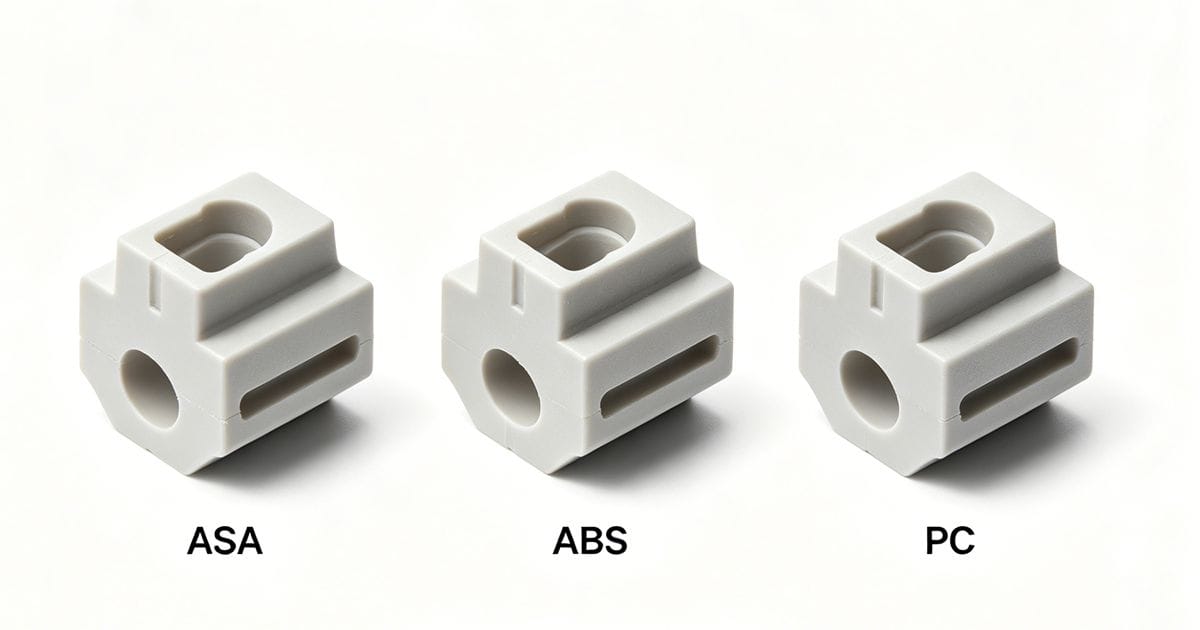
The primary driver for choosing ASA is what the industry calls "material substitution." In simple terms, ASA is taking over market share that once belonged to ABS, and for one very good reason: weatherability. If your product has to live outside, exposed to sun and rain, ASA is often the baseline. The failure of ABS in these environments is not a matter of "if," but "when."
However, the decision isn't always that simple. You have to weigh performance against cost and manufacturability. For example, polycarbonate ( PC ) offers higher impact strength, but it's more expensive and can be more difficult to process. For an application like an automotive mirror housing, which needs a perfect finish and decade-long UV resistance, ASA is the clear winner. For a simple indoor housing, ABS is more cost-effective. Creating a decision matrix helps clarify these trade-offs and leads to a better engineering choice.
Engineering Selection Decision Model
| Criteria | ASA | ABS | PC/ASA Alloy | PMMA |
|---|---|---|---|---|
| Weatherability (UV) | ★★★★★ | ★☆☆☆☆ | ★★★★☆ | ★★★★★ |
| Impact Strength | ★★★★☆ | ★★★★☆ | ★★★★★ | ★★☆☆☆ |
| Surface Gloss | ★★★★★ | ★★★☆☆ | ★★★★☆ | ★★★★★ |
| Processability | ★★★★☆ | ★★★★★ | ★★★☆☆ | ★★★☆☆ |
| Cost | $$$ | $$ | $$$$ | $$$ |
This model makes it clear: when your primary requirement is long-term outdoor survival combined with good aesthetics and reasonable toughness, ASA hits the sweet spot.
How Should You Design Parts Specifically for ASA Molding?
You've designed a great-looking part, but it's failing during molding trials. The issue might not be the process, but the design itself, which isn't optimized for ASA.
Successful ASA molding starts on the drawing board. Designing for ASA means focusing on manufacturability (DfMA) by managing internal stress and flow behavior. This includes details like uniform wall thickness, generous radii, and intelligent gate placement.
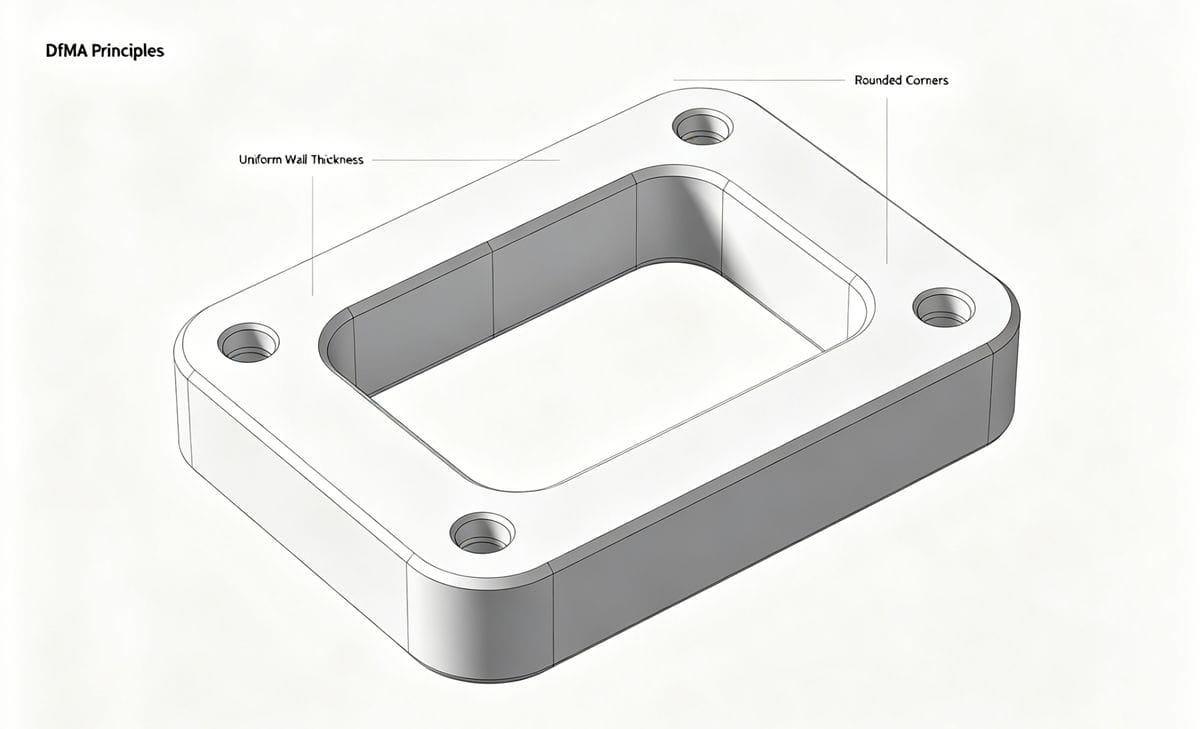
When I review a new part design destined for ASA molding, I'm looking for potential stress concentrators. ASA is more sensitive to stress than general-purpose plastics, so sharp internal corners are a huge red flag. They create weak points where cracks can form, either during ejection from the mold or later in the field. Mandating generous radii on all corners is one of the first and most important DfMA rules for ASA.
Another critical area is gate design and location. The gate is where the molten plastic enters the part cavity, and it's a region of extremely high pressure and shear. As we saw with the "white spot" issue, poor gate design can cause permanent cosmetic defects. For ASA, we often favor tab gates or fan gates that allow the material to flow into the cavity more gently, reducing stress. We also position gates in non-critical cosmetic areas whenever possible. Thinking about these manufacturing details during the design phase saves enormous amounts of time and money later.
Key DfMA Principles for ASA
- Uniform Wall Thickness: Drastic changes in thickness cause uneven cooling, leading to sink marks and warpage. Maintain as uniform a wall section as possible.
- Generous Radii: All internal corners should have a radius of at least 0.5 times the wall thickness to distribute stress.
- Draft Angles: Incorporate draft angles (typically 1-2 degrees) on all surfaces parallel to the mold opening direction to ensure easy part ejection without stress.
- Rib and Boss Design: Design ribs to be 50-60% of the nominal wall thickness to prevent sink marks on the opposite surface.
Can You Paint or Coat ASA Parts Easily?
Your design requires a specific color or finish not available with standard resins. You're considering painting, but worry about adhesion, cost, and environmental impact.
ASA's excellent inherent surface quality often makes painting unnecessary. However, when secondary processing is needed, ASA shows great compatibility with painting, printing, and welding, giving you design flexibility while often saving you from the process entirely.
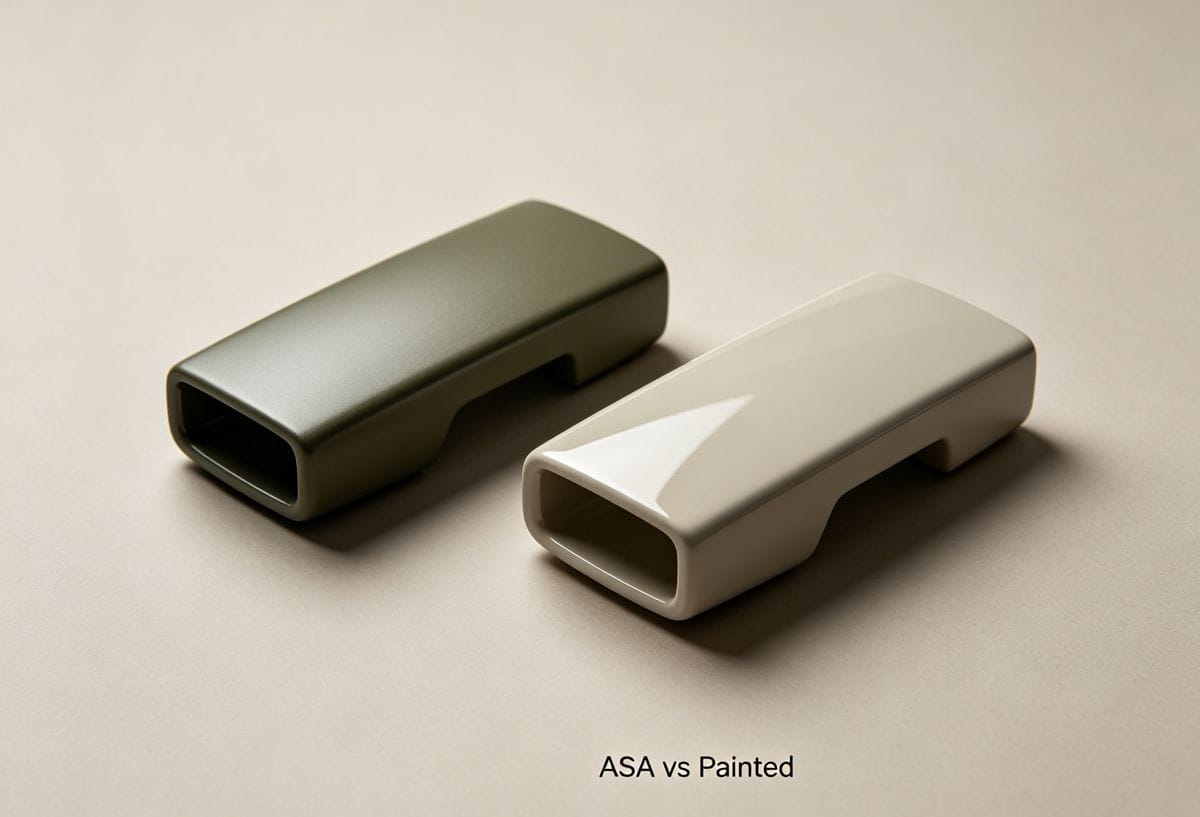
One of the most exciting trends I'm seeing with ASA is the rise of paint-free, mold-in-color exterior parts, especially in the automotive industry. Traditional car parts require dedicated, multi-million dollar paint lines to achieve the desired high-gloss finish and weatherability. These lines are not only expensive to build and run but also generate significant VOC (Volatile Organic Compound) emissions, creating environmental pressure.
ASA, particularly the new high-flow, high-gloss grades, can solve this problem. By using a highly polished mold and carefully controlled processing, you can produce a part with a "Class A" surface finish straight out of the machine. The color and UV protection are integral to the material itself. This can lead to cost savings of 20-30% by eliminating the entire painting process. It's a huge win for both the bottom line and the environment. When painting is unavoidable, ASA's surface energy allows for excellent paint adhesion, but the ability to skip that step is one of its most powerful advantages.
Secondary Processing Compatibility
- Painting & Printing: ASA has good surface polarity, which promotes excellent adhesion for most automotive-grade paints and inks without extensive surface pre-treatment.
- Welding: It can be reliably joined using methods like ultrasonic welding, vibration welding, and hot plate welding, creating strong, hermetic seals.
- Adhesive Bonding: ASA bonds well with a variety of adhesives, including cyanoacrylates, epoxies, and polyurethanes.
How Does ASA Fit into a Sustainable Manufacturing Plan?
You're under pressure to make your manufacturing processes more sustainable. You need materials that reduce environmental impact without sacrificing performance or increasing costs.
ASA contributes significantly to sustainability, but not just through recycling. Its primary benefits come from durability, which extends product life, and its suitability for paint-free applications, which eliminates harmful VOCs and reduces energy consumption.
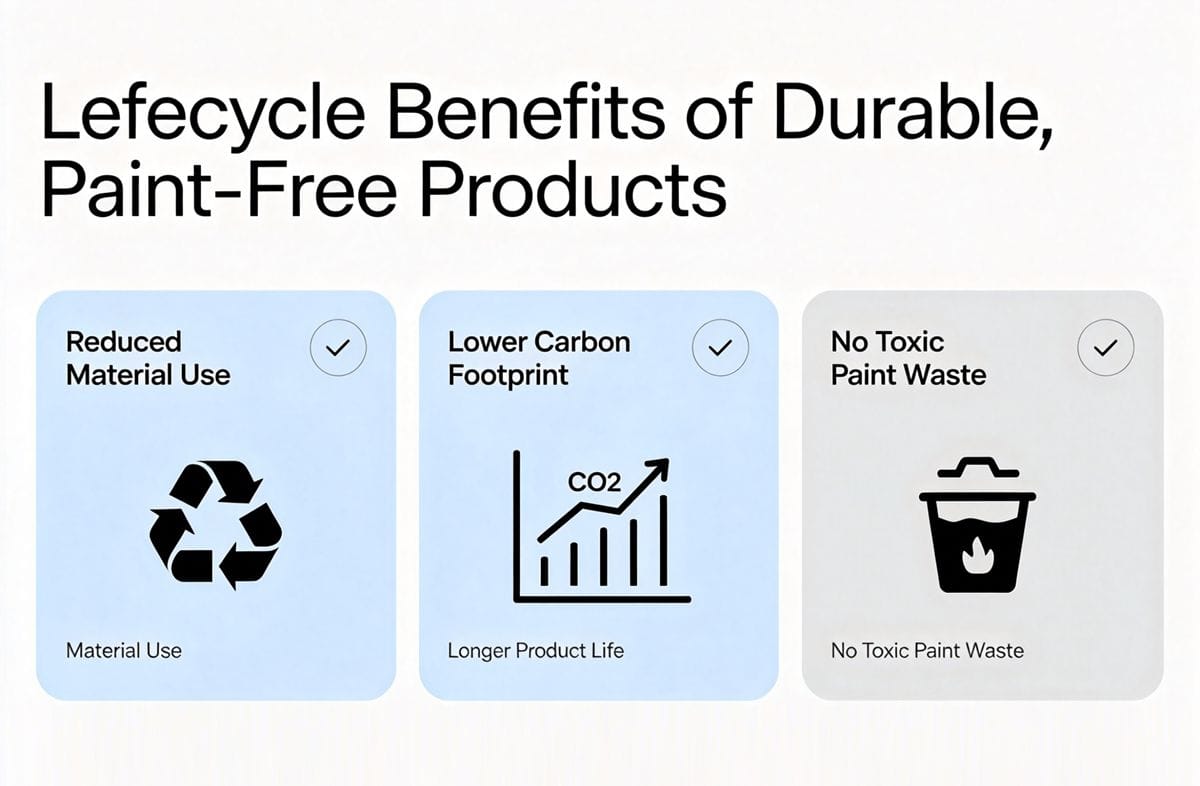
When people hear "sustainability" in plastics, they usually think of recycling. While ASA is a thermoplastic and can be recycled, its biggest environmental contribution comes earlier in its lifecycle. The first pillar is durability. Because ASA parts don't degrade in the sun, they last much longer. A satellite dish or an outdoor junction box made from ASA might last 10-15 years, whereas one made from ABS might need replacement in 3-5 years. This reduction in replacement cycles saves an enormous amount of material, energy, and waste over the long term.
The second pillar, as we've discussed, is the elimination of painting. Paint lines are huge consumers of energy and water, and they produce hazardous waste and air pollutants. By adopting mold-in-color ASA for a high-gloss exterior part, a company can shut down an entire section of its factory. The savings in energy and the reduction in environmental footprint are massive. This strategy, known as source reduction, is often far more impactful than recycling at the end of a product's life.
ASA's Contributions to Sustainability
- Extended Product Lifespan: Superior weatherability means fewer replacements, conserving resources.
- Elimination of Painting: Reduces VOC emissions, energy consumption, and water usage.
- Lower Manufacturing Footprint: Fewer manufacturing steps (no painting, coating) simplifies the supply chain.
- Recyclability: As a thermoplastic, scrap and end-of-life parts can be reground and reprocessed for certain applications.
What Advanced Molding Techniques Work Well with ASA?
You've mastered standard injection molding for ASA, but now you need to produce more complex parts. You're wondering what other molding technologies can unlock new design possibilities.
Beyond standard processing, ASA is highly compatible with advanced techniques like gas-assist and co-injection molding. These methods can help you create stronger, lighter, and more cost-effective parts with complex geometries that are impossible with conventional molding.
While standard solid injection molding works great for most ASA applications, sometimes a design calls for something more. I worked on a project for a thick, hollow equipment handle that needed to be both strong and lightweight. With conventional molding, a thick section like that would have massive sink marks and internal voids. The solution was Gas-Assist Injection Molding.
In this process, we first inject a partial shot of ASA into the mold. Then, we inject high-pressure nitrogen gas into the molten core. The gas pushes the plastic outward against the mold walls, creating a hollow, defect-free part with a perfect surface finish. It solved the sink mark problem while also reducing part weight and cycle time. Other advanced technologies, like co-injection, allow us to use a core of lower-cost or recycled material with a skin of virgin ASA, further improving cost-effectiveness and sustainability. These advanced methods open up a whole new level of design freedom for engineers working with ASA.
Exploring Advanced Technologies
- Gas-Assist Injection Molding: Ideal for parts with thick sections or hollow channels. It reduces sink marks, warpage, and clamp tonnage requirements.
- Co-Injection (Sandwich) Molding: Injects a skin of virgin ASA and a core of a different material (e.g., recycled ASA, foamed material). Great for cost reduction and using recycled content without sacrificing surface quality.
- High-Gloss Molding: Uses rapidly heated and cooled molds (variotherm technology) to replicate ultra-smooth mold surfaces, creating "Class A" finishes without painting.
How Do You Ensure Consistent Quality with ASA Parts?
You've successfully produced a golden batch of ASA parts. Now, how do you ensure that the ten-thousandth part is just as good as the first?
Consistent quality comes from a robust lifecycle assurance plan. This means rigorously qualifying your material supplier, implementing strict process controls on the shop floor, and using data to monitor production stability from start to finish.
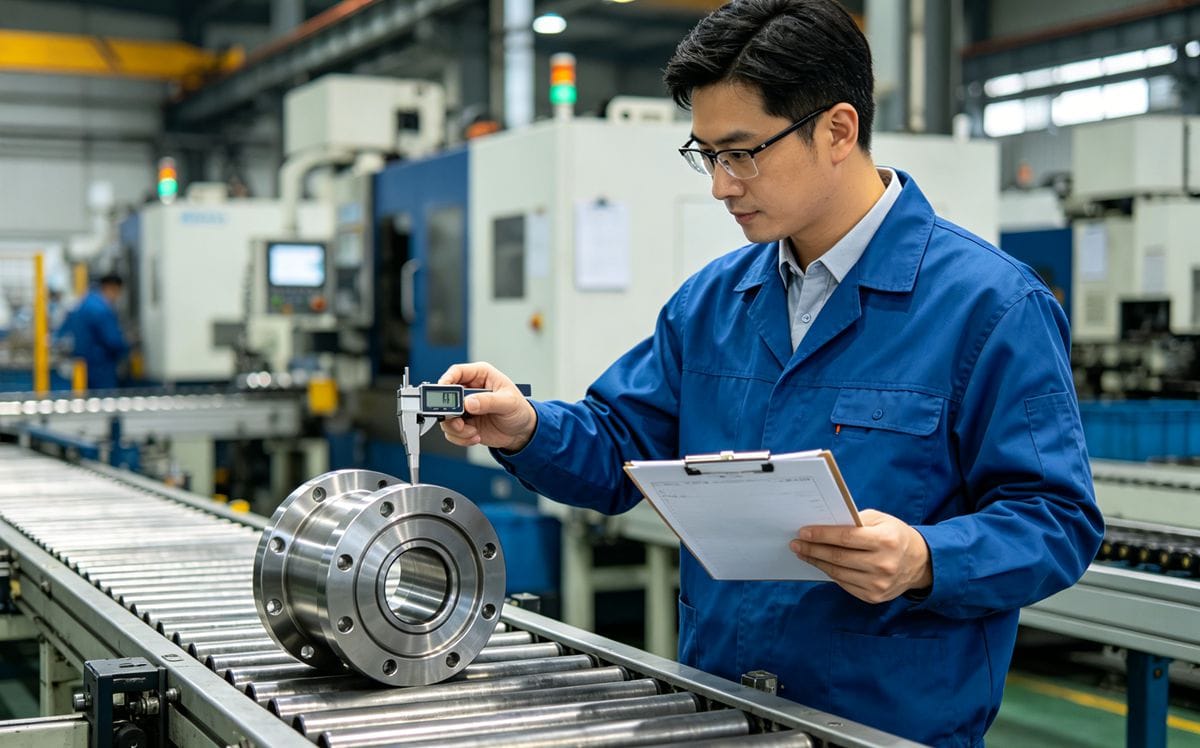
Quality isn't a one-time check; it's a continuous process. When I'm evaluating a new supplier for an ASA project, I'm not just looking at the price per kilogram. I'm assessing their technical capability. Do they provide complete material datasheets? Can they offer a certificate of analysis with every batch confirming its Melt Flow Index (MFI) and moisture content? Do they have the expertise to support our team with DFM analysis and troubleshooting? A cheap supplier who can't provide this level of technical partnership is a huge risk.
Once the material is on our shop floor, quality assurance shifts to process control. This means using Statistical Process Control (SPC) to monitor key variables like cycle time, peak injection pressure, and melt cushion. By tracking these data points in real-time, we can detect any drift away from our validated process window long before it results in bad parts. This proactive approach, combining a capable supplier with disciplined production monitoring, is the only way to guarantee consistent quality over the entire lifecycle of a product.
Key Pillars of Quality Assurance
- Supplier Qualification: Assess the supplier's technical support, quality systems (e.g., IATF 16949), and batch-to-batch consistency.
- Incoming Material Inspection: Verify material certificates and conduct spot checks on moisture content and other key properties.
- Process Validation (IQ/OQ/PQ): Systematically establish and document a robust process window.
- In-Process Control (SPC): Use real-time data to monitor process stability and prevent defects.
- Final Part Inspection: Conduct dimensional and visual checks based on an established quality plan.
Where is ASA Making a Real-World Impact?
All this theory is great, but where is ASA actually being used? You want to see real-world examples to understand its practical benefits and potential applications.
From the car in your driveway to the charging station it uses, ASA is already proving its worth. It has become the go-to material for automotive exteriors, electrical enclosures, and outdoor equipment where weather resistance is non-negotiable.
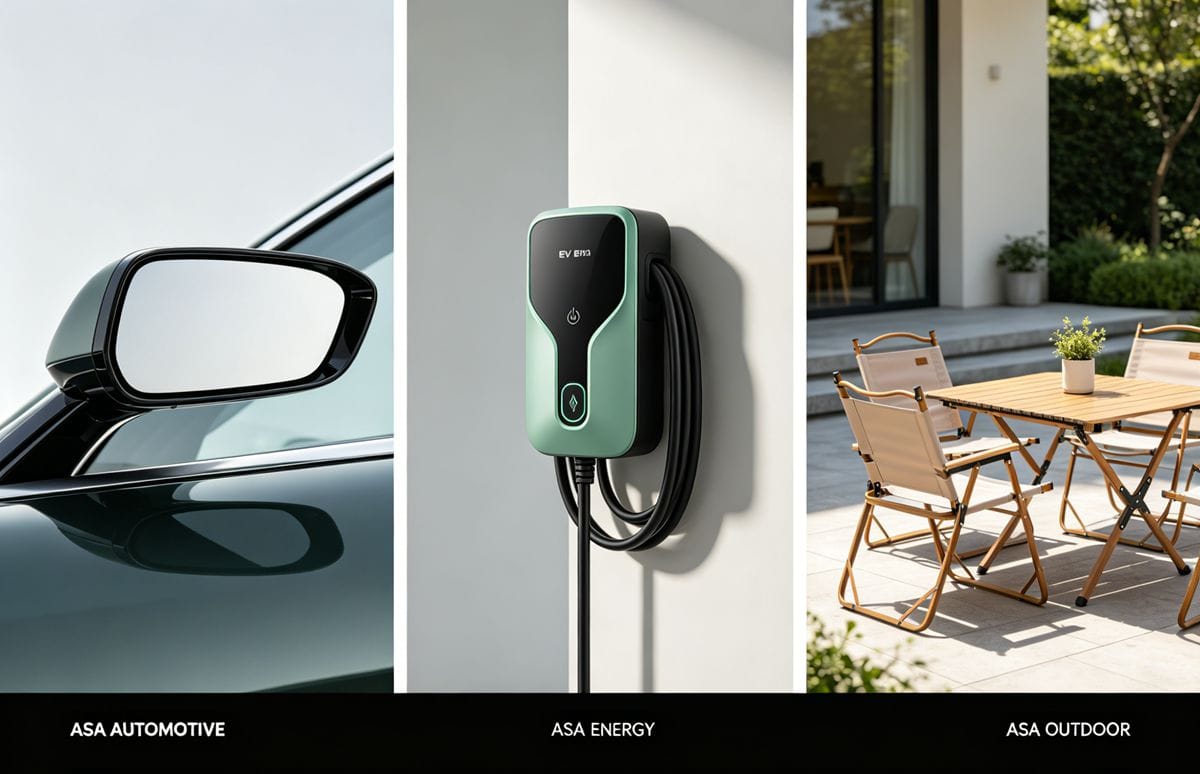
The most visible application of ASA is in the automotive industry. Look at the black, unpainted plastic trim on modern cars—mirror housings, radiator grilles, and cowl vents. More often than not, that's ASA. Carmakers choose it because it can withstand a decade of sun, snow, and road salt while maintaining its color and strength. This is a perfect example of ASA replacing ABS to solve a long-standing durability problem.
Another rapidly growing market is for outdoor electrical equipment, like 5G telecom antennas and EV charging stations. These products have sensitive electronics inside and are exposed to the elements 24/7. Their housings need to be tough, electrically insulating, and, most importantly, UV-stable. ASA fits these requirements perfectly. I remember a failure retrospective on a competitor's product where the housing, made of a lesser material, became so brittle after two years in the sun that it cracked during a hailstorm, leading to a costly recall. This is the kind of field failure that ASA is designed to prevent.
Industry-Specific Applications
| Industry | Application Examples | Key Benefits Provided by ASA |
|---|---|---|
| Automotive | Mirror housings, grilles, spoilers, roof racks | Class A surface finish, long-term UV and heat resistance. |
| Building & Construction | Window profiles, siding, gutters, deck components | Color stability, impact resistance, low maintenance. |
| Electrical & Electronics | Outdoor enclosures, EV charging stations, security cameras | UV protection, dimensional stability, UL flame ratings. |
| Recreational | Spa and pool components, marine hardware, garden furniture | Chemical resistance (chlorine, salt), weatherability. |
What's Next for ASA in the Injection Molding Industry?
ASA is already a strong material, but what does the future hold? Staying ahead means understanding where the technology and market are heading next.
The future of ASA is bright, driven by falling costs, advanced material modifications, and expanding applications. As it becomes more cost-competitive and versatile, its adoption as the default choice for durable outdoor goods will only accelerate.
The story of ASA is still being written, and two major trends are shaping the next chapter. The first is cost reduction. Recently, new large-scale production facilities have come online, significantly lowering the production cost of ASA resin. As the price gap between ASA and ABS narrows, the economic argument for using the superior material becomes overwhelming. This will accelerate its adoption in more cost-sensitive markets.
The second trend is advanced modification. Material scientists are not standing still. I've been impressed with new high-flow ASA grades engineered to solve specific problems, like warpage in large, flat parts. By tweaking the molecular structure, these grades can fill a mold at lower pressures, drastically reducing molded-in stress. This is a much more elegant solution than trying to fight physics on the shop floor with process adjustments. As these specialty grades become more common, they will enable even more complex and demanding applications.
My personal reflection is this: advances in material science are exciting, but they are meaningless until they are translated into precise, disciplined control on the factory floor. ASA is a material that demands respect. As its market grows, the engineers and processors who succeed will be the ones who maintain a deep understanding of the material's nature and a healthy respect for the details of its processing.
Conclusion
ASA offers a fantastic balance of outdoor performance and processability. However, true success demands a deep respect for its unique characteristics, from meticulous drying to precise thermal management in the mold.



 English
 French
 Dutch
Dutch German
 Japanese
 Korean