 Nederlands



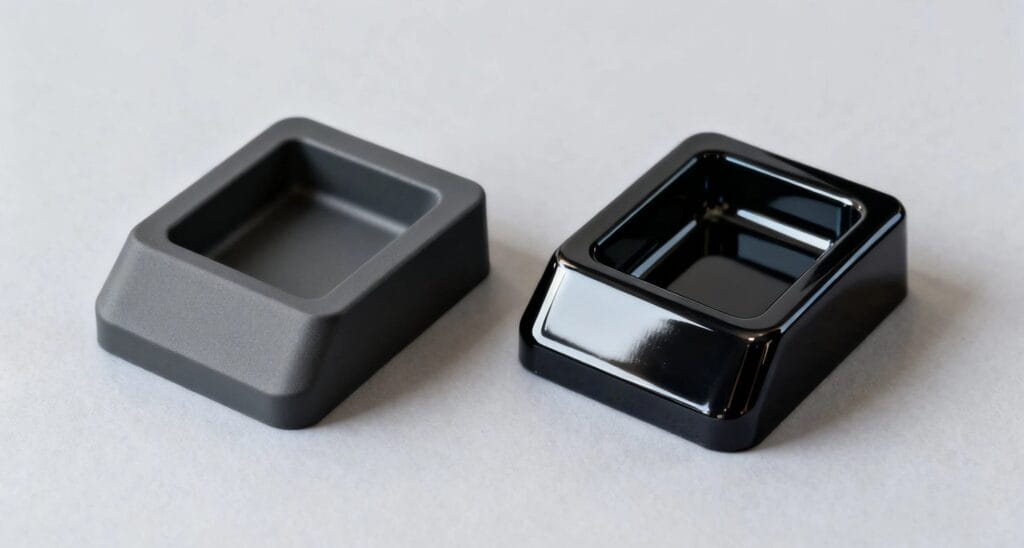
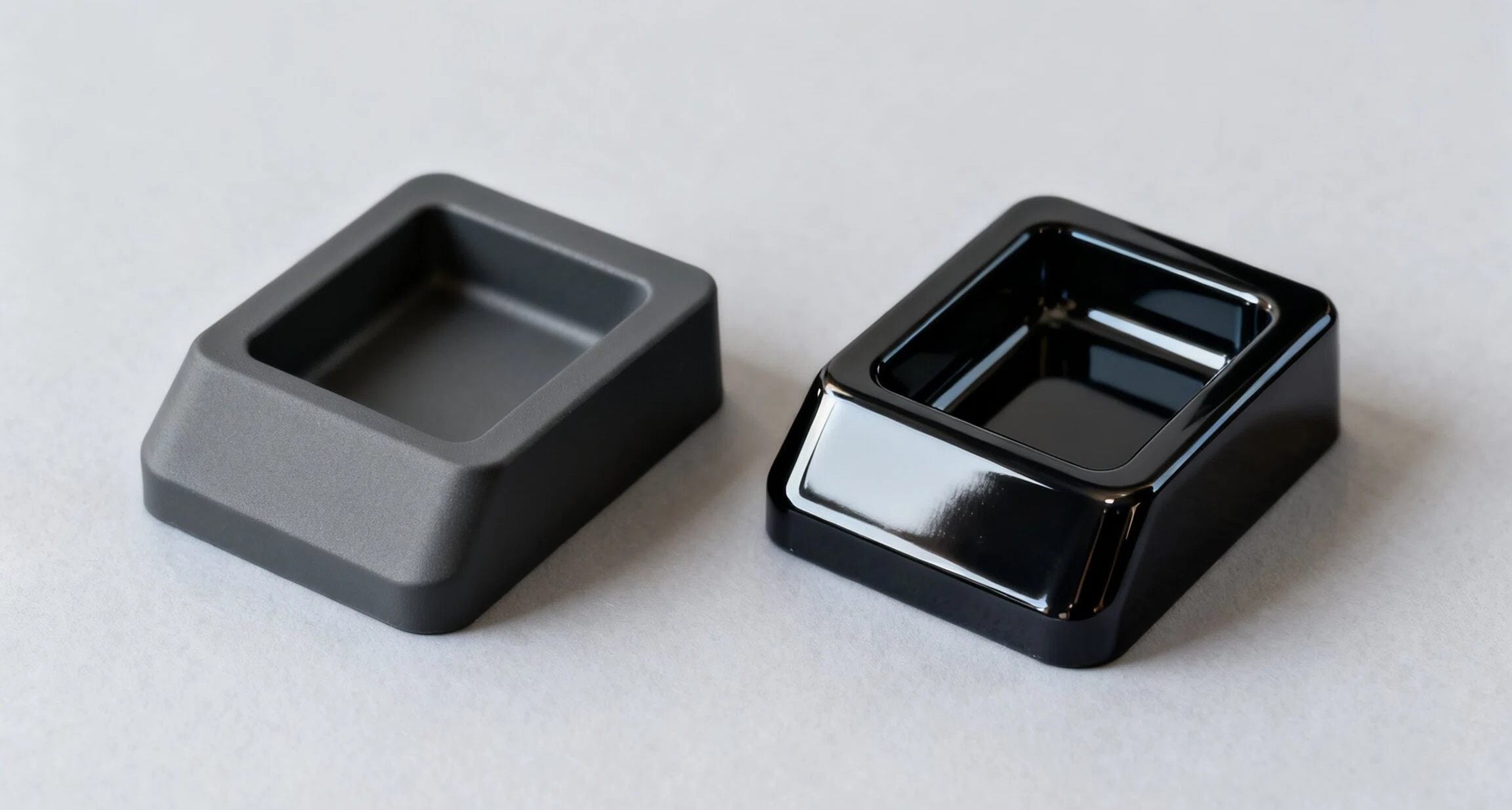
A dull or matte finish on ABS injection molded parts is a common challenge in manufacturing. Achieving a high-gloss surface isn't just about aesthetics; it often reflects the overall quality of the molding process.
The root causes of poor surface gloss generally fall into three categories: Mold Design, Injection Molding Process, en Raw Materials. Below is a comprehensive guide to troubleshooting and fixing this issue.
1. Mold Design & Maintenance
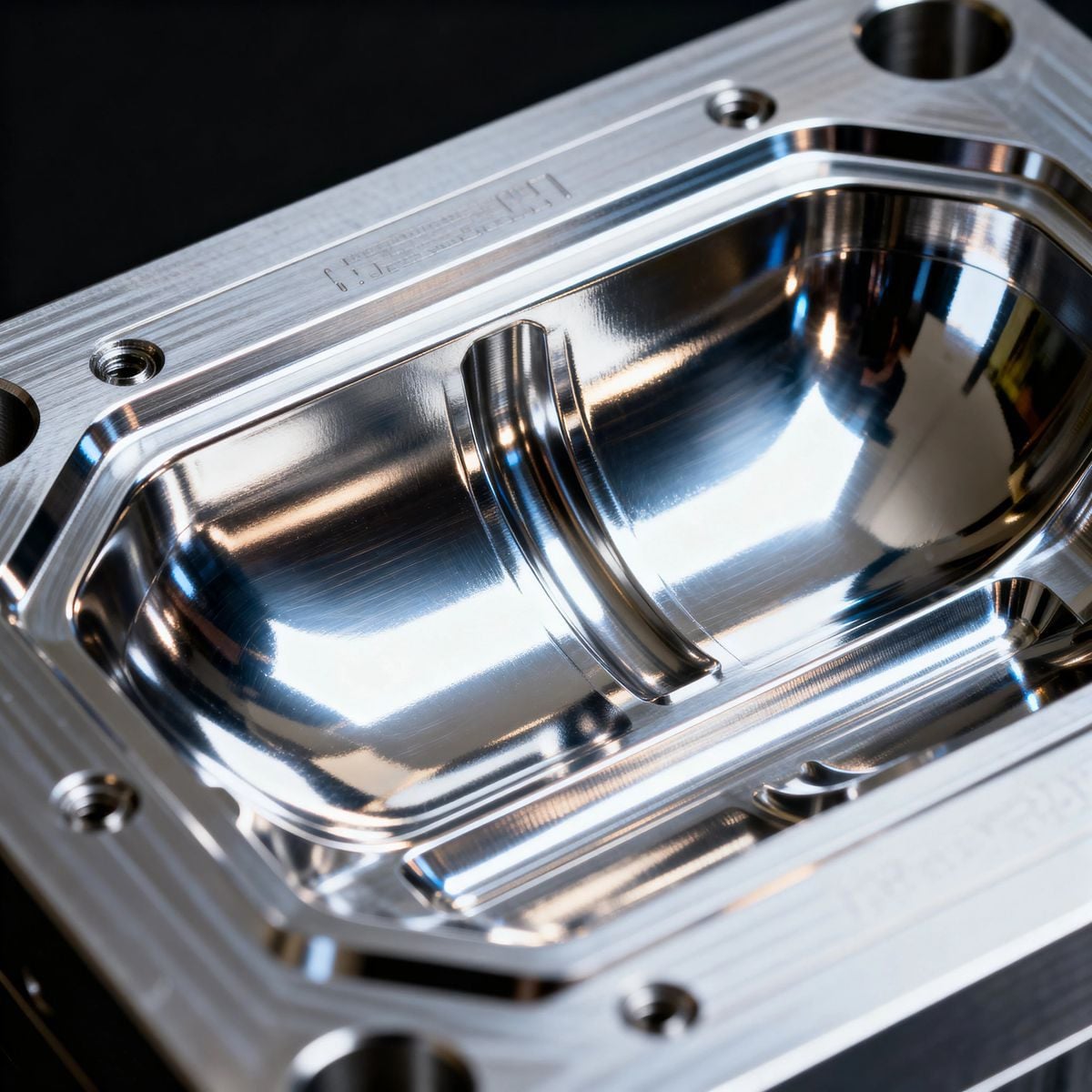
The mold is the direct "mirror" of the plastic part. Any imperfection on the mold surface will be replicated on the final product.
- Surface Finish Quality: Poor machining, scratches, micro-pores, or wear on the cavity surface will result in a dull finish. Oplossing: Precision machining is required. Ensure the cavity has a low surface roughness value, and consider polishing and chrome plating if necessary.
- Contamination & Mold Release Agents: Oil, water stains, or excessive use of mold release agents can cause the part surface to look hazy and dark. Oplossing: Clean the mold regularly and strictly limit the use of release agents.
- Ejection System: If the draft angle is too small, ejection becomes difficult and causes excessive friction, damaging the surface gloss. Oplossing: Increase the draft angle to ensure smooth ejection.
- Problemen met de ventilatie: Trapped gases inside the mold can burn or create surface defects, reducing gloss. Oplossing: Inspect and optimize the mold venting system.
- Gating & Runner Design: If the gate or runner cross-section is too small or changes abruptly, the melt experiences high shear stress and turbulent flow. Oplossing: Appropriately increase the cross-sectional area of the gate and runner.
2.
Spuitgietproces Parameters
Fine-tuning your machine settings is often the most cost-effective way to improve part glossiness.
- Injection Speed: Too slow, and the part surface won't pack densely enough. Too fast (especially with a small gate), and you'll get jetting or localized dullness near the gate. Oplossing: Find the optimal speed. Generally, increase it for better density, but reduce it if gate blush occurs.
- Holding Pressure & Time: Insufficient holding pressure or time leads to low part density and a matte surface. Oplossing: Increase both holding pressure and holding time.
- Melt Temperature: Low melt temperature reduces flowability, resulting in poor surface replication. Oplossing: Raise the barrel/melt temperature appropriately.
- Cooling System: For thick-walled parts or crystalline resins (like PE, PP, POM), uneven or insufficient cooling causes surface roughness and dullness. Oplossing: Optimize the cooling channels to ensure uniform and adequate cooling.
3. Raw Material Quality & Preparation
Even with a perfect mold and settings, poor material will yield poor results.
- Particle Size Variation: Inconsistent pellet sizes lead to uneven plasticization. Oplossing: Screen and sort the raw material before processing.
- Regrind / Recycled Content: Adding too much regrind disrupts melt uniformity. Oplossing: Strictly control and reduce the percentage of regrind.
- Thermal Degradation: Some materials decompose and discolor at high temperatures, killing the gloss. Oplossing: Select materials with better thermal stability.
- Moisture Content: Excess moisture or volatiles turn into gas during melting, causing micro-voids and dullness. Oplossing: Pre-dry the ABS resin thoroughly according to manufacturer specifications.
- Additive Dispersion: Poorly dispersed additives create surface defects. Oplossing: Use additives with better flow and dispersion properties.
- Verontreiniging: Foreign materials or incompatible resins won't blend uniformly. Oplossing: Implement strict quality control to eliminate cross-contamination.
- Lubricant Levels: Insufficient internal lubricant reduces melt flow, leading to a non-dense surface. Oplossing: Increase the lubricant dosage appropriately.
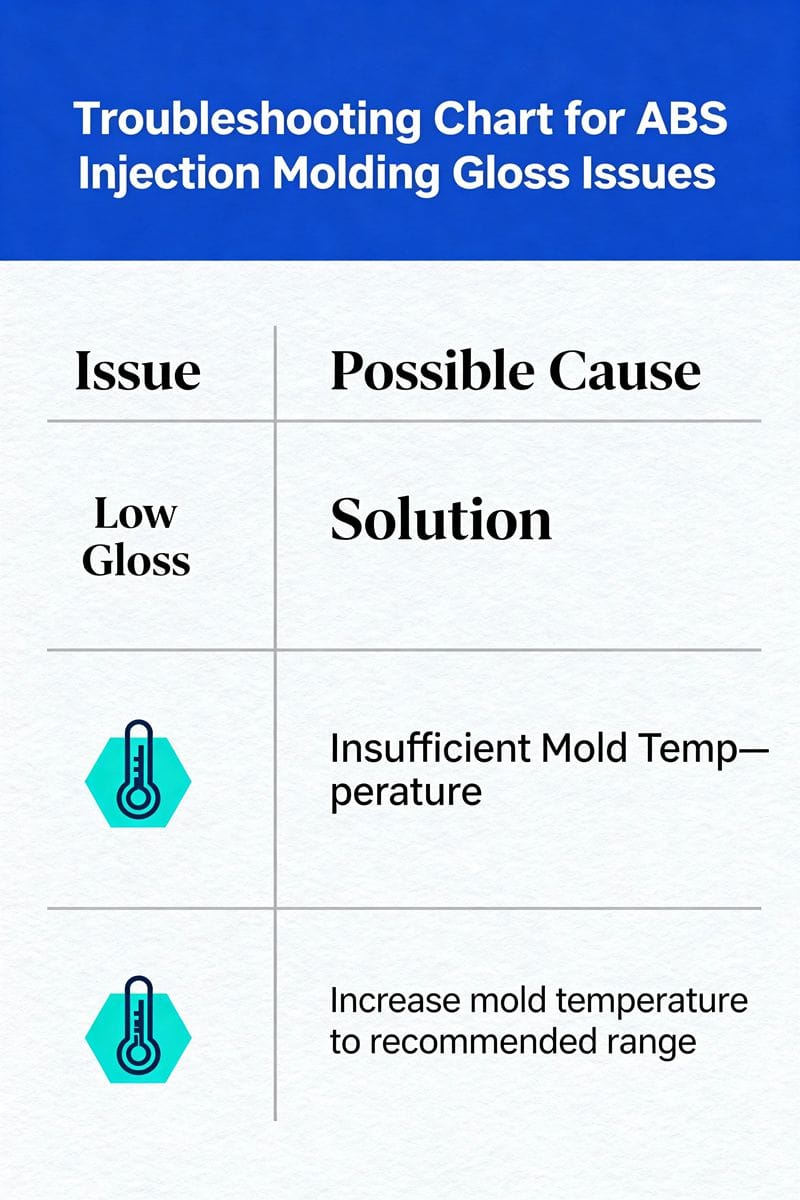
Quick Troubleshooting Cheat Sheet
For a quick reference, use the table below to diagnose your ABS gloss issues:
| Problem Area | Mogelijke oorzaak | Recommended Solution |
|---|---|---|
| Mold Surface | Scratches, wear, or poor finish | Polish cavity, apply chrome plating |
| Mold Contamination | Excess release agent, oil, or water | Clean mold, minimize release agents |
| Injectiesnelheid | Too slow (dull overall) or too fast (gate blush) | Optimize speed; enlarge gate if necessary |
| Holding Phase | Low pressure or short time | Increase holding pressure and time |
| Material Prep | High moisture content | Pre-dry ABS resin thoroughly |
| Regrind Usage | Too much recycled material | Reduce regrind percentage |
Conclusie
Achieving a brilliant gloss on ABS injection molded parts requires a holistic approach. Always start by checking your raw material preparation and mold cleanliness before making drastic changes to your injection molding parameters.
Over de auteur

Alex Yu
Ideal Pro Manufacturing
Alex is medeoprichter van Ideal Pro, maar wanneer hij niet toezicht houdt op belangrijke projecten of leiding geeft aan het technische team, is hij waarschijnlijk bezig met een lange fietstocht, op zoek naar de beste koffie van de stad, of bezig met het plannen van zijn volgende reisavontuur. Met meer dan 20 jaar ervaring op het gebied van internationale handel en projectmanagement heeft hij het allemaal al meegemaakt: strakke deadlines, lastige technische vraagstukken en alles daartussenin. Hij is ervan overtuigd dat uitstekend werk voortkomt uit een uitgeruste geest en een goede kop koffie, en hij brengt diezelfde nieuwsgierigheid en oog voor detail mee in elk project dat hij aanneemt. Als hij niet op kantoor is, bevindt hij zich meestal ergens in de buitenlucht, waar hij nieuwe plekken verkent en verhalen verzamelt om te delen.




 English
 French
 Dutch
 German
 Japanese
 Korean