 한국어



Injection Molding Shrinkage: The Impact of Temperature and Speed
Shrinkage (sink marks and voids) is one of the most common defects in injection molding. It occurs when the molten plastic cools and shrinks, leaving a void because the gate has sealed off before enough material could compensate for the contraction.
While many technicians know the basics, there are counter-intuitive factors that often make the problem worse. This article explores how 금형 온도, 용융 온도, 및 사출 속도[^1] specifically influence shrinkage.
Mold Temperature: Why "Too Cold" Can Be Bad
A common misconception is that lowering the mold temperature always helps reduce shrinkage. While high mold temperatures do prolong cooling time and can lead to shrinkage, mold temperature that is too low is equally detrimental.
The Mechanism of Failure
When the mold temperature is too low, the melt cools too rapidly.
- Blocked Channels: In thick sections far from the gate, the outer skin freezes quickly. This seals off the channel, preventing molten plastic from the gate from reaching the core to compensate for shrinkage.
- Concentrated Shrinkage: Low mold temperatures do not favor uniform overall shrinkage. Instead, they increase "concentrated shrinkage," making sink marks more severe and obvious.
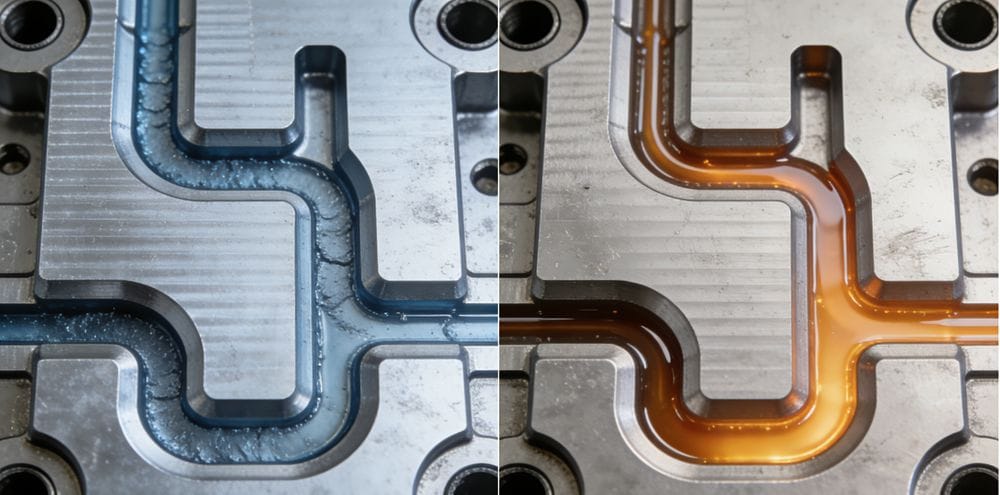
> 전문가 팁: When troubleshooting difficult shrinkage issues, check your mold temperature. For materials like 폴리카보네이트(PC)[^2], which are prone to voids, increasing the mold temperature can significantly improve the issue, whereas low temperatures will seal the gate too early.
Melt Temperature: The Balance of Fluidity
Most operators know that high melt temperatures can cause shrinkage due to longer cooling times. The standard reaction is to lower the temperature by 10~20°C. However, setting the melt temperature too low (near the lower limit) is a critical error, especially for thick parts.
Why Low Melt Temperature Worsens Shrinkage
- Premature Freezing: Similar to low mold temperature, if the melt is too cool, it condenses too fast.
- Lack of Pressure Transmission: A sufficient temperature difference is needed from the shrinkage location back to the gate to allow for feeding. If the melt is too cold, the "feeding channel" freezes off before the part is packed out.
- Material Sensitivity: This is very common with fast-condensing materials like PC.
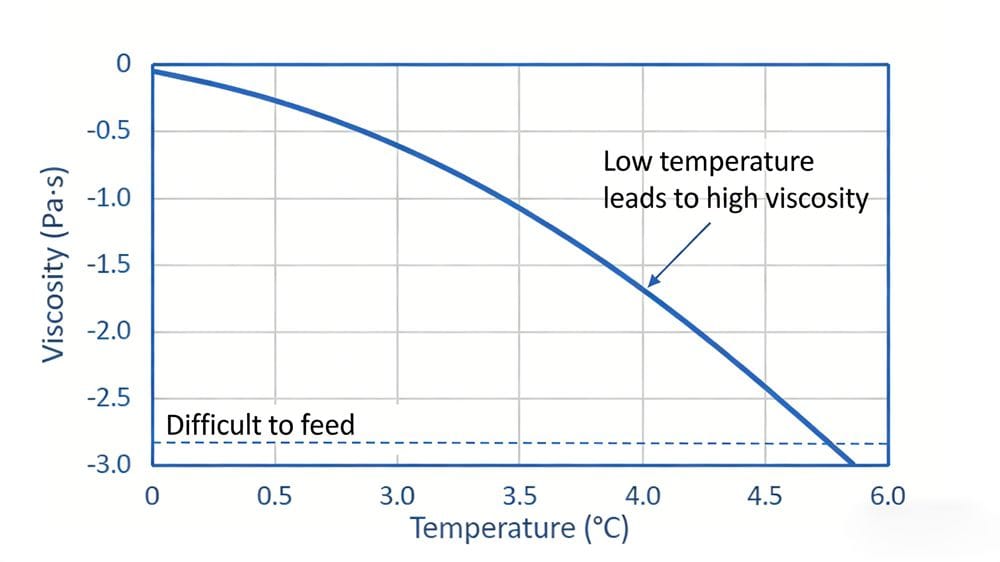
Troubleshooting Step: Do not just look at the thermometer. Perform an air shot (purge) to visually inspect the melt quality and fluidity. If the melt looks stiff or rough, the temperature might be too low to solve the shrinkage problem.
Injection Speed: Slower Can Be Better
When shrinkage occurs, the instinct is to increase injection pressure and time. However, if your injection speed is too fast, it can actually hinder the solution.
The Benefits of Reducing Injection Speed
Slowing down the injection speed helps in two major ways:
- Thermal Gradient: It creates a larger temperature difference between the flow front and the gate. This promotes sequential solidification (freezing from far to near), allowing the gate to stay open longer for feeding.
- Pressure Application: It allows higher pressure to reach the shrinkage areas far from the gate.
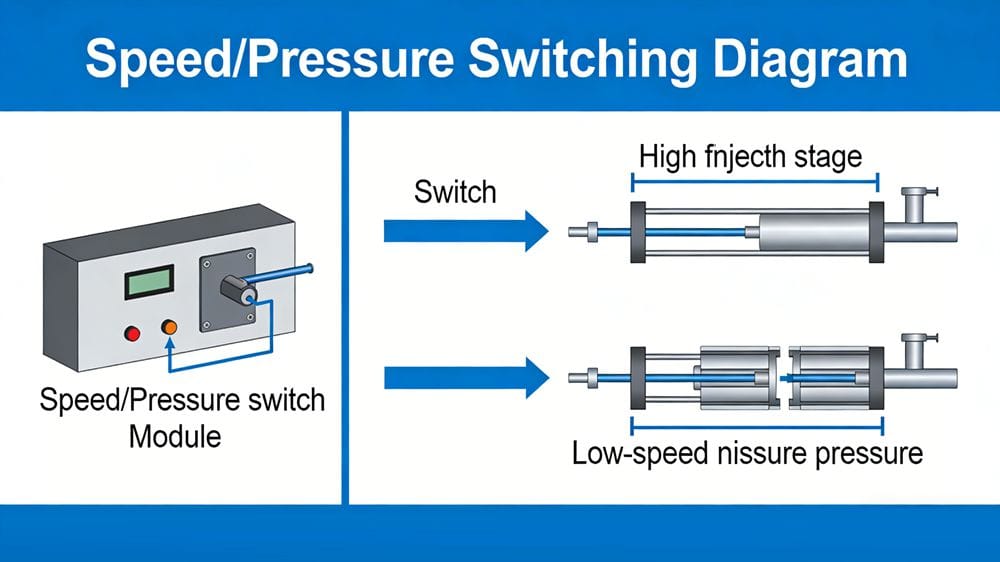
The Strategy: Slow Down to Speed Up Quality
By reducing the injection speed, the melt at the front is cooler and moves slower, reducing the risk of flash (burrs). This allows you to safely increase the holding pressure 그리고 holding time, which are critical for eliminating shrinkage.
Recommended Profile:
- Use a slow speed, high pressure, and long time profile for the final stage of injection (packing).
- Try a "decelerating injection" profile (gradually slowing down while increasing pressure).
> 경고: Do not fill the cavity too slowly. If the fill time is excessive, the melt will freeze completely before the cavity is full, making compensation impossible.
Summary Table
| 매개변수 | Common Mistake | Optimized Approach for Shrinkage |
|---|---|---|
| Mold Temp | Setting it too low to cool fast. | Ensure it is not too low; maintain a temp that allows feeding channels to stay open. |
| Melt Temp | Lowering it to the minimum limit. | Keep it within the optimal range to ensure fluidity for packing. |
| Speed | Injecting as fast as possible. | Reduce speed (especially in later stages) to allow for higher packing pressure. |
[^1]: Learning about injection speed can help you adjust your process for better results and fewer defects. [^2]: Understanding the properties of PC can help you choose the right materials and settings for your projects.
저자 소개

Alex Yu
아이디얼 프로 매뉴팩처링
알렉스는 Ideal Pro의 공동 창립자이지만, 주요 프로젝트를 총괄하거나 기술 팀을 이끌지 않을 때는 장거리 자전거 타기를 즐기거나, 동네에서 가장 맛있는 커피를 찾아다니거나, 다음 여행 계획을 세우는 모습을 볼 수 있습니다. 국제 무역 영업과 프로젝트 관리 분야에서 20년 이상의 경력을 쌓아온 그는 촉박한 마감 기한부터 까다로운 엔지니어링 문제까지, 그 사이의 모든 상황을 다 겪어보았습니다. 그는 훌륭한 성과는 충분한 휴식을 취한 마음과 맛있는 커피에서 나온다고 믿으며, 맡은 모든 프로젝트에 그와 같은 호기심과 세심한 주의를 기울입니다. 사무실에 있지 않을 때는 대개 야외 어딘가에서 새로운 장소를 탐험하며, 나중에 나눌 이야기를 수집하곤 합니다.

 English
 French
 Dutch
 German
 Japanese
 Korean