 한국어



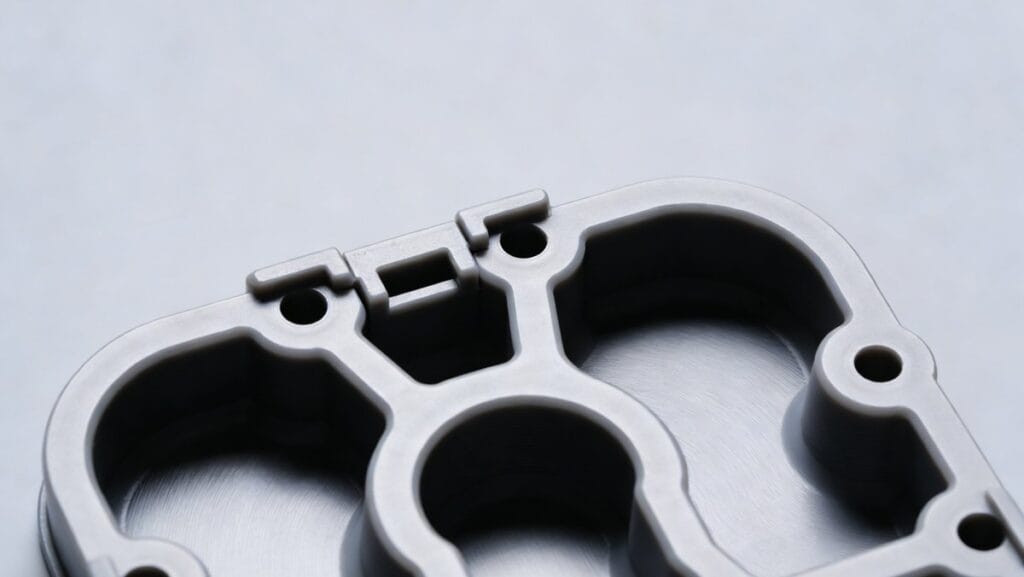
Thermoplastic molding presents unique challenges due to its inherent properties. Understanding these challenges is vital for achieving precision in production.
Thermoplastic molding shrinkage is influenced by several key factors including material selection, mold design, and processing conditions. Recognizing these factors can help you minimize defects and improve product quality.
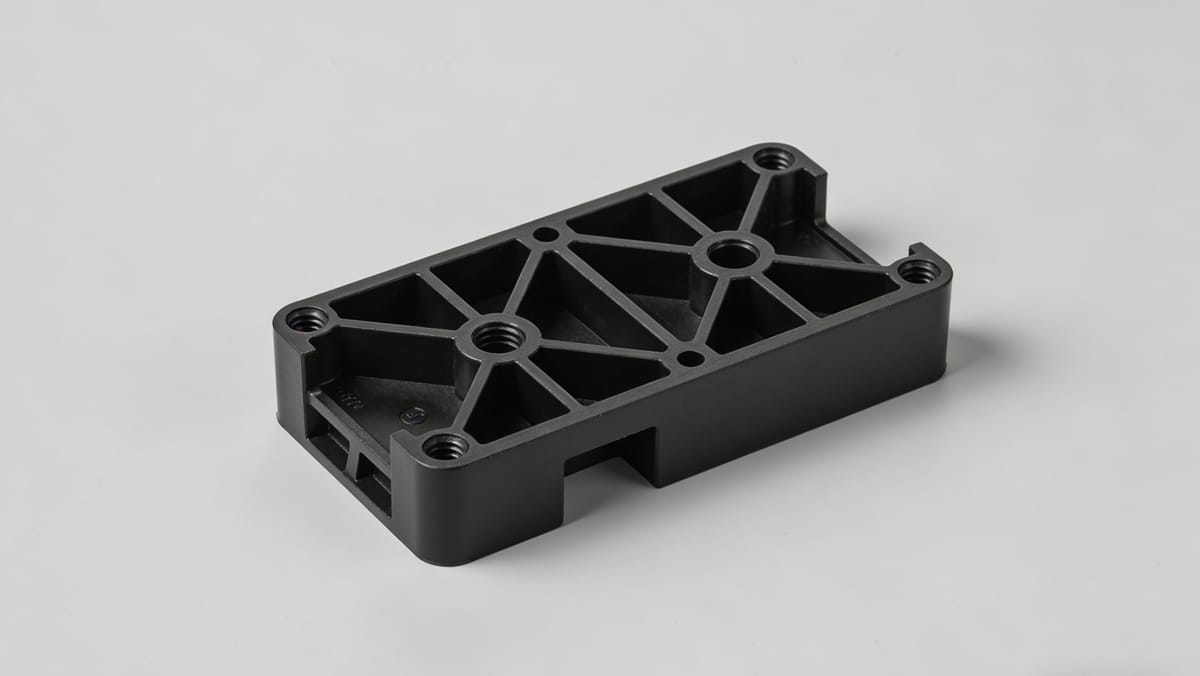
To truly grasp how to reduce shrinkage in thermoplastic molding, we must delve into the core reasons behind it. Shrinkage isn't merely a random occurrence; it's a result of complex interactions between materials and processes. By understanding these interactions, we can better control outcomes.
The Complete Guide to Thermoplastic Molding Shrinkage: From Material Science to Process Control?
Thermoplastic molding shrinkage is a multifaceted issue. Factors like crystallization, internal stress, and molecular orientation all contribute significantly. These elements are crucial for any designer or engineer to consider.
Understanding how material science impacts shrinkage helps in selecting the right thermoplastic for your project. This includes analyzing the material's crystalline structure and its thermal properties to make informed decisions.
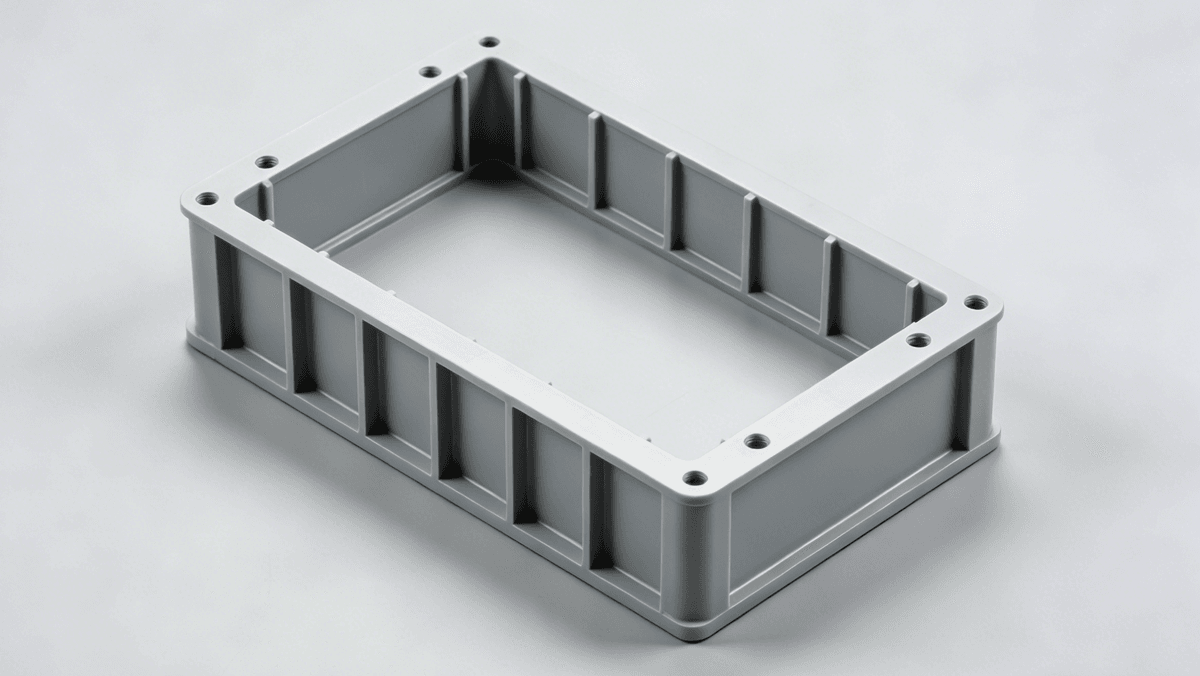
To dive deeper, it’s important to consider the various thermoplastics available. Each comes with its own characteristics. For instance, crystalline thermoplastics may exhibit greater shrinkage due to their structure. On the other hand, amorphous thermoplastics tend to shrink less. The key is to balance these properties with your product requirements.
Moreover, the processing conditions play a significant role. Temperature, cooling rates, and pressure during molding can all affect how a thermoplastic behaves.
| Factor | Impact on Shrinkage |
|---|---|
| Crystallization | Higher shrinkage rates |
| Internal Stress | Increased dimensional changes |
| Molecular Orientation | Anisotropic shrinkage |
| Cooling Rates | Variation in size |
| Processing Temperature | Affects viscosity and flow |
Understanding these interactions can empower you to make informed decisions in material selection and processing techniques, ultimately leading to better production outcomes.
Mastering Shrinkage in Thermoplastic Molds: A Practical Framework for Designers and Engineers?
Mastering shrinkage is essential for successful thermoplastic molding. It requires a comprehensive understanding of various factors.
A practical framework involves not only material selection but also meticulous mold design and process optimization. Each element must work in harmony to minimize shrinkage issues during production.
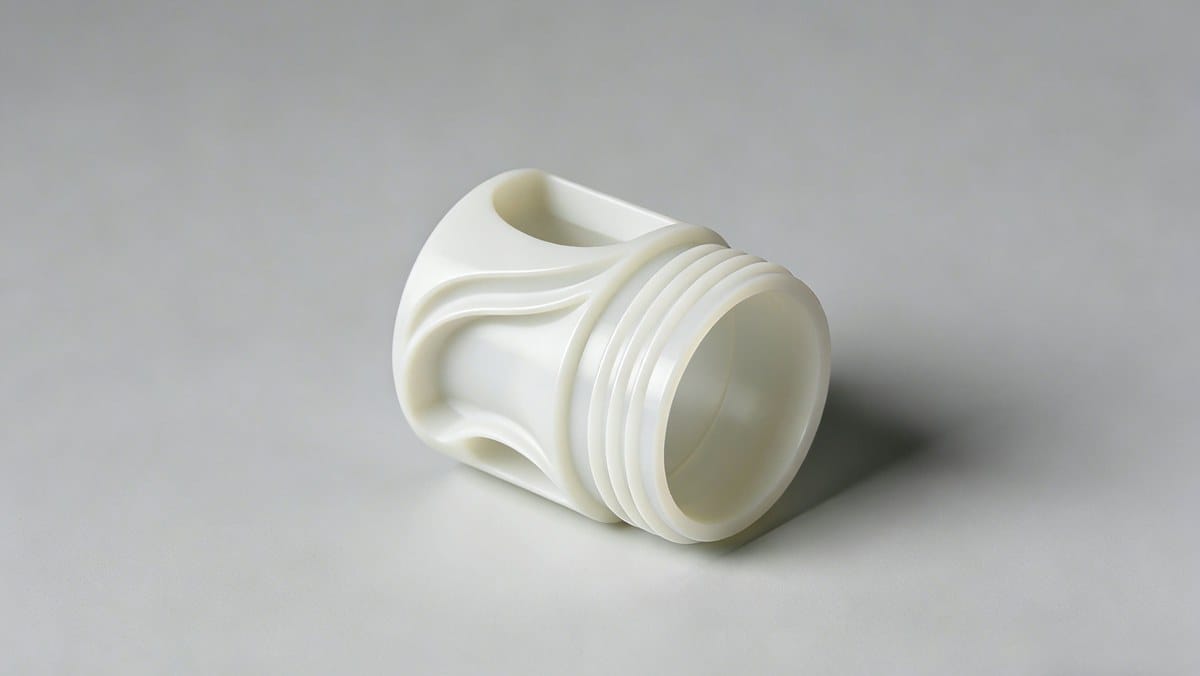
Let’s explore the implications of mold design. The geometry of the mold can significantly influence the cooling rates of the thermoplastic. Uneven cooling can lead to warping or dimensional inconsistencies. Therefore, incorporating features that allow for uniform heat distribution can be beneficial.
In addition, the mold material itself can impact shrinkage. Molds made from materials with good thermal conductivity can help maintain consistent temperatures throughout the process.
Furthermore, using simulation software can help predict shrinkage behavior before production. This allows for adjustments to be made early in the design phase, reducing the need for costly revisions later.
Beyond the Basics: 5 Unexpected Factors Driving Shrinkage in Your Thermoplastic Parts?
While most discussions focus on obvious factors, some unexpected elements may also affect shrinkage.
Factors such as humidity, mold surface texture, and even the type of injection machine can play a significant role in the final product's dimensions.
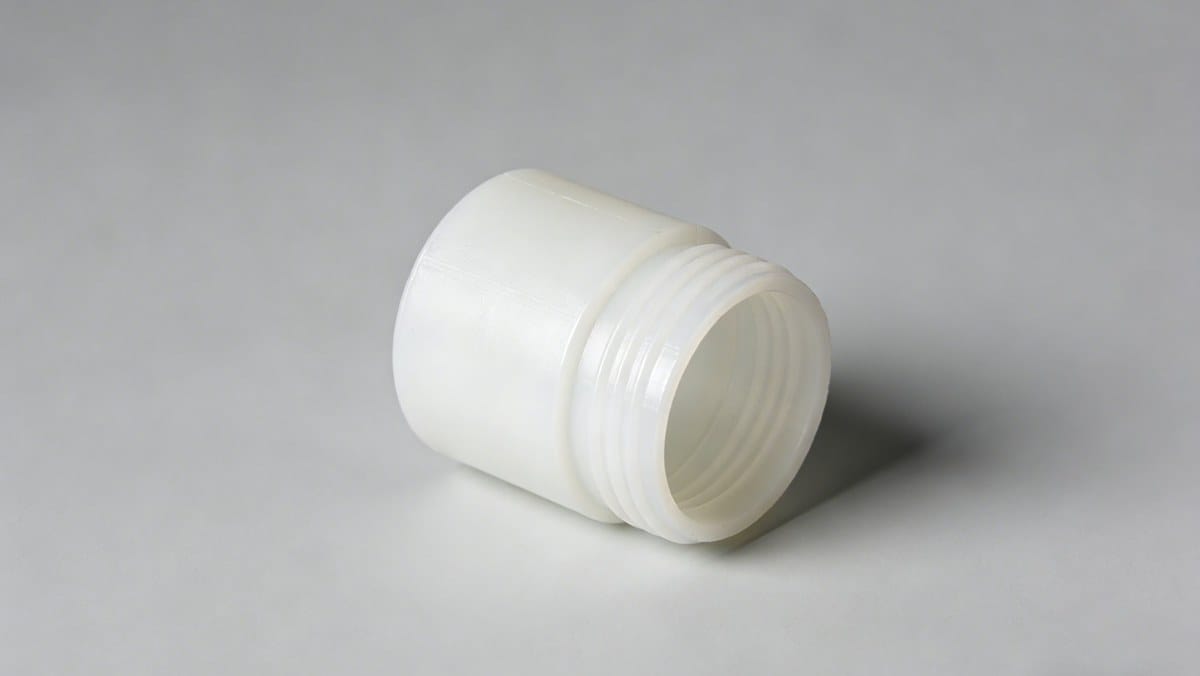
Let's take humidity, for example. It can influence how thermoplastic absorbs moisture, altering its behavior during molding. High humidity can lead to additional shrinkage and affect the material's strength.
Mold surface texture is another often-overlooked factor. A rough surface may increase friction, leading to uneven cooling and warping. On the other hand, a smooth surface can reduce friction, leading to more consistent results.
The type and condition of the injection machine can also be significant. Machines that allow for precise control of temperature and pressure can help mitigate shrinkage issues effectively.
Predict, Control, Compensate: A Data-Backed Approach to Thermoplastic Molding Shrinkage?
In the world of thermoplastic molding, data is your ally.
Implementing a data-backed approach allows you to predict, control, and compensate for shrinkage effectively. By leveraging historical data and real-time monitoring, you can enhance your production processes.
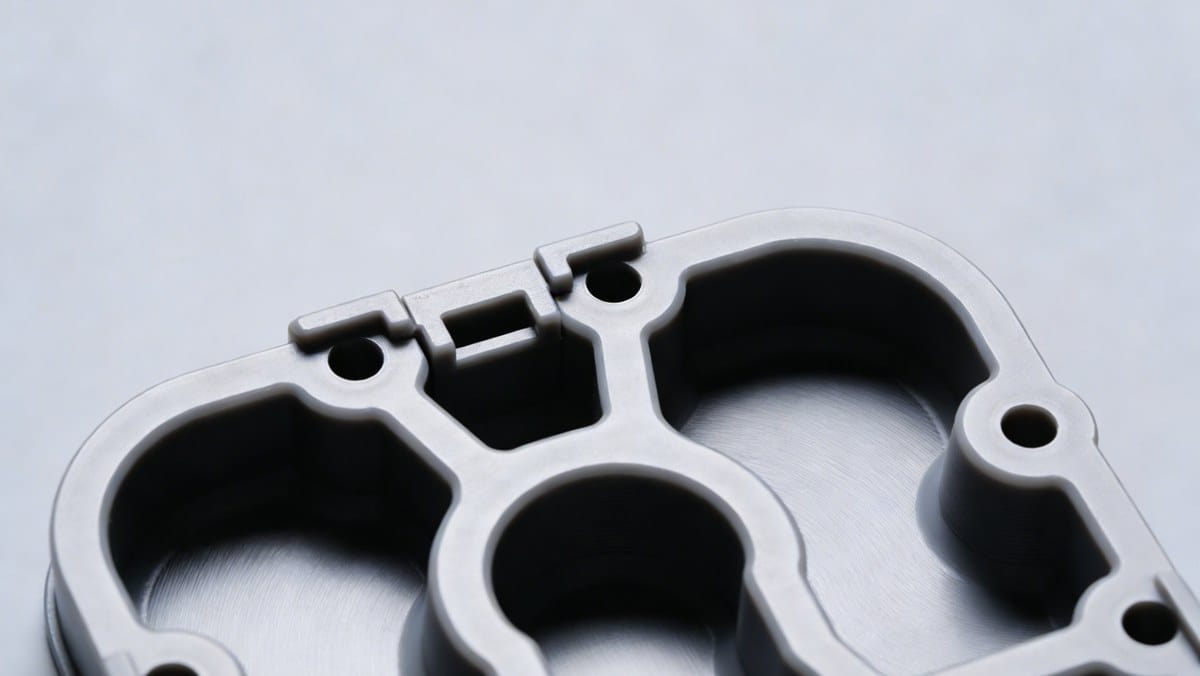
Gathering data on previous molding runs helps identify patterns in shrinkage. By analyzing this data, you can adjust parameters like temperature and cooling rates to minimize shrinkage in future batches.
Moreover, using sensors and control systems can provide real-time feedback during production. This ensures that any deviations from expected parameters are corrected immediately, reducing the likelihood of defects.
Regular maintenance of equipment also plays a crucial role. Keeping your machines in top shape ensures consistent performance, which is vital for controlling shrinkage.
The Shrinkage Balancing Act: Optimizing Material, Mold, and Process for Dimensional Precision?
Achieving dimensional precision in thermoplastic molding requires a careful balancing act.
Optimizing material selection, mold design, and processing conditions is essential for reducing shrinkage and ensuring high-quality output.
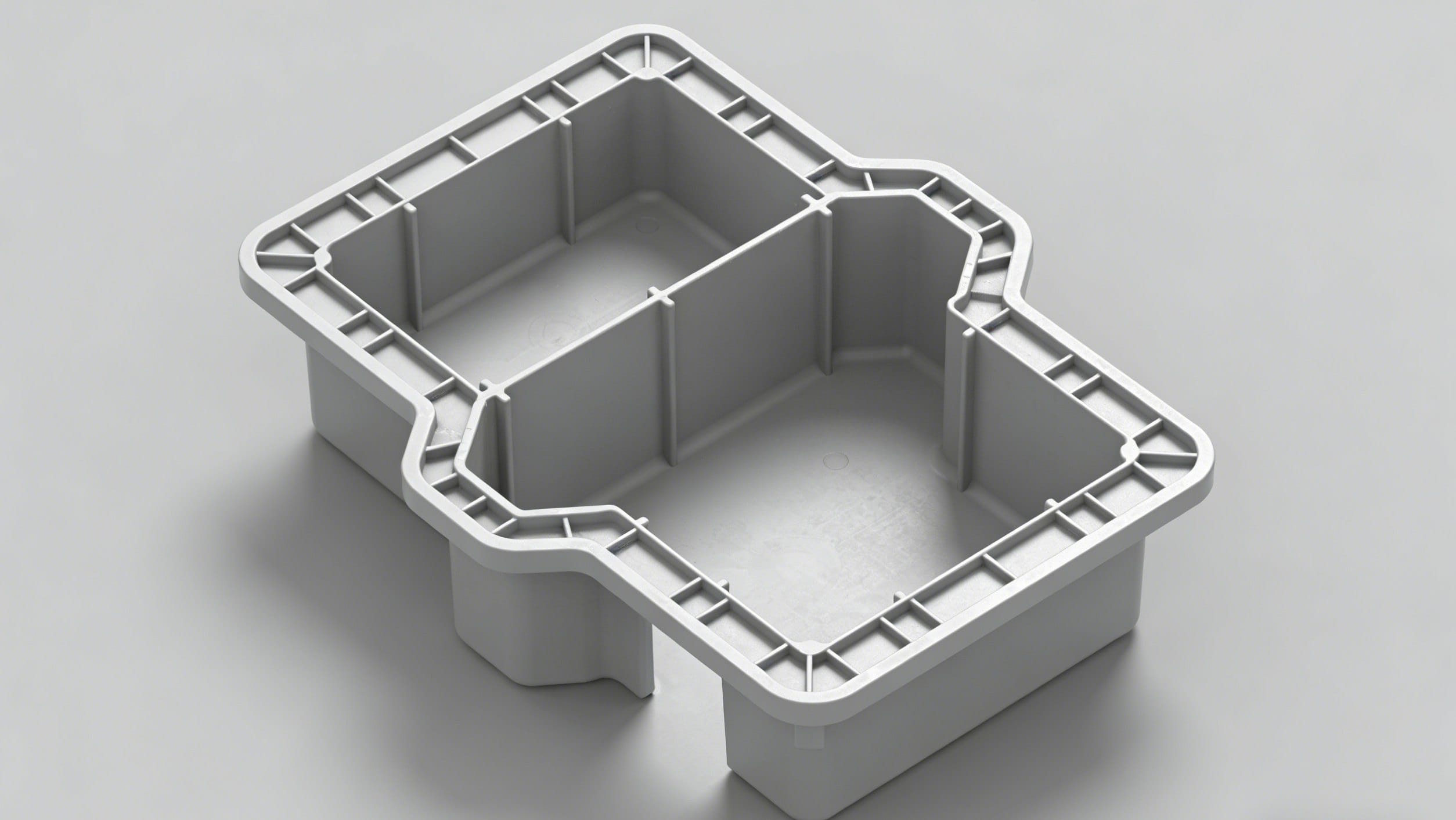
When selecting materials, consider their thermal properties alongside the demands of your application. For instance, a material that performs well under stress may exhibit higher shrinkage. Understanding material behavior under different conditions can help inform choices.
Mold design should facilitate optimal heat transfer and cooling. This means considering wall thickness and the placement of cooling channels.
Lastly, optimizing the injection molding process itself can make a significant difference. Adjusting injection speeds and pressures can help achieve better flow and reduce internal stresses that lead to shrinkage.
From Theory to Production Floor: Actionable Strategies to Minimize Thermoplastic Shrinkage Variation?
Implementing theory into practice can be challenging, but actionable strategies exist to minimize shrinkage variation effectively.
By applying targeted techniques and best practices, you can enhance the quality of your thermoplastic molded products.
Start with thorough material testing to understand how different thermoplastics behave under various conditions. This data should inform all choices, from material selection to mold design.
Next, regularly calibrate your machines and maintain them to ensure consistent performance. This reduces variability that can lead to shrinkage issues.
Additionally, training your team on the importance of these factors can lead to better adherence to practices. When everyone understands the impact of their work on shrinkage, it fosters a culture of quality and precision.
결론
Understanding and controlling thermoplastic shrinkage is vital for achieving high-quality molded parts. With the right knowledge and strategies, success is within reach.
저자 소개

Alex Yu
아이디얼 프로 매뉴팩처링
알렉스는 Ideal Pro의 공동 창립자이지만, 주요 프로젝트를 총괄하거나 기술 팀을 이끌지 않을 때는 장거리 자전거 타기를 즐기거나, 동네에서 가장 맛있는 커피를 찾아다니거나, 다음 여행 계획을 세우는 모습을 볼 수 있습니다. 국제 무역 영업과 프로젝트 관리 분야에서 20년 이상의 경력을 쌓아온 그는 촉박한 마감 기한부터 까다로운 엔지니어링 문제까지, 그 사이의 모든 상황을 다 겪어보았습니다. 그는 훌륭한 성과는 충분한 휴식을 취한 마음과 맛있는 커피에서 나온다고 믿으며, 맡은 모든 프로젝트에 그와 같은 호기심과 세심한 주의를 기울입니다. 사무실에 있지 않을 때는 대개 야외 어딘가에서 새로운 장소를 탐험하며, 나중에 나눌 이야기를 수집하곤 합니다.
 English
 French
 Dutch
 German
 Japanese
 Korean