 한국어



Coloring plastics is a complex process that blends chemistry with engineering. Choosing the right colorant involves more than just picking a shade; it requires understanding how the material interacts with the plastic resin and the environment.
Here is a comprehensive guide to the principles of plastic coloring and the essential conditions for selecting the right pigments.
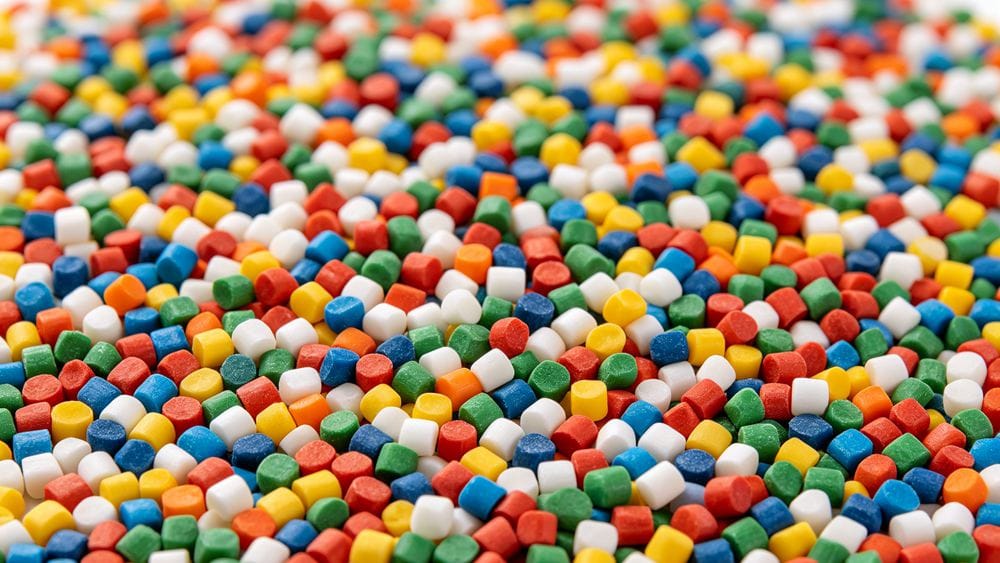
? Types of Colorants: Pigments vs. Dyes
There are thousands of colorants used in the plastics industry today. They are generally classified into two main categories: Pigments 그리고 Dyes.
1. The Mechanism of Coloring
- Pigments: These exist as solid particles dispersed throughout the plastic matrix. They do not dissolve but remain suspended, providing opacity and color.
- Dyes: These dissolve completely into the plastic, coloring it at a molecular level. This results in high transparency and clarity.
2. Organic vs. Inorganic Pigments
Pigments are further divided into organic and inorganic types, each with distinct characteristics:
| 특징 | Organic Pigments & Dyes | Inorganic Pigments |
|---|---|---|
| Color Quality | Bright, vivid colors with high tinting strength. | Lower brightness and tinting strength. |
| 내구성 | Generally weaker resistance to heat and UV light. | Excellent fastness against heat and UV radiation. |
> Key Takeaway: If you need vibrant colors, organic options are superior. If you need weather resistance for outdoor applications, inorganic pigments are often the safer choice.
? Application-Specific Requirements
Different plastic products face different environmental challenges. Therefore, the choice of pigment must align with the product's intended use.
- Outdoor Applications: Products exposed to the elements must have excellent weatherability (UV resistance) to prevent fading or degradation.
- Hot Spring/Spa Environments: Materials used in these areas require superior sulfur resistance to prevent discoloration caused by sulfur compounds.
- Toys & Food Packaging: Safety is paramount. These applications require non-toxic pigments that meet strict regulatory standards.
- Agricultural & Packaging Films: These often require high transparency to allow light transmission or product visibility.
- Shading & Covering: Applications requiring light blockage need pigments with high opacity (hiding power).
✅ Essential Conditions for Plastic Pigments
When applying pigments to plastic products, they must meet a rigorous set of performance criteria to ensure quality and longevity.
To ensure a successful formulation, the pigment must possess the following characteristics:
Optical Properties:
- Brightness: The intensity and vividness of the color.
- Tinting Strength: The ability of the pigment to impart color to the surrounding material.
- Hiding Power (Opacity): The ability to cover the underlying surface or substrate.
Physical Stability:
- Dispersion: The pigment must disperse evenly throughout the plastic without clumping.
- Heat Resistance: It must withstand the high temperatures of the molding or extrusion process without degrading.
- Weatherability: Resistance to sunlight, rain, and temperature fluctuations.
- Migration Resistance: The color should not bleed or migrate to the surface or adjacent materials over time.
Chemical & Functional Compatibility:
- Compatibility: It must not negatively affect the physical properties of the base plastic.
- 내화학성: It must resist water, solvents, acids, and alkalis depending on the environment.
- Sulfur Resistance: Crucial for specific industrial or geothermal applications.
- Electrical Insulation: For electronic components, the pigment must maintain the dielectric properties of the plastic.
저자 소개

Alex Yu
아이디얼 프로 매뉴팩처링
알렉스는 Ideal Pro의 공동 창립자이지만, 주요 프로젝트를 총괄하거나 기술 팀을 이끌지 않을 때는 장거리 자전거 타기를 즐기거나, 동네에서 가장 맛있는 커피를 찾아다니거나, 다음 여행 계획을 세우는 모습을 볼 수 있습니다. 국제 무역 영업과 프로젝트 관리 분야에서 20년 이상의 경력을 쌓아온 그는 촉박한 마감 기한부터 까다로운 엔지니어링 문제까지, 그 사이의 모든 상황을 다 겪어보았습니다. 그는 훌륭한 성과는 충분한 휴식을 취한 마음과 맛있는 커피에서 나온다고 믿으며, 맡은 모든 프로젝트에 그와 같은 호기심과 세심한 주의를 기울입니다. 사무실에 있지 않을 때는 대개 야외 어딘가에서 새로운 장소를 탐험하며, 나중에 나눌 이야기를 수집하곤 합니다.



 English
 French
 Dutch
 German
 Japanese
 Korean