

Injection moulding is a popular choice for manufacturers looking to produce large quantities of parts quickly and efficiently. But why is it the go-to method for mass production?
Injection moulding is ideal for mass production because it allows for high-speed manufacturing, consistent quality, and cost-effectiveness. This combination makes it a favorite among businesses needing to produce large volumes of products.
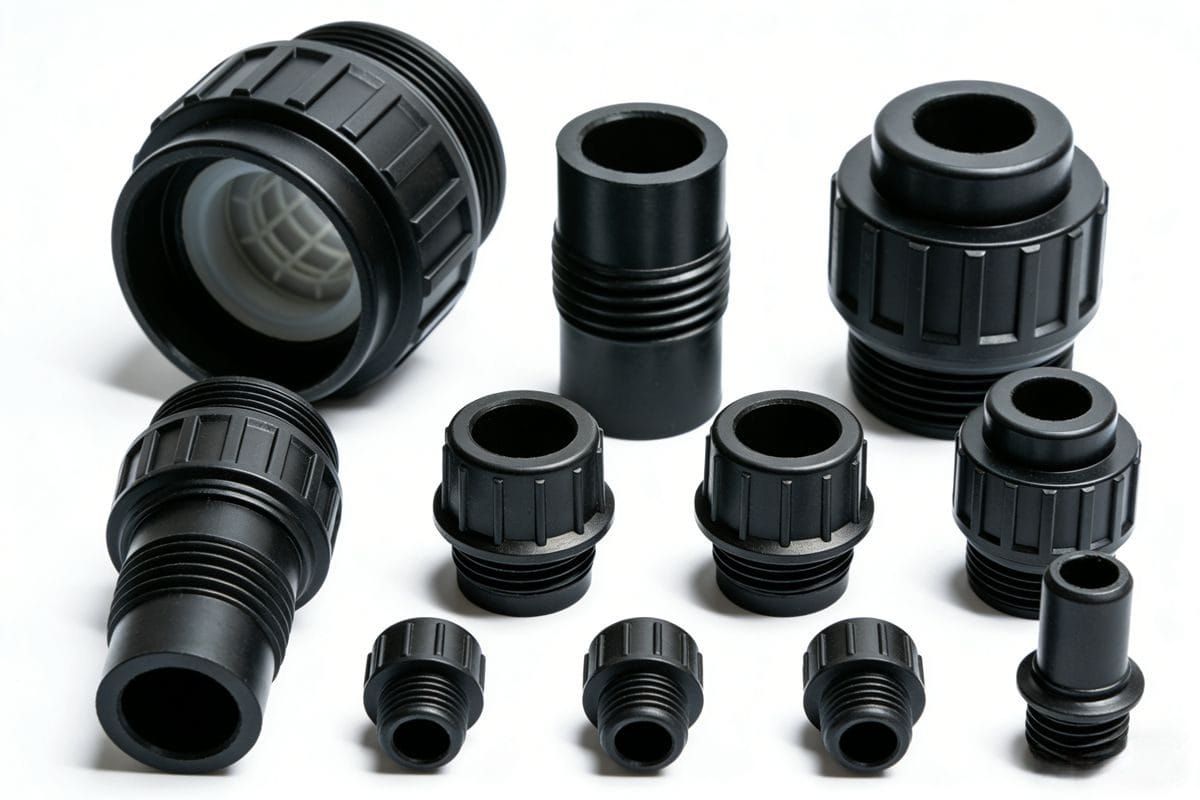
Injection moulding can help businesses meet high demand while keeping production costs low. This manufacturing method also ensures each part has uniform quality. But how does it achieve these benefits? Let’s dive deeper into its advantages.
What are the key benefits of injection moulding for mass production?
Injection moulding brings several advantages that cater to the needs of manufacturers. Its efficiency is unmatched, especially in producing complex shapes and designs.
The process is highly automated, leading to shortened cycle times and reduced labor costs. The use of durable materials also means that parts produced are strong and reliable.
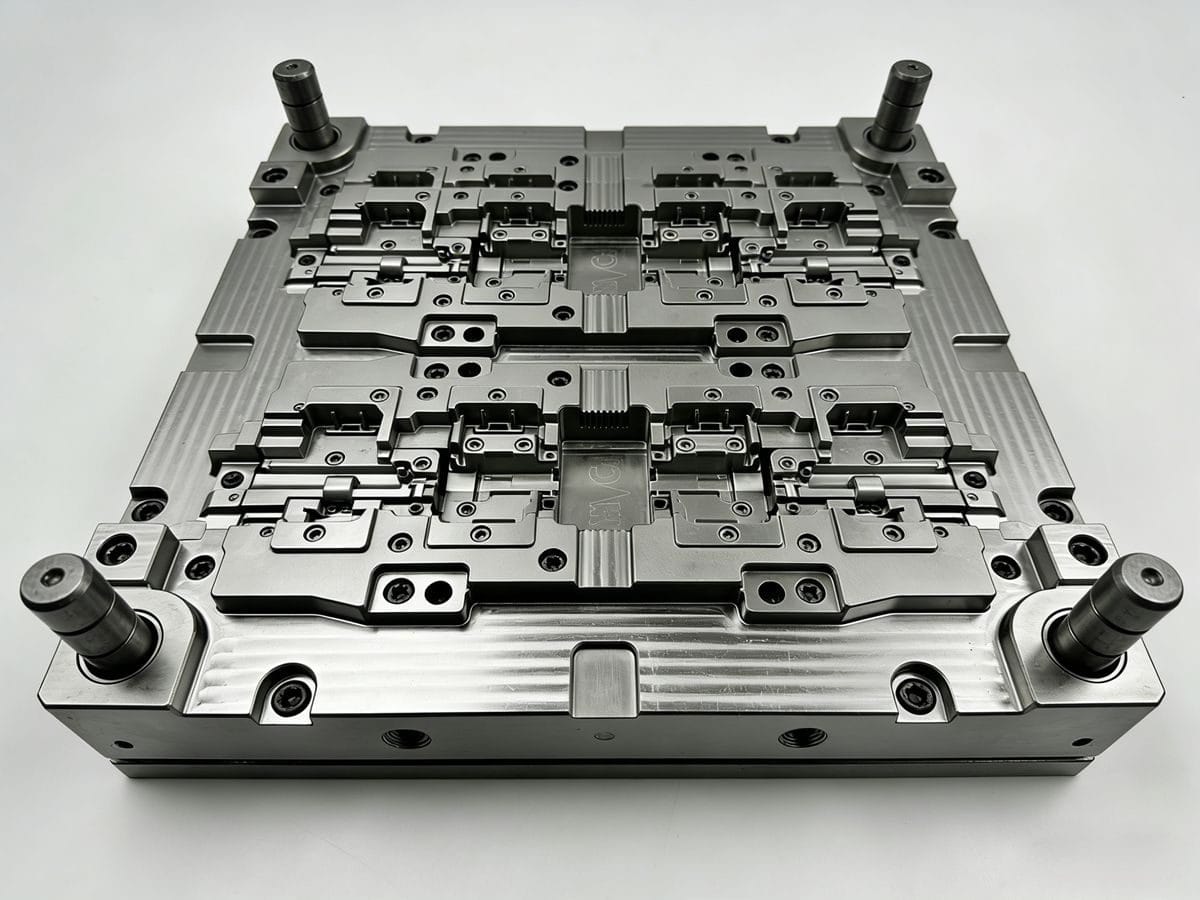
The main advantages of injection moulding for mass production include:
| Avantages | Description |
|---|---|
| High Speed | Rapid cycle times allow for thousands of parts per hour. |
| Une qualité constante | Uniform parts reduce defects and improve product integrity. |
| Cost-Effectiveness | Lower production costs due to reduced material waste. |
| Versatility | Capable of producing a wide range of shapes and sizes. |
| Material Options | Wide variety of plastics and materials available. |
Understanding these benefits shows why injection moulding is preferred for mass production. The efficiency and consistency it offers are crucial for any business aiming for success.
How does injection moulding ensure quality in mass production?
Quality is a non-negotiable factor in manufacturing. Injection moulding excels in producing high-quality parts due to its precision and control.
With accurate temperature and pressure control, manufacturers can produce parts with tight tolerances. This means that each item meets specifications without variation.
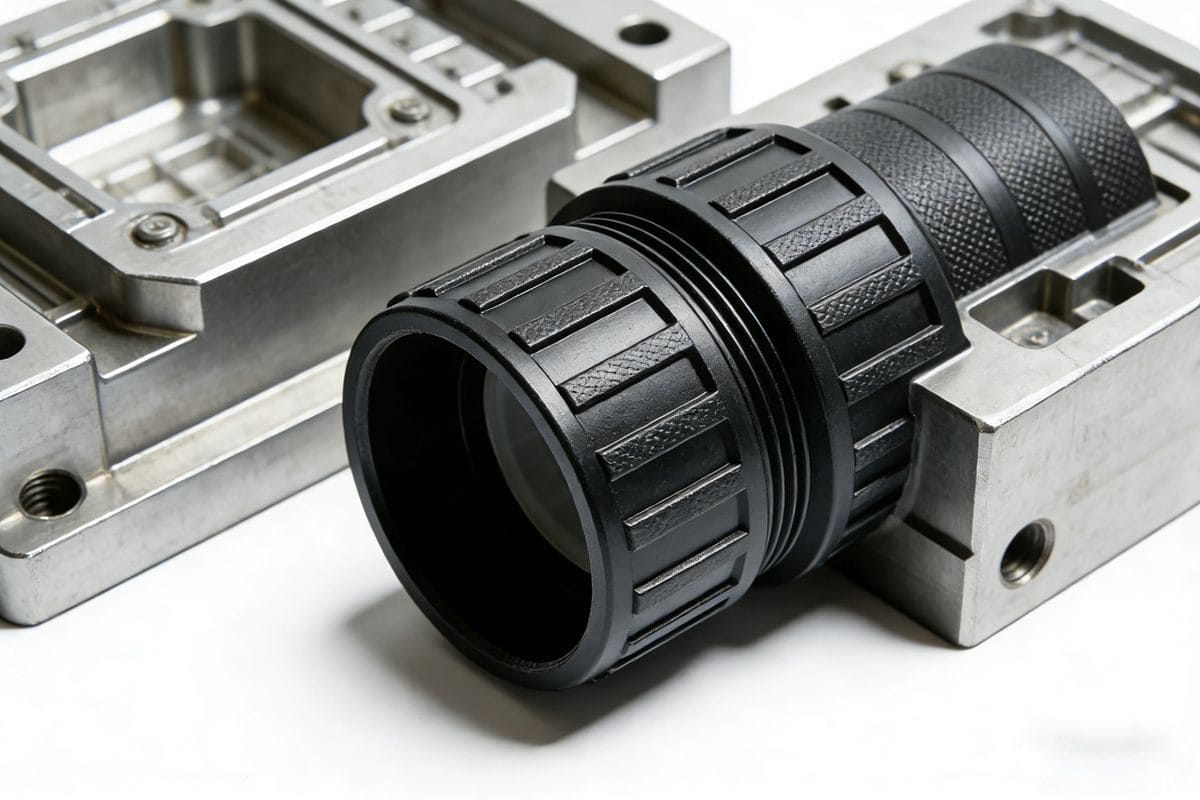
To ensure quality, the following aspects play a crucial role:
- Mould Design: A well-designed mould allows for better flow of material, reducing defects.
- Material Selection: Choosing the right type of plastic can influence the durability and performance of the final product.
- Process Monitoring: Continuous monitoring of the injection process helps in identifying and correcting issues promptly.
These factors contribute to a consistent output that not only meets but often exceeds quality standards. Businesses can rely on injection moulding to deliver products that satisfy customer expectations.
What challenges come with injection moulding for mass production?
While injection moulding has many benefits, it is not without its challenges. Understanding these can help manufacturers navigate potential pitfalls.
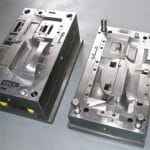
One major challenge is the initial cost of setting up the injection moulding process. The cost of mould creation can be significant, particularly for complex designs.
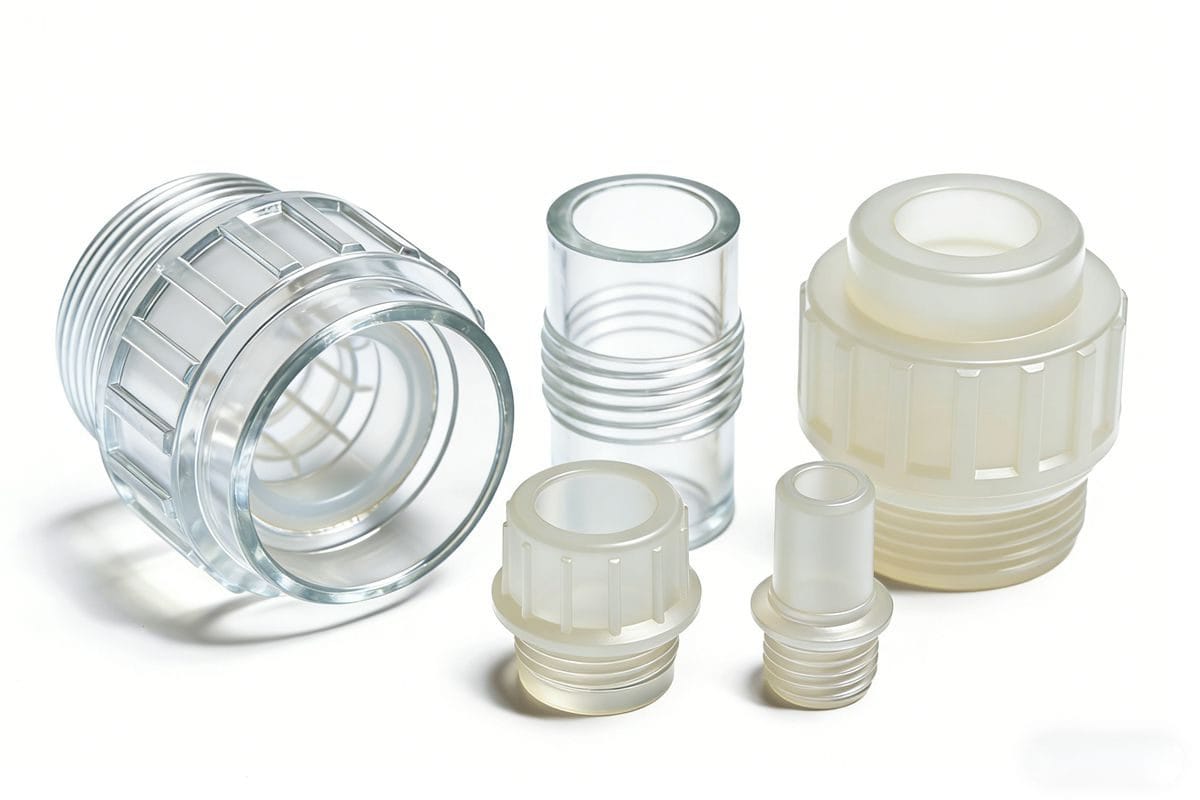
Some of the common challenges include:
| Challenges | Impact |
|---|---|
| High Initial Costs | Designing and producing the mould can be expensive. |
| Design Limitations | Some shapes may not be feasible to produce efficiently. |
| Déchets matériels | Inefficient processes can lead to excess scrap material. |
By being aware of these challenges, manufacturers can better prepare for the injection moulding process. It is crucial to find a balance between cost and efficiency.
Conclusion
Injection moulding is a fantastic method for mass production due to its speed, quality, and cost-effectiveness. By understanding its benefits and challenges, manufacturers can make informed decisions to optimize their production processes.


 English
 French
 Dutch
Dutch German
 Japanese
 Korean