 Français



Moulage par injection
Accueil
Moulage par injection
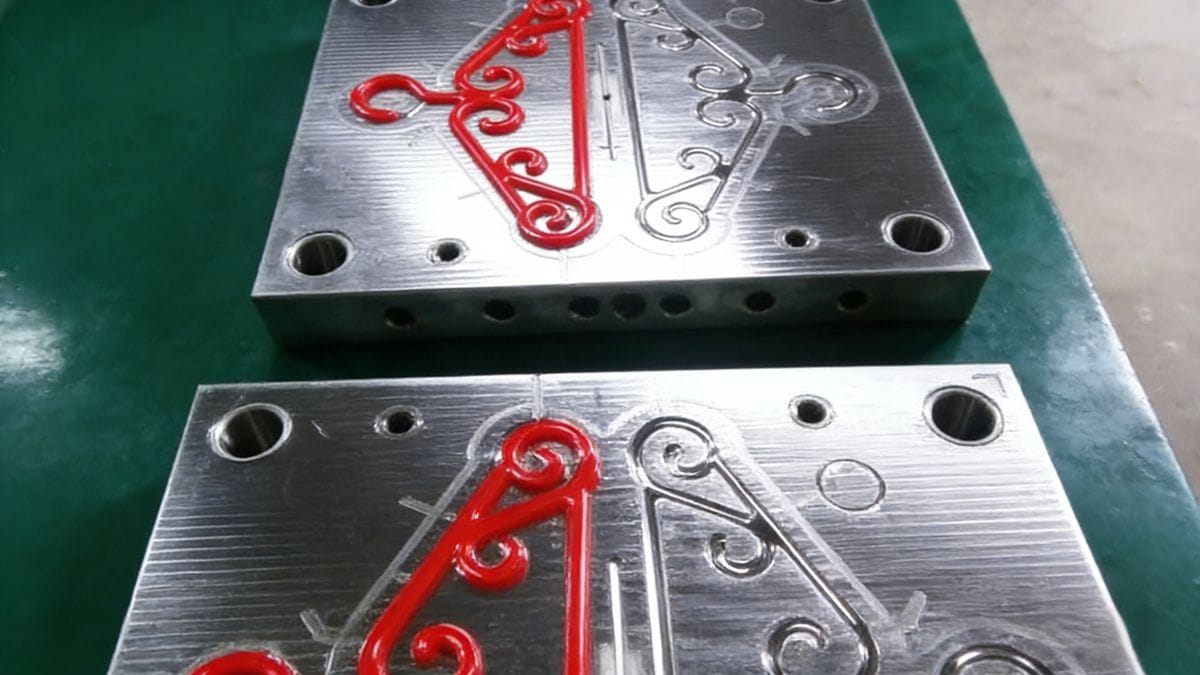
Introduction Surface defects in injection-molded parts are not merely aesthetic concerns—they often reflect deeper issues in melt flow behavior[^1], thermal management[^2], or mold geometry[^3]. Common visible flaws include: Dark spots (halo effect) near gates Gloss inconsistency or haze zones Surface wrinkling, commonly…
 Alex Yu
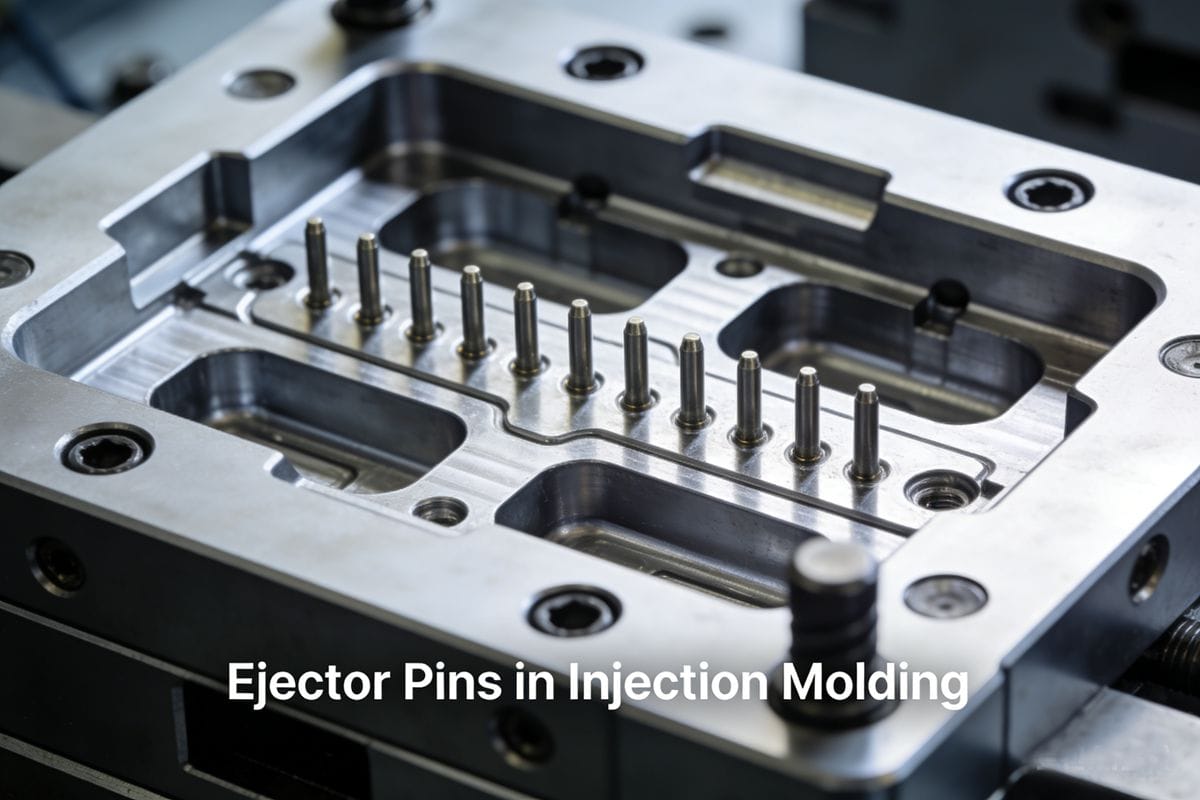
Injection molding[^1] is a critical process in manufacturing, and ejector pins play a vital role. Understanding them can save you time, money, and frustration. Ejector pins are essential components in injection molding that help release the finished part from the mold. This…
Alex Yu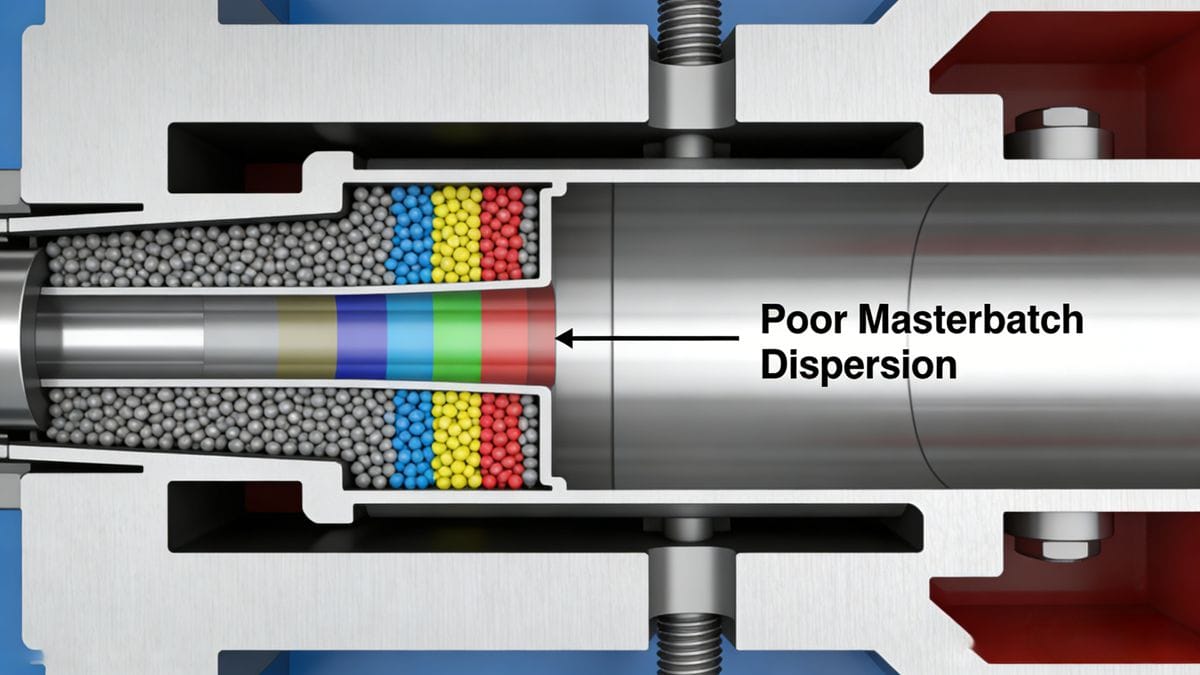
Color streaks are one of the most common visual defects in injection molding[^1], especially for parts colored with color masterbatch. While masterbatch coloring provides better color consistency, purity, and anti-migration performance than dry color powder or liquid color paste, it often suffers…
Alex Yu
Introduction Injection speed is one of the most critical parameters in injection molding—not only because it directly governs fill time, but because it profoundly impacts molecular orientation, residual stress, surface finish, and overall dimensional stability[^1]. Properly segmented injection speed profiles enable precise…
Alex Yu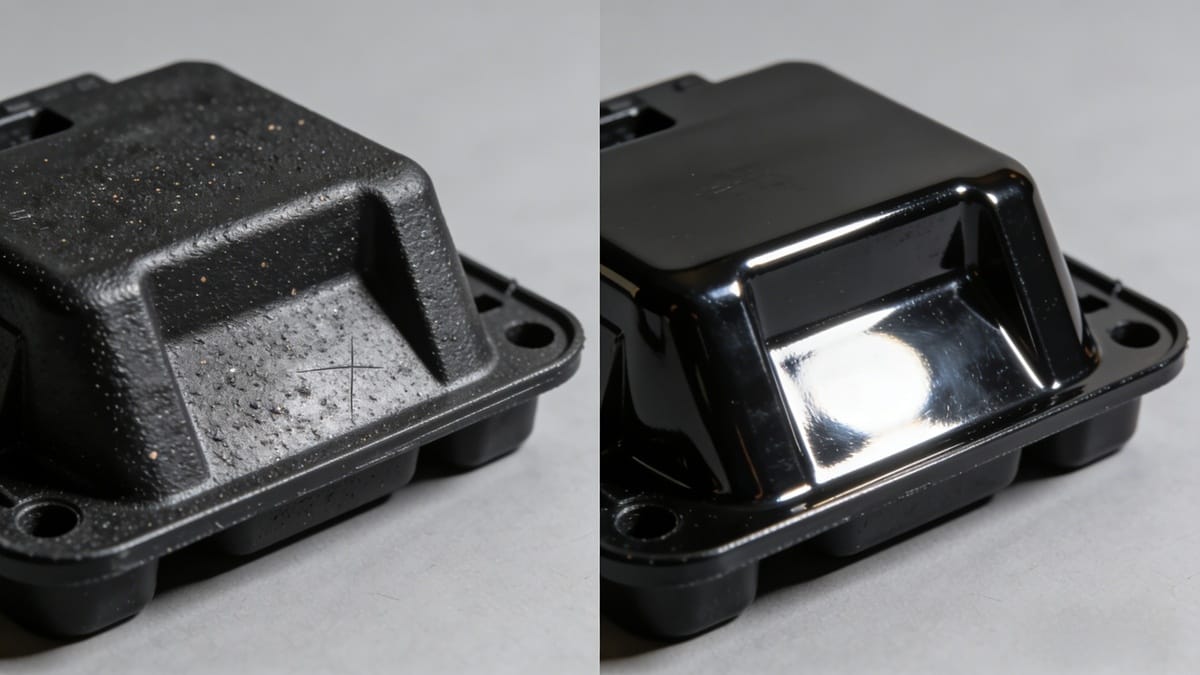
Injection Mold Poor machining of the mold cavity—such as scratches, micro-pores, wear, and rough surfaces—will directly result in inferior gloss on the plastic parts. To solve this, carefully machine the mold to achieve a low surface roughness, and polish or chrome-plate the…
Alex Yu
When consumers select a new vehicle, comfort, performance, technology, safety, and cost remain the five core decision-making factors. According to 2024 MarketingCharts data, product quality is the top consideration for global car buyers, and automotive interior comfort is a core component of…
Alex Yu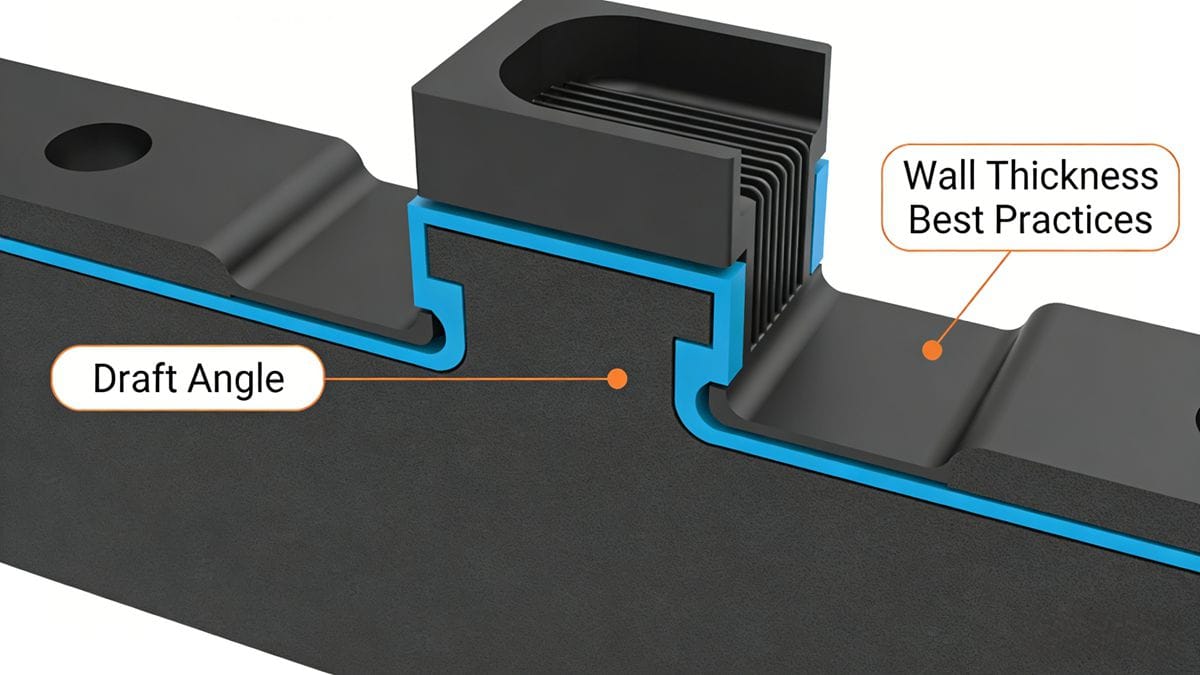
Draft Angle & Wall Thickness Guidelines for Injection Molded Parts Optimizing Design for Manufacturability, Quality, and Cost Efficiency When designing plastic parts for injection molding, two critical geometric parameters—draft angle and wall thickness—directly impact moldability, part quality, cycle time, and tooling longevity.…
Alex Yu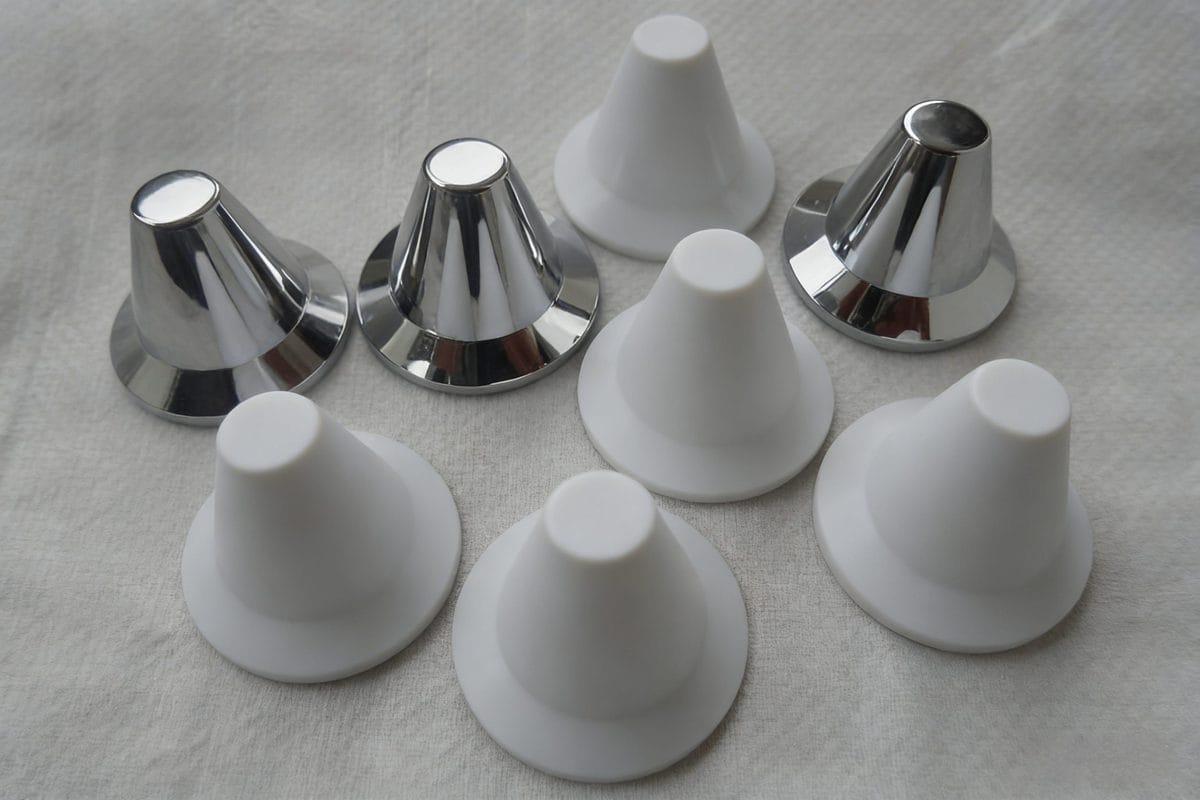
How Key Properties of Modified PP Affect Injection Molding Quality, Paint Adhesion, and Assembly Performance Modified polypropylene (PP), especially PP + EPDM (ethylene-propylene-diene monomer rubber) blends, is widely used in automotive, consumer electronics, and appliance industries due to its balanced mechanical properties,…
Alex Yu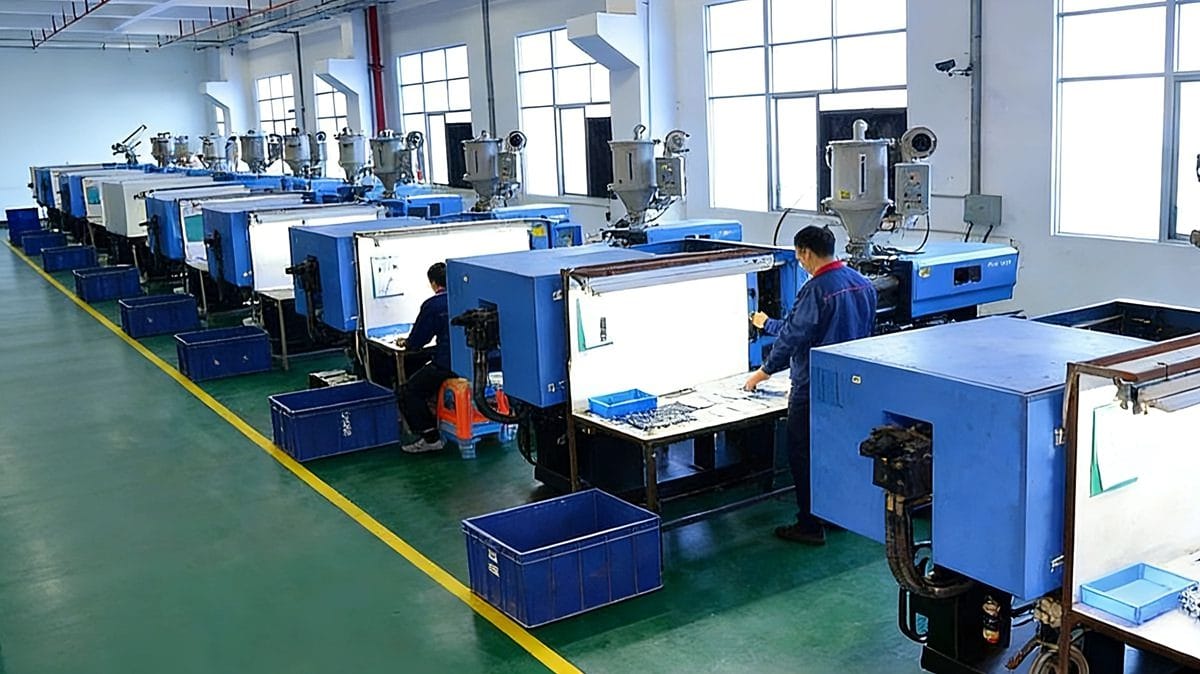
What Is Back Pressure in Injection Molding? During the plastic melting and plasticization phase, molten resin continuously moves toward the front of the barrel (into the metering chamber), building up pressure that pushes the screw backward. To prevent excessive or uncontrolled screw…
Alex Yu English English
 French
 Dutch
 German
 Japanese
 Korean