

Choosing a custom plastic injection molding company is one of the highest-leverage sourcing decisions you will make this year. The piece price is only the surface. What actually decides your program's cost, launch date, and part quality is everything the quote doesn't say on the first line.
This checklist is built the way good buyers work: it assumes nothing is disclosed until you ask, and it gives you the exact questions to ask — before steel is cut and before your signature is on the purchase order.
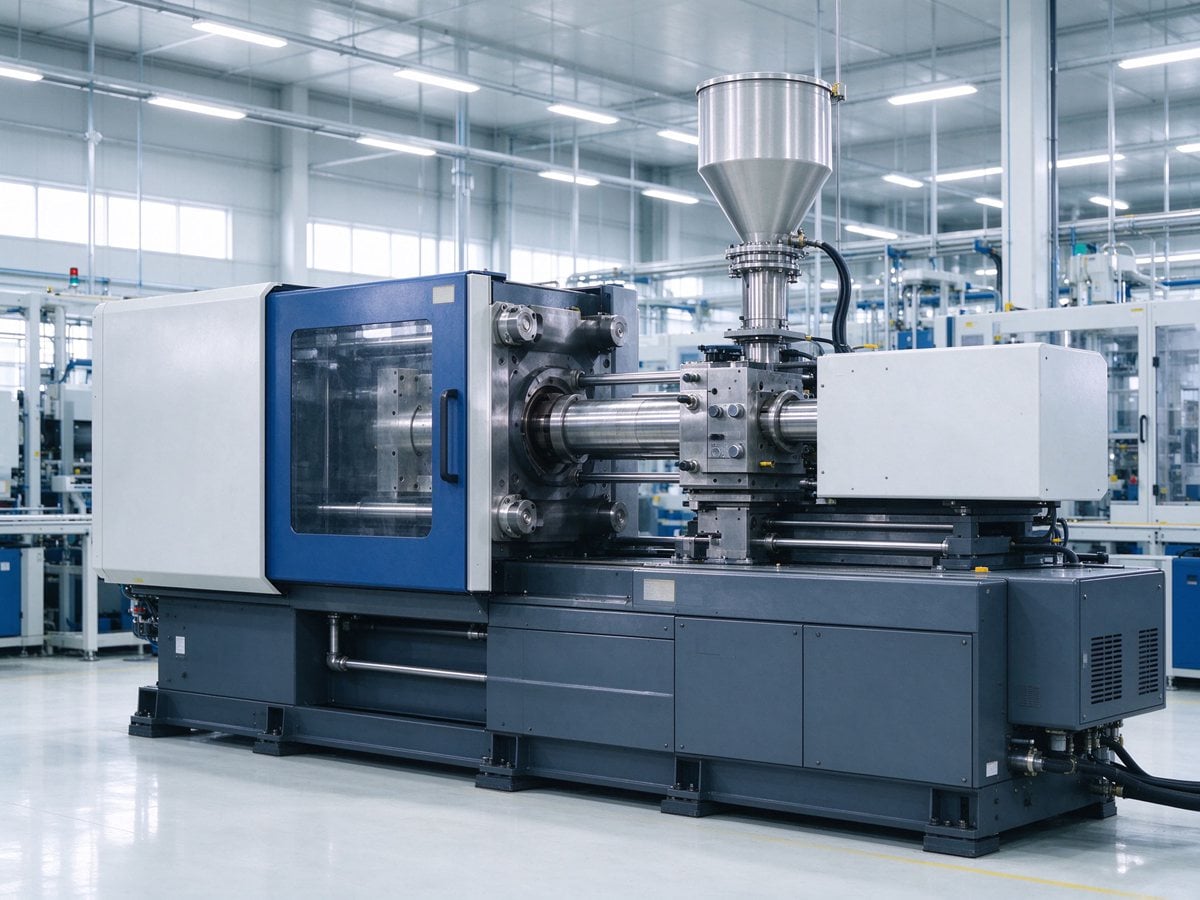
What a Custom Plastic Injection Molding Company Should Actually Deliver
Too many buyers compare molders by unit price and lead-time promise alone. A reliable molding services partner is a different animal. You are not just buying parts — you are buying engineering support, tooling stewardship, and quality services that stay consistent across a million shots.
Before you compare quotes, decide what you are actually purchasing:
| What you're really buying | What a serious partner provides |
|---|---|
| Engineering confidence | DFM review, wall/tolerance/finish feedback before tooling |
| On-time launch | A capacity-loaded schedule that names every sub-supplier queue |
| Consistent quality | FAI, Cpk capability-over-life, PPAP, and traceability |
| Long-term economics | A tooling maintenance plan and a mold life-cycle cost line |
| IP security | NDA coverage and clear mold transfer and ownership terms |
The checklist below turns each row into a concrete verification step.
Verify Engineering and DFM Support — Not Just the Price
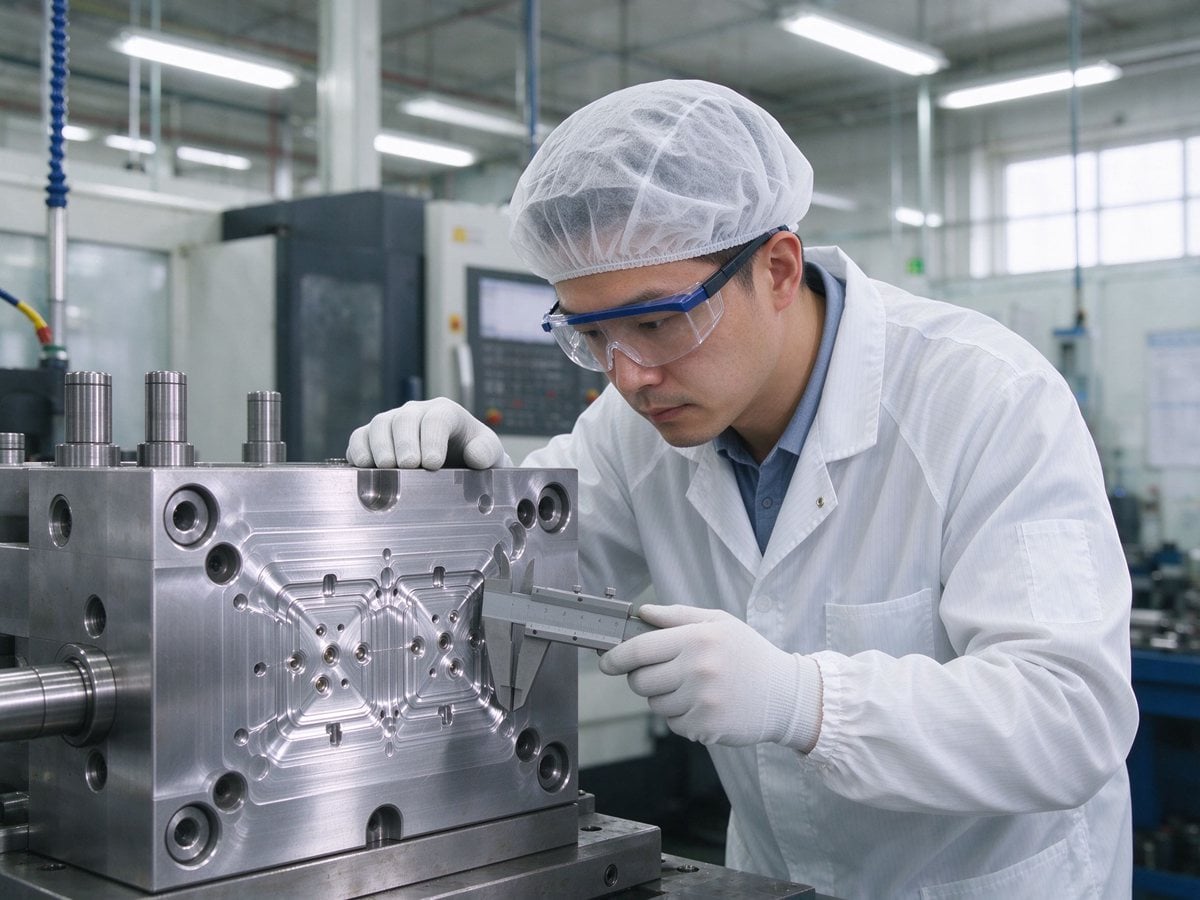
The first and most valuable signal is whether the molder pushes back on your drawing before steel is cut. A shop that quotes your part exactly as drawn is usually banking on complexity — thicker walls, tighter tolerances, and finishes nobody will see all translate into margin and scrap.
Ask for a written DFM report with every injection molding quote: recommended wall thickness, which tolerances can be relaxed without functional risk, and finish guidance per surface. This single habit routinely cuts cycle time and scrap before a single mold is built. For a deeper look at how design choices hide cost and risk, read our guide to plastic injection molding DFM, defect control, and hidden tooling costs.
Questions to ask: Will you provide a written DFM review before tooling? Which dimensions can be relaxed without affecting function? Where will you save me cycle time and scrap?
Demand a Transparent, Capacity-Loaded Lead Time
"Six weeks" is a sales number. The real schedule is a chain of queues: material drying and qualification, texture finishing, plating, PPAP documentation, and the buffer a shop eats when a cavity misbehaves. Any one of those can silently add weeks to your launch.
A serious molding services provider publishes a capacity-loaded schedule at quote time, naming every sub-supplier lead time — not a Gantt that appears for the first time at T1. When a texture vendor's three weeks only shows up after your tool is finished, the invoice is usually air freight.
Questions to ask: Does this lead time include all sub-supplier queues? Where is the risk in the schedule? What happens if a queue slips — who absorbs the delay?
Confirm Material Selection and Certifications
Material choice is where cost, performance, and compliance meet. The right resin grade changes not just the part's mechanical properties but its tooling, cycle, and price. Your partner should recommend materials from a position of engineering evidence, not inventory convenience, and should confirm which industry certifications your application requires — medical, food-contact, automotive, or general industrial.
If your part calls for a specialty elastomer, the material knowledge of your supplier matters even more. Our complete guide to TPU injection molding, from material selection to production walks through grade selection, drying, and processing considerations in detail.
Questions to ask: Which material grades do you recommend and why? Do you hold the certifications my market requires? How do you document material traceability?
Clarify Tooling Ownership, Mold Life, and Maintenance
A mold is a machine, and machines wear. Steel wears, polishing fades, and springs and lifters count their cycles. Shops that stay silent let maintenance surface as an emergency rebuild at a high shot count — priced at panic.
Ask for a tooling maintenance budget line and a shot-count log delivered with the tooling quote, updated every quarter. Budget roughly 3–8% of tooling value per year for upkeep. Also confirm tooling ownership, where the mold is stored, and under what terms it can be transferred to another shop — because ownership terms quietly decide whether you ever leave.
Questions to ask: Who owns the mold? What is the maintenance plan and its annual cost? At what shot count do you refresh cores, and what does that cost? Are mold transfer terms in the contract?
Inspect the Quality System: FAI, Cpk, PPAP, and Traceability
A good Cpk number at first article is a photograph; capability is a movie. Cores wear, heaters drift, and resin lots breathe over hundreds of thousands of shots. The right partner shows you the movie — a capability-over-life plan with wear gates and re-qualification triggers after every major maintenance change.
Verify the first article inspection, the process capability baseline, the PPAP level your market requires, and full lot traceability. If you see a 1.67 at FAI but nobody can tell you the plan for shot 600,000, treat that as a risk, not a promise.
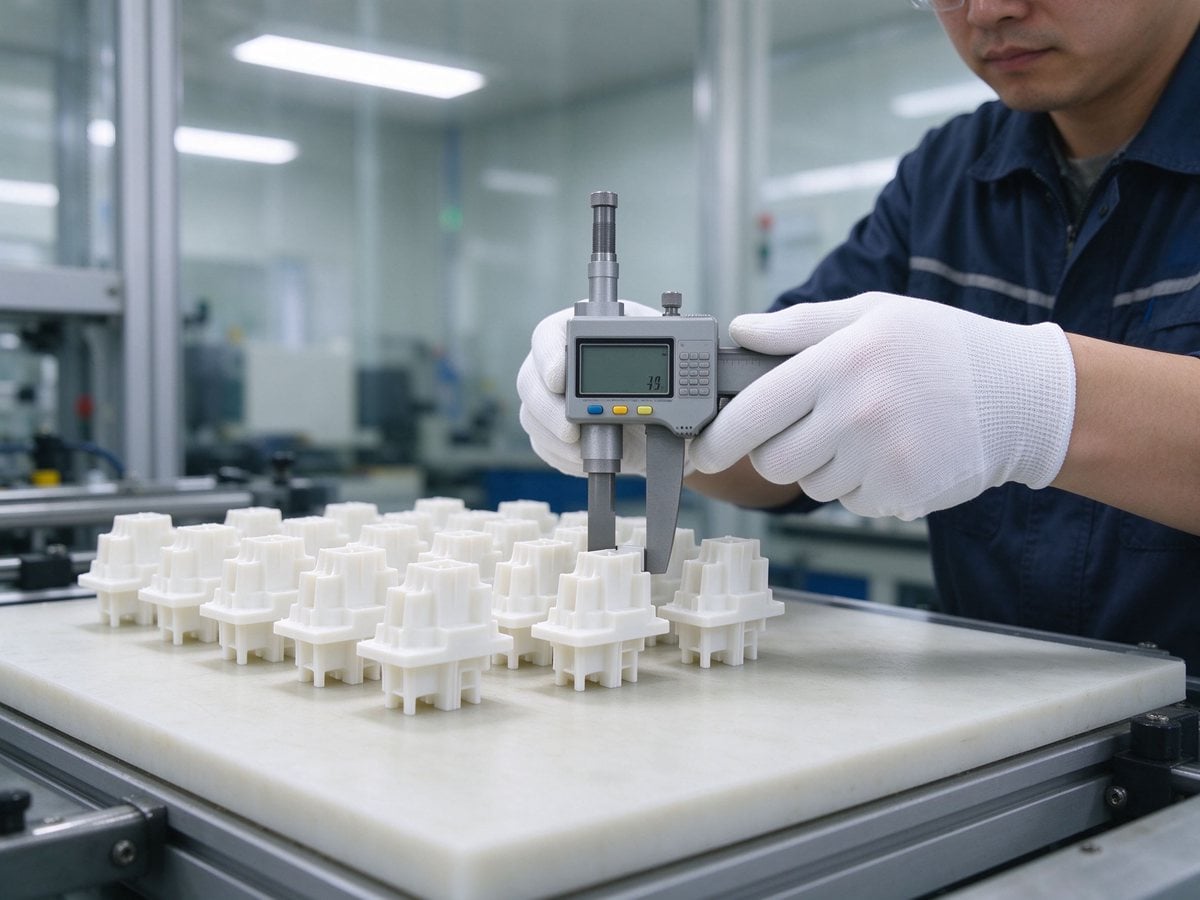
Questions to ask: What is your FAI process? What Cpk do you hold over the tool's life, not just at launch? What are the re-qualification triggers after maintenance?
Protect Your IP with NDAs and Mold Transfer Terms
Your drawings, materials, and tooling are your assets. Confirm the molding services agreement includes an NDA, clear confidentiality terms, and explicit mold ownership and transfer provisions before you share sensitive geometry. Many buyers discover too late that "partnership" did not extend to who can hand your mold to a competitor.
Questions to ask: Is an NDA in place before we share drawings? Who can access my tooling? What are the transfer, storage, and exit terms?
Measure Total Cost of Ownership, Not Unit Price
The cheapest piece price often hides the most expensive program: more engineering changes, longer launch delays, higher scrap, and rework. Compare molders on total cost of ownership — unit price plus tooling, maintenance, defect and rework cost, and the cost of a late launch.
Cost-control discipline is where good suppliers separate from average ones. Our analysis of China injection molding supplier cost-control mistakes that cause delays and rework shows exactly where budgets leak after the PO is signed.
Questions to ask: What is my total cost of ownership, not just the per-piece price? What is your scrap and rework rate? How do you prevent cost drift between quote and production?
A Quick Comparison: What to Ask Your Molding Partner
| Verification point | A commodity molder | A capable molding services partner |
|---|---|---|
| DFM feedback | Quotes as drawn | Written DFM report before tooling |
| Lead time | One headline number | Capacity-loaded schedule, all queues named |
| Material guidance | "Standard grades only" | Application-based recommendation + certifications |
| Outillage | No maintenance plan stated | Budget line + shot-count log, quarterly |
| Qualité | Cpk at first article | Capability-over-life plan with wear gates |
| IP | Vague ownership terms | NDA + explicit transfer and ownership terms |
| Pricing | Low unit price | Total cost of ownership, no cost drift |
FAQ — Custom Plastic Injection Molding Company (Snippet-Optimized)
Q1: What should I look for when choosing a custom plastic injection molding company?
Look for written DFM feedback before tooling, a capacity-loaded lead time that names all sub-supplier queues, application-based material guidance with the right certifications, a tooling maintenance plan, capability-over-life quality data, NDA coverage, and total-cost-of-ownership pricing.
Q2: How does a custom plastic injection molding company price a part?
Beyond the per-piece price, the quote should cover tooling, material, DFM engineering, maintenance over the mold's life, and quality documentation. Compare total cost of ownership, not just unit price.
Q3: Why is DFM important in custom plastic injection molding?
DFM (design for manufacturing) review reduces cycle time and scrap before steel is cut — optimizing wall thickness, tolerances, and finishes. It is often the fastest lever on total part cost.
Q4: What is a realistic lead time for custom plastic injection molding?
Molding time plus the hidden queues: material drying and qualification, texture finishing, plating, PPAP documentation, and a stated buffer. A realistic quote publishes all of these as a capacity-loaded schedule.
Q5: What certifications should a custom plastic injection molding company hold?
Certifications depend on your market — commonly ISO 9001 for general industrial quality, plus medical, food-contact, or automotive standards where your application requires them. Confirm which ones your part needs and ask for documentation.
Q6: Who should own the injection mold?
Ownership is negotiable but must be written down. Clarify ownership, storage location, and transfer terms before tooling so you can leave with your mold if you ever change suppliers.
Get a DFM-Backed Quote From Ideal-Pro
You now have the exact checklist a smart buyer runs before signing. Ideal-Pro is a custom plastic injection molding company that treats the expensive conversations as part of the service — written DFM review, transparent schedules, tooling stewardship, and capability-over-life quality, from the first quote to the millionth shot.
Email: [email protected] Website: https://ideal-pro.com
Trusted by industrial, automotive, medical, and consumer OEMs for injection molding services, engineering support, and precision tooling — get your DFM-backed quote today.


 English
 French
 Dutch
Dutch German
 Japanese
 Korean