

EVA moulage par injection can be complex, but with the right approach, it can lead to outstanding results. Here’s what you need to know.
EVA injection molding is a highly specialized process that requires a deep understanding of its unique properties to ensure high-quality results. At IDEAL PRO, with over 18 years of experience and nearly 3,000 diverse product developments, we know that choosing EVA can significantly enhance the flexibility and durability of your designs. However, the nuances of this material are not always clear at first glance.
Many engineers face challenges due to the specific requirements of EVA. This guide dives into the key aspects of EVA injection molding to help you optimize your projects, from material selection to troubleshooting common defects.
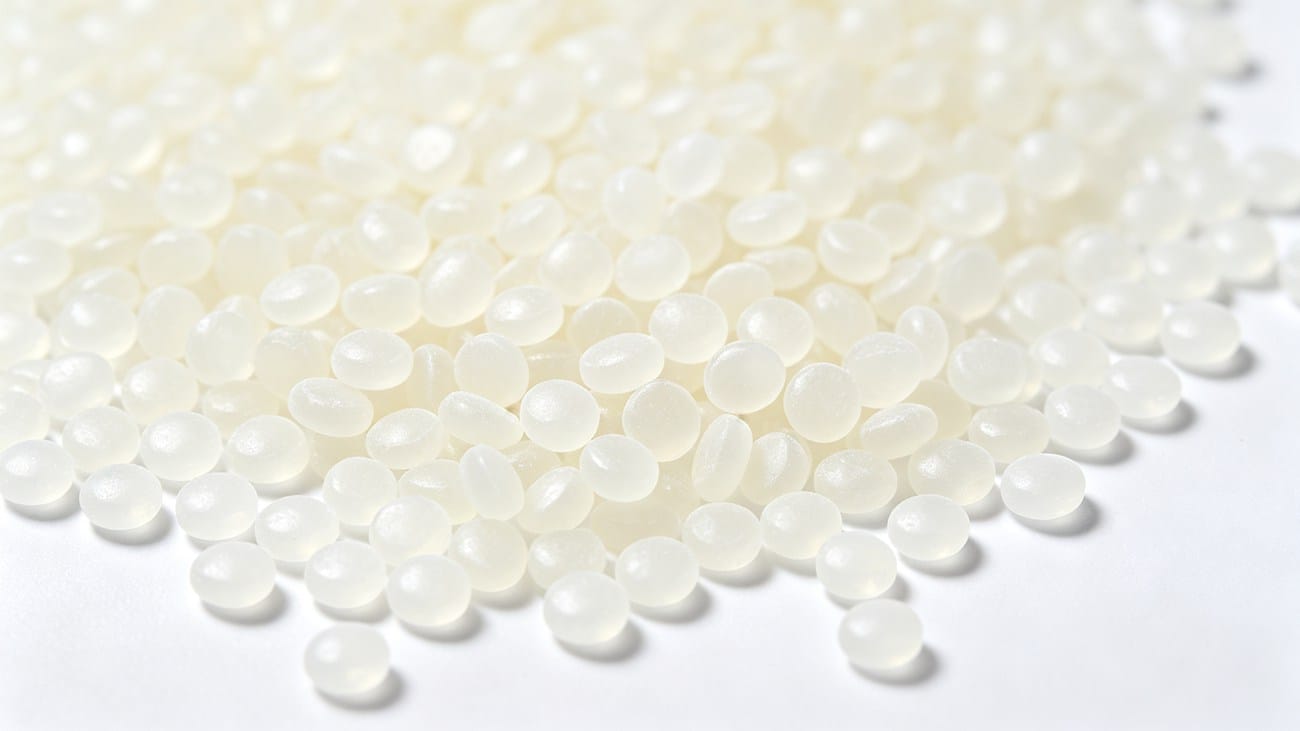
The nuances of EVA injection molding are not always clear at first glance. Many engineers face challenges due to the specific requirements of this material. Let's dive into the key aspects of EVA injection molding and explore how to optimize your projects.
What Is EVA Injection Molding and When Should You Choose It?
EVA, or ethylene-vinyl acetate, is a thermoplastic elastomer known for its flexibility and toughness. This material is unique because it can be used in various applications, from footwear to automotive parts. So when should you consider EVA injection molding?
Choosing EVA injection molding is ideal for applications requiring both elasticity and durability. Its versatility makes it suitable for industries like footwear, automotive, and electronics.
As a type of thermoplastic elastomer, EVA shares many processing similarities with other TPE materials; you can learn more about TPE molding fundamentals in our dedicated guide: The Ultimate Guide to TPR/TPE Injection Molding: Process, Parameters & Troubleshooting
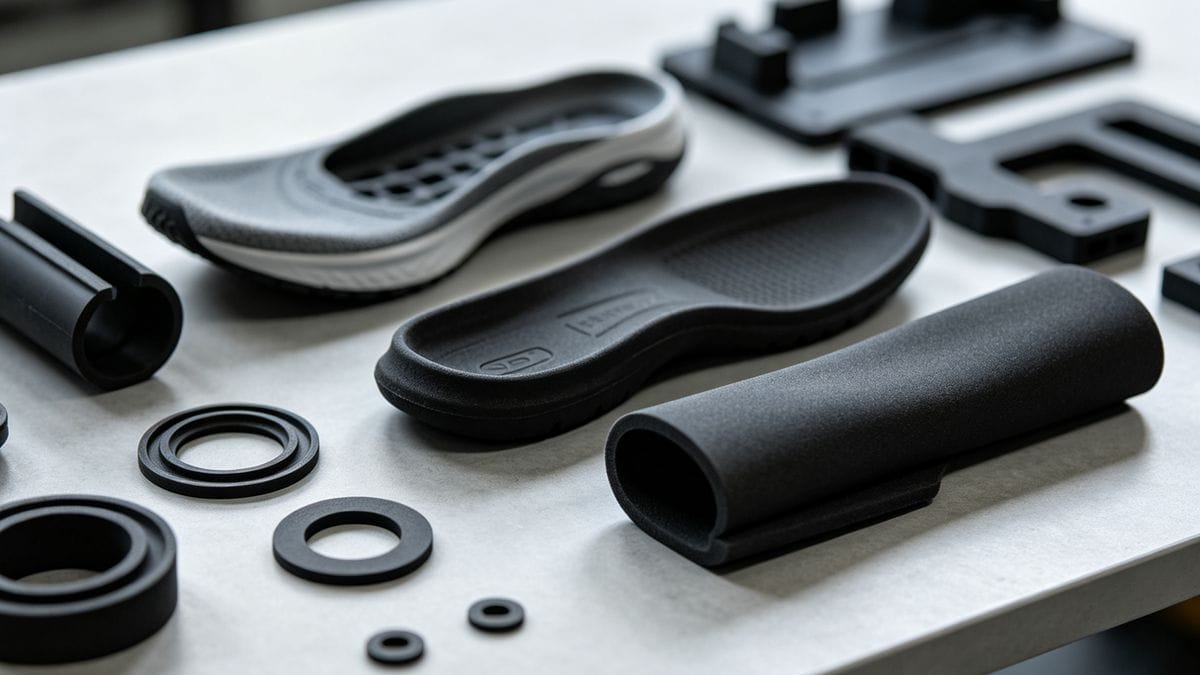
EVA injection molding is particularly beneficial when you need lightweight components that can withstand wear and tear. The material's properties also allow for easy color customization. Therefore, if you are working on products where aesthetics matter, EVA might be the right choice.
Dive Deeper into EVA Characteristics
EVA's unique composition, which includes varying amounts of vinyl acetate, allows for different properties. Low VA content creates a more rigid product, while a high VA content results in a softer, more flexible material. Understanding the VA content is crucial for predicting how the material will behave during processing and in final products.
To illustrate this, here’s a breakdown of typical applications based on VA content:
| VA Content | Propriétés | Applications |
|---|---|---|
| Low (<18%) | Rigid, PE-like characteristics | Structural packaging, tool handles |
| Medium (18-40%) | Balanced elasticity and toughness | Footwear midsoles, shock absorbers |
| High (>40%) | Soft, rubber-like qualities | Sealants, high-flex applications |
Knowing the right VA content helps tailor EVA for specific needs.
Critical Processing Parameters for Controlling EVA Injection Molding
Processing EVA can be tricky due to its sensitivity to temperature and melt viscosity. Achieving the right balance is key to preventing defects.
Understanding and controlling processing parameters are critical for successful EVA injection molding, as variations can lead to serious quality issues.
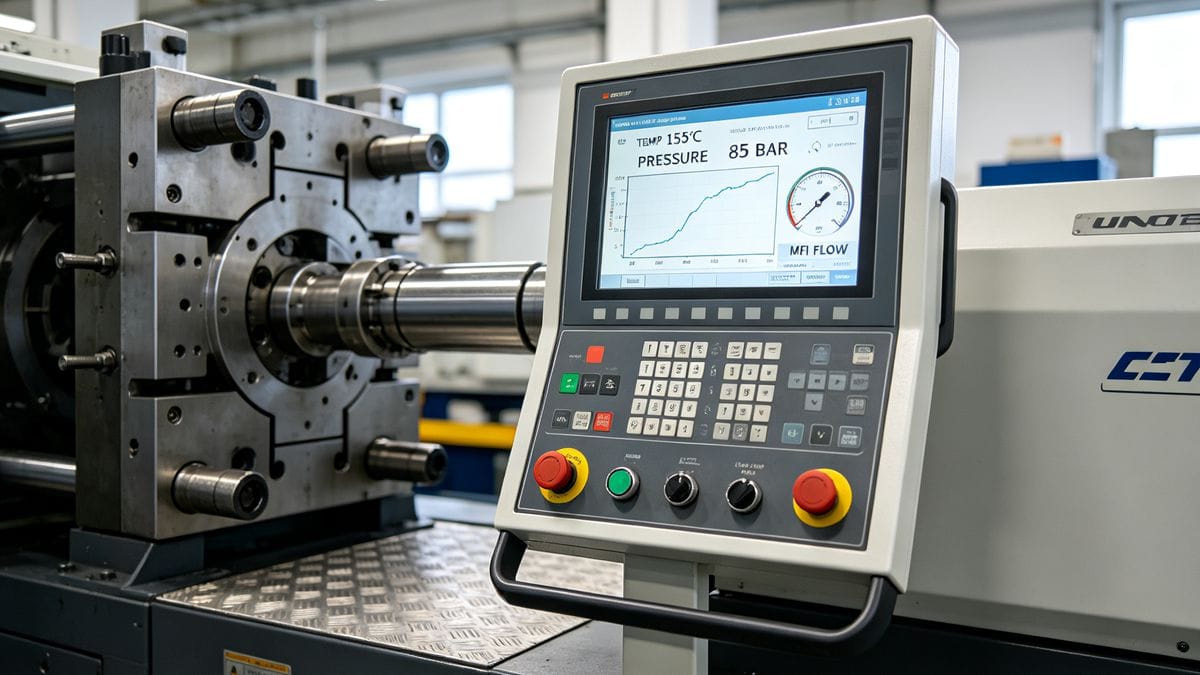
The temperature must be closely monitored. Too cold results in poor plasticization, while too hot can degrade the material. Keeping barrel zones between 150°C and 170°C is often recommended. Additionally, using specialized screws to minimize shear heat can improve outcomes.
Managing the "Goldilocks" Window
In my experience, the ideal processing temperature for EVA is crucial. Too much variation can lead to inconsistent quality. The right melt flow index (MFI) should also be matched to the part geometry. High MFI helps fill complex shapes, while lower MFI provides strength during foaming.
All core temperature, pressure and speed tuning rules for thermoplastics are covered here: Injection Molding Parameters Tuning Guide
How Does VA Content Dictate EVA Material Properties?
VA content is a game changer when it comes to EVA material properties.
The VA content in EVA significantly influences its mechanical properties and applications, making it essential to select the right level for your project.
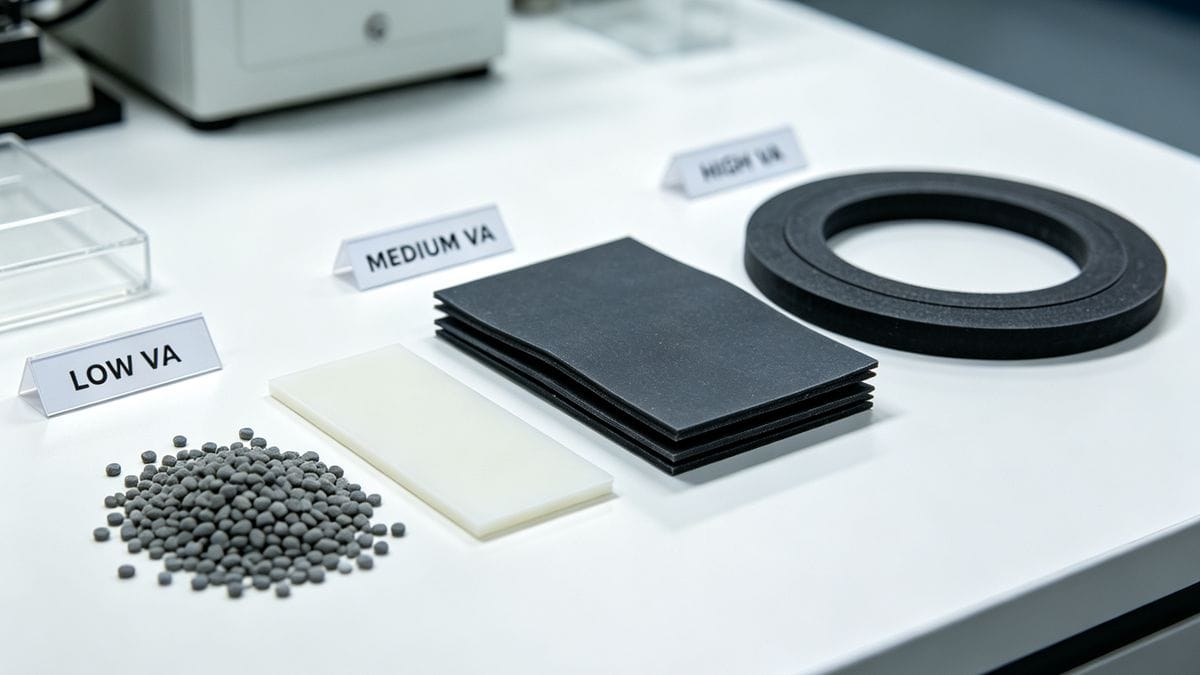
For instance, a low VA content gives EVA rigidity, making it suitable for structural applications. Conversely, a high VA content creates softer materials ideal for applications needing flexibility or cushioning.
Understanding how VA content affects properties can lead to better product designs.
Exploring VA Influence on Material Performance
When selecting EVA for your application, consider how VA content impacts not just the surface properties but also the overall functionality. For example, footwear manufacturers often choose EVA with medium VA content for midsoles to achieve the perfect balance between comfort and support.
| Application | Ideal VA Content | Property Focus |
|---|---|---|
| Structural Packaging | Low (<18%) | Rigid and strong |
| Footwear | Medium (18-40%) | Cushioning and shock absorption |
| Sealants | High (>40%) | Softness and flexibility |
Understanding these properties helps in making informed decisions about EVA for specific applications.
Common Defects in EVA Injection Molding and Proven Solutions
Common defects like bubbles, yellowing, and dimensional instability plague many EVA projects.
Recognizing and addressing these defects early can save time and resources during the injection molding process.
At IDEAL PRO, we take a proactive approach to defect management. For instance, we ensure rigorous pre-drying to eliminate moisture, which can lead to splay. We also carefully optimize the injection profiles to prevent jetting and air entrapment.
Addressing Defects with Targeted Solutions
Defects usually indicate underlying issues. For example, yellowing can result from overheating. By strictly controlling temperatures and utilizing advanced injection techniques, we enhance EVA’s performance and reliability.
| Défaut | Cause | Solution |
|---|---|---|
| Bubbles | Air entrapment | Optimize injection profile |
| Yellowing | Surchauffe | Maintain optimal temperature range |
| Dimensional Instability | Inconsistent hold pressure | Adjust holding times and pressures |
For a full list of injection molding flaws and troubleshooting methods, check our complete defect guide: 16 Common Injection Molding Defects Root Causes & Solutions
Essential Mold Design Guidelines for High-Precision EVA Parts
Mold design is just as crucial as the material.
Effective mold design can enhance the quality and precision of EVA injection molded parts, minimizing defects and maximizing efficiency.
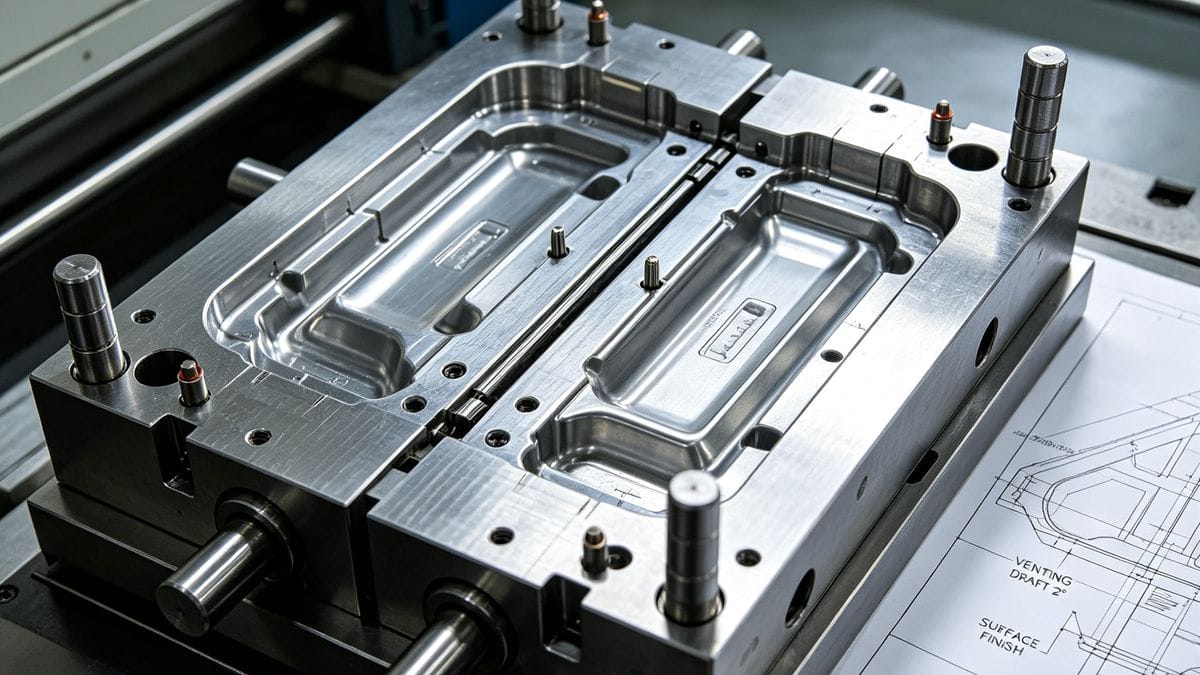
I’ve learned that proper venting and draft angles are essential in EVA molding to avoid common issues like burn marks and mold sticking. We design vent grooves carefully to allow gas escape without causing flash.
Key Design Principles for EVA Molding
When designing molds for EVA parts, consider the following principles:
- Venting: Adequate venting prevents gas buildup during molding.
- Draft Angles: A minimum of 2° draft angle helps with demolding.
- Surface Finish: High-polishing of cavity surfaces reduces sticking.
These guidelines serve to enhance production efficiency and part quality.
Top Industries and Applications for EVA Injection Molding
EVA is versatile, finding applications across various industries.
Understanding the industries that benefit from EVA injection molding can guide your decision-making and application strategies.
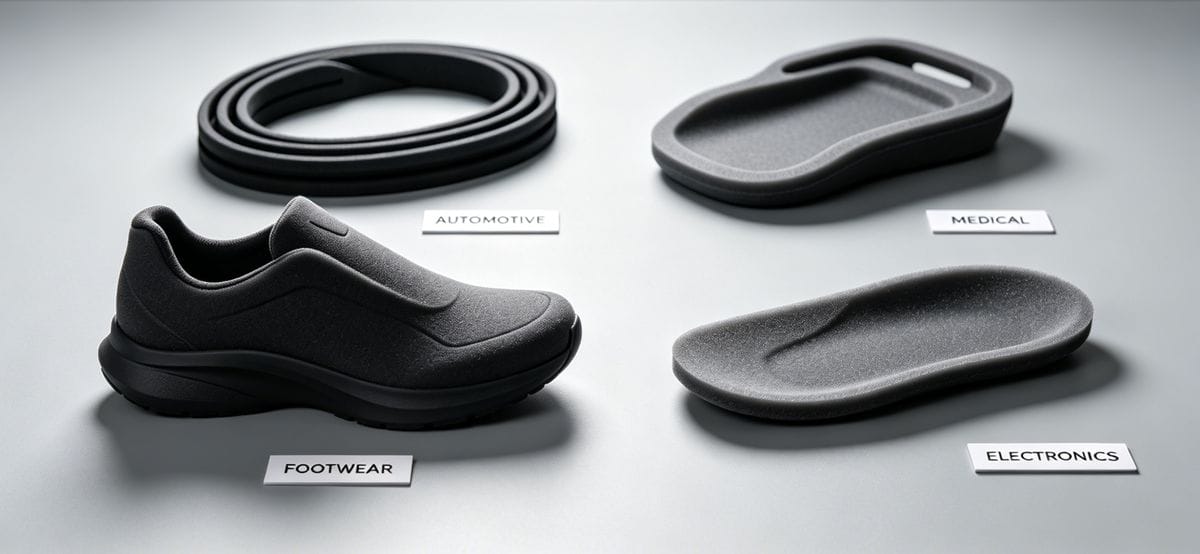
From footwear to automotive, EVA's unique properties allow for wide usage. For instance, in footwear, EVA provides comfort. In automotive, it's used in gaskets for sealing purposes.
Industry Applications Breakdown
- Footwear: Midsoles and cushioning.
- Automotive: Seals and gaskets for noise reduction.
- Medical Devices: Protective casings and flexible components.
Each application takes advantage of EVA's specific properties, tailoring solutions for enhanced performance.
EVA Injection Molding Cost Analysis vs. Alternative Materials
Cost is always a consideration in manufacturing.
Comparing EVA costs to alternative materials helps in making informed decisions that satisfy budget constraints without sacrificing quality.
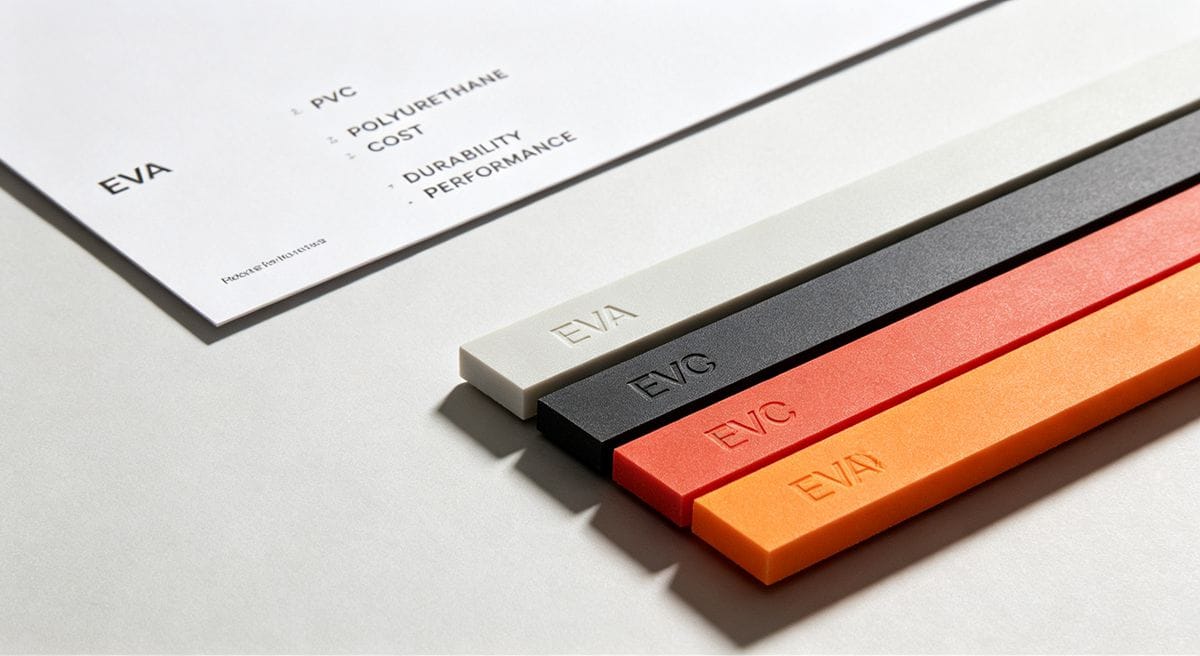
While EVA can be more expensive than some alternatives, its durability and performance often justify the cost. This is especially true for applications requiring high-performance materials.
Cost Effectiveness of EVA
When analyzing costs, consider how EVA can reduce long-term expenses through durability. In contrast, cheaper alternatives may lead to frequent replacements and repairs, increasing overall costs.
| Matériau | Coût | Durability | Performance |
|---|---|---|---|
| EVA | Modéré | Haut | Excellent |
| PVC | Faible | Modéré | Bon |
| Polyurethane | Haut | Haut | Excellent |
EVA's balance of cost and performance positions it as a strategic choice in many applications.
Best Practices for Maximizing Efficiency in EVA Production
Maximizing efficiency in EVA production requires careful planning and execution.
Implementing best practices can significantly enhance the production process and reduce waste.
Some best practices include maintaining optimal mold temperatures, using the right MFI for specific applications, and regularly reviewing production processes for continuous improvement.
Strategies for Efficiency
- Contrôle de la température : Keep molds and materials at optimal temperatures.
- Regular Maintenance: Ensure all machinery is functioning properly.
- Process Review: Continuously analyze production for areas of improvement.
Adopting these practices ensures a smoother production experience.
Key Questions B2B Buyers Ask Before Sourcing EVA Parts
If you're looking to source EVA parts, it’s essential to ask the right questions.
Addressing key queries can clarify the sourcing process and help find the best supplier for your needs.
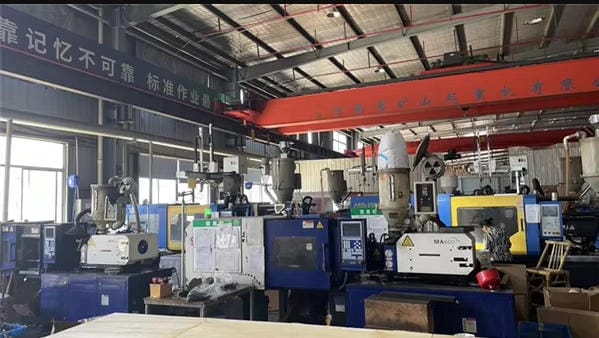
Consider asking:
- What is the supplier’s experience with EVA?
- How do they ensure quality control?
- What are their capabilities in terms of custom production?
These questions foster clearer communication and better partnerships.
Navigating the Sourcing Process
Being informed helps streamline the sourcing process. Understanding a supplier's capabilities and experience can lead to better collaborations and successful project outcomes.
Frequently Asked Questions (FAQs) About EVA Injection Molding
EVA injection molding raises many questions among engineers and manufacturers.
Answering these frequently asked questions can demystify the process and provide valuable insights.
Some common questions include:
- What temperatures are ideal for EVA processing?
- Can EVA be recycled?
- How does EVA compare to other thermoplastics?
Providing clear answers to these inquiries helps businesses navigate their EVA projects more effectively.
Conclusion
Understanding EVA injection molding is essential for creating high-quality, durable products. By mastering the process—from selecting the right VA content to optimizing mold design and processing parameters—you can achieve exceptional results.
Au IDEAL PRO, we are dedicated to delivering customized solutions that ensure client success. Whether you are developing a new product or optimizing an existing one, our top-tier design and technical teams are here to help you navigate the complexities of EVA injection molding.
With over 18 years of experience and nearly 3,000 diverse product developments, our Turnkey Solution Service covers all phases of product development, from design to production. We lead in custom plastic injection molding and product design, offering end-to-end solutions from rapid prototyping to full-scale production.
Our expertise extends beyond injection molding to include cost-efficiency strategies across various manufacturing processes, including CNC, die casting, and sheet metal work. Whether aiding startups, established industry players, or individuals with unique ideas, Ideal Pro is your partner for delivering the quality and reliability your EVA projects demand.



 English
 French
 Dutch
Dutch German
 Japanese
 Korean